Aussie Contracts That Bar Merle Breeding
It’s a heartbreaking reality: you fall in love with an adorable Australian Shepherd puppy, often drawn in by those striking merle patterns or captivating blue eyes, only to later realize that the adorable factor can sometimes mask incredibly serious health risks. Many new Aussie owners are completely unaware of the ethical and genetic minefield that is merle-to-merle breeding, and a good breeder will ensure their contracts prevent such irresponsible practices. This guide will walk you through what these specific clauses mean, why they exist, and what your responsibilities are as a conscientious Aussie parent.
The Ethical Imperative: Why Merle-to-Merle Breeding Is a Huge No-No
When you delve into the world of Australian Shepherds, especially those with the popular merle coat patterns, you quickly encounter a strong, almost universally accepted rule among responsible breeders: never breed two merles together. This isn't just a preference; it's a critical ethical stance born from decades of understanding canine genetics and preventing immense suffering. The merle gene itself, which gives Aussies their stunning mottled coats and often striking blue eyes, is a dominant gene. When a dog inherits one copy of the merle gene, it expresses the beautiful merle pattern we all adore. The problem arises when a dog inherits two copies of the merle gene, a condition known as "double merle" or "homozygous merle."
These double merle puppies are not just a different shade; they are disproportionately affected by severe health issues, particularly concerning their sight and hearing. Imagine a puppy born completely deaf or with underdeveloped, malformed eyes that render them blind. This is the tragic reality for many double merles. Breeders who knowingly or negligently breed two merle dogs together are essentially playing Russian roulette with the lives and well-being of their litters, often producing puppies that require extensive medical intervention, specialized care, or, in the worst cases, are unviable. This ethical issue is so profound that it forms the bedrock of many breeding contracts.
The Genetics Behind the Danger
To truly grasp why "breeding away from epilepsy in Aussie lines" is so vital, it helps to understand the underlying genetics. The merle gene, denoted as M, is a dilution gene. A dog with one copy (Mm) will display the merle pattern. However, a dog inheriting two copies (MM) is a double merle. This double dose of the merle gene causes an extreme dilution of pigment, not just in the coat, but also in the eyes and inner ears. This lack of pigment is directly linked to the development of ocular and auditory defects. It's a cruel twist of genetics where the very gene responsible for the breed's signature beauty can, in double dose, lead to such devastating disabilities.
The risks are not just theoretical; they are statistically significant. A breeding between two merle parents has a 25% chance of producing a double merle puppy. This means that out of every four puppies in such a litter, one is likely to be born with severe impairments. These impairments can range from microphthalmia (abnormally small eyes), colobomas (missing tissue in the eye structures), and complete blindness, to partial or total deafness. The cost, both emotional and financial, of caring for a dog with these profound sensory deficits can be enormous, and it’s a burden no responsible breeder wants to knowingly inflict. This understanding drives the strict clauses you’ll find in reputable breeder contracts.
Identifying a Cryptic Merle Australian Shepherd
One of the nuances that makes merle breeding even more complex is the existence of "cryptic merles." These are dogs that genetically carry the merle gene but don't visibly express it, or express it so subtly that it's easy to miss. A cryptic merle might appear solid black or red, or have such faint merling that it goes unnoticed without careful inspection or, more reliably, genetic testing. This is why experienced breeders understand that simply looking at a dog's coat isn't enough to determine its merle status.
Imagine a scenario where a breeder, unknowingly, uses a cryptic merle in their breeding program, pairing it with a visibly merle dog. The outcome could still be double merle puppies, even if they believed they were only breeding one merle. This highlights the absolute necessity of DNA testing for the merle allele in an Aussie before any breeding decisions are made. Many reputable breeders will insist on this test as part of their health screenings, ensuring they truly understand the genetic makeup of their breeding stock. Without this due diligence, even well-intentioned breeders can inadvertently contribute to the heartbreaking issue of double merles.
Decoding Your Australian Shepherd's Contract: Understanding Breeding Restrictions
When you bring home an Australian Shepherd puppy from a reputable breeder, the contract you sign is more than just a receipt. It's a legally binding agreement that outlines responsibilities, expectations, and often, critical health and breeding stipulations. Among the most common and stringent clauses you'll encounter are those that specifically prohibit breeding your merle Aussie with another merle dog. These clauses are put in place not to control your dog, but to protect the health and integrity of the breed, preventing the birth of double merle puppies with severe health challenges.
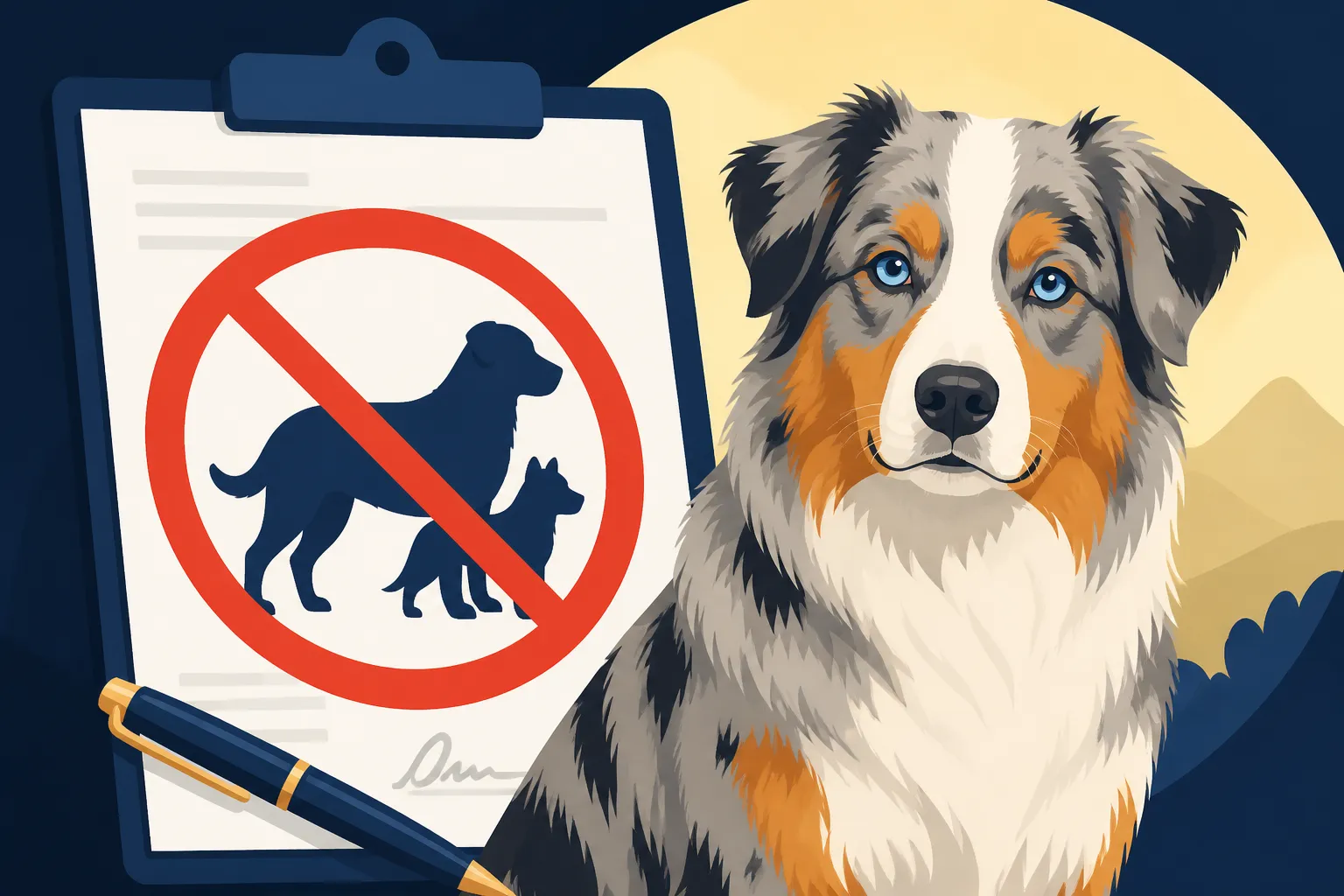
These contracts are typically very explicit. They might state, "Buyer agrees that if this Australian Shepherd carries the merle gene, it shall not be bred to another merle-patterned dog." Sometimes, they'll go further, requiring genetic testing for merle before any breeding occurs, regardless of the dog's visible coat pattern. Breaches of these clauses often come with significant penalties, such as financial fines or even the re-possession of the dog. While it might seem overly restrictive to a new owner, these terms are a testament to the breeder's commitment to ethical practices and the long-term well-being of their dogs and the breed as a whole.
Common Wording in Merle Breeding Clauses
Breeding contracts, while legally binding, aren't always written in simple language. It's crucial to understand the exact wording and implications of clauses related to merle breeding. Here's a look at some common phrasing you might see:
- "Breeding Restrictions: This dog, if carrying the merle allele (M/m), shall not be bred to any dog also carrying the merle allele (M/m or M/M)." This is a direct prohibition. It doesn't matter if your dog looks merle; if it tests merle, it cannot be bred to another merle. This specific language covers both single and double merles, emphasizing genetic testing over visual assessment.
- "Health Warranty Invalidated by Irresponsible Breeding: Any health guarantee provided in this contract is null and void if the Buyer breaches the merle breeding restriction and produces a double merle litter, or contributes to such a breeding." This clause adds a financial consequence, removing the breeder's responsibility for potential health issues if the contract is violated.
- "Spay/Neuter Clause with Merle Exception: While spay/neuter is often required, a merle dog may only be bred if genetic testing confirms it is M/m, and the intended mate is m/m (non-merle)." Some contracts allow breeding under very specific, controlled conditions, always prioritizing genetic health.
It's vital to read your contract thoroughly and ask your breeder questions about any terms you don't understand, especially regarding breeding restrictions. Remember, these terms are designed to prevent heartbreaking outcomes like Deafness in a Double Merle Australian Shepherd or Eye Defects in a Double Merle Australian Shepherd.
| Breeding Scenario | Genetic Outcome (Merle Allele) | Risk of Double Merle (MM) | Ethical Status |
|---|---|---|---|
| Merle x Non-Merle | Mm x mm | 0% | Ethical and Recommended |
| Non-Merle x Non-Merle | mm x mm | 0% | Ethical and Recommended |
| Merle x Merle | Mm x Mm | 25% | Irresponsible & Unethical |
| Merle x Double Merle | Mm x MM | 50% | Highly Irresponsible |
| Double Merle x Non-Merle | MM x mm | 100% (all merle offspring) | Ethical (if MM is healthy) |
| Double Merle x Merle | MM x Mm | 50% MM, 50% Mm | Highly Irresponsible |
| Double Merle x Double Merle | MM x MM | 100% (all double merle) | Extremely Irresponsible |
Note: This table simplifies complex genetics for clarity. "Ethical" here pertains to the risk of homozygous merle defects, not overall breeding ethics.
The Financial and Legal Repercussions of Breach
Ignoring these clauses can have serious ramifications, extending far beyond ethical considerations. Many contracts include liquidated damages clauses, meaning if you breed a merle Aussie in violation of the agreement, you could be liable for a substantial sum, often several thousand dollars. This financial penalty reflects the perceived damage to the breed and the breeder's reputation. Beyond that, the breeder might have the right to demand the return of the dog, an emotionally devastating outcome for any owner.
Imagine you decide to breed your stunning blue merle Aussie, perhaps because you want a puppy just like them, and you find another merle stud. If your contract explicitly bars this, you could face legal action. The costs associated with such a legal battle – attorney fees, court costs, and potential damages – can easily skyrocket, making that "free" litter exponentially more expensive than any reputable puppy. Pet insurance like Healthy Paws, while invaluable for covering unexpected vet bills, won't touch legal costs arising from a contract breach. It's a stark reminder that What an Aussie Puppy Contract Should Say isn't just a formality; it's a critical document with real-world consequences.
The Responsible Breeder's Stance: Protecting the Future of the Aussie Line
For dedicated Australian Shepherd breeders, every litter is an investment in the future of the breed. They pour countless hours, resources, and emotional energy into ensuring their puppies are healthy, well-socialized, and conform to the breed standard, all while striving to improve genetics and temperament. The inclusion of clauses that bar merle-to-merle breeding in their contracts isn't about control; it's a fundamental pillar of responsible breeding practices, designed to prevent genetic health disasters and uphold the reputation of their kennel and the breed itself.
These breeders understand that their responsibility extends far beyond the sale of a puppy. They are custodians of the breed, and part of that role involves educating new owners and safeguarding against practices that could introduce widespread health problems. They carefully select breeding pairs, conduct extensive health clearances – including The Genetic Panel Every Australian Shepherd Needs – and are transparent about potential genetic risks. Their contracts are a tool to ensure that the puppies they bring into the world continue to thrive responsibly throughout their lives, even in the hands of new owners.
Upholding Breed Standards and Health
The Australian Shepherd Club of America (ASCA) and other breed organizations have clear guidelines and ethical standards for breeding, which heavily discourage or outright prohibit merle-to-merle pairings. Responsible breeders adhere to these standards, not just because they're rules, but because they align with their deep commitment to the breed's health. They know that traits like intelligence, working drive, and physical soundness are paramount, and these are all compromised when severe genetic defects like blindness or deafness become prevalent due to irresponsible breeding.
For a breeder, seeing their lines produce healthy, well-adjusted dogs that excel in various disciplines, from herding to agility, is the ultimate reward. They invest heavily in health testing, proper nutrition (perhaps even exploring options like Ollie's fresh dog food to ensure optimal health), and early socialization. The integrity of their breeding program depends on making choices that prioritize long-term health over fleeting aesthetic trends. They are often the first to champion causes like Whether Aussie Merle Breeding Should Be Regulated because they witness firsthand the devastating consequences of careless breeding.
Why Communication and Education Are Key
A reputable breeder doesn't just hand you a contract and a puppy. They invest time in educating you, answering your questions, and ensuring you understand the unique aspects of owning an Australian Shepherd. This includes comprehensive discussions about genetic health, the importance of spaying or neutering if the dog isn't destined for a careful breeding program, and, crucially, the risks associated with merle breeding. They want you to be a well-informed owner who can make responsible decisions for your dog.
Think of it this way: your breeder is offering you a partnership. They've done their part to produce a healthy puppy, and now they're entrusting you with its care. Part of that trust involves respecting their breeding ethics, especially regarding merle. If you have aspirations of breeding your Aussie, an open conversation with your breeder from the very beginning is essential. They can guide you on genetic testing, finding appropriate mates (always non-merle for a merle dog), and understanding the responsibilities involved. Many will offer mentorship and support, provided you are committed to ethical practices.
Your Role and Responsibilities: Living with a Contracted Aussie
As an owner of an Australian Shepherd, especially one from a conscientious breeder, you take on a significant role in upholding the health and welfare standards for the breed. If your Aussie has merle patterning or is known to carry the merle gene, understanding and respecting the breeding clauses in your contract is not just a legal obligation but an ethical one. Your decisions have a direct impact on potential future generations of Aussies and contribute to either the problem or the solution of hereditary health issues.
This responsibility means being proactive. It means educating yourself further about canine genetics, understanding the implications of your dog's specific genetic makeup, and making choices that prioritize health over aesthetics. It means working collaboratively with your breeder, should you ever consider breeding, and always adhering to the terms outlined in your initial agreement. Owning an Aussie is a joy, but it also comes with the responsibility of being a thoughtful and ethical pet parent, especially when it comes to safeguarding the breed's future.
The Importance of Genetic Testing
Even if your Australian Shepherd appears to be a solid color, or has very subtle merling, genetic testing is the only definitive way to know if they carry the merle allele. This is particularly crucial if you are considering breeding them, even if you are planning to breed to a non-merle dog. The existence of Cryptic Merle That Fools Aussie Breeders means that relying solely on visual inspection is a gamble that could have dire consequences.
Many labs offer affordable and reliable DNA testing for the merle gene, often through a simple cheek swab. Knowing your dog's genetic status (e.g., m/m for non-merle, M/m for merle, M/M for double merle) empowers you to make fully informed breeding decisions. If your contract requires you to provide proof of merle status before breeding, this test is non-negotiable. Furthermore, responsible pet ownership often means being aware of all genetic predispositions your dog might have, which is why a comprehensive health screen, perhaps even using a service like Chewy for easy access to supplies and information, is always a good idea.
What to Do If You're Considering Breeding Your Aussie
If you have a merle Australian Shepherd and are considering breeding them, the first and most critical step is to review your purchase contract thoroughly. Understand every clause related to breeding, ownership responsibilities, and any stipulations regarding genetic testing or pairing. Your breeder is your best resource; reach out to them. They can provide guidance, insights into your dog's specific lineage, and potentially help you identify a suitable, non-merle mate.
Secondly, ensure your dog is genetically tested for the merle allele (if not already done) and undergoes all recommended health clearances for Australian Shepherds, including hip, elbow, and eye certifications, as well as genetic panels for other common Aussie health issues. If you do proceed with breeding, always select a mate that is confirmed not to carry the merle gene (m/m) to ensure you are producing healthy, single merle or non-merle puppies, thereby actively preventing the birth of double merles. Remember, being a responsible breeder goes far beyond simply having two intact dogs.
Disclaimer
The information provided in this article is for general educational and informational purposes only, and does not constitute legal, veterinary, or professional advice. Always consult with a qualified veterinarian, legal professional, or reputable Australian Shepherd breeder for advice tailored to your specific situation and for any health concerns or breeding decisions.