A Quarter of a Merle Aussie Litter Born Double
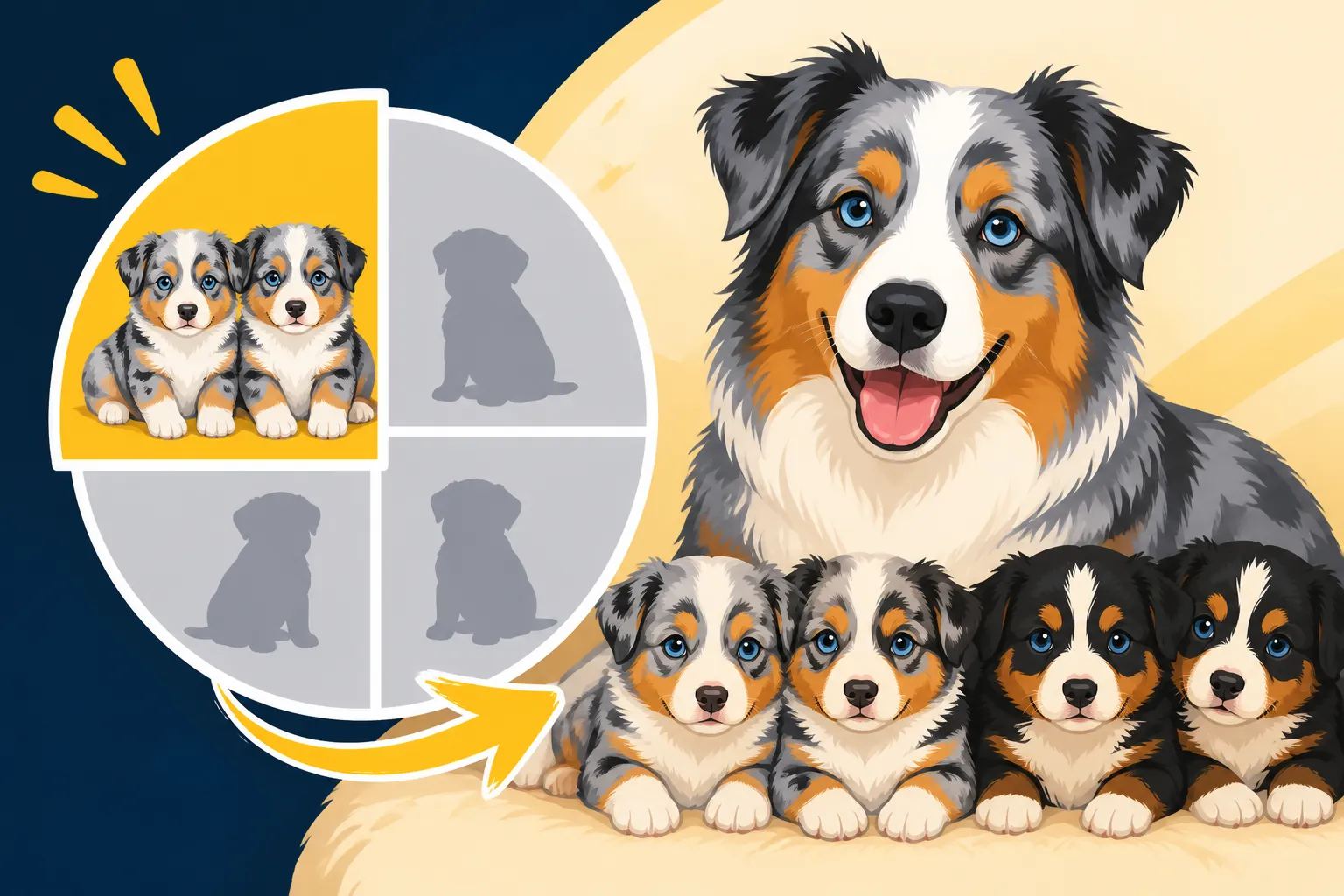
It’s a heartbreaking reality that sometimes, when two beautiful merle Australian Shepherds are bred together, a quarter of their puppies face an uphill battle from birth. These aren't just unusually marked pups; they're often born with severe health challenges that no responsible breeder would ever intentionally inflict. This guide is here to shed light on exactly what a double merle Australian Shepherd is, why these pairings happen, and what it means for the dogs themselves and the loving families who ultimately care for them.
Understanding the Merle Gene in Australian Shepherds
The merle pattern is one of the most striking and beloved traits of the Australian Shepherd breed, giving them that unique, mottled coat that catches everyone's eye. But behind that beauty lies a complex genetic mechanism that, when misunderstood or mishandled, can lead to devastating consequences.
The Basics of Merle Patterning
At its core, the merle gene (scientifically known as the M locus) is a dilution gene. What that means is it takes a dog's base coat color – typically black or red in Aussies – and dilutes random areas of it, creating lighter patches and flecks. So, a black Australian Shepherd with one copy of the merle gene becomes a blue merle, with patches of black and various shades of grey. A red Australian Shepherd with one copy of the merle gene becomes a red merle, showcasing patches of red and lighter, almost cream-colored areas. This gene also frequently affects eye color, often leading to those captivating blue eyes, or even heterochromia (one blue eye, one brown), and can influence nose and paw pad pigmentation. It’s what gives many Aussies their signature look, but it’s crucial to remember it's a dilution gene, not just a color enhancer.
How Merle Works in an Australian Shepherd Coat
Genetically speaking, a dog can carry either no merle gene (mm), one copy of the merle gene (Mm), or two copies of the merle gene (MM). A dog that is a single merle (Mm) expresses the classic merle pattern we all admire. These are the dogs often seen working sheep or excelling in agility, healthy and vibrant. However, the presence of the merle gene can sometimes be very subtle, especially in what's known as "cryptic merle" Australian Shepherds. These dogs might appear solid black or red but actually carry one copy of the merle gene, which can be easily missed by an untrained eye. This is why relying solely on visual inspection for breeding decisions is incredibly dangerous. Reputable breeders understand that to truly know a dog's merle status, particularly if there's any merle in its lineage, genetic testing is absolutely essential. This kind of testing helps prevent accidental pairings that could lead to unforeseen problems, ensuring the health of future litters. You can learn more about how this fascinating gene works by reading our article on The Merle Gene and How It Dilutes Aussie Coat.
The High Risk of Breeding Merle to Merle
The phrase "a quarter of a merle Aussie litter born double" isn't just a catchy title; it's a stark genetic reality that every responsible Australian Shepherd breeder understands and actively avoids. It highlights the predictable and tragically high risk associated with a particular breeding choice.
The Genetic Lottery of a Merle-to-Merle Pairing
When two single merle (Mm) Australian Shepherds are bred together, the genetic outcome for their puppies is not a mystery, but a statistical certainty based on basic Mendelian genetics. Using a Punnett square, we can visualize the probabilities:
| M (Merle) | m (Non-Merle) | |
|---|---|---|
| M (Merle) | MM (Double Merle) | Mm (Single Merle) |
| m (Non-Merle) | Mm (Single Merle) | mm (Non-Merle) |
As you can see from this table, there's a 25% chance of producing a puppy with two copies of the merle gene (MM), which is what we refer to as a double merle. There's a 50% chance of producing a single merle (Mm) puppy, and a 25% chance of producing a non-merle (mm) puppy. This 25% chance for a double merle means that for every four puppies conceived in such a pairing, statistically, one will be a double merle. These odds don't just apply to large litters; even in a litter of one or two, that risk is present. The breeder is essentially playing a very high-stakes game of chance with the health and well-being of their future puppies.
Why Aussie Breeders Never Cross Merle to Merle
For ethical and health reasons, responsible Australian Shepherd breeders absolutely avoid breeding merle to merle. This isn't just a preference; it's a fundamental principle of responsible breeding within the breed community. The potential for severe, life-altering health defects in the resulting double merle puppies is simply too high and entirely preventable. A good breeder prioritizes the health and temperament of their dogs above all else, including aesthetic desires for certain coat patterns. The American Kennel Club (AKC) and the Australian Shepherd Club of America (ASCA), among other reputable organizations, explicitly discourage or condemn merle-to-merle breedings due to the associated health risks.
Anyone considering breeding Australian Shepherds, or looking for a puppy, should be acutely aware of this crucial ethical boundary. A breeder who knowingly or unknowingly breeds merle to merle is not upholding the standards of responsible dog breeding and is putting the welfare of their puppies at severe risk. The financial and emotional cost of caring for a double merle puppy with significant disabilities can be immense, a burden that could have been entirely averted with proper genetic planning. It's often said that Why Merle-to-Merle Aussie Breeding Is Called Reckless, and for very good reason.
What Exactly is a Double Merle Australian Shepherd?
Beyond the genetics, understanding what a double merle Australian Shepherd looks like and the profound impact two copies of the merle gene have on their development is crucial. These aren't just dogs with an extra splash of white; they are dogs whose very being is affected by this genetic combination.
Defining the Double Merle Genotype MM
A double merle Australian Shepherd carries two copies of the merle gene, denoted as MM. Visually, these dogs are often characterized by an excessive amount of white on their coats, particularly on their head, face, and sometimes across large portions of their body. While all Aussies can have white markings, double merles tend to have a striking, often stark, white appearance that can sometimes be mistaken for an albino, though they are not true albinos. They typically have some patches of their original merle pattern, but the white is dominant and often covers areas where pigment would normally be. This extreme lack of pigment isn't just superficial; it's a key indicator of potential underlying issues that impact their sensory organs. Their eyes are frequently blue, often pale and glassy, and sometimes appear mismatched or unusually shaped. It's this widespread lack of pigment that directly correlates with the severe health challenges they face. If you're wondering how to identify one, you can get a clearer picture from our guide on How to Spot a Double Merle Australian Shepherd.
The Health Consequences of Being Double Merle
The lack of pigment associated with the double merle gene doesn't just make for a unique coat color; it directly impacts the development of several critical body systems, most notably the auditory and ocular systems. The cells responsible for pigment (melanocytes) play a vital role in the proper development and function of the inner ear and the structures of the eye. When a dog has two copies of the merle gene, these pigment cells are significantly reduced or absent in these crucial areas, leading to a high probability of developmental abnormalities.
The consequences range from mild to severe, but frequently include partial or complete deafness, and various ocular defects. It’s not a certainty that every double merle will be profoundly affected, but the odds are heavily stacked against them. This is why breeding two merles is considered so irresponsible – it's gambling with a dog's ability to hear, see, and navigate the world normally. The health and welfare implications are significant and long-lasting, often requiring specialized care and creating a lifetime of challenges for both the dog and its family. The ethical question isn't just about the aesthetics of a dog, but about its fundamental quality of life.
Common Health Issues in Double Merles
The health issues faced by double merle Australian Shepherds are not mere inconveniences; they are often profound disabilities that require significant adjustments and dedicated care. Understanding these specific challenges is critical for anyone considering bringing a double merle into their home or for breeders seeking to avoid them.
Deafness in a Double Merle Australian Shepherd
One of the most common and devastating consequences of being a double merle is deafness. The merle gene impacts the melanocytes (pigment-producing cells) within the cochlea of the inner ear. When these cells are absent or insufficient due to the double merle gene, the delicate structures of the inner ear cannot develop or function properly, leading to hearing impairment. This deafness can manifest in different ways: some double merles might be unilaterally deaf, meaning they can hear out of one ear but not the other, while others are bilaterally deaf, unable to hear at all.
Living with a deaf Australian Shepherd presents unique challenges. Communication relies entirely on visual cues – hand signals become the primary language. Training requires immense patience and consistency, as sound-based commands are ineffective. While deaf dogs can lead happy, fulfilling lives, they require a secure environment where they cannot wander off undetected by sound, and their human companions must be extra vigilant for potential dangers that a hearing dog would naturally react to, like approaching vehicles or other animals. Ensuring their safety and providing appropriate enrichment is a continuous commitment. For families embracing a deaf Aussie, a strong bond built on trust and clear visual communication becomes paramount. If you're interested in learning more, we have a detailed article on Deafness in a Double Merle Australian Shepherd that offers further insights.
Eye Defects in a Double Merle Australian Shepherd
Beyond hearing loss, double merles are also highly susceptible to a range of severe ocular defects. Again, this is due to the lack of pigment affecting the proper development of the eye structures. These conditions can vary greatly in severity, from minor vision impairment to complete blindness.
Some of the most frequently observed eye problems include:
- Microphthalmia: This condition literally means "small eye." The affected eye (or eyes) is abnormally small and often malformed, leading to reduced or absent vision. It's one of the most recognizable signs of a double merle.
- Iris Coloboma: This is a defect where a portion of the iris (the colored part of the eye) fails to develop completely, resulting in a "keyhole" or irregular pupil shape. While some dogs with mild colobomas may have normal vision, severe cases can cause light sensitivity or vision impairment.
- Cataracts: While cataracts can occur in any Aussie with age, double merles can develop congenital cataracts, meaning they are present from birth or develop very early in life, clouding the lens and significantly impairing vision.
- Retinal Dysplasia: This involves abnormal development of the retina, the light-sensitive tissue at the back of the eye. It can range from small folds in the retina to complete detachment, leading to various degrees of vision loss.
These eye conditions can make navigating the world incredibly difficult for a double merle. They might bump into objects, be easily startled, or struggle in low-light conditions. Providing a consistent home environment, using scent cues, and ensuring safety measures like clear pathways and gates are essential. Regular veterinary ophthalmology check-ups are critical to monitor their vision and manage any discomfort. These conditions often require ongoing care, and it’s important for owners to budget for specialized veterinary visits and potential treatments. Understanding Eye Defects in a Double Merle Australian Shepherd can provide more specific details.
Responsible Breeding and Prevention
The existence of double merle Australian Shepherds is, in nearly all cases, entirely preventable. Responsible breeding practices, rooted in genetic understanding and ethical commitment, are the cornerstone of safeguarding the health and welfare of this magnificent breed.
Genetic Testing for Merle Alleles
The absolute foundation of preventing double merle puppies lies in thorough genetic testing. Every Australian Shepherd intended for breeding, regardless of its visible coat pattern, should be tested for the merle allele (M locus). This is especially crucial for dogs that appear solid-colored but come from merle lineage, as they could be "cryptic merles" (Mh) – dogs carrying the merle gene that expresses so minimally it's not visually obvious. Without genetic testing, an unsuspecting breeder might accidentally pair a cryptic merle with a full merle, resulting in a double merle litter.
Leading genetic testing companies offer reliable tests to determine a dog's merle genotype (mm, Mm, or MM). This simple cheek swab or blood test provides definitive answers, eliminating guesswork and significantly reducing the risk of accidental problematic pairings. Reputable breeders will not only test their breeding dogs but will be transparent about these results with prospective puppy buyers. They understand that The Genetic Panel Every Australian Shepherd Needs goes beyond just merle, covering a host of other potential hereditary conditions, ensuring a comprehensive picture of a dog's genetic health.
Ethical Breeding Practices to Avoid Double Merles
Once the merle status of a breeding dog is known, ethical breeding practices dictate a clear path: never breed a merle (Mm or Mh) to another merle (Mm or Mh). The only responsible and acceptable pairings involving a merle dog are:
- Merle (Mm or Mh) to Non-Merle (mm): This pairing will produce a litter where approximately 50% are merle (Mm or Mh) and 50% are non-merle (mm). No double merles will be produced.
- Non-Merle (mm) to Non-Merle (mm): This pairing will produce 100% non-merle (mm) puppies.
Responsible Australian Shepherd breeders are deeply committed to these guidelines. They understand that intentionally breeding merle to merle is not just a risk, but a direct act that can lead to suffering. They prioritize health, temperament, and adherence to breed standards, ensuring that any puppy they bring into the world has the best possible start. They are also meticulous about record-keeping, DNA verification, and educating prospective owners about the genetics of the breed. This dedication helps maintain the integrity and health of the Australian Shepherd gene pool, actively working to minimize the incidence of preventable genetic conditions like those seen in double merles.
Living With and Caring for a Double Merle Aussie
Bringing a double merle Australian Shepherd into your life is a profound commitment, often requiring more patience, understanding, and resources than caring for a typically abled dog. However, with the right approach, these resilient dogs can thrive and bring immense joy to their families.
Adapting to Life with a Special Needs Aussie
The primary challenges for most double merles revolve around their sensory impairments, particularly deafness and vision issues. Adapting your home and routine to accommodate these needs is fundamental:
-
For Deaf Dogs:
- Visual Communication is Key: Immediately start training with hand signals. There are many resources available online and through specialized trainers for teaching deaf dogs. Consistency is paramount.
- Vibration Collars: These can be valuable tools for getting your dog's attention, especially in larger spaces. They deliver a vibration (not a shock) that signals the dog to look at you for a command.
- Secure Environment: A securely fenced yard is non-negotiable. Without the ability to hear dangers like approaching cars or barking dogs, a deaf Aussie is at higher risk if unsupervised outdoors. Always walk them on a leash or long line in unfenced areas.
- Awareness: Avoid startling your dog. Approach them gently, letting them see you before touching them, or use a gentle foot tap on the floor to create vibrations they can feel.
- You can find more detailed advice in our article on Living With a Deaf Australian Shepherd.
-
For Visually Impaired Dogs:
- Consistency in Environment: Avoid rearranging furniture or leaving obstacles in pathways. Dogs with limited vision rely on their memory of their environment.
- Scent and Sound Cues: Use distinct scents to mark important areas (e.g., a specific air freshener near their water bowl). Soft wind chimes or other gentle sounds can help them orient themselves in the yard.
- Verbal Cues (if hearing is intact): Clear verbal commands like "step up" or "watch out" can guide them.
- Safe Exploration: Supervise them closely, especially in new environments. Consider harnesses with a "blind dog" patch to alert others.
- Enrichment: Focus on activities that engage their other senses, like scent work, puzzle toys, and tactile play.
Supporting a Double Merle's Health and Well-being
Caring for a double merle often means anticipating and managing potential health issues throughout their life. This requires a proactive and informed approach to veterinary care and daily support.
- Specialized Veterinary Care: Beyond general veterinary check-ups, regular consultations with specialists are often necessary. An ophthalmologist can monitor eye conditions, potentially recommending medications or even surgical interventions for cataracts. An audiologist can help assess the degree of deafness and offer advice on managing it. These specialized visits can add up quickly, so having a plan is important.
- Early Intervention: Early diagnosis and intervention are key. Working closely with your vet from puppyhood can help establish a baseline and address any issues as they arise, potentially slowing progression or improving quality of life.
- Nutritional Support: Ensure they are on a high-quality diet appropriate for their age and activity level. If they are on medications for related issues, discuss any dietary considerations with your vet.
- Mental and Physical Stimulation: Despite their impairments, double merles are still intelligent, active Australian Shepherds. They need mental challenges and safe physical exercise tailored to their abilities. Scent games, puzzle toys, and controlled, secure walks can keep them happy and engaged.
- Financial Planning and Pet Insurance: The reality is that dogs with special needs often incur higher veterinary costs over their lifetime. This is where pet insurance, like plans offered by Healthy Paws, can be incredibly valuable. Policies can help offset the expenses associated with diagnostic tests, specialist visits, medications, and potential surgeries related to their congenital conditions. It's wise to research options and consider enrolling your double merle as early as possible to ensure coverage for future health needs. Having a good insurance plan can provide peace of mind and help ensure your Aussie gets the best possible care without breaking the bank. For a comprehensive look at the potential financial commitment, you might want to check out Aussie Vet Bills Between $15,000 and $40,000.
Living with a double merle Australian Shepherd is a journey of love, learning, and advocacy. These dogs, through no fault of their own, face unique challenges, but they also offer an incredible capacity for connection and resilience. With dedicated care and a supportive home, they can lead wonderfully rich and fulfilling lives.
Disclaimer
The information provided in this article is for educational purposes only and is not intended as a substitute for professional veterinary advice. Always consult with a qualified veterinarian or animal health professional for any health concerns or before making any decisions about your pet's health or treatment.