The Merle Gene and How It Dilutes Aussie Coat
It's easy to get lost in the stunning swirl of colors that make up an Australian Shepherd's coat, especially when you encounter a mesmerizing merle pattern. But beyond the eye-catching beauty, many new Aussie parents and aspiring breeders find themselves scratching their heads, wondering how these unique patterns come to be and what they truly mean for a dog's health. This guide dives deep into the fascinating merle gene, explaining exactly how it orchestrates the dilution of an Aussie's coat and why understanding its intricacies is so crucial for the well-being of these beloved companions.
The Genetic Science Behind the Mesmerizing Merle Coat
The merle pattern in Australian Shepherds, and indeed many other breeds, isn't just a random splash of color. It's the direct result of a specific genetic mechanism, a delicate dance of genes that influences pigment production. Understanding this underlying science is key to appreciating the merle coat for more than just its aesthetic appeal. It informs responsible breeding decisions and helps us prepare for potential health implications.
Unpacking the M Locus and Its Influence
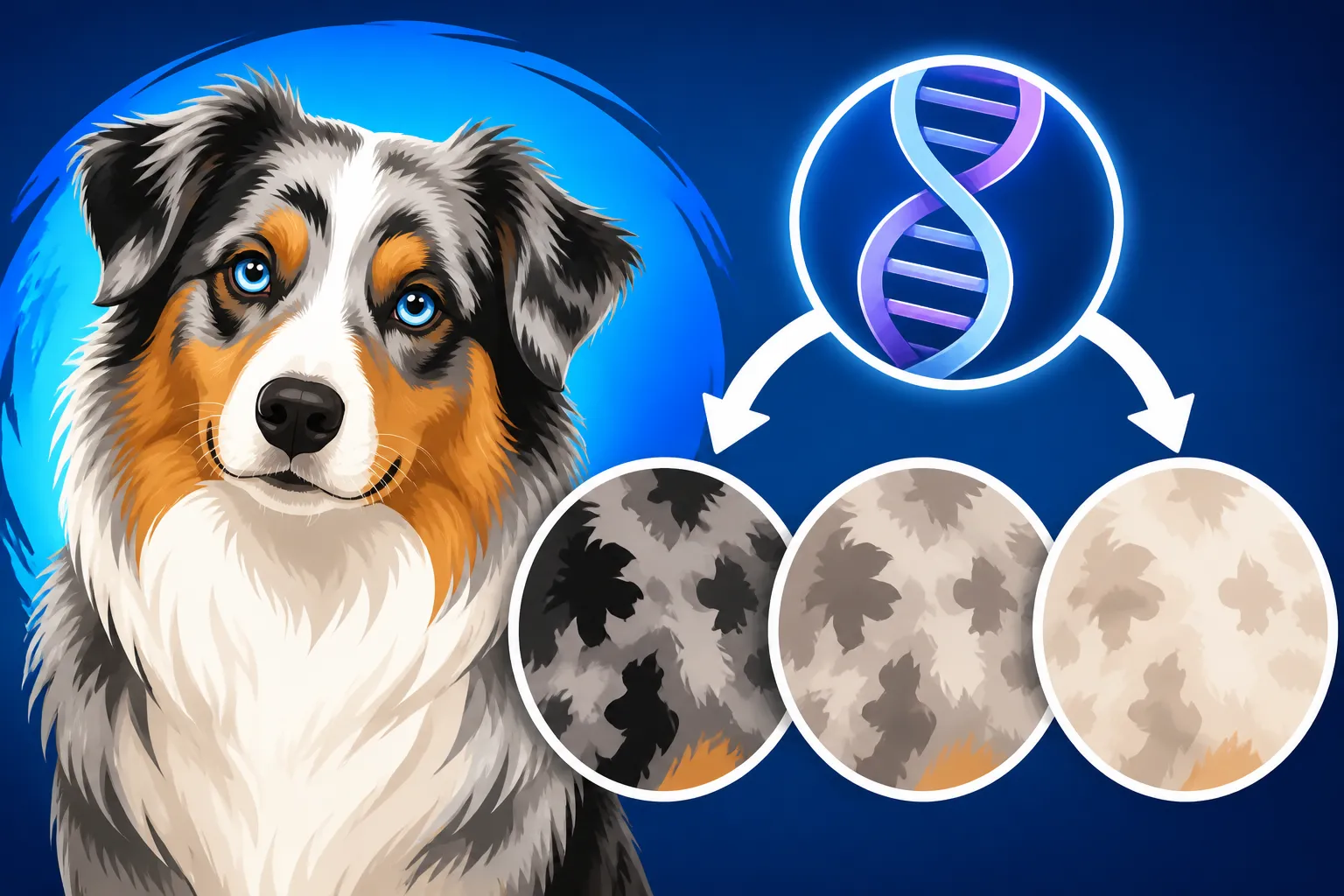
At the heart of the merle magic lies the M locus, or merle gene. Dogs carry two copies of every gene, one from each parent. The merle gene itself has several variants, but the primary ones we focus on are the non-merle allele (m) and the merle allele (M). The presence of even one copy of the mer merle allele (M) will cause the characteristic dilution. This gene acts as a modifier, meaning it doesn't create color itself but rather changes how existing colors are expressed. Think of it like a dimmer switch for your dog's pigment. It randomly dilutes the base coat color, creating areas of lighter pigment interspersed with patches of the full, undiluted color. This is why you see those striking contrasts – deep black alongside shades of grey, or rich liver next to lighter cinnamon.
Incomplete Dominance and Pigment Dilution
The merle gene operates on a principle called incomplete dominance. This means that while having one copy of the merle gene (Mm) results in the classic merle pattern, having two copies (MM), often referred to as "double merle," leads to a much more extreme dilution and, unfortunately, a significantly higher risk of severe health problems. In a single merle (Mm) Australian Shepherd, the gene primarily affects the eumelanin pigment (black and liver). It essentially "dilutes" these solid patches, breaking them up into lighter shades. So, a dog genetically predisposed to be black will have diluted black (grey/blue) areas with solid black patches, creating a blue merle. Similarly, a dog predisposed to be liver (red) will have diluted liver (lighter red/tan) areas with solid liver patches, resulting in a red merle. The areas of undiluted color, those rich, vibrant patches, are where the gene hasn't activated its diluting effect. This incomplete dominance is why you get a variety of looks even among merle Aussies, some with lighter overall dilution, others with more pronounced, darker patches.
Visualizing the Merle Effect: Blue, Red, and Beyond
The beauty of the merle gene truly shines through in the diverse and unique coats it creates. From the cool sophistication of a blue merle to the fiery warmth of a red merle, each dog is a living piece of art. However, beyond these well-known patterns, there are other expressions that can sometimes be harder to identify but are equally important to understand, especially when it comes to breeding.
The Distinctive Appearance of Blue Merle Australian Shepherds
A blue merle Australian Shepherd is perhaps the most iconic and sought-after color. In these dogs, the merle gene acts on a genetically black base coat. The result is a stunning canvas of diluted black, appearing as shades of grey or "blue," mixed with solid patches of stark black. Often, you'll see white markings on the chest, legs, and muzzle, and rich copper points on the cheeks, eyebrows, and legs, creating the classic "blue merle tri-color." The eyes can also be affected, sometimes appearing blue, marbled, or even heterochromatic (one blue, one brown). The extent of the dilution can vary widely. Some blue merles might have very large, clear patches of black with minimal grey, while others might be predominantly grey with small black flecks, giving them a salt-and-pepper appearance. It's this beautiful variability that makes each blue merle truly unique, but the defining characteristic is always that distinct interplay between black and diluted black.
The Warm Hues of Red Merle Coats
Just as the merle gene works on a black base to create blue merle, it works its magic on a genetically red (or liver) base coat to produce red merle. These Australian Shepherds boast a striking combination of diluted red (appearing as lighter, sometimes creamy or cinnamon shades) alongside solid, deep red or liver patches. Similar to blue merles, they can also have white markings and, notably, copper points, which often blend seamlessly into their warmer base tones. The eyes can range from amber to blue, with marbled or heterochromatic eyes also being common. Red merles have a captivating warmth to their appearance, often evoking images of autumn leaves or a rich mahogany. Just like their blue counterparts, the degree of dilution varies, leading to a spectrum of looks from lightly freckled to boldly patched. A healthy, well-cared-for red merle with a vibrant coat is truly something special, and understanding their specific needs, including proper Australian Shepherd Skin, Coat and Allergy Problems, helps them maintain their stunning appearance.
Spotting Cryptic Merle and Other Variations
Beyond the obvious blue and red merles, the merle gene can express itself in more subtle, and sometimes deceptive, ways. One such variation is "cryptic merle," sometimes called "phantom merle" or "hidden merle." In these dogs, the merle gene is present, but its diluting effect is so minimal that the dog appears to be solid-colored. You might only see a tiny, almost imperceptible merle patch, or perhaps none at all. This can fool even experienced breeders, as a cryptic merle dog might be mistakenly identified as a non-merle. The danger here lies in potentially breeding a cryptic merle with a visible merle, accidentally creating a double merle litter with associated health risks. This is why DNA Testing for the Merle Allele in an Aussie is so critical, as a simple visual inspection isn't enough. Other less common variations include "tweed merle," which features multiple shades within the diluted areas, rather than just two, giving a more complex, mottled appearance. There's also "harlequin merle," where the merle gene interacts with other genes to create larger, solid patches of color on a white background, though this is more commonly associated with Great Danes and can carry its own distinct genetic complexities.
Here's a quick look at common merle color genetics:
| Genotype | Phenotype (Appearance) | Description | Common Health Risks (Breeding Implications) |
|---|---|---|---|
| m/m | Non-Merle (Solid Black/Red) | Dog does not carry the merle gene. Will have solid base color, potentially with white and copper markings. | No merle-related health risks. Safe to breed with merle or non-merle. |
| M/m | Single Merle (Blue/Red Merle) | Dog carries one copy of the merle gene. Exhibits characteristic diluted patches with solid areas. | Generally healthy, but must not be bred with another M/m dog due to risk of double merle offspring. |
| M/M | Double Merle (White/Diluted) | Dog carries two copies of the merle gene. Often mostly white with very diluted patches. | High risk of severe deafness, blindness, and other eye abnormalities (e.g., microphthalmia, iris coloboma). |
| Mc/m | Cryptic Merle (Looks Solid) | Dog carries a very short merle allele. Appears solid, or with extremely subtle merling, making it difficult to visually identify as merle. | No merle-related health risks for the dog itself, but still carries the merle allele. Must be DNA tested before breeding. |
More Than Skin Deep: Health Considerations for Merle Aussies
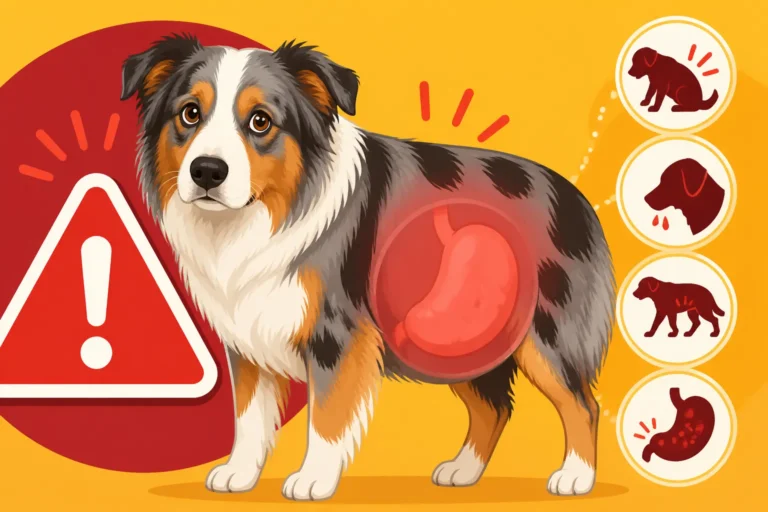
While the merle coat is undeniably beautiful, it's crucial to remember that the gene responsible for its striking appearance also carries significant health implications, particularly when mishandled in breeding. It's not just about aesthetics; it's about the well-being of the dog. Proactive health management is key, and understanding these risks can help prevent a lifetime of challenges for an Australian Shepherd.
The Risks Associated with Double Merle Breeding
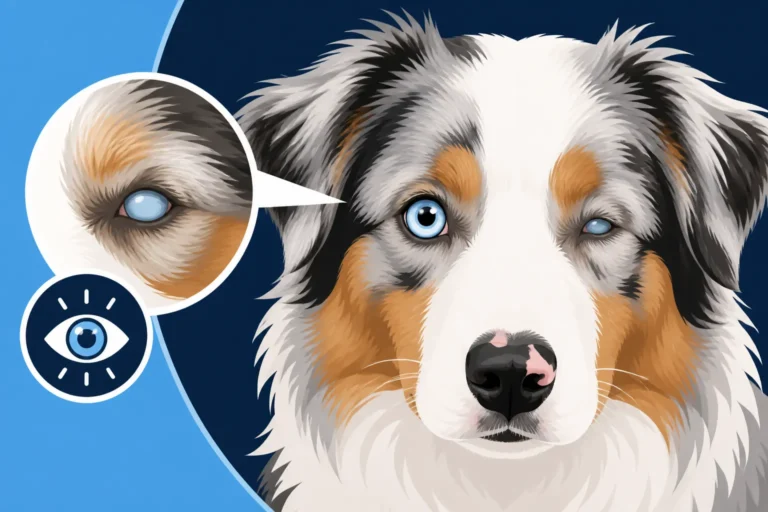
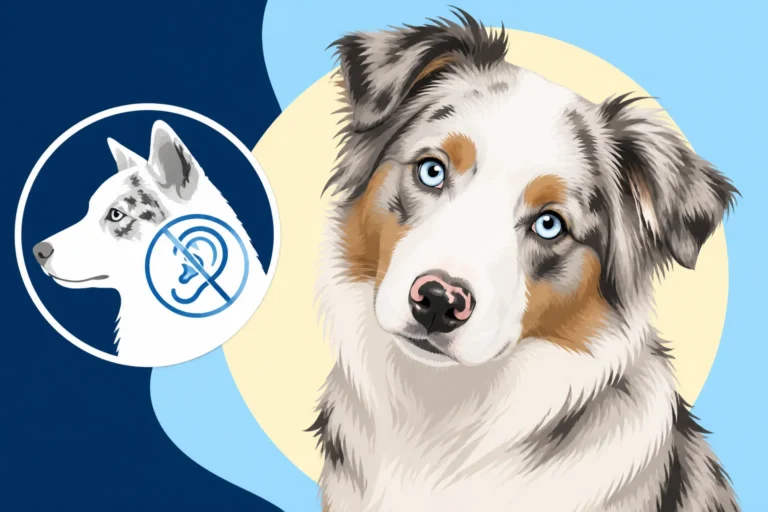
This is where the conversation turns serious. When two merle Australian Shepherds (M/m x M/m) are bred together, there's a 25% chance in each litter that a puppy will inherit two copies of the merle gene (M/M). These are what we call "double merles," and they are at a dramatically increased risk for severe health problems, primarily affecting their hearing and vision. The extreme dilution caused by two merle genes often results in deafness, which can be unilateral (one ear) or bilateral (both ears), and various eye defects, ranging from Microphthalmia in a Double Merle Australian Shepherd (abnormally small or undeveloped eyes) to severe vision impairment or complete blindness. Other issues can include abnormal pupils (iris coloboma), retinal detachment, or even structural defects of the eye. This is why you will hear experienced breeders repeatedly emphasize Why Aussie Breeders Never Cross Merle to Merle. The consequences are heartbreaking and entirely preventable. Knowing these risks underscores the importance of a strong partnership with your vet and considering comprehensive pet insurance from providers like Healthy Paws, which can help cover unexpected vet bills associated with these serious conditions.
The Importance of Genetic Testing for the Merle Allele
Given the severe risks associated with double merle puppies, genetic testing for the merle allele isn't just a good idea; it's an ethical imperative for any Australian Shepherd breeder. As mentioned, a dog can be a Cryptic Merle That Fools Aussie Breeders and appear solid-colored while still carrying a merle gene. Without proper DNA testing, such a dog could be unknowingly bred with another merle, leading to a litter of double merle puppies. A simple, non-invasive DNA test, often done with a cheek swab, can accurately identify whether an Australian Shepherd carries the merle gene (M/m), is non-merle (m/m), or, in rare cases, is a double merle (M/M) if its parents were unknown. This information allows breeders to make informed decisions, ensuring they never breed two merles together. For owners who aren't breeding, understanding their dog's merle status can still be valuable for their general health records and for sharing with emergency vets, especially if there's any confusion about their dog's lineage or potential for obscure genetic conditions.
Responsible Breeding and Owning a Merle Australian Shepherd
Bringing a merle Australian Shepherd into your life, whether as a breeder or a loving pet parent, comes with a unique set of responsibilities. It’s about more than just admiring their distinctive coat; it’s about understanding their genetic makeup and ensuring their well-being throughout their lives. This includes making informed breeding choices and providing attentive care.
Ethical Breeding Practices for Merle Dogs
Ethical breeding of Australian Shepherds, especially those with the merle gene, hinges on education and diligent genetic testing. Responsible breeders understand the crucial rule: never breed two merle dogs together. This means that if you have a merle Australian Shepherd (M/m), it should only be bred with a non-merle (m/m) dog. This pairing will still produce merle puppies (approximately 50% M/m and 50% m/m), but completely eliminates the risk of producing double merles (M/M). Before any breeding takes place, both prospective parents should undergo a full The Genetic Panel Every Australian Shepherd Needs, which absolutely must include testing for the merle gene. This ensures that even dogs that appear solid but might be cryptic merles are identified, preventing accidental high-risk pairings. Beyond merle, ethical breeders also screen for other common Aussie health concerns like hip and elbow dysplasia, eye conditions such as Hereditary Cataracts Clouding an Aussie Eye, and The MDR1 Mutation Half of Australian Shepherds Carry. They prioritize health and temperament over specific color patterns, always aiming to improve the breed and ensure healthy, happy puppies.
Living with and Appreciating Your Merle Companion
If you're lucky enough to share your life with a merle Australian Shepherd, you know how special they are. Their stunning coats are a constant source of admiration, but it's important to remember that they are dogs first, with all the needs and quirks that come with the breed. A merle Aussie needs plenty of Australian Shepherd Exercise at One to Two Hours a Day, consistent training, and mental stimulation to thrive. While most single merle (M/m) dogs are perfectly healthy, keeping an eye on their overall health and well-being is always a good idea. Regular vet check-ups, a balanced diet, and appropriate exercise are fundamental. If you've adopted a double merle with special needs, perhaps a deaf or visually impaired dog, your commitment becomes even more profound. These dogs can live full, happy lives with dedicated care, but they require adaptations in training and environment. For instance, Living With a Deaf Australian Shepherd involves using visual cues and vibrations for communication. Regardless of their merle status, every Australian Shepherd deserves a loving home and an owner who understands their unique traits, both genetic and behavioral. Thinking ahead about potential health costs, especially with a breed prone to specific genetic conditions, is smart. Pet insurance, such as plans offered by Healthy Paws, can be an invaluable tool to ensure you're always able to provide the best care for your merle companion, no matter what surprises life throws your way.
Disclaimer
This article is for general informational purposes only and does not constitute professional advice. Laws, prices and regulations vary by location and change over time. Consult a qualified professional for guidance on your specific situation.