What ASHGI Recommends Testing in an Aussie
When you fall in love with an Australian Shepherd, it is easy to get swept up in their striking eyes, endless energy, and sharp intelligence. However, navigating the long list of potential health risks, genetic mutations, and screening recommendations can quickly feel overwhelming. The Australian Shepherd Health & Genetics Institute (ASHGI) offers clear, evidence-based recommendations to help owners and breeders protect this active breed from preventable hereditary conditions.
Understanding ASHGI and Core Genetic Testing Requirements
Bringing a working or companion Aussie into your life means taking on the responsibility of managing a complex genetic heritage. ASHGI serves as an authoritative voice for the breed, researching health trends and establishing clear protocols for screening. Rather than guessing which tests matter, following these guidelines gives you a direct roadmap to safeguard your dog’s long-term wellness.
To build a complete picture of your dog’s health, it helps to understand The Genetic Panel Every Australian Shepherd Needs. Genetic testing evaluates the actual DNA of your dog, showing whether they are clear, a carrier, or affected by specific mutated genes. Unlike physical exams that only show current clinical signs, DNA tests can predict risks long before symptoms ever show up in your living room or out on the trail.
Incorrect ASCII art / table format – must use Markdown pipe table
(Self-Correction: Standard Markdown pipe table only, no ASCII art)
The Essential DNA Panel for Aussies
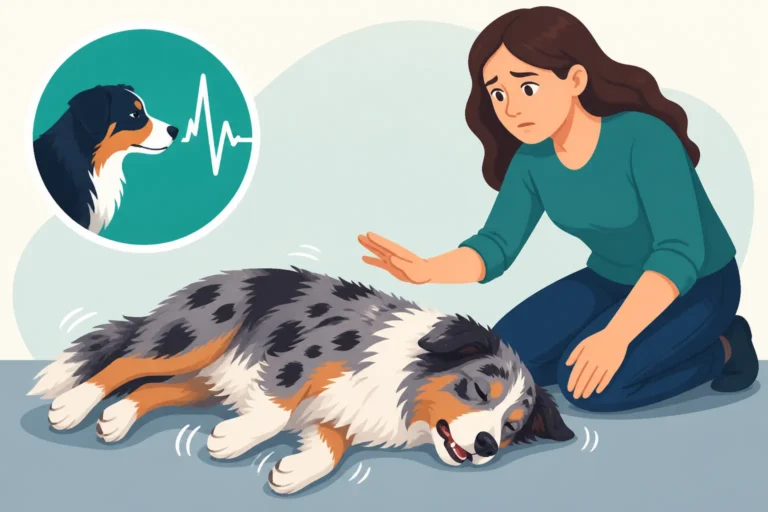
The foundation of ASHGI testing guidelines centers on single-gene mutations that directly impact an Aussie’s day-to-day safety and long-term vision. At the top of this list is multidrug resistance 1. Understanding The MDR1 Mutation Half of Australian Shepherds Carry is critical because dogs with this mutation lack a functional protein required to pump toxic substances out of the brain. A routine drug administered at standard doses can cause severe neurological distress or life-threatening toxicity in an MDR1-affected dog.
Beyond drug sensitivities, eye health forms a massive pillar of genetic screening. Conditions like hereditary cataracts, driven primarily by mutations in the HSF4 gene, can cause progressive clouding of the lens. Early identification allows owners to watch for visual changes and manage environmental lighting. Similarly, testing for Collie Eye Anomaly in an Australian Shepherd helps identify structural defects in the back of the eye that are present from birth. Another crucial marker is Progressive Retinal Atrophy (PRA), which slowly degrades the rod and cone cells in the retina, eventually leading to full blindness.
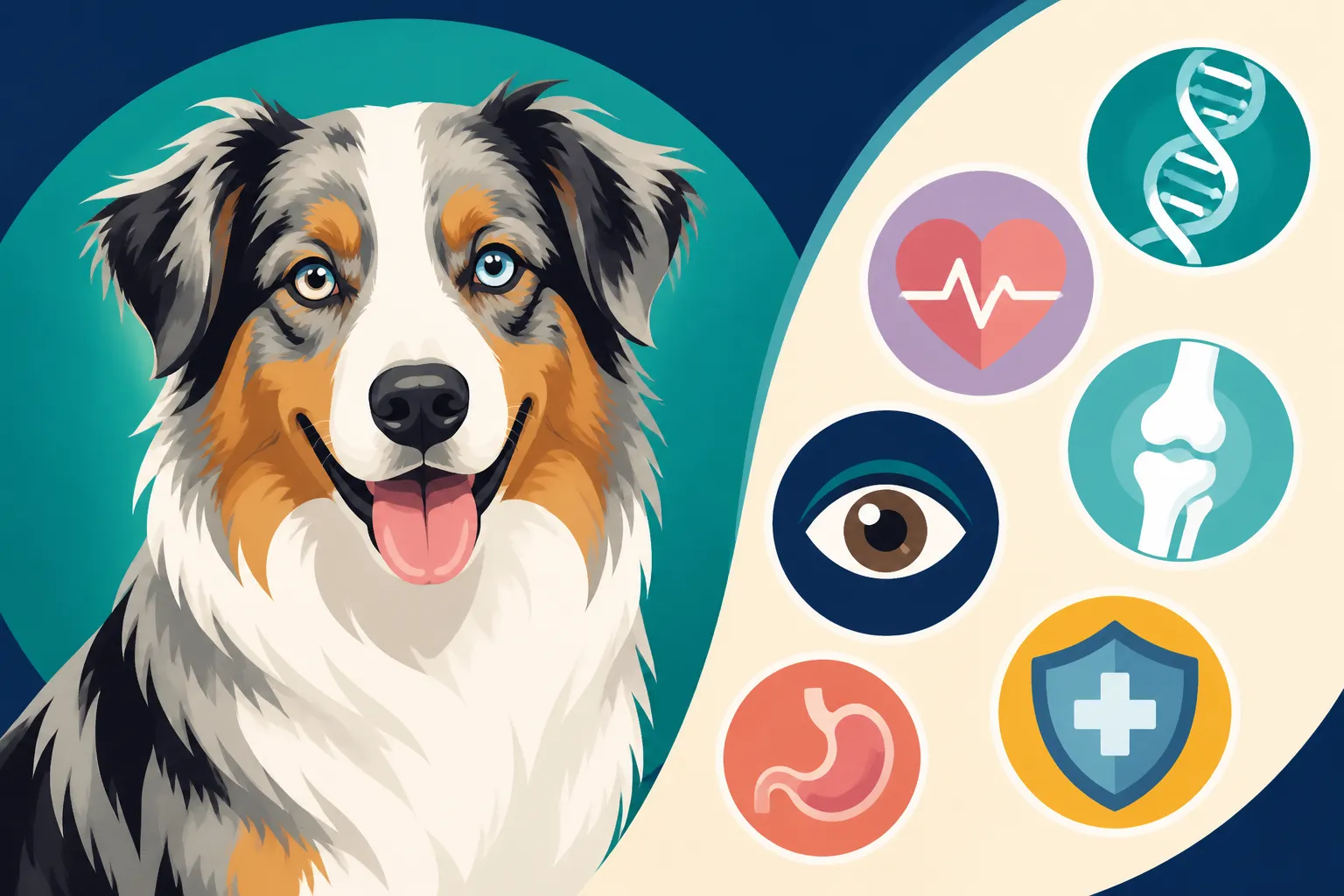
| Test Type | Recommended Screening | Target Health Conditions | Frequency / Timing |
|---|---|---|---|
| — | — | — | — |
| DNA Panel | Cheek Swab or Blood Draw | MDR1, HSF4 (Cataracts), CEA, PRA-prcd | Once in lifetime (puppyhood) |
| Orthopedic Radiographs | OFA or PennHIP X-Rays | Hip Dysplasia, Elbow Dysplasia | At 24 months for official rating |
| Ophthalmic Exam | ACVO / CAER Clinical Exam | Iris Coloboma, Cataracts, Persistent Pupillary Membranes | Annually throughout life |
| Autoimmune Screening | Full Thyroid Panel | Autoimmune Thyroiditis, Hypothyroidism | Every 1 to 2 years starting at age 2 |
How Genetic Screening Protects Your Dog’s Daily Life
When you receive your results, Reading an Australian Shepherd DNA Panel properly ensures you can make informed lifestyle choices for your dog. For instance, knowing your dog carries an MDR1 mutation means you will always double-check safe medication options with your veterinarian before administering flea treatments, sedatives, or antidiarrheal remedies. It turns an unknown medical risk into a well-managed daily routine.
For breeders, genetic testing prevents the pairing of two carriers, ensuring that devastating conditions like PRA or double-mutated MDR1 are not passed down to the next generation. For companion owners, these tests strip away the mystery of unexplained symptoms. If an adult dog begins bumping into furniture in low light, knowing their PRA status gives your vet an immediate diagnostic direction rather than spending months running unrelated tests.
Structural and Orthopedic Screenings Recommended by ASHGI
While DNA panels capture hidden code inside cells, structural screenings assess the actual bones, joints, and physical anatomy of your Australian Shepherd. Aussies are built for hard turns, quick sprints, and relentless physical work. If their underlying frame carries structural flaws, years of running, playing fetch, or working stock will eventually take a painful toll.
ASHGI strongly advises structural evaluations once an Aussie reaches physical maturity. Because growth plates remain open throughout dynamic puppyhood, official structural scores are reserved for adulthood. Knowing the structural foundation of your dog helps you tailor their exercise intensity, jumping heights in agility, and daily joint support routines.
Hips and Elbows Evaluation
Joint health remains one of the most common concerns for high-energy herding breeds. Understanding Australian Shepherd Hip Dysplasia and Working Joints is crucial because poor socket fit leads to chronic inflammation, cartilage destruction, and early-onset arthritis. ASHGI recommends formal radiographic evaluations through established organizations like the Orthopedic Foundation for Animals (OFA) or PennHIP.
Official hip and elbow evaluations require precise X-rays taken while the dog is heavily sedated or under light anesthesia to ensure accurate positioning.
* OFA Hip Scoring: Rates hips as Excellent, Good, Fair, Borderline, Mild, Moderate, or Severe based on joint tightness and socket depth.
* PennHIP Assessment: Measures passive joint laxity, giving a distraction index that compares your dog against the entire statistical population of Australian Shepherds.
* Elbow Clearances: Evaluates joint congruity to rule out ununited anconeal process, fragmented coronoid process, or osteochondritis dissecans.
If you are buying a puppy, reviewing The Test Results an Aussie Breeder Must Produce gives you peace of mind that both sire and dam possessed healthy joint structure before being paired. Even if you never plan to step into a show ring or work cattle, a dog with clean hip and elbow scores will enjoy a far more comfortable, active lifestyle well into their senior years.
Ophthalmic Examinations and Clinical Eye Care
While DNA testing catches known genetic mutations like HSF4, it cannot detect every structural defect that can develop in an Aussie’s complex eyes. Therefore, ASHGI recommends annual clinical eye exams performed by a board-certified veterinary ophthalmologist under the American College of Veterinary Ophthalmologists (ACVO) guidelines.
During these exams, the ophthalmologist dilates the dog’s pupils to inspect the cornea, iris, lens, retina, and optic nerve. They look specifically for conditions unique to double-coated and merle breeds:
1. Iris Coloboma: A condition where parts of the iris fail to develop fully, causing light sensitivity and visual discomfort.
2. Persistent Pupillary Membranes (PPM): Strands of fetal tissue that failed to reabsorb, sometimes forming bridges across the iris or touching the lens.
3. Distichiasis: Abnormal eyelashes growing from the eyelid glands that rub against the delicate surface of the cornea.
Catching conditions like Hereditary Cataracts Clouding an Aussie Eye early through clinical screening allows for preventative measures, specialized eye drops, or timely surgical evaluation before permanent damage occurs.
Practical Implementation, Insurance Considerations, and Ongoing Health Monitoring
Gathering health clearances is not a one-time chore to check off a list when bringing a puppy home. It represents the start of a lifelong health tracking system. Over the course of twelve to fifteen years, your Aussie’s health requirements will shift from early genetic screening to routine adult wellness checks and senior monitoring.
Organizing these health records properly empowers your veterinary team. When your primary vet has easy access to your dog’s DNA results, hip scores, and annual eye clearances, they can tailor preventative medical plans, select safer anesthetic drugs, and distinguish between normal age-related slowing down and early joint discomfort.
Navigating Vet Visits and Health Screening Records
Every Australian Shepherd owner should maintain a dedicated binder or digital file folder containing their dog’s health clearances. When visiting a new clinic, emergency facility, or holistic specialist, taking these records along saves valuable time and prevents unnecessary diagnostic steps.
Your comprehensive record binder should ideally include:
* Official DNA results showing MDR1, HSF4, CEA, and PRA status.
* OFA or PennHIP hip and elbow evaluation certificates.
* Annual ACVO eye exam forms and baseline bloodwork reports.
* Vaccination logs and microchip registration paperwork.
If your dog tests positive for drug sensitivity, placing clear warning labels on their medical file ensures every vet technician who handles your dog knows which drugs to avoid. Being an empowered advocate for your dog turns complex medical data into a practical safety net.
Protecting Your Investment with Pet Insurance
Because dynamic herding dogs are naturally prone to athletic injuries, sudden joint issues, and complex hereditary conditions, managing medical costs requires forward planning. Pet insurance provides a vital buffer against unexpected financial stress when severe health challenges arise.
When looking for coverage, selecting a provider like Healthy Paws helps manage expensive diagnostic workups, emergency surgeries, or chronic disease management. For instance, if an active Aussie tears a cruciate ligament during an intense game of fetch or develops severe hip pain later in life, having policy protection ensures that financial constraints do not dictate medical care decisions.
When enrolling in a policy through Healthy Paws, timing is critical. Enrolling your Aussie early in puppyhood—before any clinical signs, lameness, or abnormal eye findings appear—ensures that hereditary and congenital conditions remain covered rather than labeled as pre-existing exclusions. Maintaining clean health clearance records from your breeder or rescue organization helps establish a clear timeline of your dog’s good health upon enrollment.
Additionally, managing chronic conditions like epilepsy or thyroiditis requires ongoing diagnostic testing, specialized medication, and regular checkups. Knowing that comprehensive pet insurance through Healthy Paws is active behind the scenes allows you to focus fully on your dog’s recovery and quality of life rather than scanning veterinary receipts with anxiety.
Establishing a routine health management plan based on ASHGI guidelines creates an ideal foundation for your Australian Shepherd. By combining early DNA screening, adult orthopedic testing, annual eye exams, and robust coverage through Healthy Paws, you ensure your high-energy companion stays healthy, active, and by your side for years to come.
Disclaimer
This article is for general informational purposes only and does not constitute professional advice. Laws, prices and regulations vary by location and change over time. Consult a qualified professional for guidance on your specific situation.