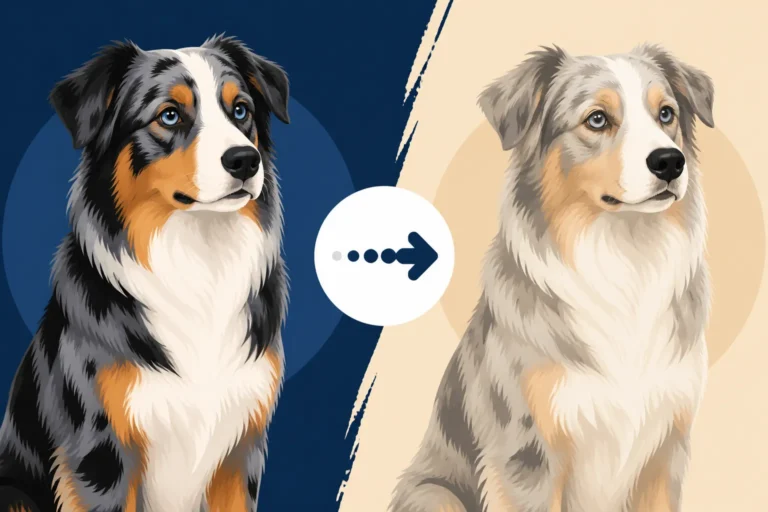
ASCA and the AKC Australian Shepherd Standards
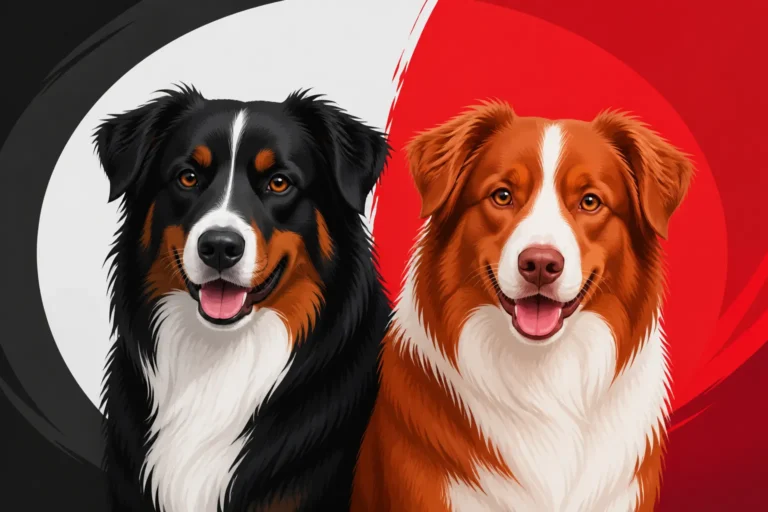
One of the most common questions new Australian Shepherd owners, and even some seasoned ones, grapple with is the difference between the ASCA and AKC breed standards. It can feel like navigating two separate rulebooks for the same beloved dog, leading to confusion about what truly defines a "good" Aussie, whether you're looking for a working partner, a show dog, or simply a cherished family member. This guide will unravel the history, nuances, and practical implications of both the Australian Shepherd Club of America (ASCA) and American Kennel Club (AKC) standards, helping you understand their distinct philosophies and what they mean for the breed today.
The Roots of Australian Shepherd Standards: ASCA Takes the Lead
Before the Australian Shepherd became widely known, it was the working dog of choice for ranchers and farmers across the American West. These were dogs bred for function, for their ability to gather, drive, and protect livestock, often with minimal human intervention. It was out of this practical need that the first formal breed standard emerged, led by the Australian Shepherd Club of America (ASCA).
Why ASCA Came First for the Aussie
ASCA was founded in 1957, decades before the AKC recognized the breed. Its mission was clear: to preserve and promote the Australian Shepherd as a working stock dog. This meant that the standard they developed was inherently tied to performance in the field. Imagine a rancher, day in and day out, observing which dogs excelled at moving cattle or sheep, which ones had the stamina, the intelligence, and the biddability to be invaluable partners. These observations formed the bedrock of ASCA's early ideals. They weren't just looking for a pretty face; they were looking for a dog that could do the job. This foundational commitment to working ability remains a core tenet of ASCA even as the breed's popularity has grown beyond the ranch.
The ASCA Standard's Focus
The ASCA standard is a detailed blueprint, but its overarching theme is functionality. Every physical trait, every aspect of temperament, is evaluated through the lens of how it contributes to the dog's ability to herd. For example, the standard describes the ideal gait not just as aesthetically pleasing, but as enabling "agility and endurance," essential for a dog that might cover miles in a day. The ASCA Australian Shepherd Standard prioritizes intelligence, a strong herding instinct, and a devoted, yet somewhat reserved, nature. It aims for a dog that is keen, alert, and possesses the courage to handle livestock, but without being overly aggressive. Think about a dog calmly moving a stubborn cow, not a dog frantic and reactive. This focus means that a dog might not be "perfect" in every conformational aspect, but if it's an outstanding worker, it would still be highly valued within ASCA circles. It's a standard born from necessity, reflecting the very essence of what made the Australian Shepherd indispensable to its original handlers.
The AKC's Entry and Its Impact
Fast forward several decades, and the Australian Shepherd’s charm, intelligence, and athleticism began to capture the hearts of people beyond the working ranch. As the breed's popularity soared, so did the demand for it to be recognized by the largest purebred dog registry in the United States, the American Kennel Club.
The Journey to AKC Recognition
The path to AKC recognition for the Australian Shepherd was a lengthy and, at times, contentious one. It culminated in 1991 when the breed was officially admitted into the AKC's Herding Group, allowing Aussies to compete in conformation shows, obedience, agility, and other AKC-sanctioned events. This was a huge moment for the breed, bringing it into the mainstream spotlight and making it accessible to a much wider audience. However, not everyone in the Australian Shepherd community was thrilled. Many long-time ASCA breeders and enthusiasts, deeply committed to the breed's working heritage, worried that AKC recognition would shift the focus from function to form. They feared that the emphasis on appearance in the show ring might dilute the very working traits that defined the Australian Shepherd. For a deeper dive into this historical moment, you might want to read The Two Dates That Brought the Aussie Into the AKC and Why Some Aussie Breeders Fought AKC Recognition. These concerns weren't unfounded; it's a debate that many working breeds face when they gain AKC recognition. The question was, could the breed maintain its integrity while gaining broader appeal?
How the AKC Standard Aligns and Diverges
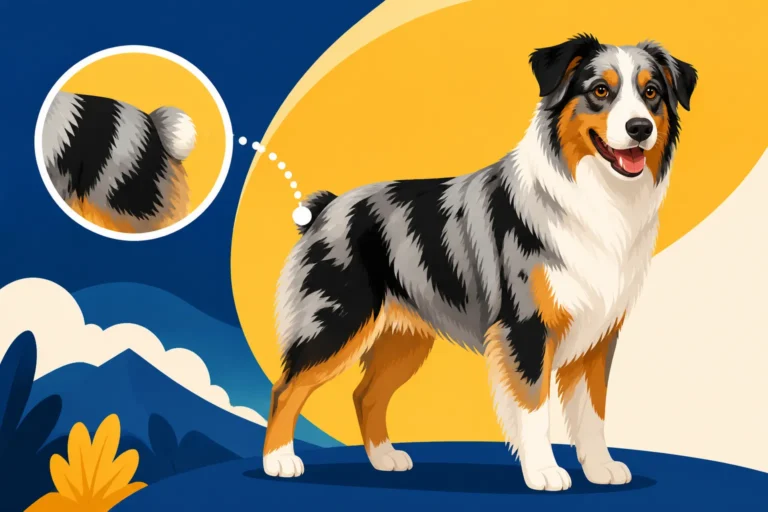
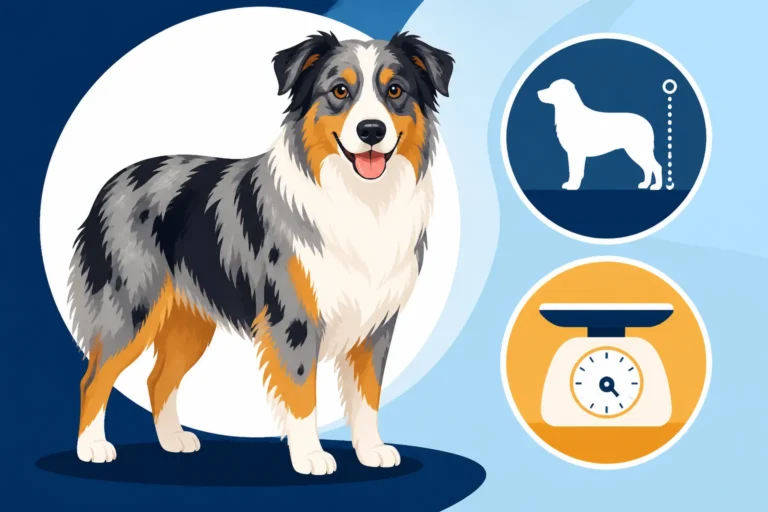
When the AKC developed its standard for the Australian Shepherd, it largely drew upon the established ASCA standard, aiming to describe the ideal specimen. Consequently, many aspects are quite similar. Both standards describe a dog of moderate size and bone, intelligent, versatile, and with a keen, alert expression. The desired Australian Shepherd Height and Weight ranges are comparable, as are the descriptions of the characteristic double coat and the famous The Australian Shepherd Natural Bobtail. However, subtle differences in wording and emphasis exist, often reflecting the AKC's primary focus on conformation and show ring presentation. For instance, while both standards value correct movement, the AKC standard might place a slightly stronger emphasis on the "flow" and "carriage" that judges look for in the show ring, whereas ASCA's language might lean more towards the efficiency of movement in a working context. The AKC also tends to be very precise about acceptable coat colors and markings, including descriptions of Australian Shepherd Eye Colors and Split Eyes, with deviations sometimes leading to disqualifications in the show ring. These seemingly minor differences can have significant impacts on how breeders approach their breeding programs and what traits they prioritize.
Key Differences in the Standards: What Matters to Owners
Understanding the subtle differences between the ASCA and AKC standards goes beyond just historical trivia. For potential owners, it offers valuable insight into the kind of Australian Shepherd they might bring into their home and helps in selecting a breeder who aligns with their personal goals for their dog.
Temperament and Working Drive
This is arguably where the most significant philosophical divergence lies. Both standards describe the Australian Shepherd as intelligent, eager to please, and devoted. However, ASCA's standard puts a pronounced emphasis on the working character – the intense herding instinct, the quick problem-solving ability in a livestock situation, and the stamina to work long days. An ASCA-focused breeder is likely evaluating a dog first and foremost on its ability and drive to work sheep or cattle. For them, a dog that lacks strong herding instinct, even if physically beautiful, would be considered a major fault.
The AKC standard also acknowledges the breed's working heritage and describes a dog that is "intelligent, primarily a working dog of strong herding and guardian instincts." Yet, because AKC conformation shows don't require working ability, the emphasis can subtly shift. While a good AKC breeder will still strive for a dog with sound temperament and some herding instinct, the primary selection pressure in the show ring is often on appearance and gait. This means you might encounter AKC-registered Aussies with varying degrees of herding drive – some with intense desire, others with a more diluted version suitable for active family life without livestock. If you're hoping for a true working partner, digging into the ASCA lines or finding AKC breeders who also actively compete in herding trials is crucial. Learning more about this core trait can be found in Australian Shepherd Temperament and Working Character.
Physical Appearance and Faults
While both standards aim for a balanced, athletic dog, the interpretation of what constitutes a "fault" can sometimes vary. In ASCA, any physical trait that impedes a dog's working ability is a serious fault. This means structural soundness and endurance are paramount. For example, a dog with an overly long back might be less agile for quick turns in the field and thus considered a fault.
The AKC standard, while also emphasizing soundness, operates within the context of a conformation show where presentation and adherence to a written description are paramount. Minor deviations in coat color or pattern that might be overlooked in a working dog could be penalized in the AKC ring. Similarly, while both recognize the natural bobtail, the specific length and appearance might be interpreted slightly differently in judging criteria. It's a nuanced distinction, but it can affect a breeder's choices. Some breeders might find themselves focusing on traits that are visually appealing in the ring, even if they don't directly enhance working performance.
Here's a quick comparison of some key points:
| Feature | ASCA Standard Emphasis | AKC Standard Emphasis |
|---|---|---|
| Primary Goal | Preservation of the Australian Shepherd as a working stock dog. | Preservation of the Australian Shepherd as a versatile purebred, primarily for conformation. |
| Temperament | Strong herding instinct, biddability, devotion to master, reserved with strangers. | Intelligent, working dog of strong herding/guardian instincts, devoted, reserved with strangers. |
| Physical Type | Functionality first; soundness and endurance for work. | Balance, proportion, and aesthetic appeal in the show ring; soundness. |
| Faults | Anything impeding working ability; shyness or excessive aggression. | Deviations from the written standard, including cosmetic flaws; shyness or excessive aggression. |
| Registry Focus | Working titles, performance events (herding, agility, obedience). | Conformation titles, performance events (agility, obedience, rally, herding). |
Breeding Implications and Ethical Considerations
For breeders, the choice of registry and the standard they adhere to deeply influence their breeding philosophy. ASCA breeders often select breeding stock based on proven working ability, health clearances, and temperament. They are typically focused on producing puppies with strong working drives and the physical attributes to perform demanding tasks. This might involve extensive testing of a dog's herding instinct and careful consideration of pedigrees that show generations of working champions. To truly understand a dog's heritage, learning to interpret Reading an Australian Shepherd Pedigree is essential.
AKC breeders also prioritize health and temperament, but for those focused primarily on conformation, the emphasis might shift towards achieving the "perfect" show dog. This means selecting for specific physical traits like coat quality, head type, and movement that excel in the show ring. While many AKC breeders also pursue performance titles, the primary driver for some can be the conformation championship.
For potential puppy buyers, this distinction is critical. If you're looking for a serious working dog or a high-drive sport dog, an ASCA-registered puppy or an AKC-registered puppy from proven working lines is probably your best bet. If you want a well-rounded, active family companion with a good temperament and moderate drive, an AKC-registered puppy from a reputable breeder focused on health and temperament would likely be a great fit. Always ask Questions an Aussie Breeder Should Answer to ensure their philosophy aligns with yours. Many dedicated breeders today are dual-registered with both ASCA and AKC, striving to maintain both working ability and conformation. They represent the best of both worlds, ensuring their dogs are both beautiful and capable.
Why Both Standards Still Matter Today
Even with the breed's widespread popularity, both the ASCA and AKC standards continue to play vital roles in shaping the Australian Shepherd. They offer different, yet equally valuable, perspectives on what makes an Aussie truly special.
Choosing a Breeder
For aspiring Aussie owners, understanding these standards is paramount when it comes to choosing a breeder. If your dream is to participate in herding trials, or if you live on a farm and need a working partner, seeking out breeders who are deeply involved in ASCA events or AKC herding trials is crucial. These breeders will typically prioritize working ability and temperament above all else, ensuring their puppies have the inherent drive and intelligence for the job. You’ll want to inquire about the working titles in their dogs' pedigrees and perhaps even observe their dogs working livestock. This is the distinction between Ranch Bred Against Ring Bred Australian Shepherds. Such breeders often know their lines intimately and can match a puppy's drive to your lifestyle.
On the other hand, if you're looking for a beloved family companion or a dog to excel in agility, obedience, or even conformation shows, an AKC-focused breeder might be a better fit. These breeders will typically emphasize health clearances, sound temperament for family life, and adherence to the breed's physical standard. They'll be able to discuss how their dogs perform in various AKC venues and might have puppies with slightly less intense herding drives, making them potentially easier to integrate into a suburban or urban home. Regardless of the standard, a good breeder will always be transparent about their breeding goals and the temperament of their puppies.
Understanding Your Aussie's Heritage
Even if you never plan to compete or work livestock, knowing about both ASCA and AKC standards enriches your understanding of your Australian Shepherd's unique heritage. It helps you appreciate why your Aussie might try to "herd" your children, the vacuum cleaner, or even the family cat. That strong instinct, so carefully preserved by ASCA, is part of their DNA. It explains their incredible intelligence, their boundless energy, and their fierce loyalty. Many of the traits we love about Aussies – their quick wit, their stunning appearance, their athletic prowess – are a direct result of breeders striving to meet the ideals set forth by these standards over generations.
Think of it like this: your Australian Shepherd, whether from ASCA or AKC lines, carries the legacy of those original working dogs. Understanding the standards helps you celebrate that history and embrace your dog for all its incredible capabilities and endearing quirks. It also helps you understand the breed's needs, such as the importance of mental stimulation alongside physical exercise, and why they thrive when given a "job," even if that job is just learning complex tricks or playing with puzzle toys bought from places like Chewy.
| Feature | ASCA Focus (Working Lines) | AKC Focus (Show/Performance Lines) | Combined (Dual-Registered) |
|---|---|---|---|
| Primary Goal | Preserve original working ability & instincts. | Achieve conformation ideals and versatile performance. | Balance working ability, conformation, and temperament. |
| Breeding Stock | Proven working titles, health, temperament. | Conformation titles, health, temperament. | Strong emphasis on both working and conformation achievements. |
| Temperament | High drive, intense herding instinct, active problem solver. | Balanced, adaptable, intelligent, typically good family dog. | Combines intelligence and work ethic with adaptability. |
| Physical Traits | Soundness for fieldwork, athleticism, endurance. | Adherence to detailed written standard, aesthetics, sound movement. | Strong physical structure, breed type, and working capability. |
| Ideal Owner | Experienced handler, active lifestyle, potential for working/sports. | Active family, engaged in training, various dog sports, or companion. | Values both heritage and modern versatility. |
| Puppy Drive | Often higher, requires significant mental & physical outlets. | Varies; can be moderate to high, adaptable to different homes. | Generally well-rounded, but still requires engagement. |
Disclaimer
This article is for general informational purposes only and does not constitute professional advice. Laws, prices and regulations vary by location and change over time. Consult a qualified professional for guidance on your specific situation.