Which Hip Score a Working Aussie Breeder Uses
When you’re looking at bringing a new Australian Shepherd into your life, especially from a working line, the sheer volume of health testing information can be truly overwhelming. It’s not just about finding a pretty face; it’s about ensuring a lifetime of soundness, particularly when these dogs are bred for physically demanding tasks like herding or high-level sports. Navigating the various hip scoring systems and understanding what those results actually mean for a working Aussie can feel like learning a whole new language. This guide is here to break down the complexities of hip scores, focusing on what conscientious working Australian Shepherd breeders prioritize to ensure the health and longevity of their dogs.
Understanding the Landscape of Canine Hip Dysplasia Screening
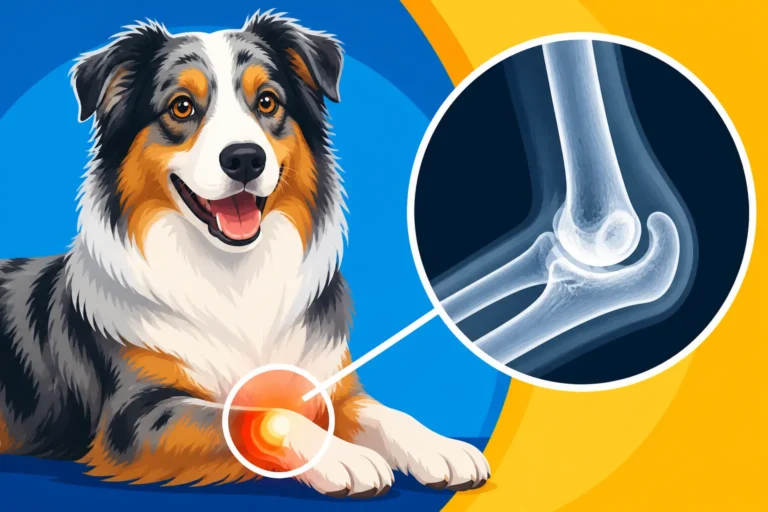
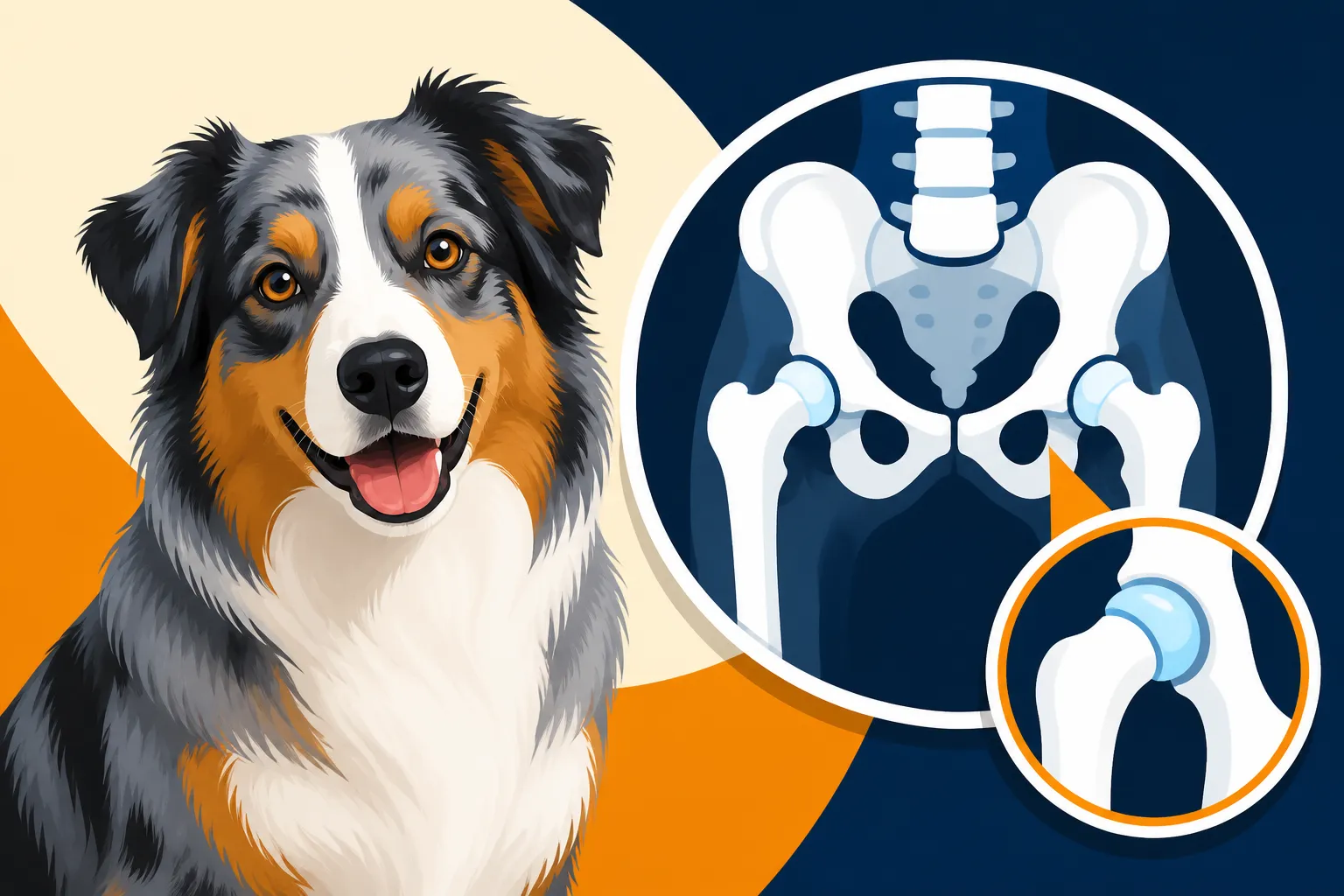
Hip dysplasia is a significant concern in many breeds, including our beloved Australian Shepherds. It's a complex condition influenced by both genetics and environmental factors, where the hip joint doesn't form properly, leading to looseness and eventual degenerative joint disease. For a working Aussie, healthy hips aren't just a comfort; they're an absolute necessity for their career and overall well-being.
The Different Systems: OFA vs. PennHIP
When a breeder talks about hip scores, they're typically referring to results from one of two primary screening organizations: the Orthopedic Foundation for Animals (OFA) or the University of Pennsylvania Hip Improvement Program (PennHIP). Both aim to identify dogs at risk for hip dysplasia, but they go about it in fundamentally different ways.
OFA has been around for decades, providing a long-standing method for evaluating hip and elbow health. To get an official OFA certification, an Australian Shepherd must be at least 24 months old. This age requirement ensures that the joints have fully developed before evaluation. The process involves taking specific X-ray views of the hips, which are then submitted to a panel of three independent, board-certified veterinary radiologists. These radiologists visually inspect the images and assign a subjective grade based on specific criteria like joint congruence, femoral head coverage, and the presence of degenerative changes. The grades range from Excellent, Good, Fair (all considered "passing" for breeding) to Borderline, Mild, Moderate, and Severe (all indicating hip dysplasia). The widespread acceptance and relatively lower cost of OFA testing make it a popular choice for many breeders. You can learn more about reading these grades in our article, "Reading an OFA Hip Grade on an Australian Shepherd".
PennHIP, on the other hand, offers a more quantitative and objective assessment of hip laxity – the degree of looseness in the hip joint – which is a primary indicator of hip dysplasia risk. Unlike OFA, PennHIP can be performed on puppies as young as 16 weeks, though many breeders wait until closer to a year. This earlier testing window allows breeders to make informed decisions much sooner. PennHIP requires three distinct X-ray views: a standard extended view (similar to OFA), a compression view (to assess hip congruence), and a distraction view (to measure hip laxity). The distraction view is the key difference, as it uses a specialized device to gently push the femurs apart, measuring how far the femoral head can be distracted from the acetabulum. This measurement results in a Distraction Index (DI) score, which is a number between 0 and 1. A DI closer to 0 indicates tighter hips and lower risk, while a DI closer to 1 indicates greater laxity and higher risk of developing hip dysplasia. PennHIP also provides an interpretation of the DI relative to other dogs of the same breed.
Why Working Aussie Breeders Care Deeply About Hips
For Australian Shepherds, especially those destined for the demanding life of a working dog, hip health is paramount. Imagine an Aussie on a ranch, running for hours across uneven pastures, making sharp turns, jumping, and stopping on a dime to manage livestock. Or an agility dog, weaving through poles, launching over jumps, and pounding the ground at incredible speeds. These activities place immense stress on their joints.
An Aussie with compromised hips will not only struggle to perform their job effectively but will also face a lifetime of pain, limited mobility, and potentially expensive veterinary care. Breeders of working lines understand that soundness of structure directly correlates to a dog's ability to fulfill its genetic purpose and lead a comfortable, active life. Producing dogs with strong, healthy hips is not just about avoiding future vet bills; it's an ethical responsibility. It directly impacts the dog's quality of life and the owner's experience. Breeders often look at the entire picture, including "Australian Shepherd Hip Dysplasia and Working Joints" to ensure their lines are robust.
The Preferred Hip Scoring System for Working Australian Shepherds
When it comes to working Australian Shepherds, the nuance of hip health becomes even more critical. While both OFA and PennHIP provide valuable information, one system often resonates more deeply with breeders focused on high-performance and longevity.
Why PennHIP Often Gets the Nod for Working Lines
For many working Aussie breeders, PennHIP testing often gets the primary nod. The reason boils down to its objective measurement of hip laxity. As we discussed, hip laxity is the earliest and most accurate predictor of hip dysplasia. PennHIP's Distraction Index (DI) provides a concrete, quantitative number that directly correlates to the risk of a dog developing hip dysplasia later in life. A lower DI means a tighter hip joint, which is precisely what you want in an athletic, high-impact working dog.
Consider an Aussie that needs to make sudden, powerful movements. Hips with excessive laxity are prone to subluxation (partial dislocation) during these actions, leading to micro-traumas that eventually result in degenerative joint disease. PennHIP’s ability to pinpoint this laxity, even in young dogs, means breeders can select breeding stock with inherently tighter hips. This is a significant advantage over OFA's subjective, pass/fail system, which might grade a dog as "Fair" even if it has a higher degree of laxity that could be problematic under heavy work.
Furthermore, the ability to perform PennHIP as early as 16 weeks means breeders can make informed decisions about future breeding candidates much sooner. This streamlines breeding programs and potentially prevents investments in training and development for dogs that might later be found unsuitable due to hip laxity. Some highly dedicated breeders even utilize both systems, but PennHIP often serves as the core, objective measure for hip structural integrity in their lines.
The Role of OFA in Working Line Breeding Programs
Despite PennHIP’s quantitative advantages, OFA still holds a significant and respected place in Australian Shepherd breeding programs, including many working lines. For starters, OFA certification is widely recognized and understood within the broader dog community, making it easier for potential puppy buyers to interpret. Its age requirement of 24 months for final certification ensures that the hips are fully developed, giving a snapshot of the mature joint’s conformation.
Many working breeders still strive for "Excellent" or "Good" OFA scores. An "Excellent" OFA score signifies optimal hip conformation with minimal signs of laxity and well-seated femoral heads. A "Good" score is still considered very sound. These designations are valuable because they represent a consensus among veterinary radiologists that the hips are structurally sound enough for a working life.
However, the subjective nature of OFA grading means that some breeders find it less precise for identifying subtle laxity compared to PennHIP. A dog could receive a "Fair" OFA rating, which is still considered passing for breeding, but might have a Distraction Index that suggests a higher risk of future issues if subjected to intense work. Conversely, some dogs might have DIs that are average for the breed but receive an "Excellent" OFA rating.
For this reason, some working breeders use OFA as a baseline and then complement it with PennHIP. The OFA certification confirms good overall conformation, while PennHIP drills down into the critical laxity measurement. It’s also important for breeders to review the actual OFA radiographs themselves, rather than just relying on the certificate, to get a better understanding of the joint health. This comprehensive approach ensures that they are not missing any vital information that could impact a dog's long-term soundness. Our article on "Australian Shepherd Hip Dysplasia and OFA Scoring" goes into more detail about how these scores are obtained.
Interpreting Hip Scores and Making Breeding Decisions
Understanding the scores from OFA and PennHIP is crucial for any breeder, but especially for those focused on working Australian Shepherds. It’s not just about getting a certificate; it’s about making informed decisions that will impact generations of dogs.
Decoding PennHIP Distraction Index Scores
The PennHIP Distraction Index (DI) is where many working Aussie breeders place significant weight. This numerical score, which ranges from 0 to 1, quantifies hip joint laxity. The lower the DI, the tighter the hip joint, and the less likely the dog is to develop hip dysplasia. Here’s a general guideline for interpreting DIs, though it's always critical to compare an individual dog's score to the breed-specific average provided by PennHIP:
| Distraction Index (DI) Range | Interpretation for Australian Shepherds | Breeding Recommendation |
|---|---|---|
| 0.00 – 0.30 | Extremely tight hips, excellent. | Ideal breeding candidate. |
| 0.31 – 0.50 | Good to excellent hip conformation. | Suitable for breeding, especially if below breed average. |
| 0.51 – 0.70 | Moderate laxity, increased risk for HD. | Should be considered with caution, especially if above breed average. Often not recommended for breeding by working breeders. |
| 0.71 – 1.00 | High laxity, high risk for HD. | Not recommended for breeding. |
For Australian Shepherds, PennHIP publishes a breed-specific average DI. The goal for working breeders is always to breed dogs with DIs tighter than the breed average. By consistently selecting for tighter hips, breeders can gradually improve the hip health of their lines. For instance, if the average DI for Australian Shepherds is 0.45, a working breeder would ideally want to use dogs with DIs of 0.40 or lower. This objective measurement allows for more precise selection than a subjective grade alone. Understanding these numbers helps breeders make strategic choices to mitigate the risk of conditions like "Australian Shepherd Hip Dysplasia Symptoms Before Two".
What an OFA Hip Grade on an Australian Shepherd Means
The OFA grading system, while more subjective, still provides valuable insight into an Australian Shepherd's hip conformation. As mentioned, OFA grades include Excellent, Good, Fair, Borderline, Mild, Moderate, and Severe. For breeding purposes, only dogs with Excellent, Good, or Fair ratings are certified as "clear" of hip dysplasia.
- Excellent: Superior hip conformation. The femoral head sits deeply and snugly into the acetabulum (hip socket). This is the gold standard.
- Good: Well-formed hips with good congruity. The femoral head fits well, but not as tightly as "Excellent." Most working Aussies with sound hips fall into this category.
- Fair: Passable hip conformation. There may be some minor irregularities, such as slightly shallow sockets or a small amount of laxity, but still within the normal range. While technically passing, many working breeders will pause at "Fair" and might only consider breeding such a dog if it has exceptional working ability, combined with stellar health clearances across the board and very strong hip health in its pedigree.
- Borderline: Indeterminate. The radiologist cannot definitively classify the hips as normal or dysplastic. OFA recommends re-x-raying in 6-8 months, but for working breeders, this usually means stepping away from breeding that individual.
- Mild, Moderate, Severe: These indicate varying degrees of hip dysplasia and dogs with these grades should absolutely not be bred.
A working Aussie breeder will typically aim for "Good" or "Excellent" OFA scores. While "Fair" technically passes, the demands on a working dog often lead breeders to seek stronger conformation. It's also critical to remember that hip scores are just one piece of "The Genetic Panel Every Australian Shepherd Needs". Even a dog with phenotypically good hips can carry genes for hip dysplasia, which is why diligent breeders also consider the hip health of the dog's parents, grandparents, and siblings. This holistic approach helps ensure they are breeding for true genetic soundness, not just a clear X-ray.
Beyond the Scores: A Holistic Approach to Hip Health
While hip scores are incredibly important, they represent just one facet of a comprehensive breeding program aimed at producing healthy, sound Australian Shepherds. Responsible working breeders look at the bigger picture, knowing that genetics combine with environment to determine a dog's long-term well-being.
The Importance of Pedigree and Line Research
A single hip score, whether from OFA or PennHIP, provides a snapshot of an individual dog's hips at a particular moment. However, true genetic soundness for conditions like hip dysplasia comes from understanding the health history of an entire line. This is where diligent pedigree and line research becomes indispensable.
Working breeders delve deep into the lineage of their dogs, looking at the hip scores of parents, grandparents, and even great-grandparents. If a dog has "Excellent" hips, but many of its close relatives have had "Fair" or even dysplastic hips, it might indicate that the dog is an outlier and still carries genes for hip dysplasia that could be passed on. Conversely, a dog with "Good" hips from a long line of "Excellent" or "Good" dogs provides a much stronger assurance of genetic soundness.
Breeders also investigate the hip health of siblings from previous litters. Are they all performing well in their respective working or sport homes? Have any developed symptoms of hip dysplasia early in life, even if their parents had good scores? This kind of detailed inquiry helps uncover patterns and risks that a single score can't reveal. Joining breed-specific health databases or working closely with breed clubs can also provide access to a wealth of historical health data. It’s also why reputable breeders are transparent about "The Test Results an Aussie Breeder Must Produce".
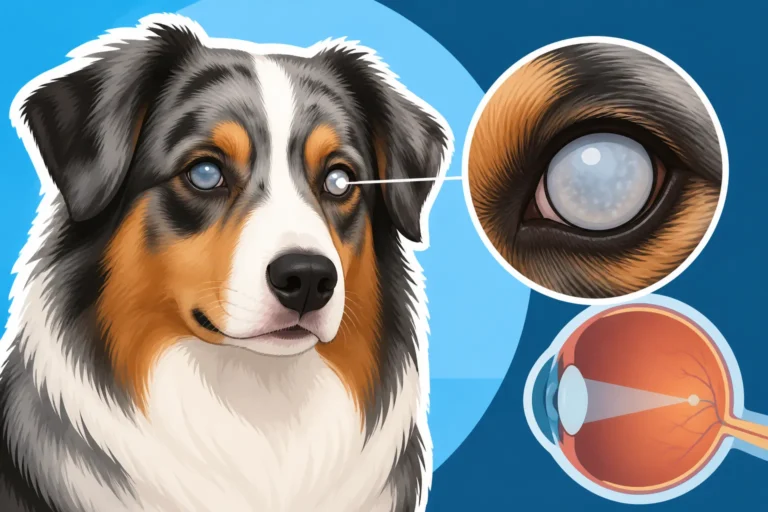
Beyond hip scores, breeders consider the prevalence of other genetic health issues within the line. This includes checking for conditions like elbow dysplasia, eye diseases (such as those discussed in "Hereditary Cataracts Clouding an Aussie Eye"), and other inherited disorders. A truly sound breeding program aims to minimize the risk of all known health issues.
Supporting Hip Health in Working Australian Shepherds
Even with the best genetic predispositions, environmental factors play a significant role in a working Australian Shepherd's hip health throughout its life. Responsible ownership means providing the right care to support those robust joints.
Proper Nutrition: A balanced diet is fundamental. During puppyhood, feeding a high-quality large-breed puppy food helps ensure appropriate growth rates, preventing rapid growth spurts that can exacerbate joint issues. For adult working dogs, a diet formulated for active breeds provides the necessary energy and nutrients without causing excessive weight gain.
Appropriate Exercise: While Australian Shepherds are high-energy dogs, exercise needs to be managed carefully, especially during growth. Over-exercising a young Aussie can stress developing joints. Controlled, appropriate exercise—like walking, swimming, or short play sessions—is better than intense, high-impact activities for puppies. As they mature, a consistent, varied exercise routine that builds muscle strength around the joints is ideal. For an older dog, activities may need to be modified as discussed in "An Aussie Stiff After a Career in Agility".
Weight Management: This cannot be stressed enough: maintaining a healthy weight is absolutely critical for hip health. Every extra pound an Aussie carries puts additional strain on its joints. Obesity dramatically increases the risk and severity of hip dysplasia and other orthopedic problems. Regular body condition scoring and careful portion control are essential. Our guide, "How Weight Multiplies the Load on Aussie Joints", offers more insights into this.
Joint Support Supplementation: For working Australian Shepherds, proactive joint support can be highly beneficial. Many breeders and owners start their working dogs on supplements containing ingredients like glucosamine, chondroitin, and MSM early in life. These supplements aim to support cartilage health and reduce inflammation. Omega-3 fatty acids, like those found in fish oil, also offer anti-inflammatory benefits that can help joint comfort. Always consult with your veterinarian before starting any supplement regimen to ensure it's appropriate for your individual dog. Information on "Starting Joint Support on a Young Working Aussie" can provide a good starting point.
Regular Veterinary Care: Routine veterinary check-ups are important for monitoring overall health, including joint health. Your vet can assess your Aussie's gait, check for any signs of discomfort, and discuss preventative measures. Early detection of any issues can lead to more effective management and better outcomes. Pet insurance providers like Healthy Paws can also offer peace of mind, helping to cover unexpected costs associated with joint issues or other health challenges that may arise throughout an Australian Shepherd's active life.
By combining rigorous genetic selection with dedicated care throughout an Aussie’s life, working breeders and owners can maximize the chances of their dogs enjoying long, active, and comfortable lives.
Disclaimer
This article is for general informational purposes only and does not constitute professional advice. Laws, prices and regulations vary by location and change over time. Consult a qualified professional for guidance on your specific situation.