Bloat Warning Signs in an Australian Shepherd
One of the most terrifying things an Australian Shepherd owner can face is the sudden, rapid onset of bloat, medically known as Gastric Dilatation-Volvulus (GDV). It's a condition that strikes without much warning, turning a perfectly normal dog into a critical emergency in mere hours, and it's a fear many of us with deep-chested breeds live with daily. This guide is here to walk you through the crucial warning signs, what to do if you suspect this life-threatening condition, and how you can work to minimize its risk in your beloved Aussie.
Understanding Gastric Dilatation-Volvulus (GDV) in Australian Shepherds
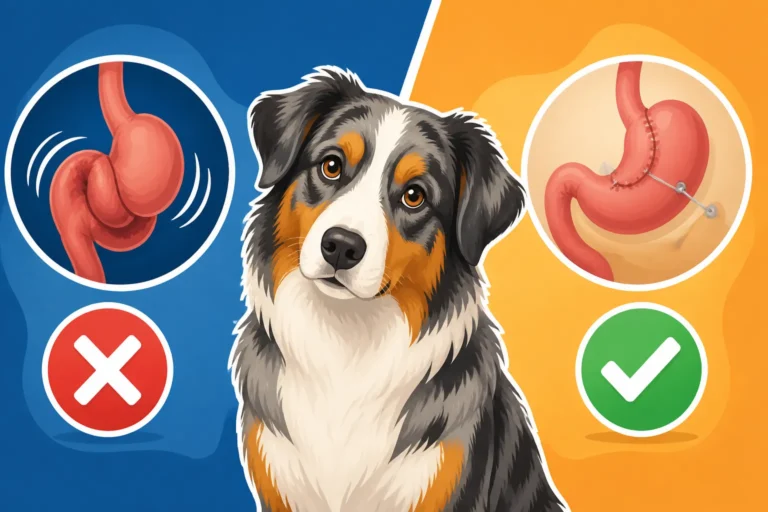
Bloat, or GDV, isn't just an upset stomach; it's a severe medical emergency where your dog's stomach fills with gas and twists on itself. This twisting, known as volvulus, effectively cuts off the stomach's blood supply and blocks both entry and exit points. When this happens, food and gas cannot escape, leading to rapid expansion and excruciating pain. It's truly a race against time, as every minute counts for your dog's survival.
Australian Shepherds, with their characteristic deep chests, are unfortunately among the breeds at a higher risk for GDV. You might recall discussions about Why an Aussie's Deep Chest Raises Bloat Risk within the community, and it's a valid concern. The exact cause isn't fully understood, but it's believed that the anatomy of a deep, narrow chest allows more room for the stomach to shift and twist when it becomes distended. This isn't something you can train out or prevent with sheer willpower; it's a physiological vulnerability we must be aware of as Aussie parents.
The Mechanism of Bloat in Deep-Chested Breeds
Imagine your Aussie’s stomach as a balloon. Normally, it inflates and deflates with digestion. In bloat, it inflates massively, but then, in the case of GDV, it also rotates, pinching off both the esophagus and the small intestine. This means that gas and food are trapped, unable to escape. The expanding stomach puts immense pressure on surrounding organs, including the diaphragm, making it hard for your dog to breathe. It also compresses major blood vessels, leading to shock and potentially heart failure. This rapid deterioration is why GDV is so frightening and why swift action is paramount. It’s not simply an issue of discomfort; it’s a systemic crisis that can shut down vital bodily functions if not addressed immediately.
Why Australian Shepherds are at Risk
While any dog can bloat, genetics and conformation play a significant role. Beyond the deep chest, other factors can increase an Aussie's susceptibility. These include having a first-degree relative who has bloated, eating one large meal a day instead of smaller, more frequent ones, eating too quickly, or engaging in vigorous exercise close to meal times. Even stress or a highly anxious temperament can contribute to risk factors. It’s a complex interplay, and unfortunately, even the most careful owners can find their Aussie succumbing to this condition. This is why vigilance regarding the warning signs is so incredibly important for all Australian Shepherd owners, regardless of their dog's individual lifestyle.
Early Warning Signs to Watch For
Recognizing the subtle, initial signs of bloat can be the difference between life and death for your Australian Shepherd. While GDV progresses rapidly, there are often cues in the beginning stages that, if caught quickly, can give your vet a crucial head start. It's not always obvious, especially with an Aussie who might try to tough things out, but learning to spot these early indicators is critical for every owner.
Restlessness and Agitation
One of the first things you might notice is a change in your Aussie's demeanor. They might become unusually restless, pacing around the house, unable to find a comfortable position. Think about your dog's normal habits; are they usually calm after eating, or do they settle down for a nap? If you observe them constantly shifting, getting up and lying down repeatedly, or looking anxious and uncomfortable, pay close attention.
This isn't just typical "I need to go outside" behavior. This is an intense, internal discomfort that makes them unable to relax. They might whine or groan softly, or simply look at you with wide, worried eyes. They might keep stretching or arching their back as if trying to relieve pressure. These subtle changes in their normal routine and comfort level are often the very first alarm bells that something serious is happening beneath the surface, especially if it occurs shortly after a meal or heavy drinking.
Retching Without Vomit
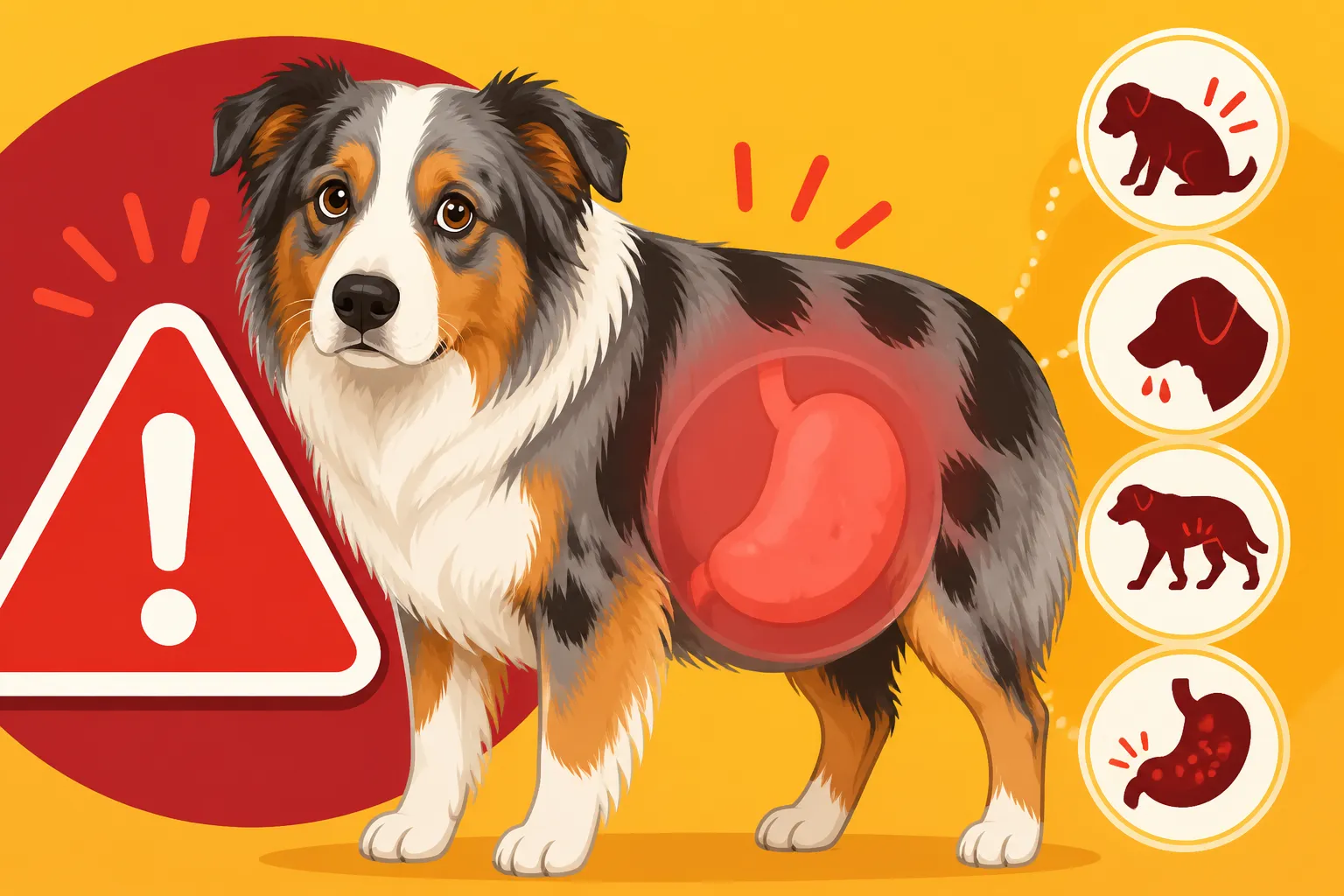
This symptom is arguably one of the most classic and urgent indicators of GDV. Your Aussie will try to vomit, heaving and gagging forcefully, but nothing, or very little, will come up. They might produce some foamy saliva or a small amount of liquid, but no actual stomach contents. This happens because the twisted stomach blocks the exit, preventing the expulsion of its contents. It's a distressing sight, as your dog is clearly in severe discomfort and actively trying to relieve it, but cannot.
The retching can be relentless and exhausting for your dog. They might stand over a water bowl, trying to drink, only to immediately retch again. This isn't like a typical stomach bug where they might vomit a few times and then settle. With bloat, the effort is sustained and unproductive. If you see your Australian Shepherd attempting to vomit repeatedly without success, this is an immediate call-to-action moment, prompting an emergency vet visit.
Distended Abdomen
As the stomach fills with gas, it will start to visibly swell, particularly on your dog's left side, just behind the rib cage. This swelling can be subtle at first, especially on a longer-coated Australian Shepherd, but it progresses quickly. You might notice their flanks looking fuller, or their side feeling taut and drum-like when you gently press it.
To check for this, gently feel both sides of your Aussie's abdomen. Compare the left side to the right. Is one side harder or more expanded than the other? Does it feel unnaturally firm? It’s helpful to know what your dog’s normal belly feels like. For some Aussies, especially those with thicker coats, this can be harder to detect initially. In these cases, focus on other symptoms like restlessness and unproductive retching, as the visible distension might be a later sign. Any noticeable bloating, combined with other symptoms, is a red flag signaling a serious issue.
Pain and Tenderness
Along with the visible swelling, your Aussie will likely exhibit signs of pain and tenderness in their abdomen. They might resist being touched or picked up, even if they're normally affectionate. If you gently press on their belly, they might yelp, flinch, or growl, indicating significant discomfort.
The pain can also manifest as generalized discomfort, making them appear hunched or guarded. They might resist lying down on their side, preferring to stand or sit. Their posture might seem stiff or unnatural. Some dogs might even nip or snap if you try to examine them, not out of aggression, but purely due to the intense pain they are experiencing. This heightened sensitivity is a critical clue that something is profoundly wrong internally.
Other Important Signs
Beyond the main four, there are several other critical signs to be aware of:
- Weakness and Collapse: As bloat progresses and the dog goes into shock, they may become weak, stumble, and even collapse. Their legs might give out, and they may struggle to stand.
- Rapid, Shallow Breathing: The distended stomach presses on the diaphragm, making it difficult for the lungs to fully expand. This can lead to quick, shallow breaths, almost like panting, even when not exerting themselves.
- Pale Gums: Check your Aussie's gums. In a healthy dog, they should be pink and moist. With bloat, as blood flow is compromised and they go into shock, their gums may appear pale, white, or even bluish.
- Increased Heart Rate: Their heart will race as their body tries to compensate for the lack of blood flow and oxygen. You might feel a rapid, weak pulse.
- Lethargy and Depression: While initially restless, as the condition worsens, they may become extremely lethargic, unresponsive, and simply lie down, unwilling to move. This is a sign of severe shock.
It's important to remember that not all these signs may appear, and they can progress quickly. If you see any combination of these, particularly unproductive retching and a distended abdomen, it's time for immediate action.
| Symptom | Description | Urgency Level |
|---|---|---|
| Restlessness / Pacing | Unable to settle, constantly shifting positions, anxious behavior. | High |
| Unproductive Retching | Repeated attempts to vomit with little to no material coming up; often foamy saliva. | CRITICAL |
| Distended Abdomen | Visible swelling of the belly, especially on the left side; firm, drum-like to the touch. | CRITICAL |
| Pain / Tenderness | Hunched posture, flinching, yelping, or guarding abdomen when touched. | High |
| Weakness / Collapse | Stumbling, inability to stand, general loss of coordination. | CRITICAL |
| Pale Gums | Gums appear white, pale pink, or blue instead of healthy pink. | CRITICAL |
| Rapid, Shallow Breathing | Fast, labored breathing; panting without exertion. | High |
| Increased Heart Rate | Very fast pulse. | High |
| Lethargy / Depression | Unresponsive, unwilling to move, profound weakness. | CRITICAL |
What to Do If You Suspect Bloat
This is the moment no Australian Shepherd owner ever wants to face, but preparing for it mentally can save your dog's life. If you even suspect bloat, based on the warning signs we've discussed, you need to act immediately. There's no "wait and see" when it comes to GDV.
Seek Emergency Veterinary Care Immediately
Do not hesitate. Call your veterinarian or the nearest emergency veterinary clinic while you are on your way. Explain your concerns clearly and mention that you suspect bloat (GDV) in your Australian Shepherd. This allows them to prepare for your arrival, assembling their team and getting necessary equipment ready. Every second counts, and giving them a heads-up can shave precious minutes off treatment time. Remember, this is a true emergency, not something that can wait until morning.
The drive to the vet might be nerve-wracking. Keep your dog as calm and comfortable as possible, but do not try to give them anything to eat or drink. Do not try to induce vomiting, as this can worsen the situation. Your primary goal is to get them to professional medical help as quickly and safely as possible. If you have pet insurance like Healthy Paws, having your policy details handy might be helpful, but securing your dog’s health is the absolute top priority above any administrative tasks.
Do Not Attempt Home Remedies
I know how tempting it can be to search online for quick fixes or ways to "de-gas" your dog at home when panic sets in. However, for true GDV, home remedies are not only ineffective but can waste critical time that your dog doesn't have. Trying to give antacids, gas-relief medications, or anything by mouth can be dangerous if your dog's esophagus is already compromised or if they are in severe distress.
Bloat requires immediate surgical intervention to untwist the stomach and prevent further damage. The longer you wait, the more likely the stomach tissue will die, leading to a much more complicated and less successful outcome. Trust your instincts and the expertise of veterinary professionals. Their experience and equipment are what your Aussie needs, not a home solution.
Prepare for Potential Surgery and Costs
When you arrive at the emergency clinic, be prepared for a rapid assessment, diagnostics (like X-rays to confirm GDV), and likely immediate surgery. The vet will explain the procedure, risks, and prognosis. This is a life-saving surgery, and it can be quite expensive, often running into thousands of dollars. Having an emergency fund or pet insurance, such as through providers like Healthy Paws, can certainly alleviate some of the financial stress during such a critical time. Even if you don't have insurance, discussing payment options, like payment plans or CareCredit, with the clinic staff is important, but again, your dog's immediate care comes first.
The recovery from bloat surgery can also be intensive, involving hospitalization, pain management, and careful monitoring for complications. It’s a challenging time for both you and your Aussie, but with prompt intervention, many dogs do make a full recovery and go on to live long, happy lives. This is a situation where early detection truly offers the best chance.
Prevention Strategies to Reduce Risk
While we can't eliminate the risk of bloat entirely, especially in breeds like Australian Shepherds, there are proactive steps we can take as responsible owners to significantly reduce the likelihood of this terrifying condition. It's about being mindful of your Aussie's habits and making small adjustments to their daily routine.
Feeding Practices to Consider
How and when your Australian Shepherd eats can play a major role in bloat prevention. Instead of feeding one large meal a day, break their daily ration into two or three smaller meals. This reduces the amount of food and gas in the stomach at any one time.
Consider using a slow feeder bowl, or even scattering their kibble in a designated area, to prevent rapid ingestion. Eating too quickly can cause them to swallow a lot of air along with their food, which contributes to gas buildup. Some studies suggest that elevated food bowls might increase risk in some breeds, while others debate it. Given the conflicting information, it's often safer to feed on the floor, unless your vet specifically recommends an elevated bowl for a different medical reason, such as neck pain or arthritis. Make sure your Aussie has access to fresh water throughout the day, but limit large quantities of water right before or after a meal. This can reduce the chance of the stomach filling too quickly with fluid and expanding.
Managing Exercise Around Meals
It's common for Aussies to have a lot of energy, and we want to keep them active. However, intense exercise too close to meal times is a recognized risk factor for bloat. Try to avoid vigorous activity, such as running, jumping, or intense play, for at least an hour before and two hours after your Australian Shepherd eats.
A leisurely stroll is usually fine, but anything that involves a lot of jostling or impact can potentially contribute to the stomach twisting if it's full. Schedule your dog's major exercise sessions for times when their stomach is relatively empty. This simple adjustment can significantly reduce mechanical stress on the stomach and lessen the chances of it shifting or twisting.
Addressing Stress and Anxiety
Believe it or not, stress and anxiety can also be contributing factors to bloat. Anxious dogs tend to gulp air more often, leading to increased gas in the stomach. If your Aussie is prone to anxiety, whether it's separation anxiety, noise phobia, or general nervousness, addressing these underlying issues can be beneficial for their overall health, including bloat prevention.
This might involve working with a certified professional dog trainer, considering calming supplements, or even discussing medication with your vet if the anxiety is severe. Creating a calm, predictable routine and a safe environment can help reduce stress levels. A relaxed dog is generally a healthier dog, and this extends to their digestive system. These proactive steps can help make sure your Aussie is not only mentally content but also physically safer from potential health issues.
Gastropexy: A Preventive Surgical Option
For Australian Shepherds considered at very high risk for GDV, a preventive surgery called gastropexy might be an option. This procedure involves permanently tacking the stomach to the abdominal wall, preventing it from twisting. While it doesn't prevent the stomach from dilating (filling with gas), it does prevent the life-threatening volvulus (twisting). This means that if a gastropexied dog still bloats, it's typically a less severe, non-surgical emergency, giving you more time to seek veterinary care.
You can often perform a gastropexy at the same time as other routine surgeries, like spaying or neutering. This reduces the number of anesthetic events for your dog. It's a significant decision, and one you should discuss thoroughly with your veterinarian. They can assess your individual Aussie's risk factors, discuss the pros and cons, and determine if this preventive measure is appropriate for your dog. For many owners of high-risk breeds, understanding Whether an Australian Shepherd Needs a Gastropexy and opting for this procedure can provide significant peace of mind.
By understanding the risks, recognizing the signs, and implementing preventive measures, you are taking crucial steps to protect your Australian Shepherd from this very serious condition. Be vigilant, be prepared, and always prioritize immediate veterinary care if bloat is suspected.
Disclaimer
The information provided in this guide is for educational purposes only and is not intended to be a substitute for professional veterinary advice. If your Australian Shepherd shows any signs of illness or distress, please consult your veterinarian immediately.