Australian Shepherd Pannus and Sun Exposure
It’s a heartbreaking moment when you notice something is wrong with your beloved Australian Shepherd’s eyes. While these dogs thrive outdoors, basking in the sun and enjoying active lives, prolonged UV exposure can unfortunately contribute to a serious and often misunderstood eye condition called pannus. This comprehensive guide will walk you through what pannus is, how sun exposure impacts it, and most importantly, how you can protect your Aussie’s precious vision.
Understanding Pannus in Australian Shepherds
When you first notice a change in your Aussie's eye, it can be incredibly worrying. Is it an injury? An infection? What seems like a simple irritation can sometimes be something far more complex, especially for certain breeds like our beloved Australian Shepherds.
What is Pannus?
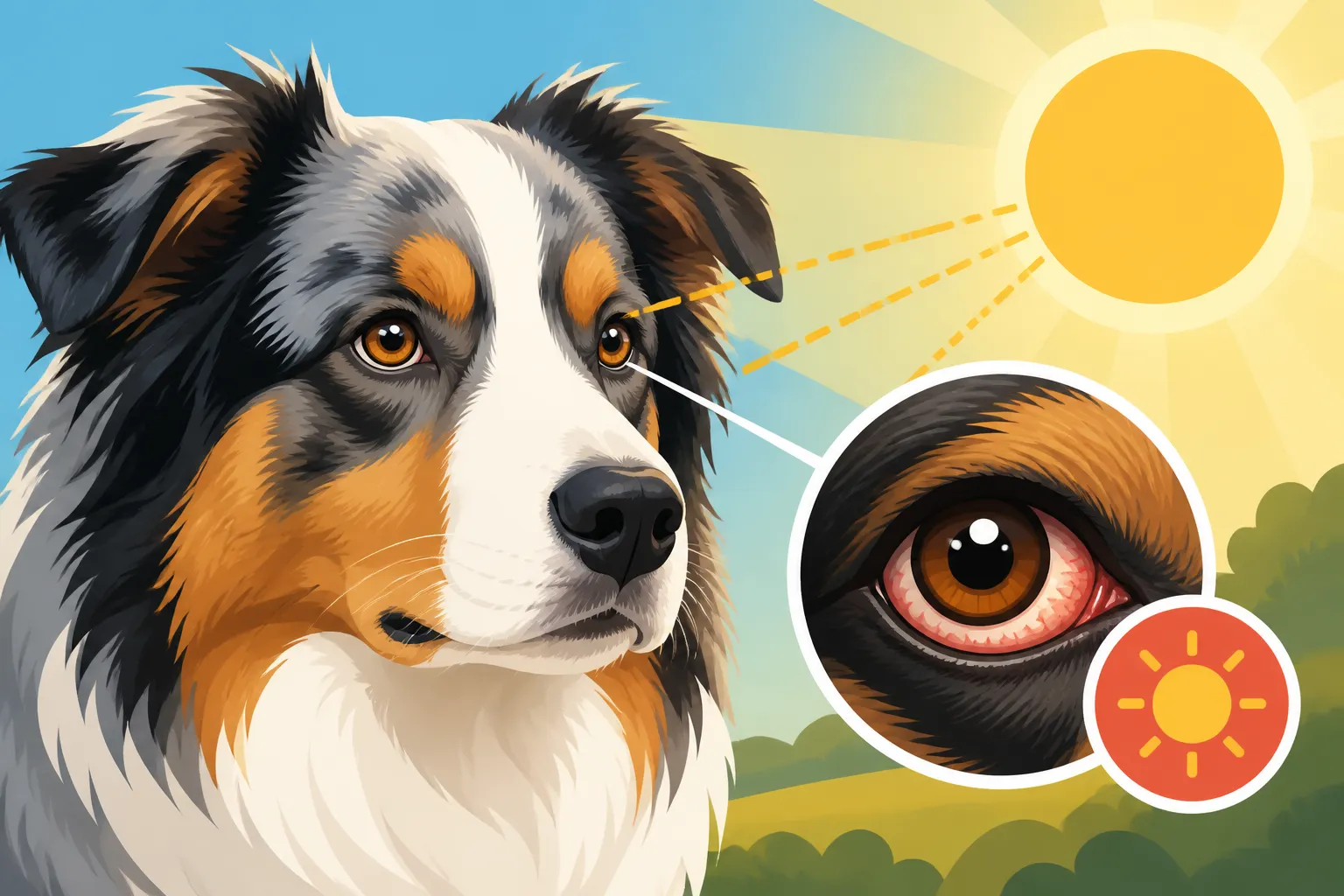
Pannus, medically known as Chronic Superficial Keratitis (CSK), is a chronic, progressive inflammatory condition that primarily affects the cornea of your dog's eye. Imagine a hazy, reddish-pink film starting to creep across the surface of your dog's eye, often beginning at the outer corner closest to the temple and slowly migrating inward. This film isn't just a surface irritation; it's an infiltration of blood vessels and pigmented tissue that can gradually cover the entire cornea, eventually leading to impaired vision or even blindness if left untreated.
It's a scary thing to witness, seeing your dog's eyes change, becoming cloudy or developing these reddish patches. Many owners initially mistake it for an allergy, a scratch, or even just old age, but it's a specific immune-mediated disease. While it’s most commonly associated with German Shepherds, Australian Shepherds are definitely on the list of susceptible breeds, along with Greyhounds and others. The condition typically affects both eyes, though one might appear worse than the other initially, and it usually starts in middle-aged dogs, around 4-7 years old, though it can appear earlier or later.
Genetic Predisposition and Immune Response
The underlying cause of pannus is an autoimmune response, meaning your Aussie's own immune system mistakenly attacks the cells of the cornea. It's like their body's defenses get confused and start targeting healthy eye tissue instead of invaders. This immune-mediated disease is not contagious, nor is it caused by poor hygiene.
There's a strong genetic component to pannus, suggesting that certain Aussies are predisposed to developing it. While the exact genes haven't been pinpointed as clearly as some other conditions, if you have an Aussie, especially one from a line with known pannus cases, they might carry a higher risk. This genetic predisposition means that even with perfect care, some dogs are simply more vulnerable. It’s part of the broader conversation around Australian Shepherd Autoimmune Disease and why knowing your dog's lineage and doing proper health screenings is so vital. This genetic link also highlights why responsible breeding practices are crucial, focusing on the overall health profile of both parents.
The Role of Sun Exposure and UV Radiation
Our Australian Shepherds are built for work and activity, often spending hours outdoors, whether herding, hiking, or just playing fetch in the yard. However, what we might consider a healthy, active lifestyle can, unfortunately, exacerbate or even trigger conditions like pannus. The sun, while providing essential warmth and light, also emits harmful ultraviolet (UV) radiation.
How UV Light Triggers and Worsens Pannus
UV radiation, specifically UVA and UVB rays, acts as a significant environmental trigger for pannus. Think of it this way: for an Aussie already genetically predisposed to the condition, consistent exposure to strong sunlight is like pouring gasoline on a smoldering fire. The UV rays cause damage to the corneal cells, and for a dog with an overzealous immune system, this damage can kickstart or worsen the autoimmune attack.
Imagine your Aussie spending several hours on a bright, sunny day without much shade, perhaps accompanying you on a long hike in the mountains, where UV intensity is even higher. That sustained exposure can be enough to initiate the inflammatory process. Even in everyday scenarios, such as riding in the car with their head out the window (a common Aussie pastime!) on a sunny afternoon, their eyes are directly exposed to these harmful rays. While their thick double coat offers protection for their skin, their eyes remain vulnerable. This is why you'll often see the condition develop or worsen during summer months or in locations with strong year-round sun.
Geographic and Lifestyle Factors
It’s not just the intensity of the sun, but also where your Australian Shepherd lives and what they do that can influence their risk of developing pannus. Dogs living in sunny climates, such as those in the southwestern United States – think Arizona, Southern California, or even parts of Florida – face higher UV exposure year-round compared to dogs in, say, the Pacific Northwest with its often overcast skies. High-altitude regions, like those found in Colorado, are also a significant risk factor because the atmosphere is thinner, offering less natural filtration of UV rays.
Beyond geography, an Aussie's lifestyle plays a huge role. Working Australian Shepherds, often spending their days on ranches, are naturally at higher risk due to prolonged outdoor hours. Similarly, Aussies involved in demanding outdoor sports like agility, flyball, or disc dog competitions, or those who accompany their owners on long trail runs and hikes, are continually exposed to the elements. This relentless exposure, combined with a genetic predisposition, creates a perfect storm for pannus to develop. Even dogs with a more sedentary lifestyle aren't immune if they still spend significant time outdoors without adequate protection, though their risk might be lower than their working counterparts. Managing their exercise needs, such as the Australian Shepherd Exercise at One to Two Hours a Day, must also factor in sun safety.
Diagnosis and Management of Australian Shepherd Pannus
Discovering that your Australian Shepherd might have a chronic eye condition like pannus can be daunting. The good news is that with early detection and consistent management, the condition can often be controlled, allowing your dog to maintain good vision and quality of life.
Early Signs and Veterinary Diagnosis
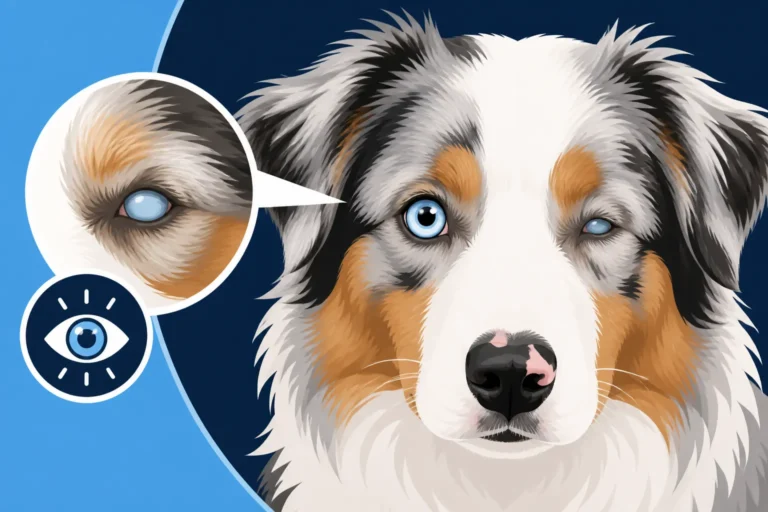
The first step in managing pannus is recognizing the early signs. As an attentive owner, you're usually the first to notice subtle changes. Keep an eye out for any redness on the surface of the eye, particularly starting from the outer corner. You might see new blood vessels growing across the white of the eye onto the cornea, or a grayish-pink opacity developing. In more advanced stages, you might notice dark brown or black pigmentation (melanin) starting to spread across the cornea, which directly obstructs vision. Your Aussie might also show signs of discomfort, such as squinting, rubbing their eyes, or excessive tearing, though many dogs don't show overt pain until the condition is quite advanced.
If you observe any of these symptoms, it’s absolutely crucial to schedule a vet visit immediately. Your regular veterinarian will perform a thorough eye exam, often using an ophthalmoscope to get a good look at the cornea and internal structures of the eye. They might also perform a fluorescein stain test to rule out corneal ulcers, which can present similarly but require different treatment. In many cases, your vet might recommend a referral to a veterinary ophthalmologist – a specialist in animal eye care. These specialists have advanced equipment and expertise to confirm the diagnosis and develop the most effective treatment plan. Early detection truly makes a world of difference in managing this progressive condition.
Treatment Options and Lifelong Management
Once pannus is diagnosed, the primary goal of treatment is to suppress the immune-mediated inflammation and prevent further progression. The cornerstone of treatment for pannus involves immunosuppressive eye drops. Medications like cyclosporine and tacrolimus are typically prescribed. These drops work by modulating your dog's immune response in the eye, preventing it from attacking the corneal tissue. They need to be administered diligently, often twice a day, and it's a commitment that lasts for your dog's entire life.
In cases where the inflammation is severe or during acute flare-ups, your vet or ophthalmologist might also prescribe corticosteroid eye drops, such as prednisolone acetate. These are powerful anti-inflammatory agents that can quickly reduce redness and swelling. However, steroid drops are typically used for a short duration or tapered to a very low dose, as long-term use can carry risks like increased intraocular pressure, which could lead to glaucoma, or can thin the cornea. It's a delicate balance your vet will manage closely.
It’s important to understand that pannus is generally a manageable condition, but rarely curable. This means consistent, lifelong treatment is essential. Missing doses can lead to flare-ups and progression of the disease. Your vet will establish a monitoring schedule, which might involve initial frequent check-ups and then regular follow-ups every few months or annually to assess the effectiveness of treatment and adjust dosages if necessary. For owners, this means budgeting not just for the medication but also for ongoing veterinary visits. This is where having pet insurance like Healthy Paws can truly offer peace of mind, helping to cover the costs of these necessary, long-term treatments, which can add up significantly over your Aussie’s life.
Protecting Your Aussie from Sun-Related Pannus
Given the strong link between UV exposure and pannus, proactive measures to protect your Australian Shepherd's eyes are just as important as medical treatment. It's all about balancing their natural love for the outdoors with smart sun safety.
Limiting UV Exposure
One of the most effective ways to manage and prevent the progression of pannus is by significantly limiting your Aussie's exposure to harmful UV rays. This doesn't mean keeping your dog indoors all day, but rather being strategic about when and how they spend time outside. Aim to avoid peak sun hours, which are typically between 10 AM and 4 PM, especially during summer months or in very sunny regions. During these times, make sure your yard offers ample shaded areas, whether from natural trees, awnings, or dedicated dog houses.
For those active Aussies who still need their intense exercise, consider shifting outdoor activities to early mornings or late afternoons. You can also incorporate more indoor enrichment and mental stimulation to burn off energy when the sun is strong. Puzzle toys, training sessions, or even learning new tricks can be fantastic ways to keep their sharp minds engaged indoors.
Another excellent line of defense is dog-specific eyewear, often called "doggles" or protective goggles. Brands like Rex Specs and Doggles offer designs specifically made for dogs, providing UV protection. While some dogs might resist them initially, many can be trained to tolerate them, especially if introduced positively with treats. These can be incredibly beneficial for Aussies who enjoy car rides with their head out the window, long hikes, or any extended outdoor activity, providing a physical barrier against the sun's harsh rays. This proactive approach can make a huge difference in your Aussie’s eye health, especially when paired with an understanding of The Genetic Panel Every Australian Shepherd Needs, which might flag other predispositions.
Regular Monitoring and Proactive Care
Beyond simply limiting sun exposure, a regimen of regular monitoring and proactive care is essential for any Australian Shepherd, particularly those with a pannus diagnosis or a known predisposition. As their primary caregiver, you are uniquely positioned to spot any subtle changes in their eyes. Make it a habit to check your Aussie's eyes daily – look for any new redness, cloudiness, or pigmentation. You’ll become attuned to what their healthy eyes look like, making deviations easier to spot.
Routine veterinary check-ups are non-negotiable. Even if your Aussie is on medication and their pannus seems well-controlled, regular follow-ups with your vet or a veterinary ophthalmologist are crucial. These appointments allow the vet to assess the progression of the disease, check for any complications, and adjust medication dosages as needed. This ongoing commitment is vital, not just for pannus, but for a host of conditions that can affect an Aussie as they age, fitting into the broader theme of Senior Australian Shepherd Care After Ten.
Remember, managing pannus is a partnership between you and your vet. It's a lifelong journey that requires vigilance and dedication, but with consistent effort and proper protection, your Australian Shepherd can continue to enjoy a full, active life with clear vision. Understanding the potential financial implications of long-term care, like those outlined in Aussie Vet Bills Between $15,000 and $40,000, can help you prepare and consider options like pet insurance.
| Strategy | Description | Why it Helps |
|---|---|---|
| Avoid Peak Sun Hours | Keep your Aussie indoors or in deep shade between 10 AM and 4 PM, especially in summer. | Reduces exposure to the strongest UV radiation, minimizing triggers. |
| Provide Ample Shade | Ensure outdoor areas have shaded spots like trees, awnings, or dog houses. | Offers refuge from direct sunlight during necessary outdoor time. |
| Use Dog-Specific Eyewear | "Doggles" or other protective goggles shield eyes during walks, hikes, or car rides. | Creates a physical barrier against harmful UV rays, crucial for highly active or predisposed dogs. |
| Regular Vet Check-ups | Schedule annual (or more frequent if advised) eye exams with your veterinarian. | Allows for early detection and intervention, preventing advanced progression. |
| Consistent Medication | Administer prescribed eye drops diligently as directed by your vet. | Manages the immune response and inflammation, preventing flare-ups and slowing disease progression. |
Disclaimer
The information provided in this article is for general informational purposes only and is not intended as a substitute for professional veterinary advice. Always consult with a qualified veterinarian or veterinary ophthalmologist regarding any medical condition or treatment for your Australian Shepherd.