Allergy Shots for an Australian Shepherd
It's heartbreaking to watch your beloved Australian Shepherd constantly scratching, chewing at their paws, or dealing with recurring ear infections. You’ve probably tried everything under the sun, from special shampoos to different foods, feeling like you’re constantly battling an invisible enemy that makes your loyal companion miserable. This guide is here to walk you through how allergy shots, also known as immunotherapy, can offer a real, long-term solution by targeting the root cause of your Aussie's persistent allergies.
Understanding Australian Shepherd Allergies
Australian Shepherds are beautiful, intelligent, and energetic dogs, but like many breeds, they can be particularly prone to allergies. It’s not just a minor inconvenience; chronic itching and discomfort can seriously impact their quality of life, leading to skin infections, behavioral changes, and constant frustration for both you and your dog. Knowing what triggers these reactions and how they manifest is the first step toward finding relief.
The Common Culprits Behind Aussie Itch
When your Australian Shepherd starts to show signs of allergies, it’s usually one of two main categories, or sometimes even a combination: environmental allergies and food allergies. Environmental allergies, often called atopic dermatitis, are incredibly common. Think about how pollen affects us during spring or fall; dogs can react similarly. Common environmental allergens include tree, grass, and weed pollens, dust mites that live in our homes, and mold spores. These are almost impossible to completely avoid, which is why they become such a persistent problem. Your Aussie’s beautiful double coat, while fantastic for keeping them warm, can also trap these allergens close to their skin, exacerbating the irritation. Imagine pollen getting caught deep in their fur after a walk, or dust mites settling in their bedding, constantly assaulting their skin.
Food allergies, while less common than environmental ones, can also be a significant issue. These aren't usually a reaction to grain, despite popular belief, but rather to specific protein sources like chicken, beef, dairy, or eggs. It's a true immune response, not just a dietary sensitivity. Figuring out a food allergy means a meticulous process of elimination diets, which can be a real headache to manage when your dog is already uncomfortable. Sometimes, when talking about diet for an allergic Aussie, vets might suggest specific brands that offer novel protein or limited ingredient diets, and services like Ollie can even provide fresh, custom-portioned meals, which some owners find helpful for managing sensitivities.
Recognizing the Signs of Allergic Reaction
It’s easy to dismiss a bit of scratching, but with an Australian Shepherd, allergic reactions often go far beyond a simple itch. You might notice your dog constantly licking or chewing at their paws, often to the point where the fur discolors or the skin becomes red and inflamed. Recurring ear infections are another tell-tale sign, with your Aussie shaking their head, scratching their ears, or developing a foul odor from deep within the ear canal. You might see red bumps, rashes, or areas of thickened, darkened skin, particularly in their armpits, groin, or on their belly.
"Hot spots" – those acutely inflamed, often oozing lesions – can pop up almost overnight due to intense licking and chewing, breaking the skin barrier and inviting bacterial infections. Beyond the skin, some Aussies with allergies can experience gastrointestinal upset, including chronic diarrhea, vomiting, or excessive gas. It’s important to remember that these outward signs are often secondary infections caused by the primary allergic reaction damaging the skin. Identifying these symptoms early and differentiating them from other skin or health issues is crucial for getting your dog the right help. If you've been fighting these battles for what feels like forever, wondering "Australian Shepherd Skin, Coat and Allergy Problems" often means the underlying cause is an allergy.
How Allergy Shots Work for Your Australian Shepherd
The thought of giving your dog a shot might sound daunting, but for many Australian Shepherds suffering from chronic allergies, immunotherapy or "allergy shots" can be a game-changer. Unlike medications that just suppress symptoms, allergy shots aim to actually change your dog's immune system, teaching it to stop overreacting to harmless allergens.
Immunotherapy Explained: Desensitizing the Immune System
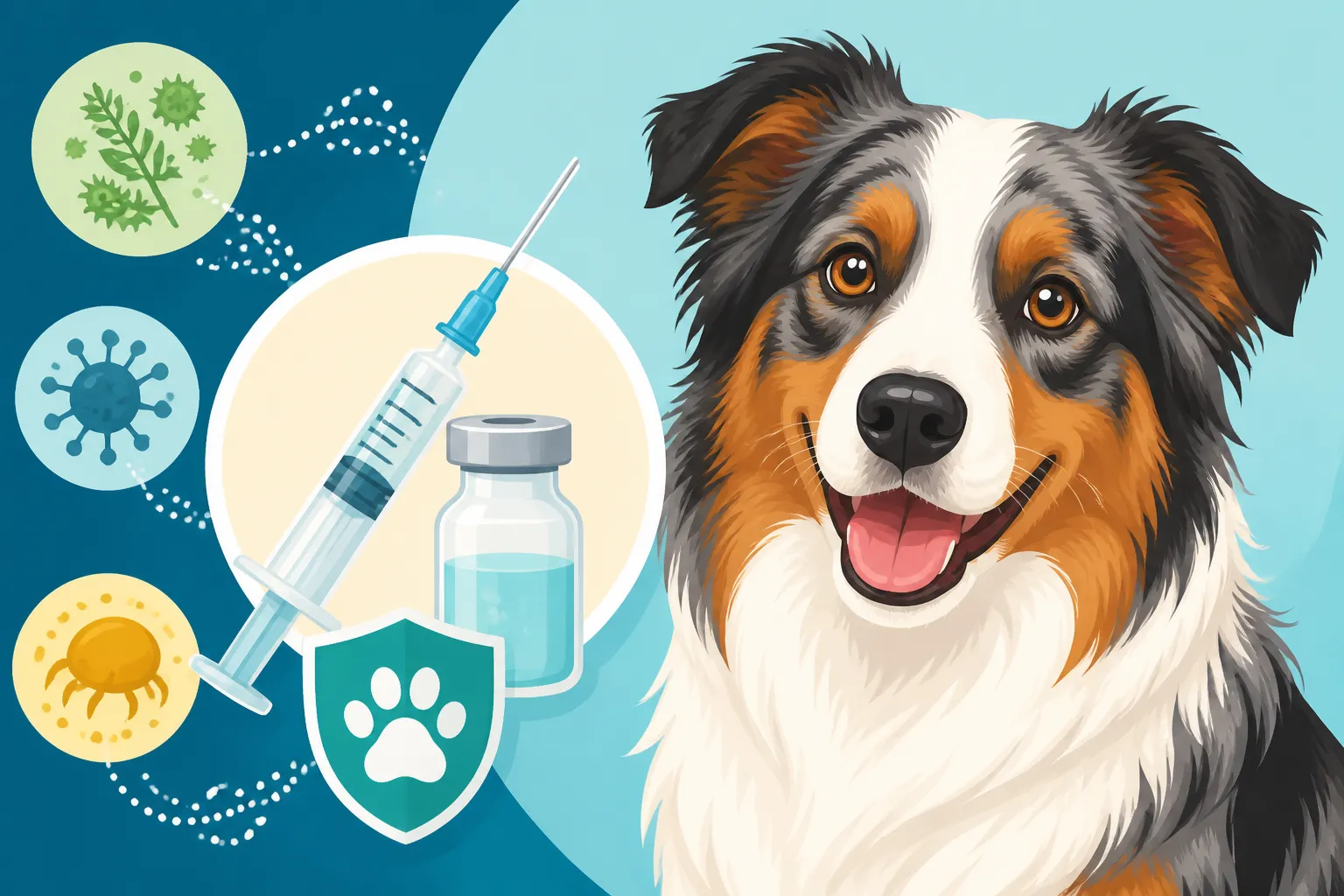
At its core, immunotherapy for dogs works much like it does for humans. Once your veterinarian has identified the specific allergens causing your Aussie's distress, a custom-formulated "allergy vaccine" is created. This vaccine contains tiny, increasing amounts of those very allergens. The idea is to gradually expose your dog's immune system to these substances over time. Instead of reacting with an inflammatory response (the itching, swelling, and discomfort), the immune system slowly learns to tolerate them.
Think of it as retraining your dog's immune system. Initially, you might start with very dilute solutions administered frequently, then gradually increase the concentration and decrease the frequency of the shots. The goal is to desensitize the immune system, reducing the production of IgE antibodies that cause allergic reactions and instead promoting the production of blocking antibodies (like IgG) that prevent the allergic cascade. This isn’t a quick fix; it’s a long-term strategy that requires patience and consistency, but the payoff can be profound, offering lasting relief and a significant reduction in medication reliance.
The Diagnosis Journey: Getting Started with Allergy Testing
Before your Australian Shepherd can start on allergy shots, you need to know exactly what they're allergic to. This crucial step typically involves specialized allergy testing performed by a veterinary dermatologist or your general vet. There are two primary methods:
- Intradermal Skin Testing (IDST): This is considered the "gold standard" for diagnosing environmental allergies. Your dog will typically be mildly sedated, and a small area on their side will be shaved. Then, tiny amounts of various common allergens (like pollens, dust mites, and molds) are injected just under the skin. The vet observes the injection sites for localized reactions – small red bumps or hives – which indicate a positive allergy to that specific substance. This test provides a direct, visible response and is highly accurate.
- Blood Tests (Serologic Allergy Testing): These tests involve taking a blood sample from your Aussie and sending it to a specialized lab. The lab analyzes the blood for circulating IgE antibodies specific to a panel of common environmental and sometimes food allergens. While less sensitive than IDST in some cases, blood tests are less invasive, don't require sedation, and can be a good option for dogs with severe skin disease where skin testing might be difficult.
Your vet will help you decide which testing method is best for your Australian Shepherd, considering their overall health, the severity of their allergies, and any medications they might be taking. This diagnostic step is a critical investment, as it tailors the treatment specifically to your dog's unique allergic profile, ensuring the allergy shots contain the precise allergens they need to be desensitized to. It’s part of a broader "The Genetic Panel Every Australian Shepherd Needs" discussion, ensuring you understand all potential health predispositions.
Types of Allergy Shots and Administration
Once your Australian Shepherd's specific allergens are identified, the exciting part begins: implementing the tailored immunotherapy. There are a few ways to administer these "allergy shots," each with its own advantages and considerations for you and your furry friend. It's not a one-size-fits-all approach, and your vet will work with you to find the best fit.
Subcutaneous Injections SCIT: The Traditional Route
Subcutaneous Immunotherapy (SCIT) is the most common and longest-standing method for administering allergy shots to dogs. This involves giving injections just under your Aussie's skin, typically at home. The initial phase, often called the "induction" or "loading" phase, usually involves a series of more frequent injections, perhaps every other day or a few times a week, gradually increasing the dose. Once your dog reaches a maintenance dose, the frequency might drop to once every one to three weeks.
Your veterinary team will meticulously train you on how to properly administer these injections. They'll show you how to draw up the correct dose, identify the right spot for injection (often a loose flap of skin on the scruff or flank), and ensure your dog is comfortable. It's a simple process, much like giving insulin to a diabetic pet, and most dogs tolerate it very well, especially when paired with a tasty treat. The allergy serum needs to be stored in the refrigerator, and it's essential to keep it cool and handled carefully.
Potential side effects are usually mild and local, like a small lump or tenderness at the injection site. More rarely, an allergic reaction could occur, so your vet will likely have you administer the first few shots at the clinic or have emergency medication on hand. The consistency of these at-home injections is key to success. Many owners find that making it a calm, routine part of their day, perhaps during mealtime or a quiet evening, helps immensely.
Sublingual Immunotherapy SLIT: An Oral Alternative
For owners who are uncomfortable with needles or for dogs who are particularly needle-phobic, Sublingual Immunotherapy (SLIT) offers an excellent alternative. Instead of injections, the allergen solution is administered orally, typically as drops or a spray, directly onto the mucous membranes under your Aussie's tongue. The allergens are absorbed through these membranes, bypassing the digestive system and entering the bloodstream to begin the desensitization process.
SLIT is generally administered more frequently than SCIT, often twice a day, every day. It still follows the same principle of gradually increasing allergen exposure. While it requires more frequent administration, many owners find it easier and less stressful than injections, especially if their Australian Shepherd is already used to taking oral medications. It also carries a lower risk of systemic allergic reactions compared to injections.
Both SCIT and SLIT require long-term commitment. Your vet will discuss which option makes the most sense for your lifestyle and your dog's specific needs, helping you weigh the pros and cons.
Here's a quick comparison of the two main types of allergy shots:
| Feature | Subcutaneous Immunotherapy (SCIT) | Sublingual Immunotherapy (SLIT) |
|---|---|---|
| Administration Method | Injection under the skin | Drops/spray under the tongue |
| Frequency | Initially frequent, then 1-3 weeks | Daily, often twice a day |
| Location | Administered at home (after training) | Administered at home |
| Risk of Reaction | Low, but slightly higher than SLIT | Very low |
| Owner Comfort | Requires comfort with injections | No needles, easier for some owners |
| Storage | Refrigerated | Refrigerated |
Emerging Options and Short-Term Relief
While immunotherapy (SCIT and SLIT) focuses on long-term immune system modulation, it's worth noting there are other injectable medications available that offer excellent short-term or immediate relief for allergic symptoms. These are not allergy shots in the sense of desensitizing the immune system, but they can be incredibly helpful in managing flare-ups or as a bridge until immunotherapy takes effect.
One popular option is Cytopoint, an injectable monoclonal antibody. It works by targeting and neutralizing a specific protein (IL-31) that triggers itching in dogs. A single injection can provide relief for 4-8 weeks, making it a fantastic choice for seasonal allergies or as a way to quickly break the itch-scratch cycle without the side effects often associated with steroids. It's often used when an Aussie is experiencing severe "Hot Spots Hidden in an Aussie Undercoat."
Another common medication is Apoquel (oclacitinib), which is an oral tablet rather than an injection, but it also directly targets the itch pathway. It's highly effective for many dogs and can be used long-term or intermittently. Both Cytopoint and Apoquel offer symptom relief without the broader immune system suppression of corticosteroids, making them safer options for many dogs. They can be prescribed by your vet and often ordered through reputable online pet pharmacies like Chewy, ensuring convenience for busy owners.
These medications can be used in conjunction with allergy shots, especially during the initial phases when your Aussie's immune system is still learning to adapt. They help keep your dog comfortable while the immunotherapy works its magic, ensuring they don't have to suffer needlessly while waiting for the long-term solution to kick in.
Managing Expectations and Long-Term Care
Embarking on the journey of allergy shots for your Australian Shepherd is a significant commitment, and it’s important to go in with realistic expectations. While immunotherapy is highly effective for many dogs, it's not always an instant fix, and it often works best as part of a comprehensive management plan.
The Timeline to Relief and Potential Challenges
One of the hardest parts about allergy shots is the wait. It’s crucial to understand that immunotherapy takes time to work. You won’t see an overnight miracle, and it can be frustrating when your Aussie is still scratching weeks or even months into treatment. Most vets will tell you to expect to see initial improvements within 6-9 months, with full effectiveness potentially taking up to a year or even longer. Your Australian Shepherd's immune system needs time to slowly adjust and build tolerance.
During this waiting period, your vet might recommend continuing with other medications, like Apoquel or Cytopoint, to keep your dog comfortable. This combination approach helps manage acute symptoms while the immunotherapy tackles the underlying cause. There might be plateaus where improvement seems to stall, or occasional flare-ups, especially during peak allergen seasons. This doesn't mean the treatment isn't working; it just means consistency is paramount. Don't get discouraged and stop the shots prematurely. Communication with your veterinary dermatologist is key – they can adjust the formula or schedule if needed. It's a journey, not a sprint, and sticking with it is how you give your Aussie the best chance at a truly itch-free life.
Holistic Management: Beyond Just the Shot
Allergy shots are a powerful tool, but they are often most effective when integrated into a broader, holistic management plan for your Australian Shepherd. Think of the shots as the primary weapon against the allergy, but you also need defensive strategies to support your dog’s overall health and minimize allergen exposure.
Dietary Management: Even if your Aussie primarily suffers from environmental allergies, a high-quality, balanced diet is crucial for overall skin health. Some dogs benefit from novel protein diets or hydrolyzed protein diets if food sensitivities are also suspected. Services like Ollie can provide specially formulated fresh meals that can be a good option for sensitive stomachs or food allergy management, though always consult your vet before making significant dietary changes. A healthy gut microbiome also plays a role in immune function, so probiotics might be a consideration. You can learn more about "Food Allergy Itching in an Australian Shepherd" to fine-tune their diet.
Topical Treatments and Grooming: Regular bathing with medicated or soothing shampoos can help wash allergens off your Aussie's coat and skin, providing immediate relief and preventing secondary infections. Look for shampoos with ingredients like oatmeal, ceramides, or chlorhexidine as recommended by your vet. For localized flare-ups, topical sprays or mousses can be very effective. Since Australian Shepherds have dense double coats, proper grooming is essential. Brushing frequently, especially during shedding seasons, helps remove dead hair and dander that can trap allergens. Many owners rely on pet supply retailers like Chewy for a wide array of specialized shampoos, conditioners, and grooming tools. You can dive deeper into "Australian Shepherd Skin, Coat and Allergy Problems" for more insights on grooming and topical care.
Environmental Control: While you can't eliminate all allergens, you can certainly minimize them in your home. Regular vacuuming (especially with a HEPA filter), washing your dog's bedding frequently, and using air purifiers can help reduce dust mites and pollen indoors. After walks, a quick wipe-down of your Aussie's paws and belly can remove outdoor allergens before they get tracked inside.
Managing Secondary Infections: Because allergies compromise the skin barrier, secondary bacterial or yeast infections are common. Your vet will likely prescribe antibiotics or antifungals to clear these up, as successful allergy management depends on treating both the primary allergy and any secondary infections.
Finally, consider the financial aspect. Allergy treatments, especially immunotherapy, can be an investment. Looking into pet insurance providers like Healthy Paws, which often covers treatments for chronic conditions if enrolled before diagnosis, can help manage these costs over your Australian Shepherd's lifespan. Proactive planning helps alleviate stress and ensures your beloved Aussie gets the consistent care they need.
Disclaimer
This guide is intended for informational purposes only and does not constitute professional veterinary advice. Always consult with a qualified veterinarian or veterinary dermatologist for any health concerns or before making any decisions about your Australian Shepherd's medical care or treatment plan.