Australian Shepherd MRI Cost for Seizures
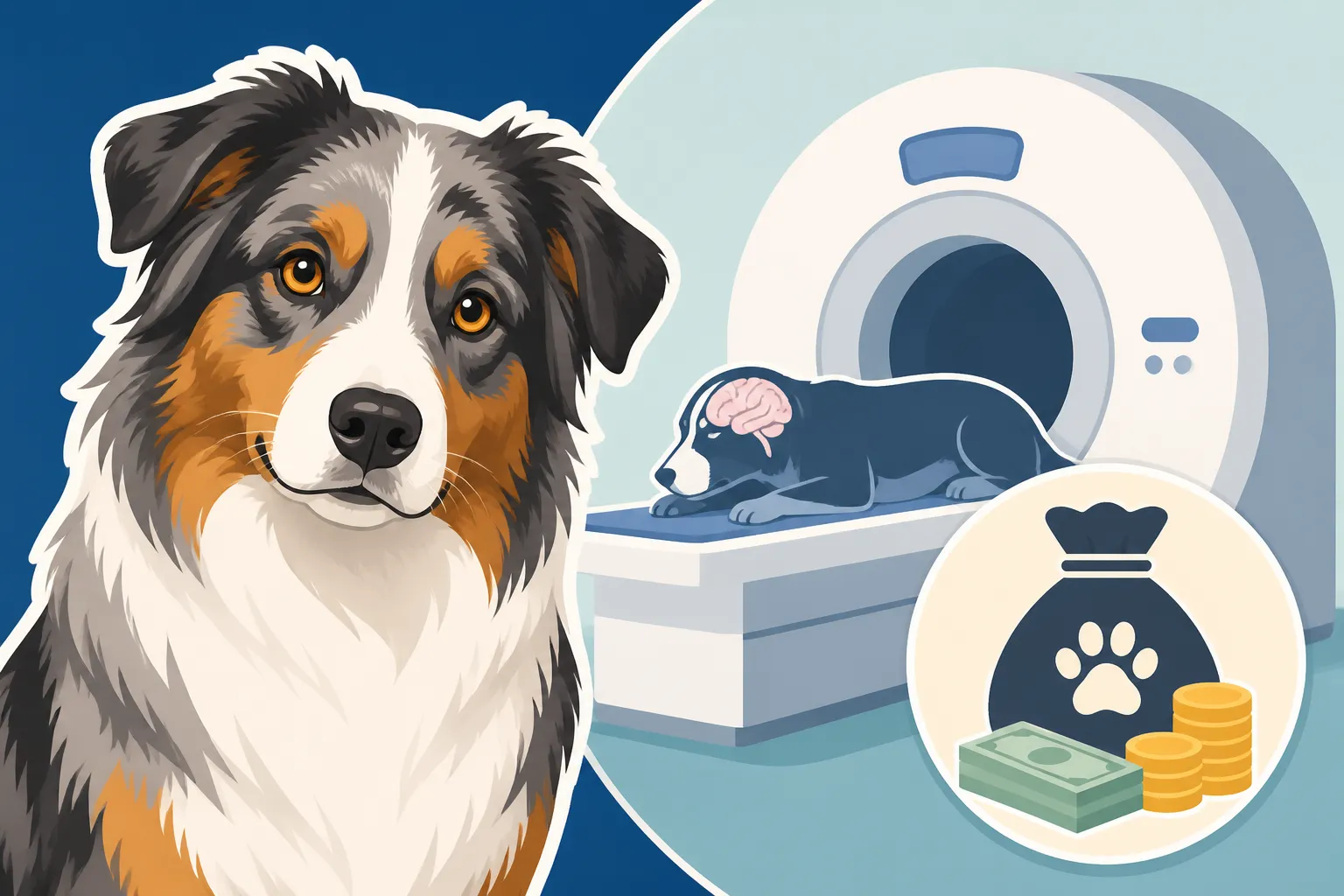
Witnessing your beloved Australian Shepherd have a seizure is one of the most frightening experiences a pet parent can endure. The sheer helplessness, the confusion, and the immediate fear for their well-being are overwhelming. Beyond the emotional toll, a diagnosis of seizures often brings a wave of urgent questions about what's happening, what treatments are available, and, let's be honest, how much it's all going to cost. This guide is here to walk you through the specifics of Australian Shepherd MRI costs for seizures, breaking down what to expect financially and diagnostically.
Understanding Australian Shepherd Seizures and Diagnostics
When your Australian Shepherd experiences a seizure, the first step is usually a trip to the emergency vet or your regular veterinarian. They'll want to rule out immediate, life-threatening causes and stabilize your dog. But once the immediate crisis passes, understanding why the seizures are happening becomes paramount, and this often leads to a discussion about advanced diagnostics like an MRI.
Why an MRI is Often Recommended for Aussie Seizures
Australian Shepherds are unfortunately one of the breeds predisposed to epilepsy, a neurological disorder characterized by recurrent seizures. The tricky part is that seizures can stem from various causes. Sometimes, they're what we call "idiopathic epilepsy," meaning there's no identifiable structural abnormality in the brain. This is often seen when Australian Shepherd Epilepsy Starting Between One and Five years of age. Other times, seizures can be a symptom of a structural problem in the brain, like a tumor, inflammation, a stroke, or even a congenital malformation.
This is where an MRI (Magnetic Resonance Imaging) comes into play. An MRI provides incredibly detailed images of the brain and spinal cord, far beyond what X-rays or even CT scans can offer. For a neurologist, it's the gold standard for peering inside your Aussie's head to identify or rule out structural lesions. If a structural cause is found, the treatment plan might look very different than if it's confirmed as idiopathic epilepsy. Without an MRI, you're essentially guessing, which can lead to inappropriate or delayed treatment. For breeds like Aussies, where we know seizures are a concern, getting a clear picture is vital, especially if the seizures start outside the typical age range for The First Seizure in a Two Year Old Australian Shepherd or if they are particularly severe or atypical.
The Diagnostic Process Leading Up to an MRI
Before jumping straight to an MRI, your vet will likely recommend a series of initial tests. These are crucial for ruling out metabolic or systemic causes of seizures, which can sometimes mimic primary neurological issues.
- Comprehensive Blood Work: This includes a complete blood count (CBC) and a biochemistry panel. The CBC checks for infections, anemia, and other blood-related issues. The biochemistry panel evaluates organ function (kidneys, liver, pancreas), blood sugar levels, electrolytes, and thyroid function. Abnormalities here, such as low blood sugar or severe liver disease, can cause seizures and might be treatable without an MRI.
- Urinalysis: A urine test can provide further insights into kidney function and rule out urinary tract infections or other systemic illnesses.
- Spinal Tap (Cerebrospinal Fluid Analysis): This procedure involves collecting a small sample of cerebrospinal fluid (CSF) from around the brain or spinal cord. The CSF is then analyzed for signs of inflammation, infection, or other abnormalities that might not show up on an MRI, especially in cases of suspected meningitis or certain autoimmune conditions. This is often performed under anesthesia, sometimes concurrently with an MRI.
Each of these steps adds to the overall cost, but they are essential in building a complete picture of your Aussie's health. They help narrow down possibilities, ensuring that an MRI is truly the most appropriate next step, rather than an expensive shot in the dark. It's about being thorough to give your Australian Shepherd the best chance at an accurate diagnosis and effective treatment.
Breaking Down Australian Shepherd MRI Costs
When you're facing a potential MRI for your Australian Shepherd, the numbers can feel dizzying. It's not just the scan itself, but a whole host of associated services that make up the final bill. Let's dig into what you can realistically expect.
The Core Cost of an MRI Scan
The price tag for an MRI scan for your Australian Shepherd can vary significantly depending on where you live, the veterinary facility, and the specific area of the brain or spine being scanned. Generally, you can expect the core MRI scan itself to range anywhere from $2,500 to $5,000+. In major metropolitan areas with highly specialized veterinary hospitals, prices might even push past $6,000 or $7,000. For example, a veterinary specialty center in a city like Los Angeles or New York will likely charge more than a clinic in a more rural setting.
This base cost typically covers the use of the MRI machine, the imaging sequences performed, and the initial review of the images by the radiologist. It's important to ask for an itemized estimate upfront. Sometimes, the cost can be on the lower end if it's a smaller, more focused scan, but when dealing with seizures, a comprehensive brain scan is usually required.
Additional Costs Associated with an MRI
The actual MRI scan is just one piece of the financial puzzle. Several other crucial components contribute to the overall cost.
- Anesthesia: This is a non-negotiable part of the MRI process for animals. Dogs, especially active Australian Shepherds, cannot hold still for the extended period required for a high-quality MRI. They need to be completely immobilized, which means general anesthesia. The cost of anesthesia includes the drugs themselves, the monitoring equipment, and the veterinary staff dedicated to overseeing your dog's vital signs throughout the procedure. This can easily add $500 to $1,500 to your bill, depending on the length of the procedure and any individual risks your Aussie might have.
- Specialist Consultation: An MRI is usually ordered and interpreted by a board-certified veterinary neurologist or radiologist. Their expertise in reading complex images and correlating findings with clinical signs is invaluable. The initial consultation with a specialist can cost $150 to $350, and their interpretation fee for the MRI images is separate, often integrated into the overall scan cost but sometimes itemized.
- Hospitalization and Recovery: Depending on the anesthetic protocol and your Aussie's recovery, they might need to stay at the veterinary hospital for several hours or even overnight for observation. This ensures they wake up safely from anesthesia and allows staff to monitor for any immediate post-procedure complications. Hospitalization fees can range from $100 to $500 per day.
- Pre-Anesthetic Blood Work: Even if your Aussie had recent blood work, the veterinary anesthesiologist might require updated or more extensive panels to assess organ function and clotting abilities before administering anesthesia. This is a vital safety measure.
- Medications: Post-MRI, your Aussie might be sent home with medications depending on the findings or to manage any discomfort. If the MRI confirms Idiopathic Epilepsy in an Australian Shepherd, medication will be a long-term commitment.
These "hidden" costs can sometimes surprise owners, so it's always best to ask for a full, detailed estimate that includes everything from start to finish.
Factors Influencing the Total MRI Bill
Several elements can swing the needle on your total MRI expense. Being aware of these can help you anticipate and plan.
- Emergency vs. Scheduled Procedure: If your Australian Shepherd is experiencing severe, cluster seizures or status epilepticus, and an MRI is deemed an emergency, the costs can be significantly higher. Emergency veterinary hospitals often charge premium rates for after-hours care, immediate specialist availability, and intensive monitoring. A scheduled MRI, while still costly, typically avoids these emergency surcharges.
- Type of Facility: A large veterinary university hospital or a private, multi-specialty referral center will generally have higher overheads and thus higher prices compared to a smaller, private specialty clinic. However, university hospitals often have cutting-edge equipment and a team of specialists who collaborate, which can be invaluable for complex cases.
- Geographical Location: As mentioned, costs are highly regional. Veterinary care in high cost-of-living areas (like large coastal cities in the US) will be more expensive than in rural or less populated regions.
- Complexity of the Case: If the neurological issue is particularly complex, requiring multiple MRI sequences, different contrast agents, or additional diagnostic procedures (like a spinal tap performed at the same time), the cost will increase.
- Contrast Agents: Most MRI scans for neurological issues involve the injection of a contrast agent (like gadolinium) to highlight certain structures or abnormalities, such as tumors or inflammation. This specialized agent adds to the cost, typically a few hundred dollars.
Understanding these variables means you can have a more informed conversation with your vet about the estimated costs and whether there are any options to manage them.
Managing the Financial Burden of an Aussie's Seizure Diagnosis
The sticker shock of an MRI, combined with the emotional stress of your Australian Shepherd having seizures, can feel overwhelming. But there are strategies and resources available to help you navigate this financial challenge.
Pet Insurance and MRI Coverage
Pet insurance can be an absolute lifesaver when unexpected veterinary emergencies like seizures arise. Many pet insurance providers offer coverage for diagnostic tests like MRIs, specialist consultations, and ongoing treatment for conditions like epilepsy. However, there are crucial things to understand:
- Waiting Periods: Most insurance policies have waiting periods before coverage for certain conditions begins. For accidents, it might be a few days; for illnesses, it's often 14 days or longer. Ensure you understand these periods when you enroll.
- Pre-Existing Conditions: This is the biggest hurdle. If your Australian Shepherd has already experienced seizures before you enroll them in an insurance policy, it will almost certainly be considered a pre-existing condition, and future seizure-related diagnostics and treatments will not be covered. This is why getting Australian Shepherd Insurance at $35 to $55 a Month early, ideally as a puppy, is so important. If your Aussie has already had a seizure, you might find that Epilepsy as a Pre-Existing Australian Shepherd Condition means no coverage for this specific issue, but other, unrelated medical problems would still be covered.
- Deductibles and Reimbursement: Policies typically involve a deductible (an amount you pay first each year) and a reimbursement percentage (e.g., 70%, 80%, or 90% of covered costs). So, while pet insurance can significantly reduce your out-of-pocket expenses for an MRI, you'll still be responsible for a portion. Brands like Healthy Paws are popular and known for their comprehensive coverage, so it’s worth researching their plans and understanding their specific terms regarding neurological conditions.
Always read the fine print and talk directly to an insurance representative to clarify what is and isn't covered, especially when it comes to long-term conditions.
Alternative Payment Options and Financial Aid
If pet insurance isn't an option or doesn't cover the full cost, don't despair. Many veterinary facilities understand the financial strain and offer various ways to help.
- Payment Plans: Some veterinary hospitals offer in-house payment plans, allowing you to pay the total cost over several months. It's always worth asking if this is an option.
- Veterinary Credit Cards: CareCredit and Scratchpay are two common third-party credit options specifically designed for veterinary and healthcare expenses. They often offer deferred interest periods, which can be a huge help if you can pay off the balance within that timeframe.
- Emergency Funds: Having a dedicated emergency fund for your pet is always a smart move. Even if it doesn't cover the entire MRI, it can help with a significant portion, reducing the need for high-interest credit.
- Financial Assistance Programs: Several non-profit organizations offer financial aid to pet owners facing significant veterinary bills. Organizations like The Pet Fund, RedRover, and the American Veterinary Medical Foundation (AVMF) often have programs. Your veterinary team might also be aware of local or breed-specific (e.g., Australian Shepherd rescue organizations often have funds) resources.
- Crowdfunding: Platforms like GoFundMe have become popular for raising funds from friends, family, and compassionate strangers to cover unexpected pet medical costs.
Even if you’re managing daily supplies through retailers like Chewy or exploring fresh food options like Ollie, these budget-friendly decisions on routine care can free up resources for emergency situations.
The Long-Term Financial Picture Beyond the MRI
An MRI is often just the first major expense in managing an Australian Shepherd with seizures. If the MRI reveals a structural issue, the treatment path could involve surgery, radiation, or ongoing specialized medications. If it points to idiopathic epilepsy, as is common in Aussies, then the focus shifts to long-term management.
- Anti-Seizure Medication: Once diagnosed with epilepsy, your Aussie will likely need anti-epileptic drugs (AEDs) for the rest of their life. Common medications include phenobarbital, potassium bromide, and levetiracetam. Starting an Australian Shepherd on Phenobarbital means regular prescriptions, and the monthly drug costs for an epileptic Aussie can range from tens to hundreds of dollars, depending on the drug, dosage, and your dog's weight.
- Regular Blood Work: Dogs on certain AEDs, like phenobarbital, require regular blood tests to monitor drug levels and assess liver function. This is critical for liver monitoring on Australian Shepherd seizure drugs to ensure the medication is effective and not causing harmful side effects. These tests can add hundreds of dollars annually to your vet bills.
- Follow-Up Consultations: Regular check-ups with your neurologist or veterinarian are essential to adjust medication, discuss seizure frequency and severity (which is easier if you're diligently Logging Aussie Seizures for the Neurologist), and monitor overall health.
- Quality of Life: Beyond direct medical costs, you might consider expenses for a special diet, supplements, or even home modifications to ensure your Aussie's safety during a seizure.
When considering a budget, it’s not just the immediate emergency but the potential for years of specialized care. A realistic view of Budgeting for an Australian Shepherd With Epilepsy is crucial for ensuring you can provide consistent care for your beloved companion. While an MRI is a significant cost, it provides the essential roadmap for the journey ahead.
| Diagnostic Step | Estimated Cost Range (USD) | Purpose |
|---|---|---|
| Initial Vet Exam & Consultation | $50 – $250 | Rule out immediate causes, general health check |
| Comprehensive Blood Work | $150 – $500 | Check organ function, electrolytes, rule out systemic causes |
| Urinalysis | $40 – $100 | Further assess kidney function, rule out infections |
| Spinal Tap (CSF Analysis) | $1,000 – $2,000 | Analyze cerebrospinal fluid for inflammation/infection (often with MRI) |
| MRI Scan (Brain/Spine) | $2,500 – $5,000+ | Detailed imaging to identify structural abnormalities in the brain/spine |
| Anesthesia for MRI/Spinal Tap | $500 – $1,500 | Essential for keeping the dog still during the procedure |
| Neurologist Consultation | $150 – $350 | Expert assessment, treatment planning, MRI interpretation |
| Hospitalization/Recovery | $100 – $500 per day | Post-anesthesia monitoring and care |
| Anti-Seizure Medications | $30 – $300 per month | Long-term management of epilepsy (post-diagnosis) |
| Ongoing Bloodwork (for meds) | $100 – $300 (every 3-6 mos) | Monitor drug levels and organ health for dogs on long-term medication |
| Total Initial Diagnostic | $4,500 – $10,000+ | Cumulative cost including MRI, anesthesia, and initial tests |
Disclaimer
The information provided in this article is for educational and informational purposes only and does not constitute veterinary medical advice. Always consult with a qualified veterinarian or veterinary specialist for any health concerns or before making any decisions about your pet's medical care. Individual costs can vary significantly based on location, facility, and specific medical needs.