Getting an Aussie Onto a Plane
The thought of flying with your beloved Australian Shepherd can be incredibly daunting. You worry about their comfort, their safety, and whether you're missing some obscure airline rule that could derail your entire trip. It’s a minefield of regulations, crates, and anxious thoughts, but it doesn't have to be an impossible task. This guide is here to walk you through the process of successfully getting your Australian Shepherd onto a plane, covering everything from airline policies to preparing your dog for the journey.
Understanding Airline Pet Policies for Your Aussie
Navigating airline policies for pets, especially a breed like an Australian Shepherd, can feel like trying to solve a puzzle with half the pieces missing. Every airline has its own set of rules, and what works for one might be a complete no-go for another. It’s crucial to do your homework well in advance, because the last thing you want is to be turned away at the airport.
Carrier Requirements and In-Cabin vs. Cargo Considerations
The first big decision you'll face is whether your Aussie can fly in the cabin with you or if they'll need to travel in the cargo hold. For most Australian Shepherds, their size almost immediately dictates cargo travel. Airlines have strict size and weight limits for in-cabin pets, generally requiring the carrier to fit comfortably under the seat in front of you. Since an adult Australian Shepherd typically ranges from 35 to 70 pounds and is a medium-to-large breed, they very rarely meet these requirements.
When it comes to cargo travel, the carrier itself is paramount. It must be an IATA-compliant kennel – sturdy, well-ventilated, large enough for your Aussie to stand up, turn around, and lie down naturally, and equipped with food and water dishes accessible from the outside. You'll need to consider how your chosen Australian Shepherd Crate Size and Cost fits these specifications. Many owners turn to specialized pet travel carriers available from retailers like Chewy, ensuring they meet the stringent airline standards for construction, labeling, and ventilation. Make sure the kennel is clearly labeled with "LIVE ANIMAL" stickers, your contact information, and your Aussie's name. It's not just about meeting the letter of the law; it's about providing the safest, most comfortable environment for your dog during a stressful journey.
Breed-Specific Restrictions and Temperature Embargoes
Beyond size, some airlines have breed-specific restrictions, particularly for brachycephalic (short-nosed) breeds due to respiratory risks. While Australian Shepherds aren't brachycephalic, it’s always wise to double-check the airline's specific banned breed list to ensure there haven't been any unexpected updates. More commonly, you'll encounter temperature embargoes. These are seasonal or daily restrictions on flying animals when ground temperatures at the departure, transit, or arrival airports are too hot or too cold.
These temperature rules are in place for your Aussie's safety, as extreme temperatures can be dangerous, especially in cargo holds. For example, many airlines won't transport pets if temperatures are above a certain degree (often around 85°F or 29°C) or below a certain degree (around 20°F or -7°C) at any point during the journey. This means your summer vacation plans might need to be adjusted to accommodate early morning or late evening flights, or even choosing a different season for travel entirely. Always confirm these restrictions directly with the airline well before booking, and have a backup plan in case unexpected weather changes occur closer to your travel date. It's a frustrating but necessary part of responsible pet ownership, prioritizing their well-being above your convenience.
Preparing Your Australian Shepherd for Air Travel
Once you've wrapped your head around the airline's rules, the next big step is getting your Australian Shepherd ready for the actual experience. This isn't just about packing their favorite toy; it’s about months of preparation to ensure they're as comfortable and safe as possible.
Vet Visits, Health Certificates, and Vaccination Records
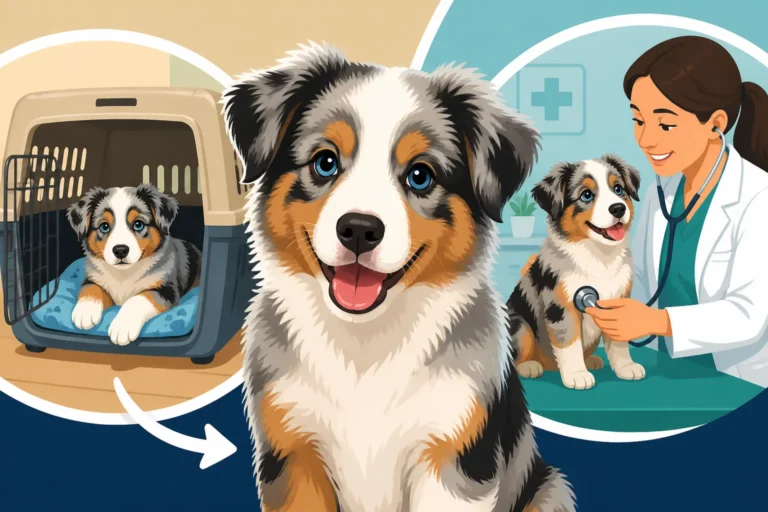
Before any pet can fly, a visit to the veterinarian is non-negotiable. This isn't just a quick check-up; it's a critical step that often requires specific timing. Most airlines demand a health certificate issued by a licensed veterinarian within a short window, usually 10 days, of travel. This certificate confirms your Australian Shepherd is healthy enough to fly and free from contagious diseases.
Your vet will also ensure all vaccinations are current. For international travel, the requirements can be even more stringent, involving specific blood tests, parasite treatments, and longer waiting periods after vaccinations. Make sure to discuss your travel plans, including destination and duration, with your vet well in advance – preferably several months out. This allows ample time for any required vaccinations, microchipping, or paperwork that might have specific waiting periods. It’s also a good opportunity to discuss your Australian Shepherd Vaccination and MDR1 Concerns, especially if your dog has the mutation, as certain sedatives or calming medications might be contraindicated. Keeping detailed records of The Health Tests Every Australian Shepherd Parent Needs is always a good practice, but it becomes vital for air travel. Some owners even consider pet insurance from providers like Healthy Paws to cover any unexpected medical needs that might arise during or after travel, offering peace of mind.
Crate Training for Comfort and Safety in the Cargo Hold
For an Australian Shepherd traveling in cargo, their crate becomes their safe haven for the duration of the flight. Therefore, intensive crate training is perhaps the most important preparation you can do. This isn’t about just getting them used to being in a crate; it’s about making the crate a positive, familiar, and secure space where they feel comfortable spending extended periods.
Start months before your trip. Introduce the crate gradually, feeding meals inside, placing favorite toys, and associating it with positive experiences. Practice leaving them in the crate for increasing durations, simulating the time they might spend in transit. Cover the crate with a light blanket to create a den-like atmosphere, reducing visual stimulation that could cause anxiety. You want your Aussie to enter their crate willingly and relax, rather than seeing it as a punishment. If you have an Aussie that protests being crated, our guide on Crate Training an Aussie That Protests can offer valuable tips. Familiarity reduces stress significantly. Avoid giving sedatives unless specifically recommended by your vet, as they can sometimes interfere with a dog's ability to regulate body temperature and balance at altitude, potentially leading to dangerous situations. Instead, focus on natural calming techniques and making the crate an inviting space.
Booking Your Aussie's Flight and Navigating Logistics
With your Australian Shepherd medically cleared and crate-trained, the logistical puzzle of booking their flight comes into play. This phase requires meticulous attention to detail and a good dose of patience.
Reserving Space and Understanding Fees
Unlike booking a passenger ticket, reserving a spot for your Australian Shepherd on a plane isn't usually something you can do online. You'll almost always need to call the airline directly. Pet cargo space is limited, often with only a few spots available per flight, and it’s usually first-come, first-served. It's wise to book your Aussie's space at the same time you book your own ticket, or immediately afterward, to ensure availability on the same flight.
Be prepared for the costs. Pet cargo fees can be substantial, often calculated based on the combined weight of your dog and their kennel, or a flat rate per flight. These fees are separate from your own ticket and can vary wildly between airlines. They also factor in the size of the kennel. Understanding these costs upfront helps you budget for the entire trip, preventing sticker shock at the last minute. Always get written confirmation of your pet's booking, including flight numbers and specific instructions. This documentation is your lifeline should any confusion arise at the airport. It's a good time to ensure you have all your travel essentials ready, perhaps ordering some robust chew toys or a puzzle feeder from Chewy to keep your Aussie engaged and reduce anxiety during the journey.
Check-in Procedures and Airport Day Tips
Airport day with an Australian Shepherd can be hectic, so plan to arrive much earlier than you normally would for your flight. There are often specific pet check-in counters or procedures, and you'll want ample time to complete everything without rushing. Your Aussie will likely need to be checked in at a designated cargo facility or a special counter, rather than with regular passenger luggage.
On the day of travel, keep their routine as normal as possible. Feed them a light meal a few hours before the flight (if allowed by the airline – some recommend fasting), and provide plenty of water. Give them a good, long walk or play session before heading to the airport to burn off some energy and ensure they’ve had plenty of potty breaks. Line the bottom of their crate with absorbent bedding – a shredded paper pad or a soft blanket they’re familiar with – in case of accidents. Attach a small bag of their regular food to the top of the kennel, along with feeding instructions, in case of delays or an unexpected overnight stay. Avoid dressing them in any restrictive clothing or harnesses inside the crate. While it's tempting to want to calm them, refer back to your vet's advice regarding sedatives and consider other strategies. Remember, the goal is to make the experience as calm and predictable as possible.
After the Flight: Settling Your Aussie In
The flight is over, you're reunited with your Australian Shepherd, and you can both finally breathe a sigh of relief. But the journey isn't quite finished. The post-flight period is just as important for ensuring your Aussie adjusts well to their new surroundings.
Post-Flight Health Check and Decompression
As soon as you collect your Australian Shepherd, do a quick but thorough health check. Look them over for any visible injuries, signs of distress, or unusual behavior. Offer them water immediately, but slowly, to avoid upset stomachs. Some dogs might be disoriented or overly excited after being cooped up, so give them space to decompress.
The first thing your Aussie will need is a potty break. Find a quiet, grassy area away from the hustle and bustle of the airport. Keep them on a leash, even if they're normally reliable, as they might be overwhelmed by the new smells and sounds. Once you get to your destination, give them a quiet space to settle in. Don't immediately introduce them to new people or other pets. Let them sniff around, explore their new environment at their own pace, and re-establish their routine. Watch for any signs of lingering stress, such as excessive panting, pacing, or changes in appetite. If you notice anything concerning, don't hesitate to contact a local vet. Knowing about potential Australian Shepherd Drug Reactions at the Emergency Vet is crucial, even for routine travel.
Managing Anxiety and Routine Adjustments
Even the most well-prepared Australian Shepherd can experience some anxiety after air travel. New environments, strange smells, and the disruption to their routine can all contribute to stress. The best thing you can do is re-establish their normal routine as quickly as possible. This includes regular feeding times, exercise schedules, and sleep patterns. If your Aussie is used to a specific type of food, like Ollie's fresh meals, try to maintain that consistency as much as possible, perhaps by pre-ordering or bringing a supply.
Engage them in familiar activities. Long walks, games of fetch, or a session with puzzle feeders and enrichment gear for an Aussie can help them burn off pent-up energy and refocus their minds. For an Australian Shepherd that cannot switch off, these activities are especially vital for helping them settle down. Be patient and understanding. They might have a few accidents, be more vocal than usual, or seem a bit withdrawn. Offer plenty of positive reinforcement and reassurance. If their anxiety seems severe or prolonged, consider consulting with a local vet or a reputable dog trainer who understands Australian Shepherd behavior. Sometimes, a few days of consistent routine and calm interaction are all they need to feel safe and settled again.
Essential Travel Checklist for Your Australian Shepherd
To help you keep track of everything, here's a handy checklist for flying with your Australian Shepherd. Print it out, tick things off, and make sure you're fully prepared for a smooth journey.
| Category | Item | Notes |
|---|---|---|
| Pre-Travel Planning | Research Airline Pet Policies | Breed restrictions, temperature embargoes, cargo vs. in-cabin rules. |
| Book Pet's Space on Flight | Call airline directly, confirm availability, get written confirmation. | |
| Vet Appointment (4-6 weeks out) | Discuss travel, health certificates, vaccinations, microchip. | |
| Purchase IATA-Compliant Crate | Ensure proper size, ventilation, "LIVE ANIMAL" labels, food/water dishes. | |
| Begin Crate Training | Positive association, increasing durations, cover crate, familiarity. | |
| Vet Visit (10 days out) | Health Certificate | Issued within airline's specified window. |
| Current Vaccination Records | Copies for travel, including rabies. | |
| Discuss Calming Aids/Sedatives | Vet's recommendation ONLY, especially for MDR1 Aussies. | |
| Packing for Aussie | Absorbent Bedding for Crate | Shredded paper, familiar blanket. |
| Bag of Food Attached to Crate | With feeding instructions, in case of delays. | |
| Familiar Toys/Chews | Inside crate for comfort. | |
| Leash, Collar, ID Tags | With current contact info, consider Putting MDR1 on an Australian Shepherd's Collar Tag. | |
| Copies of All Documents | Health certificate, vaccine records, booking confirmation, vet contact. | |
| Airport Day | Early Arrival | Allow ample time for pet check-in procedures. |
| Exercise/Potty Break Before Check-in | Burn off energy, empty bladder/bowel. | |
| Offer Water (unless advised otherwise) | Small sips to stay hydrated. | |
| Check-in at Designated Counter/Facility | Follow airline staff instructions carefully. | |
| Post-Flight | Immediate Health Check | Look for injuries, distress. |
| Offer Water Slowly | Avoid upset stomachs. | |
| Potty Break in Quiet Area | Keep on leash. | |
| Quiet Decompression at Destination | Re-establish routine, avoid immediate introductions. | |
| Monitor for Anxiety/Stress | Consult local vet if concerns persist. |
Traveling with your Australian Shepherd by plane is undeniably a big undertaking, filled with considerations for their health, safety, and comfort. But by taking the time to understand airline regulations, meticulously prepare your dog, and manage the logistics every step of the way, you can ensure a successful and less stressful journey for both of you.
Disclaimer
This article is for general informational purposes only and does not constitute professional advice. Laws, prices and regulations vary by location and change over time. Consult a qualified professional for guidance on your specific situation.