The Cancers Vets See Most in Australian Shepherds
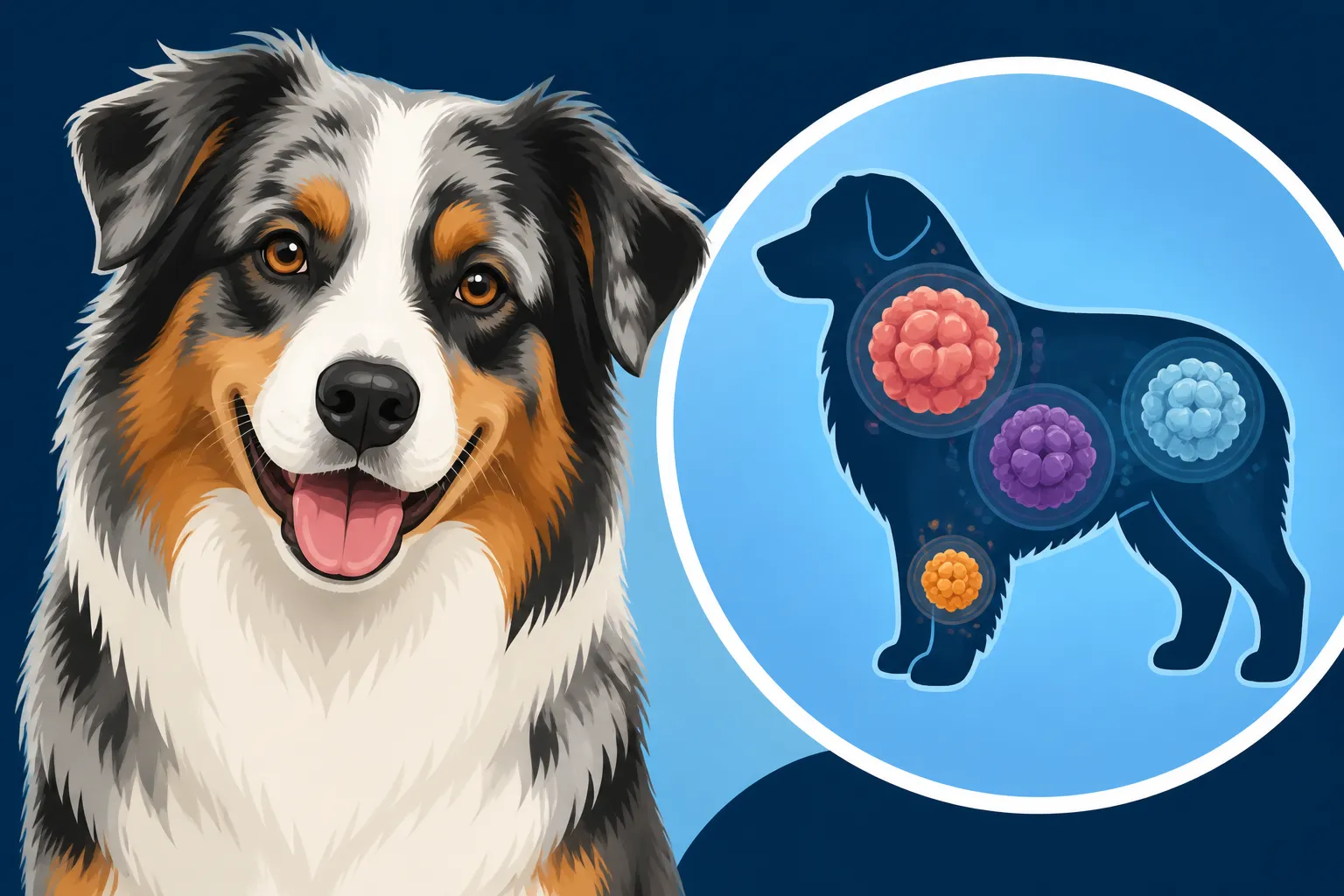
It’s truly devastating when your beloved Australian Shepherd receives a cancer diagnosis. One minute you’re enjoying their boundless energy and unique personality, and the next, you're grappling with a scary and uncertain future. It's a heavy burden, and understanding the types of cancers Aussies are most prone to can help you be a more proactive advocate for their health. This guide will walk you through the most common cancers seen in Australian Shepherds, helping you recognize potential signs and understand what to discuss with your vet.
Hemangiosarcoma: The Silent Killer
Hemangiosarcoma is one of the most aggressive and heartbreaking cancers we see in Australian Shepherds, and unfortunately, it's disproportionately common in the breed. This cancer originates from the cells that line blood vessels, meaning it can appear anywhere in the body, but it most frequently affects the spleen, heart, liver, and skin. What makes it so insidious is its tendency to grow silently, often without noticeable symptoms, until it's quite advanced.
Recognizing the Subtle Signs
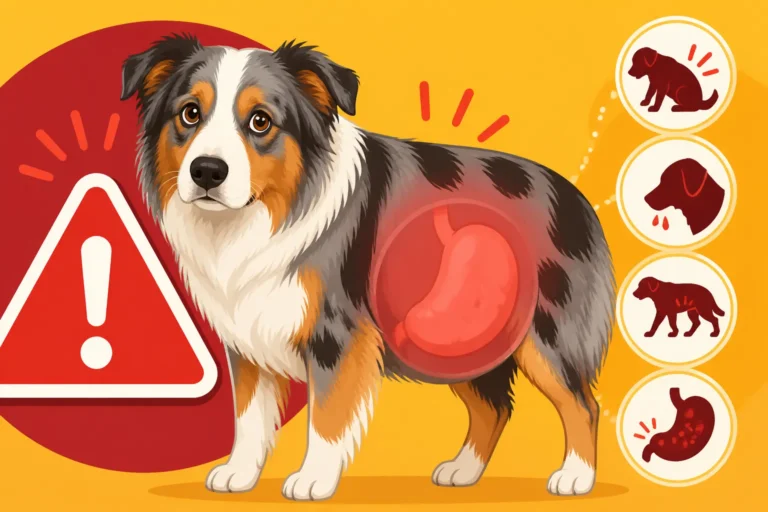
Because hemangiosarcoma thrives in the blood vessel lining, it often forms fragile, blood-filled tumors that can rupture, leading to sudden, severe internal bleeding. This is why many owners don't realize anything is wrong until their Aussie experiences a sudden collapse or becomes acutely ill. You might notice your dog looking pale, especially in their gums, or acting unusually weak and lethargic. They might have a distended abdomen due to internal bleeding, or they might seem to recover only to relapse a few days later as the bleeding stops and restarts. If your Aussie has a sudden drop in energy, struggles to get up, or shows any signs of distress, it's an absolute emergency. Get them to the vet immediately. Early detection of any suspicious lumps or changes is critical, though difficult with this particular cancer.
Diagnosis and Treatment Challenges
When a vet suspects hemangiosarcoma, they'll typically perform imaging tests like X-rays or ultrasounds to look for masses in the spleen, liver, or heart. Blood tests might show anemia if there's significant internal bleeding. A biopsy is usually needed for a definitive diagnosis, though sometimes surgery to remove a suspected tumor is done first, with the biopsy confirming the diagnosis afterward.
Treatment for hemangiosarcoma is notoriously challenging. If the tumor is in a resectable location, like the spleen, surgical removal is often the first step. However, even with successful surgery, the cancer has a high likelihood of having already spread microscopically (metastasized) to other organs. Chemotherapy can be used to try and slow the progression of the disease, but sadly, the prognosis is often grim, with average survival times measured in months, even with aggressive treatment. This is why having a robust pet insurance plan, perhaps from a provider like Healthy Paws, is so important; the diagnostic tests and treatments for such a serious condition can rack up quickly, and you want to be able to make decisions based on your dog's health, not your wallet.
Lymphoma: Attacking the Immune System
Lymphoma is another prevalent cancer in Australian Shepherds that affects the lymphatic system, which is a crucial part of the immune system. This means it can appear in lymph nodes throughout the body, as well as organs like the spleen, liver, and bone marrow. It's essentially a cancer of lymphocytes, a type of white blood cell. Unlike hemangiosarcoma, which often strikes silently, lymphoma often presents with more generalized symptoms that can sometimes be mistaken for other illnesses, making vigilant observation key.
Spotting the Swollen Lymph Nodes
The most common sign of lymphoma is generalized lymphadenopathy, which just means swollen lymph nodes. You might feel lumps under your Aussie's jaw (submandibular), in front of their shoulders (prescapular), or behind their knees (popliteal). These nodes often feel firm and non-painful. However, lymphoma isn't always limited to the nodes. Depending on where the cancer manifests, other symptoms can include unexplained weight loss, decreased appetite, lethargy, vomiting, or diarrhea. If it affects the gastrointestinal tract, your Aussie might experience chronic digestive upset. If it’s in the mediastinum (chest cavity), it can lead to coughing or difficulty breathing. Any persistent swelling or a noticeable change in your dog's energy or appetite should prompt a vet visit.
Diagnostic Steps and Treatment Options
Diagnosing lymphoma usually starts with a physical exam to check for enlarged lymph nodes. If found, your vet will likely recommend a fine needle aspirate (FNA) of the affected nodes. This involves taking a small sample of cells with a needle, which is then examined under a microscope. While an FNA can often strongly suggest lymphoma, a biopsy of the lymph node provides a more definitive diagnosis and can help classify the type of lymphoma, which guides treatment decisions. Further staging tests, like bloodwork, urine analysis, chest X-rays, and abdominal ultrasound, will determine how widespread the cancer is.
The primary treatment for lymphoma in dogs is chemotherapy. While lymphoma is rarely curable, it is often very responsive to chemotherapy, leading to remission and significantly extending a dog's quality of life. Various protocols exist, and your veterinary oncologist will discuss the best options for your Aussie. Many dogs tolerate chemotherapy very well with minimal side effects, especially compared to humans. Knowing that many dog cancers, like lymphoma, have treatment options, even if they're costly, makes considering comprehensive pet insurance from a company like Healthy Paws a smart move, giving you peace of mind that you can afford the best care should your Aussie face such a diagnosis.
Mast Cell Tumors: The Great Mimic
Mast cell tumors are another common canine cancer, and again, Australian Shepherds appear to be at a higher risk. These tumors originate from mast cells, which are part of the immune system and play a role in allergic reactions and inflammation. The tricky thing about mast cell tumors is that they are often called "the great mimic" because they can look like almost anything on or under the skin. They can appear as a small bump, a wart, a fatty lump (lipoma), or an angry red sore, and their appearance can even change from day to day due to the release of histamine.
Identifying Suspicious Lumps
Given their chameleon-like nature, it's crucial for Aussie owners to be diligent about feeling their dog's skin regularly. While grooming your Australian Shepherd through their often-thick double coat, pay close attention to any new lumps or bumps. While many lumps are benign, it's always best to have any new growth checked by your vet, especially if it changes in size, shape, or color, or if your dog is irritating it. Mast cell tumors can sometimes appear to "wax and wane," swelling up and then shrinking, which can be particularly misleading. These tumors can also occur internally, affecting organs like the spleen or liver, though skin forms are far more common. Catching these early before they have a chance to grow or spread can make a huge difference in treatment success.
Grading and Treatment Strategies
Diagnosis usually starts with a fine needle aspirate (FNA) of the lump. Mast cells have very distinctive granules, making them relatively easy to identify under a microscope. If a mast cell tumor is confirmed, the next crucial step is surgical removal, if possible. Once removed, the tumor is sent to a pathologist for grading. The grade (Grade I, II, or III) indicates how aggressive the tumor is likely to be. Low-grade tumors might be cured with surgery alone, provided clear margins are achieved (meaning all cancerous cells are removed). Higher-grade tumors, especially Grade II or III, are much more aggressive and have a higher chance of recurrence or metastasis.
For higher-grade tumors, or those that couldn't be completely removed, additional treatments like radiation therapy or chemotherapy might be recommended. Steroids can also be used to help shrink the tumor and manage the effects of histamine release. Advances in veterinary oncology mean there are now targeted therapies available as well. Understanding these options, and the potential costs involved, highlights the benefit of having pet insurance. For instance, if your vet recommends a specialist for radiation therapy, a company like Healthy Paws can significantly lighten the financial load of these advanced treatments.
Osteosarcoma: Bone Cancer in Larger Breeds
While Australian Shepherds are not typically considered a giant breed, they are a medium-to-large breed, and unfortunately, this places them at a higher risk for osteosarcoma, an aggressive bone cancer. This cancer primarily affects the long bones of the limbs, though it can occur in other bones as well. It’s incredibly painful and progresses rapidly, making early identification of lameness and veterinary intervention crucial.
Recognizing Persistent Lameness
One of the earliest and most common signs of osteosarcoma is persistent, unexplained lameness. Your Australian Shepherd might start limping on one leg, seemingly out of nowhere, or after what appears to be a minor injury. This lameness will typically worsen over time and doesn't improve with rest or standard pain medication. The affected limb might also show swelling, warmth to the touch, and your dog might be reluctant to bear weight on it or even cry out in pain when touched in that area. It's easy to dismiss lameness as a sprain or strain, especially in an active breed like an Aussie, but if it doesn't resolve within a few days, or gets worse, it’s vital to investigate further. Given that Australian Shepherd Hip Dysplasia and working joints are already a concern for the breed, it's easy to attribute limping to orthopedic issues, but cancer must also be considered.
Diagnosis and Pain Management
When your vet suspects osteosarcoma, X-rays of the affected bone are usually the first diagnostic step. Osteosarcoma has a characteristic appearance on radiographs, often showing bone destruction and abnormal new bone formation. A bone biopsy is then performed to confirm the diagnosis. Once confirmed, further imaging (like chest X-rays) is done to check for metastasis to the lungs, which is very common with this aggressive cancer.
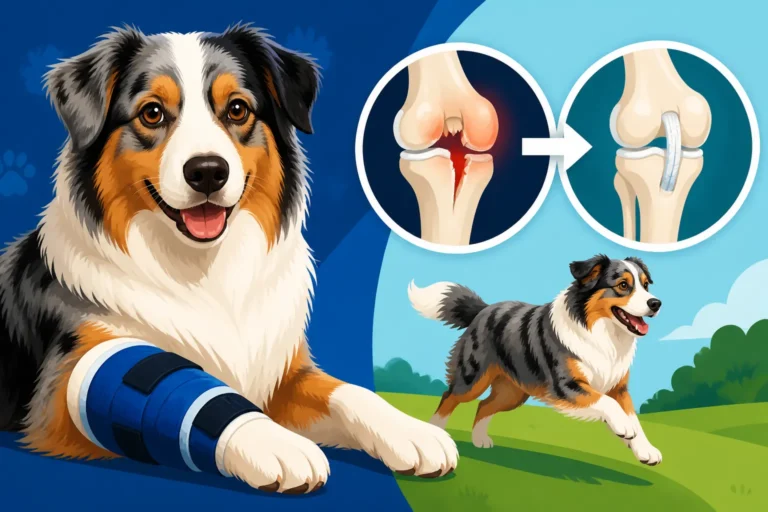
Treatment typically involves managing pain and trying to slow the spread of the disease. Amputation of the affected limb is often recommended to remove the primary tumor and alleviate the severe pain. While this sounds drastic, many dogs adapt remarkably well to three legs and experience a significant improvement in their quality of life once the source of pain is removed. Following amputation, chemotherapy is usually recommended to target any microscopic metastatic disease and extend survival time. Pain management is paramount, both before and after surgery, and will involve a combination of medications. Knowing that such an extensive treatment plan is financially viable thanks to pet insurance can allow you to focus purely on your Aussie's comfort and care.
Common Cancers in Australian Shepherds
Here’s a quick overview of the cancers we discussed:
| Cancer Type | Common Location(s) | Key Symptoms | Aggressiveness |
|---|---|---|---|
| Hemangiosarcoma | Spleen, heart, liver, skin | Sudden collapse, pale gums, lethargy, distended abdomen, weakness | Highly aggressive |
| Lymphoma | Lymph nodes, spleen, liver, bone marrow | Swollen, non-painful lymph nodes, lethargy, weight loss, vomiting, diarrhea, coughing | Variable, often responsive to chemo |
| Mast Cell Tumors | Skin (most common), internal organs (spleen, liver) | Lumps/bumps on skin (variable appearance), can swell/shrink, redness, itching | Variable (Grade I-III) |
| Osteosarcoma | Long bones of limbs | Persistent lameness, swelling, pain in affected limb, reluctance to bear weight | Highly aggressive |
Proactive Steps and Veterinary Partnership
Understanding these common cancers is the first step, but being proactive in your Australian Shepherd’s health is what truly makes a difference. Regular veterinary check-ups are non-negotiable. Your vet can often detect subtle changes during routine exams that you might miss. Discussing concerns openly with your vet is also vital; don't hesitate to bring up any changes in behavior, appetite, or the appearance of any new lumps or bumps, no matter how small they seem. Remember, a lump today might be nothing, but a week from now, it could be a different story.
Considering a genetic panel every Australian Shepherd needs is also a proactive measure. While not all cancers have a clear genetic marker, understanding your dog's overall genetic predisposition to various health issues can inform your preventative care strategies.
Furthermore, pet insurance can be a literal lifesaver. The diagnostics, surgeries, chemotherapy, and radiation required for cancer treatment can run into the tens of thousands of dollars. Having a plan from a provider like Healthy Paws, for example, can mean the difference between being able to afford aggressive treatment and having to make agonizing financial decisions during an already stressful time. Look into plans early, before any pre-existing conditions develop. This allows you to give your Aussie the best possible chance at fighting any health battle that comes their way. While we hope our Aussies live long, healthy lives, an Australian Shepherd lifespan across twelve to fifteen years means there’s a lot of time for health issues to arise, and being prepared is key.
Disclaimer
This article is intended for informational purposes only and does not constitute veterinary advice. Always consult with a qualified veterinarian for any health concerns or before making any decisions about your pet's medical care.