How Much Daily Exercise an Australian Shepherd Needs
One of the biggest misconceptions about Australian Shepherds is that you can simply walk them for an hour a day and call it good. As a fellow Aussie parent, I know the frustration of feeling like you're doing "enough" only to find your dog still bouncing off the walls, herding your ankles, or finding creative (and often destructive) ways to entertain themselves. The truth is, these incredibly intelligent and driven dogs require a complex blend of physical activity and mental engagement to truly thrive, and simply racking up mileage on a leash often misses the mark entirely. This guide aims to clear up the confusion about how much daily exercise an Australian Shepherd genuinely needs and, more importantly, what kind of exercise truly satisfies their unique breed instincts.
Understanding the Australian Shepherd's Innate Drive
Before we even talk about minutes or miles, we have to talk about who the Australian Shepherd is at their core. These aren't your average couch potatoes; they were bred for intense work, often spending entire days running, thinking, and reacting to livestock. This isn't just a quaint historical fact; it's etched into their very DNA, driving their behavior and their needs today.
The Herding Instinct as the Aussie Operating System
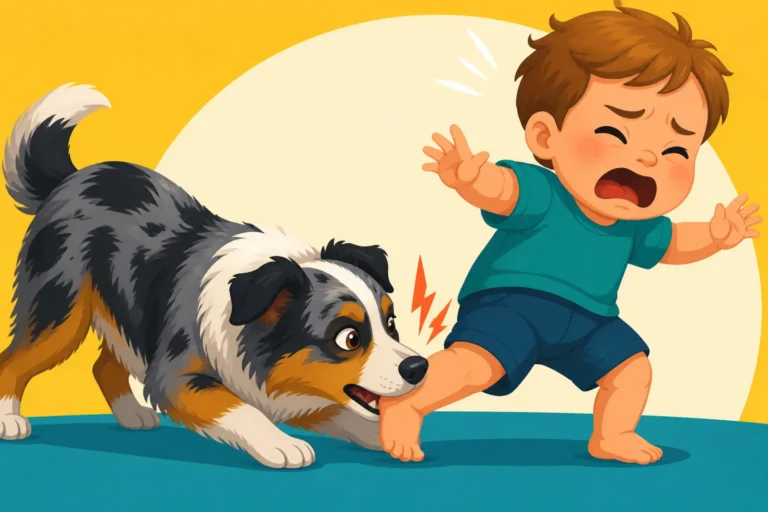
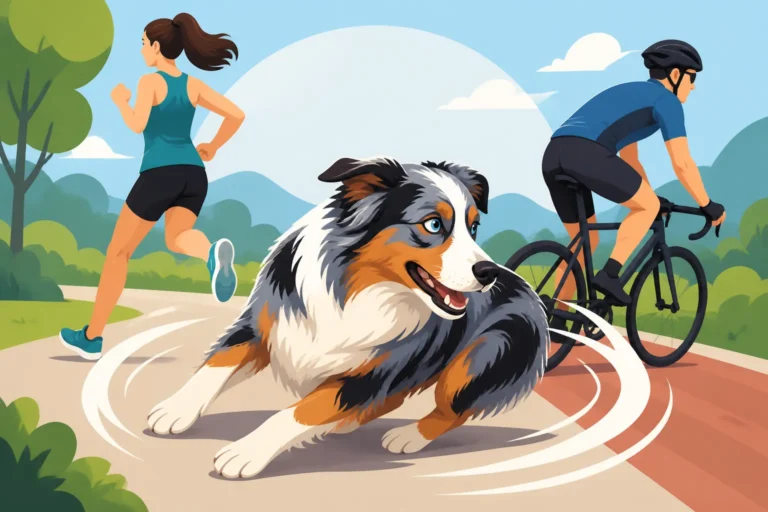
Think of the Australian Shepherd's herding instinct not just as a skill, but as their fundamental operating system. It’s how they process the world, how they problem-solve, and how they interact with their environment. They have an inherent desire to gather, to control movement, and to anticipate. This is why you see them "herding" children, bicycles, or even the vacuum cleaner around the house. It's not naughtiness; it's their brain doing what it was programmed to do. Ignoring this powerful drive, or trying to suppress it without providing an appropriate outlet, is like asking a fish not to swim. It's simply not how they're built. This deep-seated instinct means that their physical exercise needs are often intertwined with mental challenges. You can read more about this in Why Herding Instinct Is the Aussie Operating System.
The "Always On" Mentality
Many Aussie owners can attest to their dogs seeming to have an endless reserve of energy. They often appear to be "always on," ready for the next command, the next game, or the next perceived "job." This high-alert state is fantastic when they're working sheep, as it keeps them keenly aware of their surroundings. In a suburban home, however, it can translate to restlessness, hyper-vigilance, and an inability to truly relax. A quick walk around the block might burn off a little steam, but it doesn't engage that deep cognitive function that truly tires them out. They're constantly scanning, observing, and looking for something to do, and if you don't provide it, they'll find it themselves—and you might not like their choices!
The Two-Hour "Rule" and What It Really Means
You often hear the guideline that an Australian Shepherd needs at least two hours of vigorous exercise a day. While this is a good starting point, it's a simplification that can lead to frustration if misunderstood. It's not just about the clock; it's about the quality and variety of that time.
Quality Over Quantity: Why Exercise Type Beats Duration
Imagine going for a two-hour stroll through your neighborhood versus spending 30 minutes intensely focusing on a complex puzzle or an agility course. Which one leaves you more mentally and physically spent? For an Australian Shepherd, it's often the latter. Simply walking on a leash, no matter how long, can actually be under-stimulating for many Aussies. They need activities that mimic their ancestral job: bursts of speed, quick changes in direction, problem-solving, and a clear purpose.
Here's what truly counts as "vigorous" and mentally engaging physical exercise for an Aussie:
- Herding-style games: Flirt poles, large herding balls (like Jolly Balls), or even a carefully managed game of fetch with multiple balls to encourage "gathering" can tap into their natural instincts.
- Agility training: This combines physical exertion with complex problem-solving and handler communication. It's fantastic for both body and mind.
- Disc dog or flyball: These high-intensity sports demand speed, coordination, and intense focus.
- Structured hikes or trail runs: Off-leash (where safe and permitted) allows them to explore, sniff, and navigate varied terrain, which is far more engaging than pavement.
- Swimming: A low-impact, full-body workout that many Aussies adore, especially in warmer weather.
A solid 45-60 minutes of one of these higher-intensity activities can often be more beneficial than two hours of aimless walking. As we discuss in Why Aussie Exercise Type Beats Duration, the kind of movement and mental engagement is paramount.
Breaking Down the Day: How to Split an Aussie's Exercise Across the Day
Expecting your Aussie to get all their exercise in one epic session is unrealistic for most households and often not even ideal for the dog. Instead, think about spreading their activity throughout the day. This aligns better with their natural work patterns, which involved intermittent bursts of activity rather than one long, sustained effort.
A typical day might look something like this:
- Morning (30-45 minutes): A brisk walk or jog, or a vigorous game of fetch in the yard before work. This helps them burn off initial energy and settle during your workday.
- Mid-day (15-30 minutes, if possible): A quick potty break combined with a short training session or puzzle toy to break up boredom. If you use a dog walker, ensure they understand how to engage an Aussie beyond just a leash walk.
- Evening (45-60 minutes): This is often the prime time for more intensive activity. This could be an agility class, a longer trail walk, a session with the flirt pole, or a visit to a secure dog park (if your Aussie enjoys it).
- Before Bed (15-20 minutes): A calmer walk, a brief sniff-centric outing, or a final training review to help them wind down and prepare for sleep.
This segmented approach helps prevent them from becoming overstimulated or completely crashing from a single, exhaustive session. It also ensures consistent engagement, which is key for a breed that thrives on having a "job." Think about how a rancher would work their dog – not one long sprint, but many short, focused tasks throughout the day. More on managing their energy throughout the day can be found in Splitting an Aussie's Exercise Across the Day.
Beyond Physical: The Crucial Role of Mental Stimulation
This is where many well-meaning Aussie owners fall short. You can run an Australian Shepherd for miles, but if you don't engage their brilliant brain, they'll still be bursting with "unused" energy. Mental exercise is just as, if not more, tiring for these dogs than physical exertion. It’s what truly tires them out and helps them achieve that coveted "off switch."
Engaging the Aussie Brain: Puzzle Toys, Training, and Scent Work
Mental stimulation should be a daily, non-negotiable part of your Aussie's routine. It taps into their problem-solving abilities and satisfies their need to think.
- Puzzle Toys: These are fantastic for meal times or when you need a quiet activity. Filling a KONG with peanut butter or plain yogurt and freezing it can provide a good 20-30 minutes of engaging work. There are many interactive puzzle feeders available on Amazon that require your Aussie to manipulate parts to get treats, offering varying levels of difficulty.
- Scent Work/Nose Work: This is incredibly enriching for Aussies, who possess excellent noses. Hiding treats around the house or yard and encouraging them to find them (often called "find it" games) is a simple yet powerful way to tire them out mentally. You can advance to formal nose work classes, which build confidence and focus. Scent Games That Tire an Australian Shepherd offers more ideas.
- Trick Training: Teaching new tricks, even silly ones, keeps their minds sharp and strengthens your bond. An Aussie loves to learn and thrives on the positive feedback. Plus, it's a great way to show off their intelligence! You'd be surprised how much Trick Training as Aussie Mental Work can exhaust them.
Structured Training and Learning: Building Focus and an "Off Switch"
Formal training isn't just for puppies; it's a lifelong endeavor with an Australian Shepherd. Consistent training sessions provide mental structure and purpose.
- Obedience Sessions: Even 10-15 minutes of focused obedience work (sit, stay, down, come, heel) several times a day can be incredibly tiring. Make it fun, use high-value treats, and celebrate their successes.
- New Skills and Commands: Keep introducing new challenges. Teach them to fetch specific objects, put away their toys, or even open certain doors. Their intelligence is vast, and they enjoy using it.
- "Place" or "Mat" Training: This teaches your Aussie to go to a designated spot and relax. It's a crucial skill for teaching them to settle indoors, even amidst activity. It's an active exercise in impulse control and can be profoundly calming. If you're looking for structured guidance, programs like BAXTER & Bella offer excellent online courses that can walk you through these training techniques step-by-step, no matter your experience level.
A daily schedule blending physical and mental activities might look something like this:
| Activity Type | Example Activities | Duration | Primary Benefit |
|---|---|---|---|
| Vigorous Physical | Fetch, Agility, Running, Swimming, Flirt Pole | 45-60 min | Cardio, Muscle Strength, Instinct Outlet |
| Moderate Physical | Leashed Walk, Structured Play with other dogs, Light Hike | 30-45 min | Stamina, Exploration, Socialization |
| High Mental | Scent Work, Puzzle Toys, Obedience Training, Learning New Tricks, Place Training | 30-60 min (split) | Cognitive Engagement, Focus, Calmness |
| Low Mental/Calming | Chewing on a durable chew toy, Quiet Grooming Session | 15-30 min | Stress Relief, Relaxation |
Remember, these are guidelines. Each Australian Shepherd is an individual, and their needs can vary based on age, health, and individual temperament.
Avoiding Over-Exercise and Ensuring Proper Development
While it's easy to focus on needing more exercise for an Aussie, it's equally important to understand the risks of too much or the wrong kind of exercise, especially for puppies and young adults. Over-exercising can lead to serious health issues, particularly concerning their developing joints.
Exercise Limits for Growing Pups: Protecting Fragile Joints
Australian Shepherd puppies are bundles of boundless energy, but their bones and growth plates are still soft and vulnerable. High-impact activities, repetitive motions, and forced long-distance running can cause irreparable damage to their joints, predisposing them to conditions like hip and elbow dysplasia later in life.
- The Five-Minute Rule: A common guideline is to provide five minutes of structured exercise per month of age, twice a day. So, a 3-month-old puppy gets 15 minutes, a 4-month-old gets 20 minutes, and so on. This applies to leashed walks and structured play, not free play in a secure yard.
- Avoid Forced Running: Do not take a young Aussie puppy jogging or running long distances with you. Their bodies are simply not ready. Wait until their growth plates have closed, usually around 12-18 months of age, before introducing strenuous, repetitive activities. More on this can be found in Exercise Limits for an Australian Shepherd Under a Year and Why a Growing Aussie Should Not Run Long Distances.
- Prioritize Free Play and Mental Games: Allow puppies plenty of supervised free play in a safe, fenced area. Short bursts of fetch, exploring a new scent, or engaging with puzzle toys are ideal.
- Stairs: Limit repetitive stair climbing for young puppies to protect their developing hips and elbows.
Listening to Your Adult Aussie: Signs of Fatigue vs. Boredom
Even adult Australian Shepherds, while robust, can be over-exercised. They are driven dogs and will often push themselves past their limits to please you or to keep playing. It's up to you to recognize when they're truly tired versus when they're just seeking more engagement.
- Signs of Fatigue: Excessive panting, lagging behind, reluctance to engage, stiffness after activity, or seeking a quiet spot to lie down. If you notice these, it's time for a break.
- Signs of Boredom/Under-stimulation: Destructive chewing, excessive barking, constant "herding" attempts, pacing, nuisance behaviors, or an inability to settle. These indicate a need for different or more varied engagement, not necessarily just more running.
- The "Off Switch": A well-exercised and mentally stimulated Aussie should be able to settle down calmly indoors. If your dog is still restless after a good session, they likely need more mental work or a different type of physical activity that truly tires them out. If your Aussie seems to struggle with this, you might find valuable insights in An Aussie That Cannot Switch Off. Sometimes, simply redirecting their energy with a chew from Amazon or a short training session from BAXTER & Bella can help them unwind.
Remember, the goal isn't to create a marathon runner; it's to foster a well-balanced, happy, and calm companion. This means a thoughtful, varied approach to exercise that respects their physical limits while fully engaging their incredible minds.
Disclaimer
This article is for general informational purposes only and does not constitute professional advice. Laws, prices and regulations vary by location and change over time. Consult a qualified professional for guidance on your specific situation.