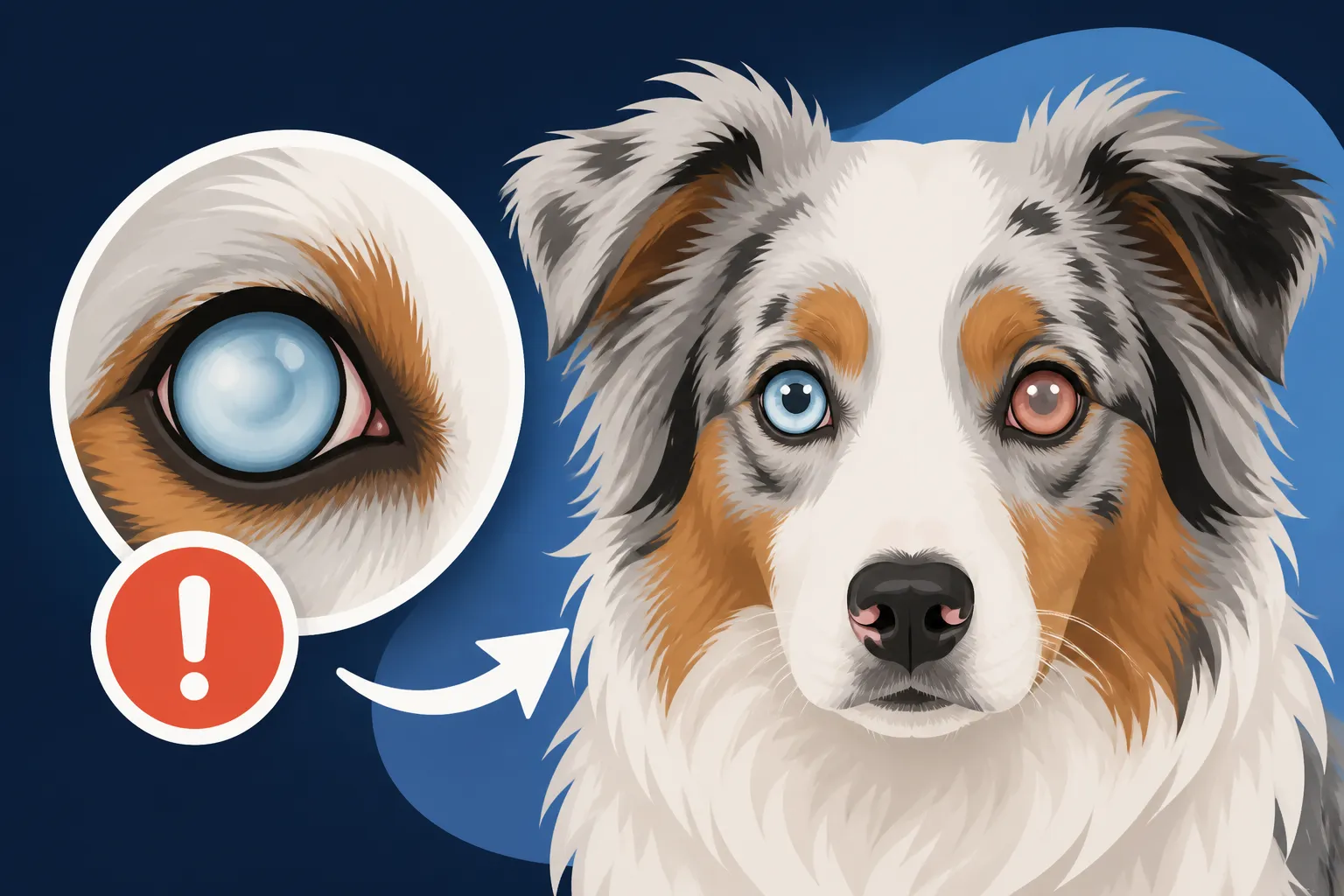
Eye Defects in a Double Merle Australian Shepherd
Bringing home an Australian Shepherd puppy should be a joyous occasion, full of dreams of adventures and loyal companionship. But for some, the reality hits hard when they discover their new furry family member, especially if it's a double merle, might face significant challenges, particularly with their vision. It's a heartbreaking situation to realize your beloved pup is struggling to see the world around them, and it leaves many owners feeling overwhelmed and unsure of how to best care for their special companion. This guide aims to shed light on the specific eye defects commonly seen in double merle Australian Shepherds, helping you understand, identify, and manage these conditions, while also advocating for responsible breeding practices.
The Genetic Roulette of the Merle Gene
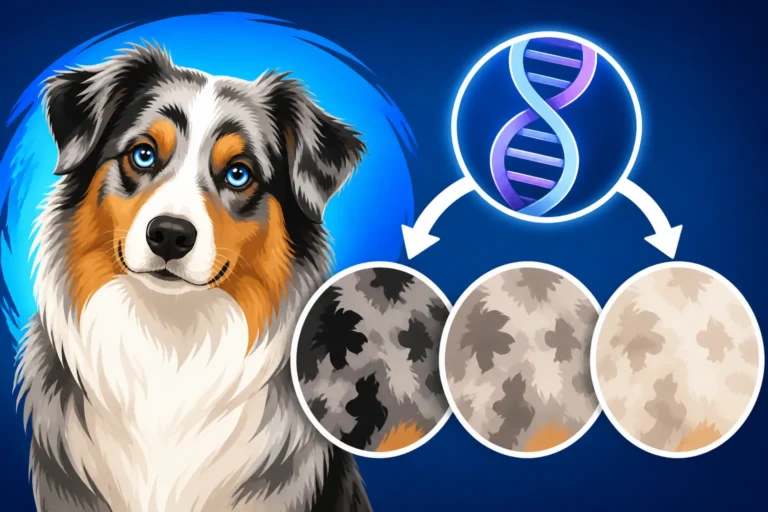
The merle gene is truly fascinating, giving Australian Shepherds those iconic, strikingly patterned coats and often beautiful blue eyes. But it's also a gene that carries a heavy responsibility for breeders and owners alike, as its misuse can lead to severe health consequences. When two merle-patterned dogs are bred together, it's not a simple case of getting more pretty merle puppies; instead, it's a roll of the genetic dice that can result in what's known as a "double merle" or "homozygous merle."
The Mechanics of Merle Genetics
To truly grasp the issue, we need to understand how merle works. The merle gene, denoted as 'M', is dominant. This means that if a dog inherits just one copy of the merle gene (Mm), it will express the merle pattern in its coat, diluting random patches of black or red pigment to a lighter shade, creating those mottled, unique designs we love. Dogs without the merle gene (mm) will have solid or bi/tri-color coats, without the diluted patches. The magic, and the danger, happens when an Australian Shepherd inherits two copies of the merle gene (MM). This is the double merle. You can learn more about how merle works in an Australian Shepherd coat by reading our in-depth article.
The gene itself affects pigment production, and unfortunately, it doesn't just stop at the coat. The same processes that dilute coat color can also impact the development of the eyes and ears, particularly when two copies are present. This is why careful genetic testing and ethical breeding are paramount. Responsible breeders meticulously track their dogs' genetic profiles to avoid these dangerous pairings.
How Double Merle Occurs
A double merle Australian Shepherd occurs when two merle parents (Mm x Mm) are bred together. Statistically, in such a breeding, approximately 25% of the puppies born will be double merle (MM), 50% will be single merle (Mm), and 25% will be non-merle (mm). The problem is, these double merle puppies, while sometimes having extensive white markings that are often associated with their appearance, aren't just "extra" merle. They often come with a host of severe health issues, particularly affecting their vision and hearing.
It's a common misconception that double merles are simply "white Aussies," but their extensive white fur is a consequence of the gene's pigment dilution, not just a preference for a white coat. Sadly, many backyard breeders, either through ignorance or negligence, continue to produce double merle puppies, often attracted by the "unique" all-white appearance without understanding the devastating health implications. This is precisely why Aussie breeders never cross merle to merle. It's a breeding practice that responsible enthusiasts and clubs strongly condemn because of the suffering it can inflict on the puppies.
Common Eye Defects in Double Merle Australian Shepherds
The eyes of a double merle Australian Shepherd can present a wide spectrum of defects, ranging from minor cosmetic abnormalities to complete blindness. These conditions often stem from incomplete or abnormal development of various parts of the eye, directly linked to the excessive dilution caused by the homozygous merle gene. It's truly heartbreaking to see these pups struggle, knowing their challenges are entirely preventable.
Microphthalmia and Colobomas
One of the most frequently observed and devastating eye defects in double merles is microphthalmia. This condition means "small eyes," and it's exactly what it sounds like: the affected eye (or both eyes) is abnormally small, often sunken deep into the socket. It's not just cosmetic; the internal structures of the microphthalmic eye are typically underdeveloped or malformed, leading to severely impaired vision or complete blindness in that eye. You might notice your puppy's eyes just seem "off," or perhaps one eye is noticeably smaller than the other.
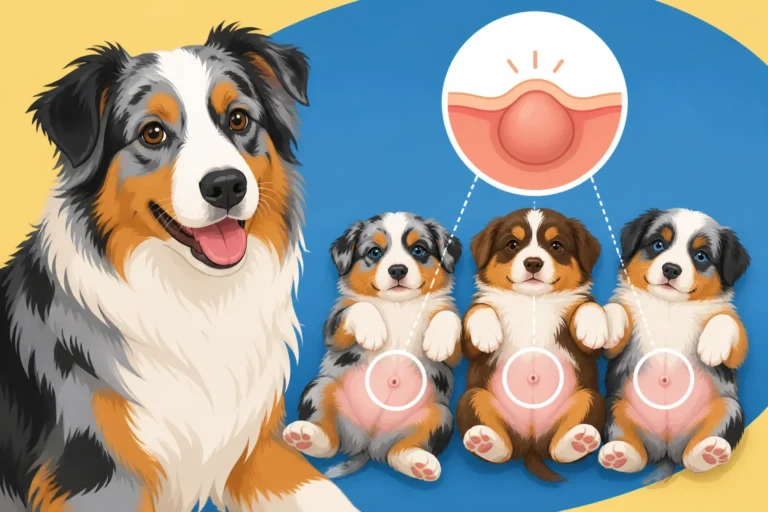
Closely related, and often occurring alongside microphthalmia, are colobomas. A coloboma is essentially a "hole" or "gap" in one of the eye's structures, usually the iris (the colored part) or the retina (the light-sensitive tissue at the back of the eye). An iris coloboma might appear as a keyhole-shaped pupil, while a retinal coloboma, more serious, can lead to blind spots or retinal detachment. For an Australian Shepherd Iris Coloboma and Merle Eyes, this can be a specific concern. These defects are direct consequences of the merle gene interfering with the normal closure and development of the eye during gestation.
Persistent Pupillary Membranes and Cataracts
Beyond structural malformations, double merles can also suffer from other vision-impairing conditions. Persistent pupillary membranes (PPMs) are remnants of fetal tissue that normally disappear shortly after birth. In some double merles, these strands of tissue persist, stretching across the pupil, attaching to the iris, cornea, or lens. While some PPMs might be minor and not affect vision, others can obstruct vision or cause other eye problems, requiring veterinary intervention. Imagine trying to see through a spiderweb constantly obstructing your view – that's what some of these dogs experience.
Another significant issue is cataracts. While hereditary cataracts clouding an Aussie eye can occur in any Australian Shepherd due to other genetic factors, double merles have an increased predisposition. Cataracts cause the lens of the eye to become cloudy, scattering light and progressively impairing vision, eventually leading to blindness if left untreated. For a young puppy, this can be incredibly disorienting and frustrating, as their world slowly dims. Early diagnosis is crucial, and sometimes surgical removal can restore some sight.
Retinal Dysplasia and Detachment
The retina is a critical component of vision, responsible for converting light into electrical signals the brain can interpret. In double merle Australian Shepherds, the merle gene can interfere with the proper development of the retina, leading to retinal dysplasia. This condition involves abnormal folding or displacement of the retinal tissue. Depending on the severity, retinal dysplasia can cause blind spots, general poor vision, or even lead to complete retinal detachment. A detached retina means the tissue has separated from the underlying support layers, causing irreversible blindness in the affected eye.
The signs of retinal detachment might be sudden vision loss, a dilated pupil, or a visible change in the eye's appearance, though often, it's not obvious to the untrained eye until vision is severely compromised. It’s a silent thief of sight that leaves these dogs navigating a world shrouded in darkness. These complex eye conditions highlight why a thorough eye examination by a veterinary ophthalmologist is non-negotiable for any suspected double merle puppy.
Recognizing the Signs of Eye Defects
Spotting eye problems in a puppy can be challenging, especially if you're a first-time owner or if the defects are subtle at first. However, early recognition is key to providing your double merle Australian Shepherd with the best possible care and support. It involves a combination of careful observation and understanding normal puppy behavior.
Visual Cues of Impairment
The most immediate signs are often physical changes in the eyes themselves. If you notice one or both of your puppy's eyes appearing unusually small or sunken, this is a strong indicator of microphthalmia and warrants immediate veterinary attention. You might also see pupils that aren't perfectly round, perhaps with a "keyhole" shape, which could point to an iris coloboma. Sometimes, you might even observe cloudy areas within the lens, suggesting the development of cataracts, or strange white strands across the pupil from persistent pupillary membranes.
Beyond the physical appearance, observe how your puppy interacts with its environment. Does it bump into furniture or walls, particularly in unfamiliar surroundings or dim lighting? Does it startle easily when approached from a certain side, suggesting a blind spot or reduced peripheral vision? A puppy with vision impairment might also track objects inconsistently or struggle with depth perception, making it hesitant to jump off small heights or navigate stairs. Remember, the Aussie puppy eye check at six weeks by a certified veterinary ophthalmologist is crucial for identifying these issues early on.
Behavioral Indicators of Vision Loss
Dogs are incredibly adaptable, and puppies, especially, might try to compensate for vision loss, making it harder to detect. However, certain behaviors can signal that something isn't quite right. A visually impaired double merle might appear more anxious or clingy, relying heavily on its other senses, particularly scent and hearing, to navigate. It might be slower to explore new areas, preferring familiar spaces, or show reluctance to move around without direct guidance from you. You might notice it relies more on its nose, constantly sniffing the ground to map its surroundings.
They might also exhibit an exaggerated head tilt or movement as they try to use what little peripheral vision they have. For instance, if your pup consistently approaches its food bowl from the same angle or turns its head sharply to locate a sound, it could be trying to optimize its limited sight. In cases where hearing is also affected – which is common in double merles – these behavioral cues can be even more pronounced, as the dog struggles to gather information from its surroundings. Don't dismiss these behaviors as just "clumsiness" or "shyness"; they could be critical indicators that your Australian Shepherd is facing visual challenges.
Diagnosis and Veterinary Care for Affected Aussies
Once you suspect your Australian Shepherd might have eye defects, getting a professional diagnosis is the critical next step. It can feel daunting, but a veterinary ophthalmologist has the specialized knowledge and equipment to accurately assess your dog's vision and ocular health. Early diagnosis can prevent further complications and help you establish a long-term care plan. Many pet insurance providers, like Healthy Paws, offer coverage for diagnostic procedures and treatments, which can be a huge relief for owners facing these often expensive medical journeys.
The Importance of a Specialized Eye Exam
A regular vet check-up might catch obvious issues, but a comprehensive eye exam performed by a board-certified veterinary ophthalmologist is essential for double merle Australian Shepherds. These specialists have advanced training in eye conditions and can identify subtle abnormalities that a general practitioner might miss. They use specific tools and techniques to thoroughly evaluate every part of the eye, from the cornea to the retina. This specialized examination can pinpoint conditions like microphthalmia, colobomas, cataracts, and retinal dysplasia, providing a definitive diagnosis.
During this exam, the ophthalmologist will dilate your dog's pupils to get a clear view of the retina and optic nerve. They'll also check for any signs of inflammation, pressure changes, or other anomalies. This isn't just about identifying problems; it's also about understanding the severity and progression of any detected conditions. For breeders, performing an ACVO Eye Exam Australian Shepherd breeders run on all breeding stock is a vital part of ethical practice, helping to prevent the propagation of these genetic defects.
Diagnostic Tools and Procedures
The diagnostic process for eye defects in Australian Shepherds can involve several specialized tools. An ophthalmoscope is used to examine the internal structures of the eye, while a slit lamp biomicroscope provides a magnified, three-dimensional view of the anterior segments of the eye, such as the cornea, iris, and lens. Gonioscopy might be performed to examine the drainage angle of the eye, assessing for glaucoma risk. For conditions affecting the retina, an electroretinography (ERG) might be used to measure the electrical responses of the cells in the retina to light, assessing retinal function.
If a retinal detachment is suspected, or if internal eye structures are obscured by cataracts, an ocular ultrasound can provide images of the deeper parts of the eye. These advanced diagnostics allow the ophthalmologist to not only identify the specific defects but also to determine the extent of vision loss and recommend appropriate management strategies. While some conditions, like microphthalmia, might not have a "cure," others, such as certain types of cataracts, can be treated surgically, offering a chance to restore some vision. For owners, understanding these procedures and their potential outcomes is crucial for making informed decisions about their beloved Aussie's care.
| Eye Defect | Description | Potential Impact on Vision | Treatment Options |
|---|---|---|---|
| Microphthalmia | Abnormally small eye(s) with underdeveloped structures. | Severe impairment to total blindness | No cure, management focuses on adaptation and comfort |
| Coloboma (Iris/Retina) | Hole or gap in eye structure (iris, retina, optic nerve). | Blind spots, reduced vision, detachment | Depends on severity; surgery for some retinal issues |
| Persistent Pupillary Membranes (PPMs) | Remnants of fetal tissue crossing pupil. | Varies from none to vision obstruction | Often resolve, surgery if severe obstruction |
| Cataracts | Clouding of the eye's lens. | Progressive vision loss to blindness | Surgical removal (phacoemulsification) |
| Retinal Dysplasia | Abnormal folding/development of retinal tissue. | Blind spots, poor vision, detachment | No cure, management for comfort and adaptation |
| Retinal Detachment | Retina separates from underlying layers. | Complete blindness in affected eye | Reattachment surgery (variable success rate) |
Living with an Australian Shepherd with Eye Defects
Discovering your Australian Shepherd has significant eye defects can be an emotional journey, but it doesn't mean a diminished quality of life for your dog. Aussies are incredibly resilient and adaptable. With patience, understanding, and some practical adjustments, dogs with vision impairment can lead full, happy, and enriching lives. It's about shifting your perspective and becoming their eyes in a way, guiding them through their world with love and consistency.
Adapting the Home Environment
One of the first and most crucial steps is to create a safe and predictable home environment. Dogs with vision impairment thrive on routine and consistency. Avoid rearranging furniture frequently, as this can disorient your dog and cause anxiety or accidents. If you must move something, guide them around the new layout several times. Consider placing baby gates at the top and bottom of stairs or other hazardous areas to prevent falls. Adding texture to floors, like runners or rugs, can also help them "feel" their way around different zones of the house.
For outdoor access, ensure your yard is securely fenced and free of hazards like sharp objects or uneven terrain. Supervised outdoor time is essential, and a long line can provide both freedom and safety. Remember that some double merles might also have deafness in a double merle Australian Shepherd, making environmental cues even more vital. Investing in a dog bed that provides good support and is easy for them to locate can also improve their comfort. The goal is to make their known world a safe and navigable space where they can move confidently.
Training and Communication Adjustments
Training a visually impaired Australian Shepherd requires some modifications but is absolutely possible and incredibly rewarding. Instead of relying on visual cues, you'll lean heavily on verbal commands and touch signals. Use distinct verbal cues for everything: "step up," "step down," "wait," "danger," or "find your bed." Consistency is key, so everyone in the household should use the same commands. Positive reinforcement with treats and praise works wonderfully.
Touch signals can also be highly effective. For example, a gentle tap on the shoulder might mean "come," while a tap on the rump could mean "stop." Harnesses and leashes become crucial communication tools; subtle tugs can guide your dog around obstacles. If your dog also has hearing loss, a vibrating collar can be a fantastic tool to get their attention, followed by touch signals. Building a strong bond of trust is paramount; your dog needs to know you are their reliable guide. For additional support, many pet insurance plans, including those from Healthy Paws, can help cover the costs of specialized training or rehabilitation if recommended by a vet, easing the financial burden on owners.
The Role of Support and Patience
Living with an Australian Shepherd with eye defects demands a significant amount of patience and empathy. There will be good days and challenging days. It's important to celebrate the small victories and not get discouraged by setbacks. Connect with other owners of visually impaired dogs, either online or in local communities. Sharing experiences and tips can provide invaluable emotional support and practical advice. Organizations dedicated to blind or deaf dogs often have resources, forums, and training materials that can be incredibly helpful.
Remember that your dog relies on you more than ever. Your calm demeanor, consistent routine, and clear communication will be their anchor in a world they perceive differently. Keep their minds engaged with scent games, puzzle toys, and familiar safe walks, which provide mental stimulation without relying on sight. Their other senses, especially their sense of smell, will become incredibly acute. Embrace their unique way of experiencing the world, and you'll find that their spirit and loyalty shine just as brightly, if not more so, despite their visual challenges.
Preventing Double Merle Eye Defects Through Responsible Breeding
The heartbreaking reality of eye defects in double merle Australian Shepherds is that they are almost entirely preventable. This places a huge responsibility on breeders to prioritize health and ethics over aesthetics or profit. Responsible breeding practices are the cornerstone of protecting the welfare of this magnificent breed, ensuring that future generations do not suffer from the consequences of avoidable genetic mistakes.
Genetic Testing and Health Clearances
The single most important tool in preventing double merle defects is comprehensive genetic testing. Before any breeding takes place, both parent dogs must be tested for the merle gene. This isn't just about identifying merle carriers; it's about understanding the specific merle alleles (e.g., M, m, Ma, Mh, etc.) and their genetic implications. This specific test can determine if a dog is homozygous non-merle (mm), heterozygous merle (Mm), or even if it carries cryptic merle that fools Aussie breeders, which can appear solid but still pass on the merle gene. Knowing the genetic makeup of both parents allows breeders to make informed decisions and avoid pairings that will produce double merle (MM) puppies. Many reputable breeders insist on a genetic panel every Australian Shepherd needs, which includes tests for a range of health conditions, not just merle.
Beyond the merle gene, responsible breeders also conduct full health clearances for a multitude of other inherited conditions common in Australian Shepherds, such as hip and elbow dysplasia, hereditary cataracts, and Collie Eye Anomaly in an Australian Shepherd. This comprehensive approach ensures that puppies are not only free from merle-related issues but also have the best possible start in life, genetically speaking. Puppy contracts from ethical breeders will explicitly state that a double merle breeding will not be attempted and often include clauses about genetic testing.
Why Merle-to-Merle Breeding is Avoided
The practice of breeding two merle-patterned Australian Shepherds together (merle-to-merle) is universally condemned by ethical breeders, breed clubs, and veterinary organizations. This is because of the high probability of producing double merle puppies, roughly a 25% chance in each litter, that will likely inherit severe vision and/or hearing impairments. These conditions are not minor inconveniences; they can severely impact a dog's quality of life and require extensive, often expensive, lifelong care.
Ethical breeders understand that their role is to improve the breed, not to create dogs with predictable genetic defects. They are committed to breeding healthy, well-tempered dogs that exemplify the best traits of the Australian Shepherd. They will always refuse to perform merle-to-merle breedings, even if it means sacrificing a specific coat color or pattern they might desire. Instead, they will carefully plan breedings between a merle and a non-merle dog (Mm x mm), which eliminates the risk of producing double merles while still producing beautiful, healthy merle-patterned puppies. This responsible approach ensures that the stunning appearance of the Australian Shepherd is never prioritized over the well-being and health of the animal.
Disclaimer
The information provided in this article is for general educational purposes only and should not be considered a substitute for professional veterinary advice. Always consult with a qualified veterinarian or a board-certified veterinary ophthalmologist for any health concerns or before making any decisions related to your Australian Shepherd's care or treatment.