The Health Tests Every Australian Shepherd Parent Needs
It's an overwhelming feeling, isn't it? Bringing an Australian Shepherd into your life is an absolute joy, but it also comes with a deep sense of responsibility, especially when you start hearing about all the potential health issues this wonderful breed can face. You want to do everything right by them, and sometimes navigating the world of canine health can feel like you need a veterinary degree yourself. This guide is here to cut through the noise and give you a clear, empathetic roadmap to the essential health tests every Australian Shepherd parent needs to consider, helping you protect your furry family member for years to come.
Understanding Why Health Testing Matters for Australian Shepherds
When you first bring home an Australian Shepherd puppy, or even adopt an adult, you're usually focused on the immediate things: house training, basic commands, and all the adorable antics. But underneath that fluffy coat and those bright, intelligent eyes can sometimes lie genetic predispositions that, left unchecked, could lead to serious health challenges down the road. Health testing isn't about looking for problems; it's about being proactive, gathering information, and giving yourself the best possible chance to manage or even prevent some of the more common conditions in the breed. It’s an investment in their future comfort and your peace of mind.
Beyond Just a Vet Check-Up
A standard veterinary check-up, while absolutely crucial for vaccinations, parasite prevention, and general wellness, isn't designed to detect specific genetic conditions that Australian Shepherds are prone to. Your vet will perform a physical exam, listen to their heart, check their teeth, and assess their overall demeanor. These are all vital steps, of course, but they won't tell you if your Aussie carries the gene for drug sensitivity or if their hips are structured in a way that predisposes them to arthritis later on. Genetic health tests delve deeper, looking at the blueprint of your dog's DNA and evaluating physical structures that can only be properly assessed through specialized imaging or examinations.
These specialized tests offer a layer of protection and insight that goes far beyond what a routine appointment can provide. Think of it as preventative maintenance for your most cherished companion. Knowing about potential health concerns early can influence everything from their diet and exercise routine to the types of medications they can safely take. This knowledge empowers you to work closely with your veterinarian to create a personalized care plan, potentially extending your Aussie's healthy and happy life.
Common Genetic Concerns in the Breed
Australian Shepherds are, by and large, a robust and energetic breed, but like many purebreds, they have a genetic roadmap that includes certain predispositions. These aren't guarantees that your dog will develop these conditions, but they highlight areas where careful breeding and proactive screening are paramount. One of the most talked-about is the MDR1 mutation, which affects how dogs metabolize certain common drugs. Joint issues like hip and elbow dysplasia are also unfortunately common, given their active and agile nature. Eye conditions, ranging from Collie Eye Anomaly (CEA) to hereditary cataracts, can impact their vision, and even neurological disorders like epilepsy can unexpectedly surface.
Being aware of these common concerns isn't meant to scare you, but rather to inform you. Responsible breeders are diligent about screening their breeding stock to minimize the chances of passing these traits on, but even with the best intentions, recessive genes can sometimes surprise us. This is why testing your individual dog, especially if you're unsure of their lineage or breeding history, becomes such a powerful tool. It transforms potential worries into actionable information, allowing you to partner with your vet to navigate their health journey effectively.
Essential Genetic Health Tests for Australian Shepherds
Alright, let’s get down to the nitty-gritty. When it comes to health testing your Australian Shepherd, there are a few key areas that every responsible owner should seriously consider. These tests can provide invaluable insights into your dog's genetic makeup and structural health, enabling you to make informed decisions about their care.
The MDR1 Gene Test: A Non-Negotiable
If there's one test that every Australian Shepherd owner absolutely needs to prioritize, it's the Multidrug Resistance 1 (MDR1) gene test. About half of Australian Shepherds carry this mutation, and it's not something you want to discover the hard way in an emergency. The MDR1 gene is responsible for producing P-glycoprotein, a protein pump that helps remove certain drugs and toxins from the brain. When this gene is mutated, the pump doesn't work effectively, allowing certain common medications to accumulate to toxic levels in the brain.
Testing for MDR1 is incredibly simple and can be done with a quick, non-invasive cheek swab. You can often order a kit directly from a reputable lab, perform the swab at home, and mail it back. The results will typically tell you if your dog is "Clear" (two normal copies of the gene), a "Carrier" (one normal, one mutated copy), or "Affected" (two mutated copies). Knowing your dog's MDR1 status is critical because it dictates which drugs your vet can safely prescribe for various conditions, from dewormers to anesthetics. If you have an Australian Shepherd, ensuring your vet knows their MDR1 status is paramount for their safety. You can learn more about What MDR1 Does Inside an Australian Shepherd Brain and The Drugs an MDR1 Australian Shepherd Cannot Take to understand the full implications.
Comprehensive Eye Exams and DNA Panels
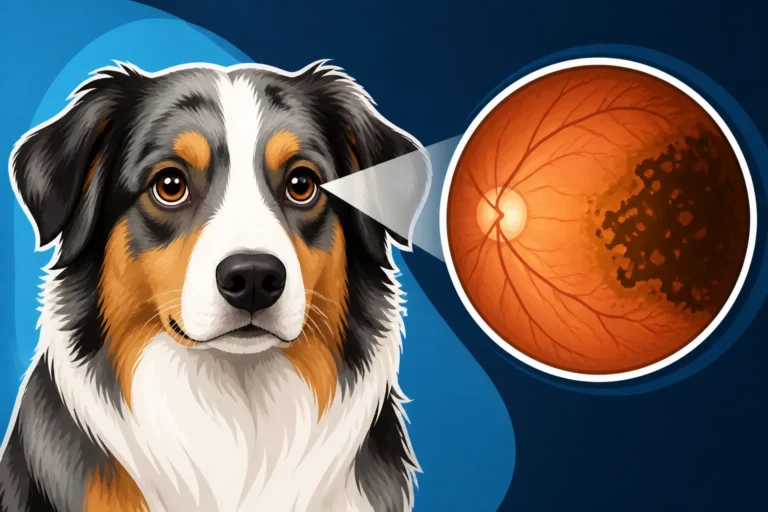
Australian Shepherds are known for their striking eyes, but unfortunately, they are also prone to several inherited eye conditions. Regular, specialized eye examinations by a board-certified veterinary ophthalmologist (ACVO diplomat) are crucial, starting when they are puppies. These exams, often referred to as OFA Eye Examinations or ACVO exams, can detect conditions like Collie Eye Anomaly (CEA), hereditary cataracts, Progressive Retinal Atrophy (PRA), and even iris coloboma.
For conditions like CEA, a specific DNA test can identify if your dog is clear, a carrier, or affected, even before clinical signs appear. This test is so important that many breeders run The CEA DNA Test for Australian Shepherds on their breeding dogs. Similarly, for hereditary cataracts, there's a DNA test for the HSF4 gene mutation that is linked to a common form of the condition in Aussies. The good news is that knowing about these predispositions early means you and your vet can monitor for signs, and in some cases, intervene to preserve vision or prepare for future treatments, such as cataract surgery. Don't forget, The Aussie Puppy Eye Check at Six Weeks is often the first step in screening for these issues.
Hip and Elbow Dysplasia Screenings
Australian Shepherds are active, athletic dogs that thrive on movement, whether it’s herding sheep, excelling in agility, or just playing fetch in the yard. This high level of activity puts significant stress on their joints, making screenings for hip and elbow dysplasia incredibly important. Hip dysplasia is a malformation of the hip joint, leading to arthritis and pain, while elbow dysplasia is a similar condition affecting the elbow. Both can severely impact a dog's mobility and quality of life.
The most common screening methods are X-rays evaluated by organizations like the Orthopedic Foundation for Animals (OFA) or PennHIP. For OFA, dogs are typically evaluated at two years of age or older to get a definitive score, ranging from Excellent to Dysplastic. PennHIP can be done earlier, usually starting at 16 weeks, and provides a quantitative measure of hip laxity, which is a strong predictor of hip dysplasia development. These screenings are vital not just for breeders to ensure healthy offspring, but for pet owners to understand their dog's joint health. Knowing their status allows you to manage their exercise, diet, and weight to minimize the progression of arthritis, and for severe cases, plan for interventions like joint supplements or even surgery. Many owners explore pet insurance options, like those offered by Healthy Paws, to help manage the significant costs associated with treating conditions like Australian Shepherd Hip Dysplasia and Working Joints or Aussie Elbow Dysplasia From Hard Turning.
Other Important DNA Tests
While MDR1, eye issues, and joint health are typically top-of-mind, there are other valuable genetic tests that can provide a more complete picture of your Australian Shepherd's health. Many comprehensive genetic panels, often offered by companies like Embark or Wisdom Panel, now include tests for dozens of genetic conditions relevant to the breed.
These can include:
- Progressive Retinal Atrophy (PRA): A group of genetic diseases that cause the retina to degenerate, leading to blindness. Different forms exist, and specific DNA tests can identify carriers or affected individuals. Getting a head start on understanding Retinal Atrophy Taking an Aussie's Night Vision can help you prepare.
- Degenerative Myelopathy (DM): A progressive neurological disease affecting the spinal cord, similar to ALS in humans. It primarily affects older dogs, leading to weakness and paralysis.
- Hereditary Dental Anomalies: Some lines can carry genetic markers for missing teeth or other dental issues.
- Von Willebrand Disease Type I (vWD I): A bleeding disorder that can lead to excessive bleeding after injury or surgery.
These additional tests contribute to a holistic understanding of your Australian Shepherd's genetic vulnerabilities. While not every test may be critical for every dog, understanding the full genetic picture can inform decisions about their overall care, breeding (if applicable), and even diet or supplement choices. Organizations like the Australian Shepherd Health & Genetics Institute (ASHGI) provide excellent resources on The Genetic Panel Every Australian Shepherd Needs and what tests are most important for the breed.
What to Do With Your Australian Shepherd's Health Test Results
Getting the results back from your Australian Shepherd's health tests can feel like opening a report card – a bit nerve-wracking, but ultimately informative. The real value of these tests isn't just in getting the results, but in knowing how to interpret them and, more importantly, what actions to take afterward. This information is a powerful tool in your hands, allowing you to be a truly proactive and informed advocate for your dog's health.
Sharing Results with Your Veterinarian
The very first thing you should do with any health test results is to share them thoroughly with your veterinarian. Your vet is your primary partner in your Australian Shepherd's care, and these results provide critical context for their ongoing health management. For example, if your Aussie tests "Affected" for the MDR1 mutation, your vet will need to update their records to ensure certain medications are never prescribed, or that dosages are carefully adjusted for others. This proactive communication can literally be life-saving.
It's not just about avoiding harm; it's about optimizing care. If your Australian Shepherd shows borderline hip scores, your vet might recommend specific joint supplements, weight management strategies, or modifications to their exercise routine to minimize strain and slow the progression of potential arthritis. Having this comprehensive health profile in their system helps your vet make the best decisions, from routine check-ups to emergency situations. Discussing pet insurance options, such as policies from Healthy Paws, with your vet can also be helpful, as early identification of conditions can sometimes influence coverage for future treatments, though pre-existing conditions are usually excluded.
Proactive Care and Lifestyle Adjustments
Understanding your Australian Shepherd's genetic predispositions allows you to implement proactive care strategies tailored to their individual needs. For a dog with a genetic marker for eye issues, regular follow-up ophthalmologist visits might become part of their routine, ensuring any changes are caught early. If joint issues are a concern, you might focus on low-impact exercises, maintaining a lean body weight, and incorporating high-quality joint supplements into their diet.
This personalized approach goes beyond simply reacting to symptoms. It's about building a lifestyle that supports their long-term health and well-being, mitigating risks where possible. For instance, if your Aussie carries genes for certain allergies, you might be more vigilant about their diet and environmental exposures, potentially trying an Eight Weeks of Elimination Diet on an Aussie to pinpoint triggers. This level of informed care truly demonstrates your commitment to their health.
Breeding Responsibly (Even if Not a Breeder)
Even if you have absolutely no intention of breeding your Australian Shepherd, understanding their health test results is still incredibly important. If your dog is found to be a carrier or affected by a genetic condition, this information contributes to the broader health picture of the breed. It helps you understand the genetic legacy they carry.
For those who might consider breeding in the future, these tests are non-negotiable ethical requirements. Responsible breeding practices rely heavily on genetic screening to reduce the incidence of inherited diseases in future generations. By only breeding clear or carefully planned carrier-to-clear pairings (if safe and advised by geneticists), breeders work to improve the overall health of the Australian Shepherd population. Even if your Aussie is spayed or neutered, knowing their genetic background is a piece of their unique story and can help inform the wider breed community.
Here’s a quick overview of some key health tests for your Australian Shepherd:
| Test Name | What It Screens For | Method | Ideal Age for Testing | Importance |
|---|---|---|---|---|
| MDR1 Gene Test | Drug Sensitivity (Multidrug Resistance 1) | DNA Cheek Swab | Any age, even puppies | Critical for safe medication use. |
| OFA/PennHIP for Hips | Hip Dysplasia | X-rays (sedation) | OFA: 24+ months; PennHIP: 16 weeks+ | Prevents pain, arthritis, informs exercise/diet. |
| OFA for Elbows | Elbow Dysplasia | X-rays (sedation) | 24+ months | Prevents pain, arthritis, informs exercise/diet. |
| ACVO Eye Exam | Collie Eye Anomaly (CEA), Hereditary Cataracts, PRA, Iris Coloboma | Ophthalmic exam | 6-8 weeks (puppy), Annually | Detects vision-impairing conditions. |
| DNA Panel for Eyes | HSF4 (Hereditary Cataracts), CEA, PRA (various forms) | DNA Cheek Swab/Blood Test | Any age, even puppies | Confirms genetic status for specific eye diseases. |
| DNA for DM | Degenerative Myelopathy | DNA Cheek Swab/Blood Test | Any age | Identifies risk for late-onset neurological disease. |
| DNA for vWD I | Von Willebrand Disease Type I (bleeding disorder) | DNA Cheek Swab/Blood Test | Any age | Crucial for surgical planning; prevents excessive bleeding. |
Disclaimer
The information provided in this guide is intended for educational purposes only and should not be considered a substitute for professional veterinary advice. Always consult with a qualified veterinarian regarding any health concerns or before making any decisions about your Australian Shepherd's care, diet, or treatment. Genetic test results should always be interpreted in conjunction with your veterinarian's professional opinion.