Food Allergy Itching in an Australian Shepherd
There’s nothing quite as heartbreaking as watching your beloved Australian Shepherd constantly scratch, chew at their paws, or rub their face raw. It’s an itch that seems to have no end, making them miserable and leaving you feeling helpless. This persistent irritation often points to an underlying issue, and for many Aussies, food allergies are a hidden culprit. This guide is here to walk you through understanding, identifying, and ultimately managing the frustrating challenge of food allergy itching in your Australian Shepherd.
Understanding Food Allergies in Australian Shepherds
When we talk about allergies in dogs, it can feel like navigating a maze. There are environmental allergies, flea allergies, and then, of course, food allergies. For an Australian Shepherd, with their thick double coat and often sensitive skin, distinguishing between these can be particularly tricky, but it’s a crucial first step toward relief.
How Food Allergies Manifest in Aussies
Unlike a sudden bee sting reaction, food allergies in dogs don't usually appear out of nowhere after eating a new food once. They develop over time, as the immune system mistakenly identifies a protein in a particular food ingredient as a threat. When this happens, the body launches an inflammatory response, and for many Australian Shepherds, that inflammation expresses itself primarily through the skin.
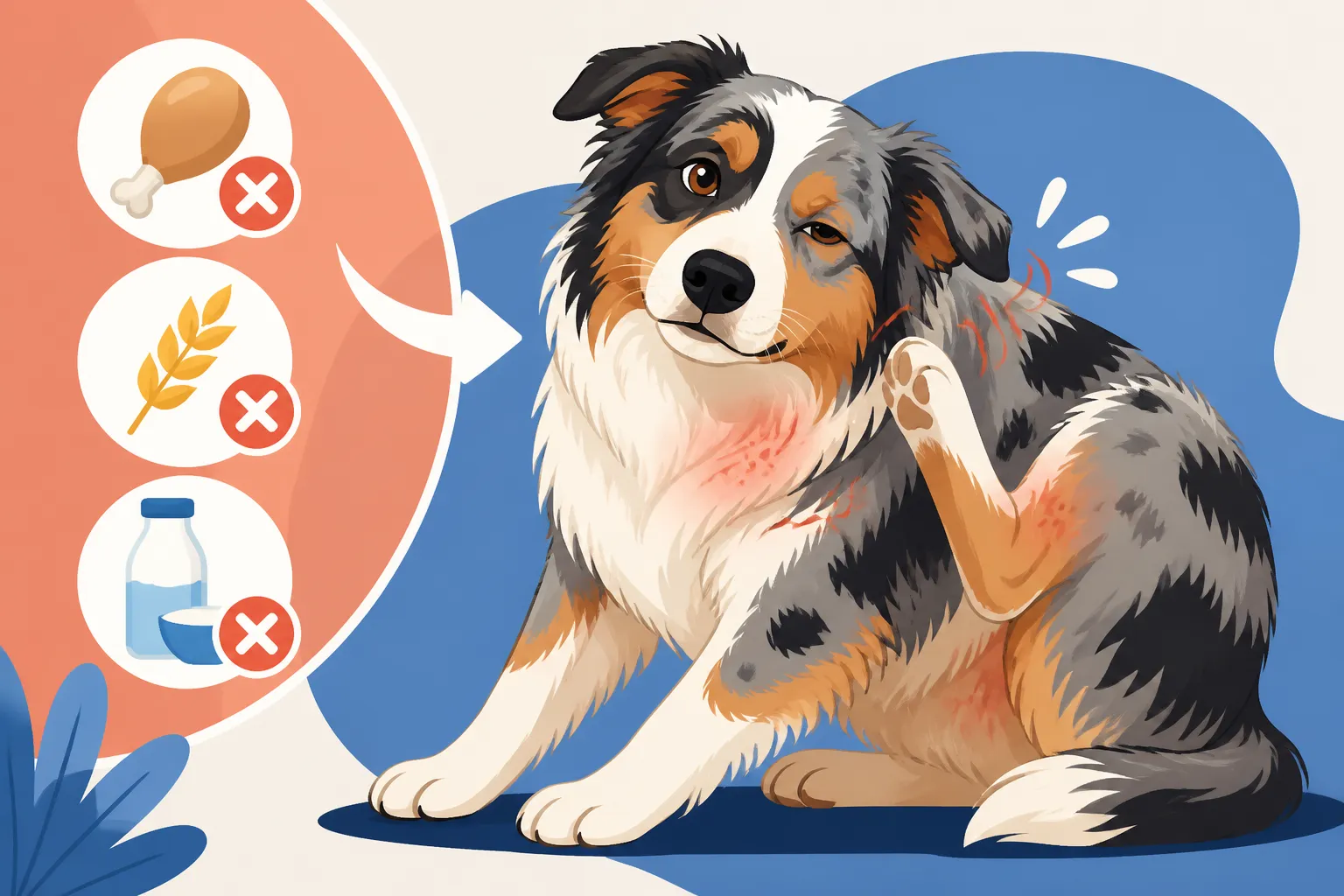
You might notice your Aussie incessantly scratching their flanks, ears, or belly. It's not just a casual scratch; it's often intense, relentless, and can lead to secondary skin infections from all the trauma. Their paws might become a particular target, leading to constant licking, chewing, and sometimes a reddish-brown stain on their fur from saliva. Some Aussies will even rub their faces along furniture or the carpet, desperate for relief from an itchy muzzle or around their eyes. Beyond the skin, food allergies can also cause chronic ear infections, with your dog shaking their head, scratching at their ears, and sometimes producing a foul-smelling discharge. And it’s not always just skin deep; some Australian Shepherds can experience gastrointestinal upset like chronic diarrhea, vomiting, or excessive gas alongside their skin issues. It's truly a full-body frustration for them. For a deeper dive into overall skin and coat issues, you might want to read about Australian Shepherd Skin, Coat and Allergy Problems.
Differentiating Food Allergies from Environmental Allergies
This is where things get really complicated because the symptoms often overlap significantly. Both environmental (atopic) allergies and food allergies can cause itchy skin, ear infections, and paw licking. The key differences often lie in the pattern and response to treatment.
Environmental allergies, like those to pollen, dust mites, or molds, often have a seasonal component, though some can be year-round depending on the allergen. If your Aussie only gets itchy in the spring when the grass pollen is high, or in the fall, that’s a strong indicator of an environmental allergy. However, dust mites are ubiquitous indoors, so an environmental allergy can definitely be year-round. Food allergies, on the other hand, typically cause non-seasonal itching, meaning your dog is just as itchy in the dead of winter as they are in summer. If your Australian Shepherd suffers from constant, unrelenting itching regardless of the time of year, food allergies should definitely be on your radar. Another clue can be how they respond to anti-itch medications. Often, environmental allergies respond well to antihistamines or steroids, while food allergies might show little to no improvement with these conventional treatments, making the itch even more baffling. Understanding these nuances is vital for finding the right path forward and avoiding unnecessary treatments. This distinction is so important that if you're not seeing improvement, exploring Seasonal Allergies in an Australian Shepherd might give you additional context.
The Elimination Diet: The Gold Standard for Diagnosis
You’ve likely heard about elimination diets for humans, and the concept for dogs is very similar. It's not a quick fix, and it requires commitment, but it is currently the most reliable way to accurately diagnose a food allergy in your Australian Shepherd. Think of it as a detective mission, where you meticulously remove all common suspects to see if the crime (the itching) stops.
Choosing the Right Novel Protein or Hydrolyzed Diet
The success of an elimination diet hinges entirely on feeding your Australian Shepherd ingredients they have never encountered before, or using a specially formulated diet where the proteins are broken down so small that the immune system can't recognize them as allergens. This is often called a novel protein diet or a hydrolyzed protein diet.
When considering a novel protein diet, you’re looking for unusual protein sources like venison, duck, rabbit, kangaroo, or even alligator. The idea is that if your Aussie has never eaten, say, duck before, their immune system won't have had the chance to develop an allergy to it. The challenge here is truly ensuring it’s novel; if your dog has eaten "limited ingredient" foods with duck as a protein source in the past, it might not be a novel option for your dog. This is why a thorough dietary history is crucial. Alternatively, hydrolyzed protein diets take common proteins, like chicken or soy, and break them down into such tiny molecules that they are theoretically too small to trigger an allergic reaction. Brands like Hill's Prescription Diet z/d, Royal Canin Hydrolyzed Protein, or Purina Pro Plan Veterinary Diets HA Hydrolyzed are common choices that your vet might recommend. These diets are carefully balanced and complete, ensuring your Australian Shepherd still gets all the necessary nutrients while undergoing the elimination trial. Remember, this isn’t about just picking a "grain-free" or "limited ingredient" food off the shelf, as those often contain common proteins your dog may be allergic to, or can have cross-contamination. For more specific guidance on selecting appropriate food, you might find Novel Protein Food for an Itchy Aussie helpful.
Strict Adherence and Duration
This is perhaps the most challenging part: strict adherence. For the elimination diet to work, your Australian Shepherd can consume nothing else for the entire duration. This means absolutely no treats, no table scraps, no flavored medications, no rawhides, no chew toys made with animal proteins, and not even flavored toothpaste. Even a tiny bite of an old treat can contaminate the trial and give you false results, sending you back to square one. Imagine a friend giving your Aussie a single piece of cheese when you’re not looking—that’s enough to throw off weeks of effort.
The typical duration for a successful elimination diet is usually 8 to 12 weeks. This timeframe allows enough time for all previous food allergens to clear your Aussie's system and for their skin to heal from the inflammatory response. It’s a marathon, not a sprint, and patience is key. During this period, keep a detailed log of your Aussie's itching, skin condition, and any other symptoms. This record will be invaluable in determining the diet's effectiveness. While it might seem like a long time, the clarity it can provide about your dog's health is truly priceless. Many pet insurance providers like Healthy Paws offer coverage for unexpected illnesses and conditions, so it's always wise to check your policy for diagnostic testing like this.
Reintroduction and Confirmation
If, after 8-12 weeks of strict adherence to the novel or hydrolyzed diet, your Australian Shepherd’s itching and other symptoms have significantly improved or completely disappeared, you've successfully identified that food allergies are indeed the problem. Congratulations! But the mission isn't over; now it's time to find the specific culprits.
This stage involves a carefully controlled reintroduction of individual food ingredients, one at a time, usually for about a week each, while closely monitoring your Aussie for a return of symptoms. You might start with a common protein like chicken. Feed chicken exclusively for a week, observing your dog for any itching, redness, or GI upset. If symptoms return, you’ve likely found an allergen! If no symptoms appear, chicken is probably safe, and you can move on to the next ingredient, such as beef, then dairy, then grains like wheat or corn, and so on. If symptoms flare up, you immediately stop feeding that ingredient and return to the elimination diet until symptoms resolve again before trying the next one. This step-by-step process allows you to pinpoint exactly which ingredients your Australian Shepherd is allergic to, creating a definitive list of foods to avoid. It’s methodical, but it provides the answers you need to manage your Aussie’s health effectively long-term. Remember, logging Aussie seizures for the neurologist is similar to logging food reactions for an allergist; consistency is key!
Managing and Preventing Food Allergy Flare-Ups
Once you've navigated the tricky waters of the elimination diet and identified your Aussie's specific food allergens, the next step is establishing a long-term management plan. This isn't just about avoiding the triggers; it’s about supporting their overall skin health and ensuring they stay comfortable.
Long-Term Dietary Management
The cornerstone of managing food allergies in an Australian Shepherd is to consistently feed a diet free from their identified allergens. This might mean sticking with the novel protein or hydrolyzed diet that brought them relief, or transitioning to a commercial dog food that specifically avoids those ingredients. Many pet food companies now offer "limited ingredient" diets that are formulated without common allergens like chicken, beef, dairy, wheat, soy, and corn. However, it's crucial to read labels meticulously and, if in doubt, always consult with your veterinarian. They can help you select a commercial diet that truly meets your Aussie’s needs and is free from the problematic ingredients.
Remember, cross-contamination is a real concern, especially if you have other pets in the house. Ensure all food and treats are stored separately, and avoid feeding your Aussie any treats that might contain hidden allergens. This commitment means everyone in the household, and even visitors, needs to be on board with the rules. The peace of mind and comfort it brings your Aussie will be well worth the effort.
Supportive Care for Itchy Skin
While diet is primary, supportive care can significantly improve your Australian Shepherd's comfort and help their skin heal. Topical treatments, such as medicated shampoos and conditioners, can soothe inflamed skin, reduce itching, and treat secondary bacterial or yeast infections that often accompany chronic scratching. Your vet might recommend specific ingredients like chlorhexidine for bacteria or miconazole for yeast.
Omega-3 fatty acid supplements, like fish oil, can also be incredibly beneficial. These essential fatty acids have anti-inflammatory properties that can help reduce skin inflammation and improve the overall health of your Aussie’s coat and skin barrier. They won't cure the allergy, but they can provide noticeable relief and complement the dietary management. Other supplements, like probiotics, might also be considered to support gut health, as a healthy gut can sometimes contribute to better immune regulation. Always discuss any supplements with your vet before introducing them, especially if you're dealing with a specific condition. For detailed guidance on proper nutrition and supplements for a healthy coat, you might want to review Fish Oil for an Aussie Double Coat.
Reading Food Labels Critically
This skill becomes absolutely vital for any Australian Shepherd owner managing food allergies. Pet food labels can be confusing, full of marketing jargon, and sometimes deliberately vague. You need to become a detective yourself when scrutinizing ingredients.
First, look for a clear list of protein sources. If your Aussie is allergic to chicken, even "chicken meal," "chicken fat," or "chicken broth" can trigger a reaction. Be wary of generic terms like "animal protein" or "meat by-products" as they can hide unknown allergens. Secondly, examine the carbohydrate sources. While grains get a bad rap, a true grain allergy is less common than protein allergies. However, if your Aussie reacted to wheat or corn during the reintroduction phase, ensure those are absent. Be on the lookout for hidden ingredients in flavorings, colorings, or preservatives. Sometimes, manufacturers use ingredients that contain trace amounts of common allergens. Even seemingly innocuous items like treats, dental chews, or supplements can contain problem ingredients. For instance, many common dental chews are chicken-based. Always check the ingredient list for everything your Australian Shepherd consumes. This detailed approach to label reading will empower you to make truly informed choices for your sensitive Aussie. If you need a more in-depth guide, check out The Label Details That Matter for an Aussie.
| Common Food Allergens | Common Novel Protein Alternatives | Common Grain Alternatives |
|---|---|---|
| Beef | Duck | Sweet Potato |
| Chicken | Venison | Peas |
| Dairy | Rabbit | Lentils |
| Egg | Kangaroo | Potato |
| Soy | Alligator | Quinoa |
| Wheat | Fish (Salmon, Whitefish) | Tapioca |
| Corn | Lamb | Chickpeas |
When to Seek Professional Veterinary Help
While managing your Australian Shepherd's food allergies at home can feel empowering, there are definitely times when the situation warrants professional veterinary intervention. Persistent symptoms, new concerns, or a lack of improvement should always trigger a visit to your vet.
Recognizing When It's More Than Just Allergies
Sometimes, what looks like an allergy could be something else entirely, or an allergy can open the door to secondary problems. For instance, chronic itching and inflammation can lead to nasty skin infections, often requiring antibiotics or antifungals. These infections can exacerbate the itching, creating a vicious cycle. If you notice open sores, scabs, hair loss, a strong odor from the skin or ears, or a change in skin color, these are signs of a secondary infection that needs prompt veterinary attention.
Furthermore, other health conditions can mimic allergy symptoms. Skin parasites like mites (e.g., Sarcoptic mange) can cause intense itching, as can fungal infections (ringworm). Certain autoimmune diseases, hormonal imbalances like hypothyroidism, or even some types of cancer can also manifest with skin issues. If your Aussie's symptoms are worsening, they're losing weight, seem lethargic, or you're seeing signs that aren't typical for just itching, it's definitely time to get them checked out. A general practitioner can often run tests to rule out these other conditions, ensuring you're not missing a critical diagnosis. If you’re concerned about other health aspects, particularly for a breed with specific needs, it might be worth exploring The Genetic Panel Every Australian Shepherd Needs to cover all bases. Or, if the coat quality changes, reading about Hypothyroidism and a Dull Australian Shepherd Coat could be insightful.
Working with a Veterinary Dermatologist
If you've diligently followed an elimination diet and are still struggling, or if your Australian Shepherd's allergies are severe, chronic, and significantly impacting their quality of life, it might be time to consider a specialist: a veterinary dermatologist. These professionals have advanced training in skin conditions and can offer diagnostic tests and treatments beyond what a general practitioner typically provides.
A veterinary dermatologist can perform more specialized tests, such as skin biopsies, intradermal skin testing (similar to allergy testing in humans for environmental allergens), or blood tests to identify specific environmental triggers. While these tests aren't typically used for food allergies, they can help rule out or confirm environmental allergies, allowing you to focus on the appropriate treatment. They can also help manage secondary infections more effectively, prescribe stronger or more targeted medications, and develop a comprehensive, long-term management plan tailored to your Aussie’s unique situation. It's an investment, but for severe cases, the expertise of a dermatologist can be invaluable in bringing lasting relief to your itchy Australian Shepherd. Many owners find their pet insurance, like Healthy Paws, is a huge help with specialist visits and ongoing medication costs for conditions like severe allergies, so always confirm your coverage. Don't let your Aussie suffer in silence; a specialist can often uncover solutions that bring a profound improvement to their comfort and well-being.
Disclaimer
This article is for general informational purposes only and does not constitute professional advice. Laws, prices and regulations vary by location and change over time. Consult a qualified professional for guidance on your specific situation.