Australian Shepherd Skin, Coat and Allergy Problems
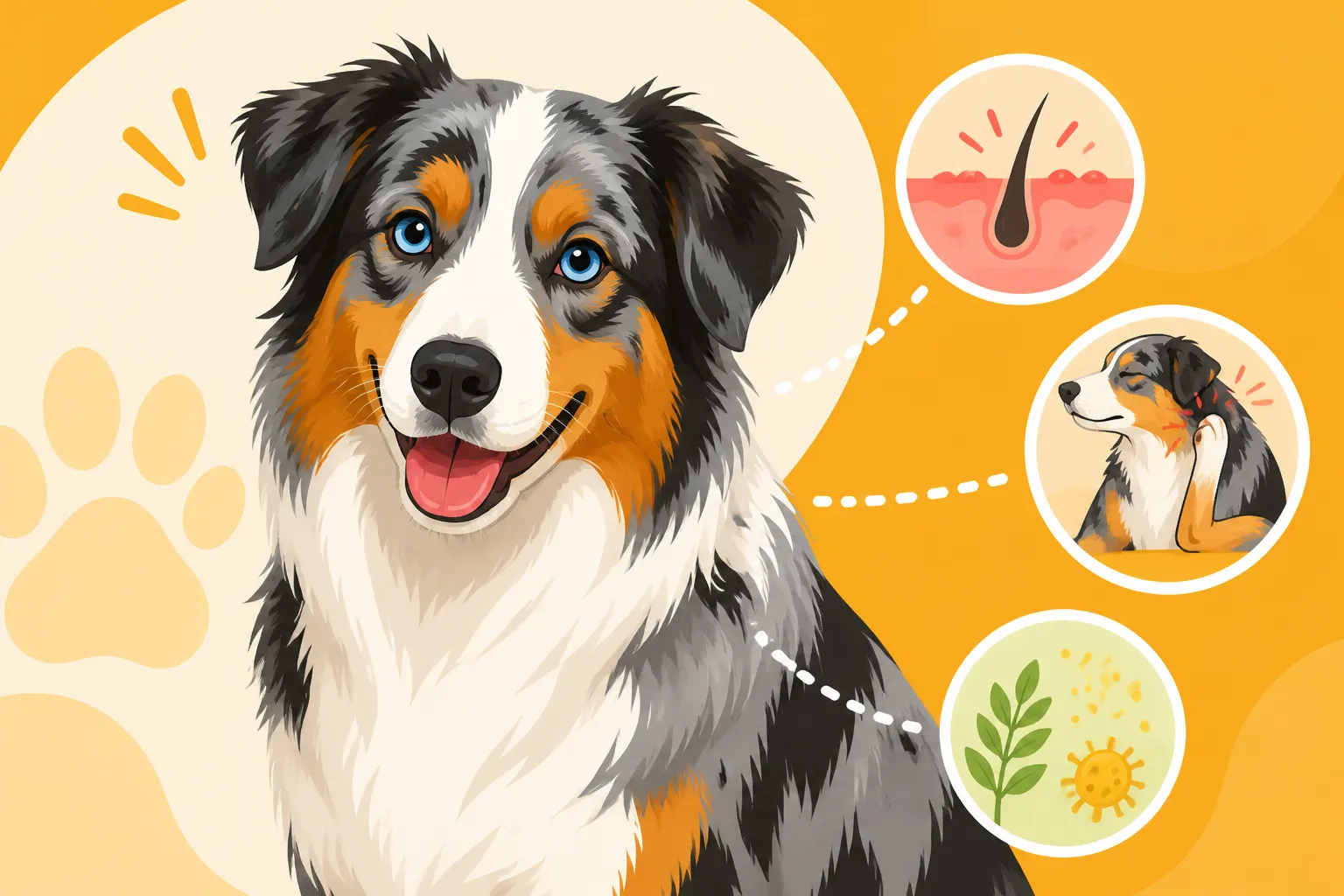
It's incredibly frustrating when your beautiful Australian Shepherd starts scratching incessantly, develops weird rashes, or their gorgeous double coat suddenly looks dull and unhealthy. You spend so much time grooming, feeding them well, and making sure they're happy, only to be met with constant discomfort for your beloved companion. Many Aussie owners face these challenges, often feeling helpless as they try to pinpoint the cause of their dog's skin, coat, and allergy problems. This comprehensive guide will walk you through understanding these common issues, recognizing the signs, and exploring effective strategies for diagnosis, treatment, and prevention, helping you restore your Aussie's comfort and vibrant coat.
Understanding the Australian Shepherd Coat
The Australian Shepherd's coat is one of their most striking features, but it's also a complex system that requires particular care and can be a source of many skin issues if not properly understood. This isn't just about looking pretty; their coat provides vital protection and insulation.
The Double Coat's Purpose and Structure
An Australian Shepherd's coat isn't just one layer; it's a magnificent double coat, perfectly designed for the demands of their active, often outdoor, lifestyle. This means they have a coarse, water-resistant outer coat, often referred to as guard hairs, which protects them from rain, snow, and physical abrasions. Beneath this protective layer lies a softer, dense undercoat that acts as insulation, keeping them warm in winter and surprisingly cool in summer by trapping air. This intricate structure is what gives them their majestic appearance and allows them to thrive in various climates, from the chilly mountain air to the warmth of a ranch.
The undercoat is significantly thicker and softer than the outer coat, and its primary job is thermal regulation. It's like nature's own climate control system. When you run your fingers through an Aussie's fur, you'll feel the resilience of the outer coat, then the plush, woolly texture of the undercoat closer to the skin. This combination means their coat is designed to shed debris and repel moisture, making them quite hardy companions. Understanding this dual structure is the first step in appreciating why proper grooming is so crucial; neglecting it can lead to matting, skin irritation, and a whole host of problems. It’s also why simply brushing the top layer isn’t enough; you need to get deep down to the skin to truly maintain their coat health.
This unique construction also means that their skin often lives in a microclimate created by the fur, which can sometimes be a breeding ground for bacteria or yeast if air circulation is compromised. When mats form, they pull on the skin, causing pain and creating dark, moist environments where infections can easily take hold. Think of it like wearing a very thick, unbreathable sweater for weeks on end—eventually, your skin underneath wouldn't be very happy. For more detail on how this amazing fur works, you might want to read our article on The Australian Shepherd Double Coat Explained.
Seasonal Shedding and Coat Blow
If you live with an Australian Shepherd, you're intimately familiar with shedding. It's not just a minor annoyance; it's a significant twice-yearly event known as "coat blow." This is when your Aussie sheds large quantities of their undercoat to adapt to the changing seasons. In spring, they shed their heavy winter undercoat to prepare for warmer weather, and in the fall, they shed their lighter summer coat to grow in a denser one for winter. During these periods, it can feel like your house is perpetually covered in a fine layer of Aussie fluff, no matter how much you vacuum.
This "coat blow" can last for several weeks, and during this time, daily and thorough grooming is absolutely essential. If the old undercoat isn't removed, it can become trapped, forming dense mats that prevent air circulation, leading to skin irritation, infections, and discomfort. Imagine wearing a heavy, shedding sweater that you can't take off, even as the weather changes—that's what it feels like for your Aussie if their old coat isn't brushed out. This intense shedding is a natural process, but it requires diligent intervention from you, their human, to keep them comfortable and healthy. You can find more specific information on how to manage this period in our piece on Twice-Yearly Coat Blow in an Australian Shepherd.
Beyond these major seasonal events, Aussies also shed a moderate amount year-round. This is just part of living with a double-coated breed. Fine hairs will inevitably make their way onto your furniture, clothes, and floors. However, if you notice an extreme increase in shedding outside of the typical coat blow periods, or if there are bald patches accompanying the shedding, that’s a red flag that something else might be going on, such as an underlying health issue, nutritional deficiency, or a stress response. Always be observant of changes in your dog's shedding patterns.
Why Shaving an Aussie is a Bad Idea
Despite the best intentions, some owners think that shaving their Australian Shepherd will help them stay cool in summer or reduce shedding. This is a common misconception, and it's actually one of the worst things you can do for their coat and skin health. Shaving an Australian Shepherd disrupts the natural function of their double coat. The double coat provides insulation, keeping them warm in winter, but also acts as a barrier against heat in summer, protecting them from sunburn and regulating their body temperature by trapping cooler air close to the skin.
When you shave an Aussie, you strip away both the protective guard hairs and the insulating undercoat. This leaves their delicate skin exposed to the sun, significantly increasing their risk of sunburn and even skin cancer. Furthermore, it interferes with their natural cooling mechanism, potentially making them hotter in the long run. The guard hairs are also essential for repelling water and dirt, and once shaved, they may not grow back correctly, leading to a damaged, patchy, and uneven coat texture that can be even more prone to matting and less effective at protecting them. This irreversible damage is why most reputable groomers will strongly advise against shaving double-coated breeds. We delve deeper into this specific issue in our article titled Why an Australian Shepherd Should Never Be Shaved.
It’s not just about aesthetics; it’s about their health and well-being. Instead of shaving, focus on proper grooming techniques like deshedding tools and regular brushing to remove loose undercoat, which is the actual way to help them stay comfortable and cool. Cooling mats, access to shade, and fresh water are far more effective and safer methods for managing heat than compromising their natural protective layer.
Common Australian Shepherd Skin Conditions
Beyond the general maintenance of their glorious coat, Australian Shepherds are susceptible to a range of specific skin conditions. These can be uncomfortable, unsightly, and, if left untreated, can lead to more serious health issues.
Hot Spots: Acute Moist Dermatitis
Hot spots, or acute moist dermatitis, are intensely itchy, red, moist, and often painful lesions that appear suddenly on an Australian Shepherd's skin. They are typically caused by self-trauma – your Aussie incessantly licking, chewing, or scratching at an area, usually triggered by an underlying itch. This constant attention breaks the skin, allowing bacteria to proliferate rapidly in the warm, moist environment created by the dog's saliva and body heat, leading to a fast-developing infection. It's a vicious cycle: something irritates the skin, the dog licks it, the licking makes it worse, and then it gets infected.
These hot spots can appear anywhere but are commonly found on the head, hips, and flanks, often hidden beneath their dense fur, especially in areas like the hindquarters or behind the ears where they are harder to spot until they become quite severe. Identifying them early is crucial because they can expand rapidly in a matter of hours. The root cause of the initial itch can be anything from flea bites, allergic reactions (food or environmental), ear infections, or even simple boredom and stress. If you suspect a hot spot, it's important to trim the fur around the area carefully to allow it to dry out and to prevent further self-trauma, though professional veterinary attention is almost always needed to treat the infection and address the underlying cause. We've explored these specific irritations further in Hot Spots Hidden in an Aussie Undercoat.
Treatment typically involves shaving the hair around the lesion, cleaning the area with an antiseptic solution, and often requires topical or oral antibiotics and anti-inflammatory medications. Sometimes, a cone collar (Elizabethan collar) is necessary to prevent the dog from continuing to lick and exacerbate the wound. It's incredibly disheartening to see your normally vibrant Aussie in such discomfort, but swift action can often resolve hot spots quickly.
Pyoderma: Bacterial Skin Infections
Pyoderma is a bacterial skin infection that can manifest in several ways on an Australian Shepherd. It literally means "pus in the skin." These infections are usually secondary to another underlying issue that compromises the skin's barrier or immune function, such as allergies, hormonal imbalances, parasites (like mites or fleas), or even trauma. While bacteria are naturally present on a dog's skin, an overgrowth or penetration into deeper layers of the skin can lead to pyoderma.
There are different types of pyoderma, ranging from superficial infections affecting the top layers of the skin (like folliculitis, which causes small red bumps and pustules around hair follicles, often mistaken for acne) to deep pyoderma, which penetrates deeper into the skin layers, causing abscesses, draining tracts, and significant pain. Symptoms can include redness, itching, scaling, pustules, crusts, hair loss, and a foul odor. The skin may also feel greasy or have dark pigmentation in chronic cases. The challenge with Aussies is that their thick coat can obscure these signs, making early detection difficult, especially for deeper infections.
Diagnosis usually involves a veterinary examination, skin cytology (looking at skin cells under a microscope), and sometimes bacterial culture and sensitivity testing to determine the best antibiotic course. Treatment for pyoderma generally involves a course of oral antibiotics, often for several weeks, and topical antiseptic shampoos or mousses to help reduce bacterial load on the skin. It’s vital to complete the entire course of antibiotics, even if symptoms improve quickly, to prevent recurrence and antibiotic resistance. Addressing the primary underlying cause, such as managing allergies or parasites, is also critical to prevent future pyoderma episodes.
Dermatitis and Irritations
Dermatitis is a general term for inflammation of the skin, and it can affect Australian Shepherds due to various irritants. Contact dermatitis, for example, occurs when an irritant or allergen comes into direct contact with the skin. This could be anything from harsh cleaning products on carpets, certain plants in the yard, fertilizers, road salts, or even ingredients in shampoos and conditioners. The affected areas often correspond to where the irritant made contact, such as the paws, belly, or chin. Symptoms usually include redness, itching, swelling, and sometimes small blisters or crusts.
Another common irritation, especially in active Aussies, can come from moisture trapped in skin folds (though Aussies generally don't have deep folds, areas like armpits or groin can become irritated) or under matted fur. Poor grooming can lead to discomfort and inflammation. For instance, if moisture gets trapped after a swim and isn't thoroughly dried, it can create a perfect environment for yeast or bacterial overgrowth, leading to irritation. Environmental factors like extreme humidity or very dry air can also play a role in skin health, sometimes leading to dry, flaky skin.
Managing dermatitis often involves identifying and removing the irritant. This might mean changing cleaning products, avoiding certain walking paths, or switching to hypoallergenic grooming products. Soothing baths with colloidal oatmeal shampoos, topical creams to reduce inflammation and itching, and sometimes short courses of corticosteroids might be prescribed by your vet to provide relief. Persistent or recurring dermatitis always warrants a deeper investigation to rule out allergies or other underlying conditions.
Allergies in Australian Shepherds: Types and Triggers
Allergies are a common, frustrating, and often chronic problem for Australian Shepherds. When an Aussie has an allergy, their immune system overreacts to a harmless substance, leading to inflammation and discomfort, primarily manifesting in skin issues.
Environmental Allergies (Atopy)
Environmental allergies, medically known as atopy or atopic dermatitis, are one of the most common types of allergies in Australian Shepherds. Just like people can have hay fever, Aussies can be allergic to airborne particles in their environment. These allergens can include pollen from trees, grasses, and weeds, dust mites (a huge culprit!), mold spores, and even dander from other animals. The symptoms are typically seasonal if triggered by pollen, but can be year-round if the culprits are dust mites or mold, which often live indoors.
The frustrating part about environmental allergies is that Aussies don't typically sneeze or get runny noses like humans do. Instead, their allergic reaction usually presents as intense itching of the skin. They might lick their paws incessantly, rub their face against furniture, scratch their ears until they're raw, or develop generalized body itching. Over time, this constant self-trauma leads to secondary skin infections (pyoderma), yeast infections, hair loss, and thickened, darkened skin. Diagnosing atopy can be challenging, often involving a process of elimination and sometimes specialized allergy testing like intradermal skin testing or blood tests. Management focuses on reducing exposure where possible (e.g., frequent cleaning for dust mites), symptomatic relief, and sometimes immunotherapy (allergy shots or drops). Many Australian Shepherd owners struggle with Seasonal Allergies in an Australian Shepherd.
Food Allergies and Sensitivities
Food allergies and sensitivities are another significant cause of skin issues in Australian Shepherds, though they are less common than environmental allergies. The terms "allergy" and "sensitivity" are often used interchangeably, but a true food allergy involves an immune response, while a food sensitivity is more of a digestive intolerance without an immune system component. In both cases, certain ingredients trigger adverse reactions. The most common culprits in dog food are often proteins like beef, chicken, dairy, wheat, and soy, but an Aussie can develop an allergy to almost any ingredient they've been repeatedly exposed to.
Unlike environmental allergies, food allergies often cause non-seasonal itching, digestive upset (like vomiting or diarrhea), and sometimes recurrent ear infections. The itching can be generalized or localized to specific areas like the paws, ears, groin, or around the anus. It can be incredibly difficult to identify the exact trigger ingredient, which is why a strict elimination diet is the gold standard for diagnosis. This involves feeding a novel protein or hydrolyzed protein diet for a period of 8-12 weeks, ensuring absolutely no other treats or foods are given. If symptoms resolve, ingredients are then reintroduced one by one to pinpoint the allergen. This can be a long and tedious process but is often the most effective way to find relief for your Aussie's persistent itching. More on this topic can be found in Food Allergy Itching in an Australian Shepherd.
Flea Allergy Dermatitis (FAD)
Flea Allergy Dermatitis (FAD) is arguably one of the most common and easily preventable causes of intense itching and skin problems in Australian Shepherds. It's not just about having fleas; it's an allergic reaction to the proteins in flea saliva. For an Aussie with FAD, even a single flea bite can trigger a severe, widespread allergic reaction that can last for weeks. This means you might not even see fleas on your dog, as they could have already jumped off after biting, yet your Aussie is still scratching relentlessly.
The typical symptoms of FAD include extreme itching, especially around the base of the tail, hindquarters, inner thighs, and abdomen. You'll likely see redness, bumps, crusts, and hair loss from excessive scratching and licking. Secondary bacterial skin infections or yeast infections are very common with FAD due to the compromised skin barrier. Diagnosing FAD usually relies on finding evidence of fleas (flea dirt, live fleas) and observing the characteristic pattern of itching. The good news is that FAD is highly manageable. Consistent, year-round flea prevention with a high-quality product is key. This not only treats existing fleas but also breaks their life cycle, preventing future bites and subsequent allergic reactions. Many powerful and safe products are available, from topical treatments to oral medications, and your vet can recommend the best option for your Aussie, especially if they have sensitivities like the MDR1 mutation.
Recognizing Allergy Symptoms in Your Aussie
Identifying allergy symptoms in your Australian Shepherd can be tricky because many different conditions can cause similar signs. However, persistent itching and related skin changes are usually the most obvious indicators that something is amiss.
Excessive Itching and Licking
The hallmark sign of allergies in Australian Shepherds, regardless of the specific type, is excessive itching, or pruritus. This isn't just an occasional scratch; we're talking about relentless, often frantic scratching that can consume much of your dog's day and night. You might notice your Aussie constantly scratching with their hind leg, rubbing their body against furniture or carpets, or scooting their rear end along the floor. This intense itching can lead to significant discomfort and disrupt their sleep, as well as yours.
Beyond scratching, obsessive licking and chewing are also huge indicators. Many Aussies will target specific areas, such as their paws, legs, flanks, or around their tail. This persistent licking can be particularly damaging, as their saliva introduces moisture and bacteria, creating a prime environment for secondary infections like hot spots or pyoderma. You might notice their fur in these areas becoming stained reddish-brown from saliva, or even thinning out due to constant abrasion. The sound of an Aussie chewing their paws late into the night is a frustrating, all-too-familiar sound for many owners whose dogs suffer from allergies.
It's important to differentiate between normal grooming and obsessive self-trauma. A healthy dog grooms itself, but if your Aussie seems constantly preoccupied with scratching, licking, or chewing, or if these behaviors are causing visible damage to their skin and coat, it's definitely a sign that an underlying issue, very likely an allergy, needs veterinary attention. Don't dismiss it as just "how they are"; prolonged itching causes immense suffering.
Skin Redness, Rashes, and Hair Loss
As a direct consequence of the persistent itching and inflammation, an Australian Shepherd's skin will often show visible changes. One of the first things you might notice is redness (erythema), particularly in areas where they scratch or lick frequently, such as the belly, armpits, groin, or between their toes. This redness can sometimes be accompanied by small bumps, pustules, or crusts, indicating secondary bacterial or yeast infections that have set in due to the compromised skin barrier. These rashes can range from subtle pinkness to an angry, bright red inflammation.
Hair loss, or alopecia, is another common symptom. This can occur for several reasons: directly from the underlying inflammation, from the physical act of scratching and chewing pulling out fur, or from secondary infections that damage hair follicles. You might see thinning patches, complete bald spots, or a dull, brittle quality to the remaining hair. Over time, if allergies become chronic, the skin in affected areas can become thickened (lichenified) and take on a leathery texture, often appearing darker in pigmentation (hyperpigmentation). This is the body's protective response to chronic inflammation.
The combination of redness, rashes, and hair loss is a clear indicator of significant skin distress. For example, an Aussie with a severe food allergy might present with widespread redness and patchy hair loss across their abdomen and inner thighs, while one with environmental allergies might have very red, inflamed ears and hair loss around their eyes and muzzle from rubbing. Observing these changes closely can provide crucial clues for your veterinarian when diagnosing the cause of your Aussie's discomfort.
Ear Infections and Paw Chewing
While often overlooked as standalone problems, recurrent ear infections and compulsive paw chewing are classic, almost textbook, signs of underlying allergies in Australian Shepherds. An Aussie's ears, with their moderate size and often semi-pricked or dropped carriage, can be particularly susceptible to the inflammation that comes with allergies. The skin lining the ear canal becomes itchy and inflamed, leading to an overgrowth of bacteria or yeast, which thrive in the warm, moist environment.
You might notice your Aussie shaking their head frequently, scratching at their ears, or holding one ear at an odd angle. Inside the ear, you might see redness, swelling, discharge (waxy, brownish, or pus-like), and a foul odor. These ear infections can be incredibly painful and are a common frustrating cycle for allergic dogs. If your Aussie is getting repeated ear infections, it's rarely just an "ear problem" but usually a symptom pointing towards a systemic issue like allergies. More detailed information on this specific issue can be found in Australian Shepherd Ear Infections.
Similarly, obsessive paw chewing, licking, and biting are very common allergic manifestations. An allergic Aussie will often lick and chew their paws until the fur is stained reddish-brown, wet, and sometimes raw and inflamed. They might even nibble at their nails. This behavior can be intense, occurring throughout the day and night. Like ear infections, paw chewing often leads to secondary bacterial or yeast infections between the toes, further exacerbating the discomfort. The allergens (whether environmental or food-related) cause systemic itchiness, and the paws become a convenient, accessible target for self-soothing or self-mutilation. If your Aussie's paws are constantly wet, red, or have a yeasty smell, allergies are a very strong suspect.
Diagnosis and Management of Aussie Skin and Allergy Issues
When your Australian Shepherd is suffering from skin and allergy problems, getting an accurate diagnosis is the first and most crucial step towards providing effective relief. It's often a process of elimination and requires patience from both you and your vet.
Veterinary Examination and Diagnostic Tests
The journey to diagnosing your Aussie's skin and allergy issues always begins with a thorough veterinary examination. Your vet will take a detailed history, asking about diet, environment, flea prevention, the onset and progression of symptoms, and any previous treatments. This initial consultation is vital, as it helps narrow down potential causes. During the physical exam, your vet will meticulously inspect your Aussie's skin, coat, ears, and paws, looking for signs like redness, lesions, parasites, and secondary infections.
Based on the initial findings, your vet will likely recommend several diagnostic tests. These might include:
- Skin Cytology: This involves gently taking a sample from the skin (using tape or a swab) and examining it under a microscope to identify bacteria, yeast, or inflammatory cells. This is a quick and non-invasive way to confirm secondary infections.
- Skin Scrapings: If parasites like mites are suspected, a small scraping of the superficial skin is taken and examined under a microscope.
- Fungal Cultures: To rule out ringworm, a fungal infection, hair and skin samples may be cultured.
- Blood Tests: While not always definitive for allergies, blood tests can assess overall health, rule out underlying hormonal conditions (like hypothyroidism, which can cause skin issues), and sometimes test for environmental allergens (though the accuracy of these can vary).
- Allergy Testing: For environmental allergies (atopy), intradermal skin testing (performed by a veterinary dermatologist) or specialized blood tests can help identify specific allergens, guiding immunotherapy.
It's important to understand that sometimes, diagnosing chronic skin issues is a stepwise process, ruling out common causes first before moving to more specialized tests. Your vet might suggest treating for parasites even if none are found, just to be sure, and then moving onto diet or environmental management.
Medication and Symptomatic Relief
Once a diagnosis is made, or even while working towards one, your veterinarian will focus on providing immediate relief for your Australian Shepherd's discomfort. Medications play a significant role in managing symptoms and treating secondary infections.
Common medications and treatments include:
- Antibiotics: If bacterial infections (like pyoderma or hot spots) are present, oral antibiotics are often prescribed, sometimes for several weeks, to clear the infection. Topical antibiotic ointments or sprays may also be used.
- Antifungals: For yeast infections, oral antifungal medications or medicated shampoos and wipes are used to control the fungal overgrowth.
- Antiparasitics: Consistent, year-round flea and tick prevention is crucial, especially if FAD is suspected. This might involve oral medications, topical spot-ons, or special collars.
- Anti-inflammatory Medications:
- Corticosteroids (e.g., Prednisone): These are powerful anti-inflammatory drugs that can quickly reduce severe itching and inflammation. They are often used for short-term relief in acute flare-ups but carry potential side effects with long-term use.
- Apoquel (Oclacitinib): This is a targeted medication that specifically inhibits the itch pathway, providing effective relief without the broad side effects of steroids.
- Cytopoint (Lokivetmab): An injectable monoclonal antibody that targets and neutralizes a key protein involved in triggering itch in allergic dogs. It offers long-lasting relief (typically 4-8 weeks) and has very few side effects.
- Antihistamines: Over-the-counter antihistamines like diphenhydramine (Benadryl) or cetirizine (Zyrtec) can sometimes provide mild relief for some dogs, but they are often not potent enough for severe allergic itching in Aussies. Always consult your vet for appropriate dosing.
- Medicated Shampoos, Conditioners, and Wipes: These topical treatments can help cleanse the skin, reduce bacterial and yeast counts, soothe irritation, and improve skin barrier function. Ingredients like chlorhexidine, miconazole, colloidal oatmeal, and ceramides are common.
The choice of medication will depend on the specific diagnosis, severity of symptoms, and your Aussie's individual health profile. For chronic conditions like atopy, a multimodal approach combining several treatments is often necessary to keep your Aussie comfortable. It's also worth noting that dealing with chronic conditions can lead to significant vet bills. Many owners find relief in pet insurance, and a provider like Healthy Paws can offer comprehensive coverage for these ongoing health challenges, helping to alleviate some financial stress.
Dietary Management and Elimination Diets
When food allergies or sensitivities are suspected as the cause of an Australian Shepherd's skin or digestive issues, dietary management becomes the cornerstone of treatment. The most effective way to identify a food allergen is through a strict elimination diet, which requires significant commitment but yields the most accurate results.
An elimination diet typically involves feeding a novel protein diet or a hydrolyzed protein diet for a minimum of 8 to 12 weeks.
- Novel Protein Diet: This means feeding a protein source that your Aussie has never eaten before, such as venison, duck, rabbit, or kangaroo. The carbohydrate source also needs to be novel (e.g., sweet potato or pea). The idea is that if your dog has never been exposed to it, they can't be allergic to it.
- Hydrolyzed Protein Diet: In these specialized veterinary diets, the protein has been broken down into tiny molecules that are too small for the immune system to recognize as allergens, effectively "hiding" the protein from the dog's allergic response. Brands like Royal Canin, Hill's Prescription Diet, and Purina Pro Plan Veterinary Diets offer these options.
During this strict trial, absolutely no other food, treats, flavored medications, rawhides, or table scraps are allowed. Even a tiny piece of an offending ingredient can ruin the trial. If your Aussie's symptoms resolve on the elimination diet, the next step is a "food challenge," where suspected ingredients are reintroduced one by one, typically every 1-2 weeks. If symptoms return after reintroducing a specific ingredient, then that ingredient is identified as the allergen. This process can be lengthy but is invaluable for providing your Aussie with lasting relief. We discuss this process in more detail in Eight Weeks of Elimination Diet on an Aussie.
Once the allergen is identified, you can then choose a commercial diet that avoids that specific ingredient. If a specific allergen cannot be pinpointed, or if multiple allergies exist, sticking to a carefully selected novel protein or hydrolyzed protein diet long-term might be the best solution. Always read ingredient labels carefully, as even some treats or supplements can contain hidden allergens. When selecting a new food for your sensitive Aussie, you might also find our article on Novel Protein Food for an Itchy Aussie helpful.
Preventative Care for a Healthy Australian Shepherd Coat and Skin
Prevention is always better than cure, especially when it comes to maintaining the health of your Australian Shepherd's skin and coat. A consistent routine of good care can significantly reduce the likelihood of developing frustrating and uncomfortable issues.
Regular Grooming and Coat Maintenance
Consistent and thorough grooming is non-negotiable for an Australian Shepherd, not just for aesthetics but for preventing a host of skin problems. Their dense double coat, while beautiful, is highly prone to matting and trapping debris, which can quickly lead to skin irritation and infections. You should aim to brush your Aussie at least 2-3 times a week, and ideally daily during their seasonal "coat blow" periods.
The key to effective brushing is using the right tools and techniques. A slicker brush can help detangle and remove loose fur from the top coat, but a good undercoat rake is essential for reaching deep into the undercoat and removing dead hair that would otherwise cause mats. Line brushing, where you part the hair and brush in sections down to the skin, ensures you're thoroughly addressing the entire coat. Pay special attention to areas prone to matting, such as behind the ears, in the armpits, and on their "trousers" (the longer fur on their hind legs). Regular bathing with a mild, dog-specific shampoo and thorough drying (especially the undercoat) can also help keep the skin clean and prevent odor and infections. Remember, never shave their double coat, as it can cause irreversible damage and compromise their natural protection. For tools that truly make a difference, check out The Rake That Reaches an Aussie Undercoat.
Proper Nutrition and Supplements
A healthy coat and skin start from the inside out, making proper nutrition incredibly important for your Australian Shepherd. A high-quality dog food that is complete and balanced, with easily digestible ingredients and appropriate protein and fat levels, forms the foundation of good skin and coat health. Look for foods that list a named meat source as the first ingredient and avoid excessive fillers, artificial colors, and preservatives.
Some Aussies may benefit from specific supplements, especially if they are prone to dry skin, dull coats, or inflammation.
- Omega-3 Fatty Acids: Supplements like fish oil (specifically EPA and DHA) are renowned for their anti-inflammatory properties and can significantly improve skin barrier function, reduce dryness, and give the coat a healthy sheen. They can be particularly beneficial for Aussies with allergies.
- Probiotics: A healthy gut microbiome can positively impact overall immune function and skin health. Probiotic supplements can help maintain digestive balance and reduce systemic inflammation.
- Vitamins and Minerals: Ensure your Aussie's diet contains adequate levels of vitamins (especially A, E, and B-complex) and minerals (like zinc), which are crucial for skin cell regeneration and coat quality.
Always consult with your veterinarian before adding any supplements to your Aussie's diet to ensure they are appropriate and correctly dosed, especially if your dog has existing health conditions or is on medication. A vet can help you tailor a nutritional plan that supports optimal skin and coat health.
Flea, Tick, and Parasite Control
One of the most straightforward and impactful preventative measures for Australian Shepherd skin health is year-round, consistent flea, tick, and other parasite control. As we discussed, even a single flea bite can trigger a severe allergic reaction (FAD) in sensitive Aussies, leading to intense itching and secondary infections. Ticks can also cause localized skin irritation at the bite site and transmit serious diseases. Other parasites like mites (e.g., Sarcoptes or Demodex) can cause widespread skin lesions, intense itching, and hair loss.
Working with your veterinarian to establish a comprehensive parasite control program is essential. There are many highly effective products available today, including oral medications, topical spot-ons, and special collars. Oral medications, in particular, are often preferred as they cannot be washed off and eliminate the risk of residue on your dog's coat that might be irritating to you or your family. It's crucial to administer these preventatives exactly as directed and consistently, even during colder months, as parasites can survive indoors or in milder climates year-round. Don't wait until you see fleas to start treatment; prevention is the key to avoiding the cycle of itching, scratching, and infection. This consistent prevention also helps protect against other health issues beyond just skin conditions.
When to Seek Veterinary Help for Skin and Coat Problems
It's easy to dismiss a little scratch here and there, but knowing when to call the vet for your Australian Shepherd's skin and coat issues is vital. Early intervention can prevent minor problems from escalating into serious, painful, and expensive conditions.
Persistent or Worsening Symptoms
If you notice your Australian Shepherd's scratching, licking, or skin irritation becoming persistent or worsening over time, it's a clear signal that professional help is needed. An occasional scratch is normal, but if your Aussie is constantly preoccupied with itching, cannot settle down, or if the problem has been ongoing for more than a few days without improvement from basic home care (like a soothing bath or a topical spray for a minor rash), it's time to book an appointment.
Watch for specific signs:
- Increased Intensity of Itching: If the itching is so severe it disrupts their sleep, eating, or daily activities.
- Spreading Lesions: If a small patch of redness or irritation starts to spread rapidly.
- Failure to Respond to Previous Treatments: If you've tried over-the-counter remedies or even previous prescription medications for a similar issue, and they are no longer effective.
- New Symptoms: The development of new symptoms such as a foul odor from the skin, discharge, significant hair loss, or obvious pain when touched.
These persistent or worsening signs suggest that the underlying cause is either progressing or that secondary infections have set in, both of which require veterinary diagnosis and targeted treatment. Delaying care can lead to deeper infections, more widespread skin damage, and a longer, more complicated recovery for your beloved Aussie.
Sudden Onset of Severe Issues
While chronic issues creep up, sometimes skin and coat problems can appear very suddenly and severely. This type of acute onset warrants immediate veterinary attention, as it could indicate a rapidly progressing infection, a severe allergic reaction, or even a more serious underlying health concern.
Examples of severe, sudden onset issues include:
- Rapidly Expanding Hot Spots: If a small red spot suddenly transforms into a large, moist, painful hot spot within hours.
- Facial Swelling or Hives: Sudden puffiness around the face, muzzle, or eyes, or the appearance of raised welts (hives) all over the body. This is often a sign of an acute allergic reaction, potentially to an insect bite, medication, or food, and can sometimes escalate into a life-threatening anaphylactic reaction.
- Sudden, Widespread Redness and Inflammation: If your Aussie's skin suddenly becomes very red, hot, and painful over a large area, it could indicate a severe bacterial infection or a serious inflammatory response.
- Lethargy, Loss of Appetite, or Fever Accompanied by Skin Changes: Any skin issue combined with systemic signs of illness needs urgent veterinary assessment.
These situations are not just uncomfortable; some can be medical emergencies. A severe allergic reaction can compromise breathing, and rapidly progressing infections can lead to systemic illness. Don't wait to see if it improves; call your vet or an emergency clinic immediately.
Emergency Situations
While many skin issues are chronic and annoying, there are certain emergency situations where immediate veterinary care for your Australian Shepherd is crucial. These are often characterized by rapid progression and may involve systemic signs that indicate a more severe, potentially life-threatening condition.
Consider these scenarios as emergencies:
- Anaphylactic Shock: If your Aussie experiences sudden, severe facial swelling, widespread hives, difficulty breathing, profuse vomiting/diarrhea, weakness, or collapse after a suspected insect sting, snake bite, or drug reaction. This is a life-threatening allergic reaction requiring immediate veterinary intervention.
- Severe Burns or Trauma: Obvious burns (chemical, thermal) or deep lacerations and wounds that penetrate the skin, especially if they are large, bleeding profusely, or show signs of infection.
- Extensive Swelling or Abscesses: Large, painful swellings that appear suddenly, especially if hot to the touch or if your Aussie is showing signs of pain, fever, or lethargy. These could indicate deep infections or abscesses that need to be drained and treated promptly.
- Suspicion of Toxic Exposure: If your Aussie has come into contact with a highly irritating chemical (e.g., strong cleaning products, industrial chemicals) that is causing severe skin burns or blistering.
In these urgent situations, time is of the essence. Don't hesitate to contact your emergency veterinarian without delay. Having a plan for these types of sudden emergencies is part of responsible Aussie ownership. Many owners consider pet insurance for these unexpected high-cost situations, and a provider like Healthy Paws can often provide invaluable peace of mind, covering a significant portion of emergency veterinary bills. While not always directly skin-related, severe skin reactions can sometimes be symptomatic of deeper issues, such as those discussed in The Cancers Vets See Most in Australian Shepherds or Australian Shepherd Autoimmune Disease, emphasizing the importance of thorough veterinary care.
Disclaimer
This article is intended for informational purposes only and does not constitute medical advice for your Australian Shepherd. Always consult with a qualified veterinarian for any health concerns or before making any decisions related to your dog's care and treatment.