Novel Protein Food for an Itchy Aussie
There are few things more heartbreaking than watching your beloved Australian Shepherd constantly scratch, lick, and chew themselves raw. You’ve tried everything – different shampoos, antihistamines, maybe even steroids – and still, that persistent itch remains, often leading to dull coats, skin infections, and general misery for your furry friend. If you're tired of seeing your Aussie suffer and suspect food might be the culprit, this guide is going to walk you through how novel protein diets can be a truly life-changing solution, helping you understand what they are, how to implement them, and what to expect on the journey to a calmer, itch-free pup.
Unpacking "Novel Protein": What It Is and Why It Matters for Your Itchy Aussie
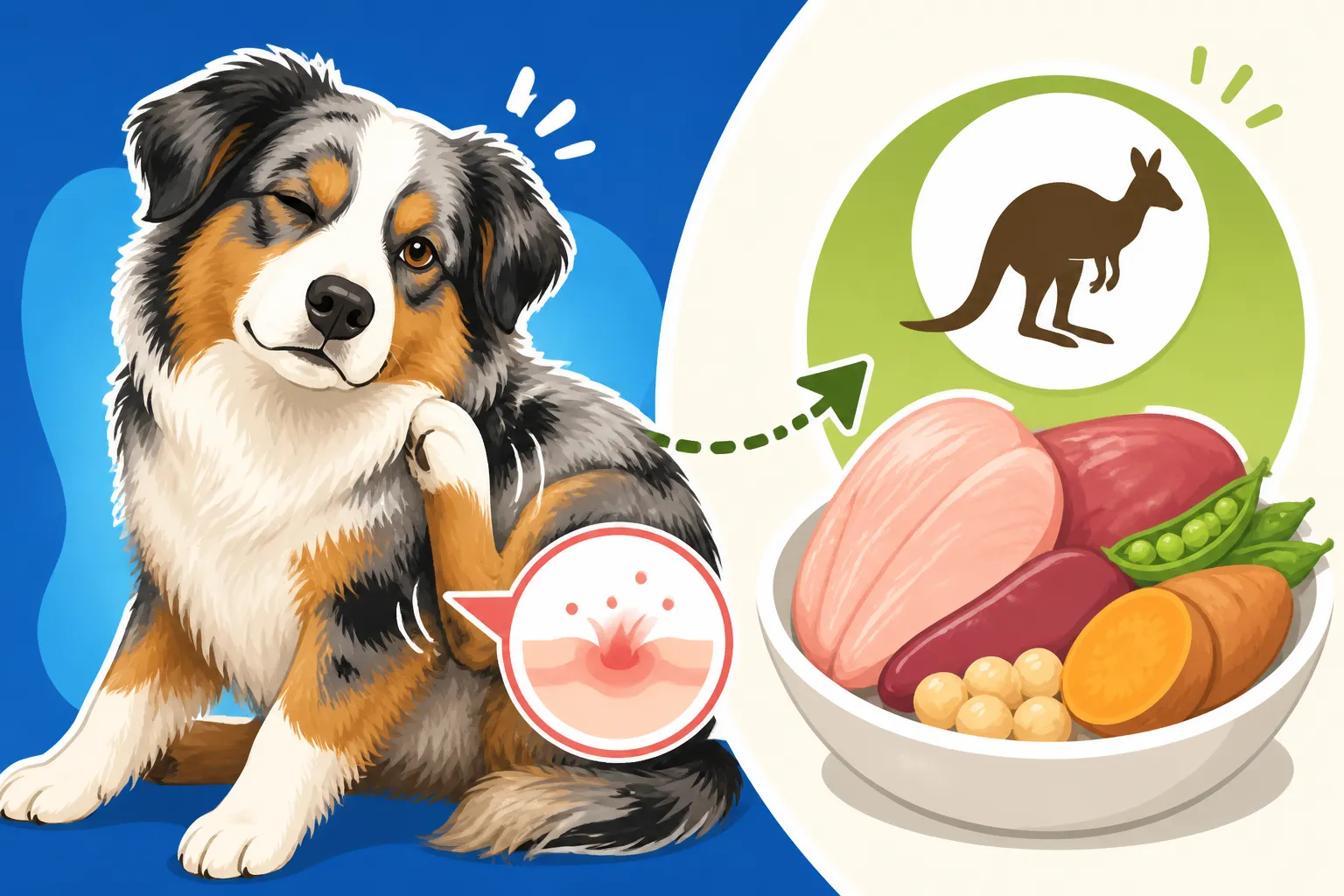
When we talk about a "novel protein" for your Australian Shepherd, we're not just talking about something new and trendy in the pet food aisle. We're talking about a specific dietary strategy designed to address food allergies or sensitivities. In essence, a novel protein is a protein source that your dog has never been exposed to before. Think about it: most commercial dog foods rely on common proteins like chicken, beef, lamb, and sometimes fish. Over time, an Australian Shepherd's immune system can, unfortunately, develop an allergic reaction to these common proteins, even if they've eaten them for years without issue.
The Immune System's Role in Food Allergies
An allergic reaction isn't just a simple upset stomach or a bit of gas; it's a full-blown immune system response. When your Aussie eats a protein it's allergic to, its body mistakenly identifies that protein as a threat. This triggers a cascade of inflammatory responses, which often manifest as skin issues – intense itching, redness, rashes, hot spots, chronic ear infections, or even gastrointestinal upset like vomiting and diarrhea. It’s important to understand that it’s usually the protein in the food that causes the reaction, not necessarily other ingredients like grains, as is often mistakenly believed. Grains can be allergens, yes, but protein is a far more common culprit.
For an Australian Shepherd, who is already prone to Australian Shepherd Skin, Coat and Allergy Problems due to their thick double coat and sensitive skin, these reactions can be particularly frustrating and difficult to manage. Their dense fur can hide a multitude of skin issues until they become severe, making early detection of itching crucial.
Common Proteins vs. Novel Proteins: A Clear Distinction
To really grasp the concept, let’s look at the difference. Common proteins are those found in the vast majority of pet foods you'll find at any grocery store or even most pet supply shops.
| Category | Common Proteins | Novel Proteins |
|---|---|---|
| Meat | Chicken, Beef, Pork, Lamb, Turkey | Venison, Duck, Rabbit, Alligator, Kangaroo, Bison |
| Fish | Salmon, Whitefish (often used in "sensitive skin" diets, but still common) | Sardine, Cod, Trout (less common, but depends on prior exposure) |
| Other | Dairy, Eggs | Quail, Insects (increasingly available) |
The key here is novelty. If your Australian Shepherd has eaten chicken and rice for its entire life, then chicken is a common protein for that dog. But venison, which it's never encountered, would be a novel protein. The goal is to introduce a protein source that the immune system has never "seen" before, therefore preventing it from triggering that inflammatory, allergic response. It gives your Aussie's system a much-needed break from the constant battle against perceived threats.
Identifying if a Novel Protein Diet Is Right for Your Australian Shepherd
So, you suspect food allergies are behind your Aussie's constant scratching. But how do you confirm it and know if a novel protein diet is the right path? This isn't a decision to make lightly or on your own. The absolute best way to diagnose a food allergy and determine the appropriate dietary intervention is through a strict, properly executed elimination diet under the guidance of your veterinarian.
The Gold Standard: The Elimination Diet Process
An elimination diet is the diagnostic gold standard for food allergies in dogs. It's not a quick fix, and it requires commitment, but it's the most reliable way to pinpoint what's causing your Aussie's discomfort. The process generally involves two main phases:
-
The Elimination Phase (6-12 weeks): During this period, your Australian Shepherd eats only the prescribed novel protein and novel carbohydrate source (e.g., venison and potato, or duck and pea). Absolutely no other foods, treats, flavored medications, chew toys, or even crumbs from the floor are allowed. This means no table scraps, no rawhides, no flavored toothpastes – nothing. It's incredibly strict because even a tiny exposure to an allergen can re-trigger symptoms and invalidate the entire trial. Your vet might recommend a prescription hydrolyzed protein diet (where proteins are broken down so small the immune system can't recognize them) or a carefully selected novel protein diet. For a detailed roadmap, you'll want to review Eight Weeks of Elimination Diet on an Aussie.
- Patience is a virtue: It can take weeks for the old allergens to completely clear out of your Aussie's system and for their body to calm down. Don't expect instant results. You're looking for a significant reduction or complete resolution of symptoms. If your Aussie has been on seizure medication, for instance, your vet will need to confirm if there are any dietary interactions to consider.
- Treats are crucial: This is where many owners slip up. All treats must also be novel protein based. You can't give your Aussie its usual chicken jerky if you're on a duck and sweet potato diet. This might mean making your own treats from the approved food or finding single-ingredient novel protein options. Many pet stores, and online retailers like
ChewyandAmazon, offer limited ingredient treats that might fit the bill.
-
The Challenge Phase (after symptoms resolve): If your Aussie's symptoms significantly improve or disappear during the elimination phase, congratulations! You've likely identified a food allergy. Now comes the challenge. Under veterinary supervision, you'll reintroduce one suspected allergen at a time, watching closely for a reaction. For example, if you suspect chicken, you'd add chicken to their diet for about a week. If the itching, ear infections, or GI issues return, you've found the culprit! Remove the chicken, wait for symptoms to subside again, and then move on to challenge the next suspected allergen (e.g., beef). This methodical process helps you identify exactly which proteins your Aussie can and cannot tolerate.
When to Seek Professional Guidance
While this information is helpful, it cannot replace professional veterinary advice. Before embarking on any specialized diet, consult your vet. They can help rule out other causes of itching, such as parasites (fleas, mites), environmental allergies (pollen, dust), or other underlying health conditions like Hypothyroidism and a Dull Australian Shepherd Coat or Australian Shepherd Autoimmune Thyroiditis. Your vet can recommend the specific diet, advise on appropriate brands, and guide you through the strictness required for success. They can also help you interpret the results and formulate a long-term feeding plan for your Australian Shepherd.
Choosing and Sourcing Novel Protein Foods for Your Aussie
Once you and your vet have decided that a novel protein diet is the way to go for your itchy Australian Shepherd, the next step is finding the right food. This isn't always as simple as picking up a bag at the local supermarket. You'll need to be a diligent label reader and sometimes look beyond traditional pet food aisles.
Types of Novel Protein Diets Available
There are generally a few categories of novel protein diets:
- Prescription/Veterinary Diets: These are often the first choice recommended by vets, especially for elimination diets. Brands like Royal Canin or Purina Pro Plan Veterinary Diets offer hydrolyzed protein formulas or truly novel protein options (e.g., venison, rabbit, duck) with rigorously controlled ingredients to prevent contamination with common allergens. These diets are typically only available through your veterinarian or with a vet's authorization from online pharmacies and retailers.
- Commercial Limited Ingredient Diets (LID): Many commercial pet food brands now offer "limited ingredient" diets that feature a single novel protein source and a single carbohydrate source. While these can be good for long-term management once an allergy is identified, they are often not strict enough for an initial elimination diet because of potential cross-contamination during manufacturing or the inclusion of "natural flavors" that contain hidden allergens. Always read labels carefully and discuss with your vet.
- Fresh Food/Homemade Diets: Some owners opt for fresh food diets, either pre-made and delivered (like
Ollie, which offers customizable meal plans) or home-cooked. If you choose a homemade diet, it is imperative that you work with a veterinary nutritionist to ensure it is complete and balanced. Simply feeding raw venison and sweet potato every day can lead to serious nutritional deficiencies over time. Cooked diets must be precisely formulated to meet all of your Aussie's nutrient requirements.
Where to Find Novel Protein Options
Sourcing these specialized foods might require a bit more effort than your usual trip to the pet store.
- Veterinary Clinics: For prescription diets, your vet's office is often the most direct source. They can ensure you get the exact formula needed for your Aussie's specific situation.
- Online Pet Retailers: Websites like
ChewyandAmazonare excellent resources for finding a wide variety of commercial limited ingredient and novel protein diets, as well as specialized treats. They often have detailed ingredient lists and customer reviews that can help you compare options. Just remember to double-check with your vet before purchasing a diet for an elimination trial. They might also carry other useful items like Australian Shepherd Paw and Coat Care After Fieldwork supplies or specific brushes. - Specialty Pet Stores: Larger, independent pet supply stores sometimes carry a broader range of limited ingredient and boutique brand foods that might include novel proteins. The staff can sometimes offer guidance, but again, always defer to your vet's instructions.
- Direct from Manufacturers: Some smaller, specialized brands might sell directly from their websites, especially for fresh or raw food options.
What to Look For on the Label
When choosing any food, especially for an Australian Shepherd with sensitivities, meticulous label reading is paramount.
- Single Protein Source: The ideal novel protein food will clearly list only one animal protein source, and that source should be truly novel for your dog. Avoid labels that say "various meats" or "poultry by-product meal."
- Limited Ingredients: Generally, fewer ingredients are better, as it reduces the chances of hidden allergens.
- No Common Allergens: Beyond the protein, check for common carbohydrate allergens (like wheat or corn, if your vet advises), dairy, or soy.
- "Hypoallergenic" vs. Truly Novel: Be wary of foods simply labeled "hypoallergenic" without verifying the protein source. A food might be hypoallergenic for most dogs but still contain an ingredient your specific Aussie is allergic to.
- Manufacturing Process: If possible, look for brands that emphasize strict quality control and minimize cross-contamination in their facilities. This is why prescription diets are often preferred for initial trials.
Transitioning and Monitoring Your Aussie on a Novel Protein Diet
Starting your Australian Shepherd on a novel protein diet isn't a flip of a switch; it's a careful transition and then a period of vigilant observation. Getting this part right is crucial for success and for your Aussie's comfort.
The Gradual Transition
Abruptly changing your dog's food can lead to gastrointestinal upset, even with a diet that's ultimately beneficial. Vomiting, diarrhea, or a lack of appetite can be confused with allergic reactions, making it harder to assess the new food's effectiveness.
Always transition your Australian Shepherd slowly over 7-10 days:
- Days 1-3: Mix 25% new food with 75% old food.
- Days 4-6: Mix 50% new food with 50% old food.
- Days 7-9: Mix 75% new food with 25% old food.
- Day 10 onwards: 100% new food.
During this transition, continue to monitor for any adverse reactions, although true allergy symptoms are unlikely to improve until the old protein is completely out of their system, which can take several weeks. If your Aussie has a very sensitive stomach, you might even extend this transition period. Also, make sure to consider Australian Shepherd Puppy Diarrhea After Homecoming if you are dealing with a young pup, as dietary changes can certainly trigger tummy troubles.
What to Monitor and Log
Once your Aussie is fully on the novel protein diet, your job is to become a detective. You're looking for clear signs of improvement, but also for any subtle signs that something isn't quite right.
- Skin and Coat: Is the itching decreasing? Are the hot spots healing? Is the redness fading? Is the coat looking shinier and healthier? Look closely for changes in specific areas like the paws, belly, and ears.
- Ear Health: Are ear infections less frequent or less severe? Is there less redness or discharge inside the ear canal? Australian Shepherd Ear Cleaning can help manage symptoms, but addressing the underlying allergy is key.
- Gastrointestinal Health: Is their stool firm and consistent? Is there less gas or bloating? Are episodes of vomiting or diarrhea becoming rare or non-existent?
- Energy Levels and Mood: While less direct, a dog no longer bothered by constant itching and discomfort often shows improved energy and a happier disposition.
- Detailed Log: Keep a daily log. Note down the exact food and treats given, any scratching, licking, or chewing, the condition of their skin and ears, and their stool quality. This log will be invaluable when you report back to your vet and during the challenge phase.
| Date | Food/Treats Given (exact) | Itching (Severity 1-5) | Licking Paws (Y/N) | Ear Check (Clean/Red/Discharge) | Stool (Firm/Soft/Diarrhea) | Notes (e.g., hot spot, energy) |
|---|---|---|---|---|---|---|
| Day 1 | Duck kibble, duck treat | 4 | Y | Red | Soft | Still scratching a lot |
| Day 14 | Duck kibble, duck treat | 3 | Y (less) | Pinkish | Firm | Some improvement |
| Day 28 | Duck kibble, duck treat | 2 | N | Clean | Firm | Significantly better |
| Day 42 | Duck kibble, duck treat | 1 | N | Clean | Firm | Almost no itching! |
Common Pitfalls to Avoid
Staying on track with a novel protein diet can be challenging, but avoiding these common mistakes will greatly increase your chances of success:
- Cheats and Sneaky Sources: This is the biggest pitfall. Even a tiny piece of cheese, a crumb dropped on the floor, or a flavored medication can re-trigger an allergy. You must be incredibly strict. Ensure everyone in the household (and visitors!) understands the rules.
- Flavored Medications & Supplements: Many medications, especially chewable parasite preventatives or joint supplements, are flavored with common proteins like beef or chicken. Always check with your vet to ensure all medications, supplements, and even toothpastes are safe for your Aussie during an elimination diet. Australian Shepherd Vaccination and MDR1 Concerns or Parasite Prevention Safe for an MDR1 Australian Shepherd might factor into your choices here.
- Insufficient Duration: Owners often give up too soon. It takes time for the immune system to settle down and for visible symptoms to resolve. Commit to the full 8-12 weeks of the elimination phase before making any judgments.
- Self-Diagnosis and Treatment: Never try to diagnose or treat food allergies on your own. Your vet's expertise is critical to differentiate food allergies from other conditions and to ensure your Aussie gets proper nutrition.
- Not Addressing Environmental Allergies Concurrently: Sometimes an Aussie has both food and environmental allergies. Even if the food allergy is resolved, environmental triggers might still cause some itching. Your vet can help you manage both aspects.
By being diligent and working closely with your veterinarian, you can navigate the world of novel protein diets and help your itchy Australian Shepherd find much-needed relief and a healthier, happier life.
Disclaimer
This article is for general informational purposes only and does not constitute professional advice. Laws, prices and regulations vary by location and change over time. Consult a qualified professional for guidance on your specific situation.