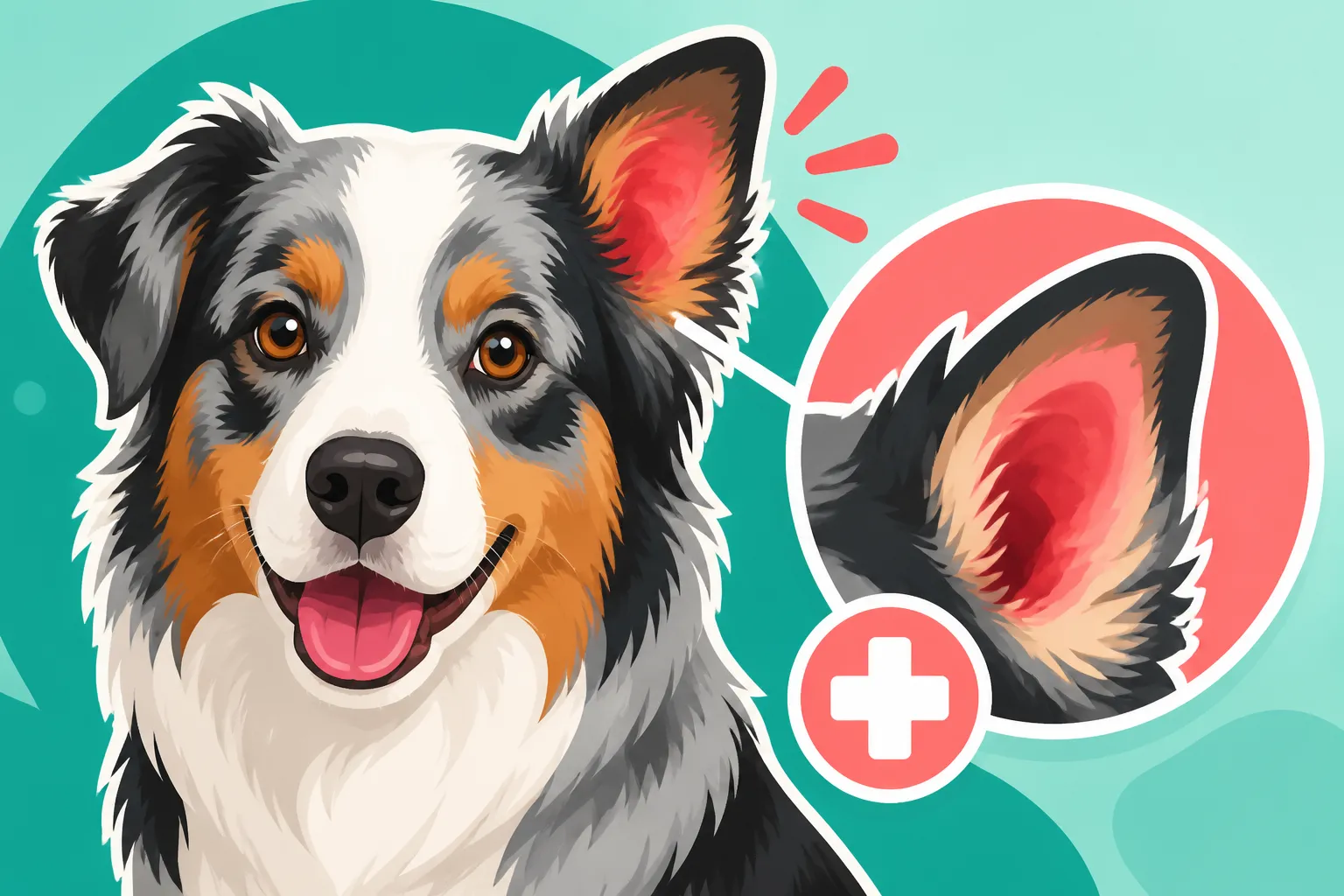
Australian Shepherd Ear Infections
There are few things as frustrating as watching your beloved Australian Shepherd shake their head furiously, scratch at their ears until they're raw, and just generally look miserable. Ear infections are a common, painful, and often recurring nightmare for Aussie owners, leaving us wondering what we're doing wrong and how to make our furry friends comfortable again. This comprehensive guide will walk you through why Aussies get ear infections, how to spot the signs, what to expect at the vet, and most importantly, how to prevent these pesky problems from coming back.
Why Australian Shepherds Are Prone to Ear Infections
It’s not just bad luck that your Australian Shepherd seems to get ear infections more often than some other breeds. Their unique anatomy and lifestyle choices actually put them at a higher risk. Understanding these factors is the first step in prevention.
The Anatomy of an Aussie Ear
Take a good look at your Aussie’s ears. While not as dramatically floppy as a Basset Hound’s, their ears hang down, covering the opening of the ear canal. This ear flap, whether it’s a full drop or a rose ear, acts like a little blanket, trapping warmth and moisture inside. For a breed that often has a thick, luxurious coat, this covering can be even more substantial, with lots of hair around and even inside the ear canal.
Beyond the visible part, the internal structure of a dog’s ear canal is quite different from ours. It’s an L-shaped canal, with a long vertical section and then a sharp bend into a horizontal section leading to the eardrum. This design is great for protecting the eardrum, but it makes drainage incredibly difficult. Any fluid, debris, or wax that gets in tends to stay in, creating the perfect warm, moist, dark environment for bacteria and yeast to thrive. If your Aussie has particularly narrow ear canals, which some lines do, this problem is exacerbated, making it even harder for air to circulate and for foreign materials to escape naturally.
Common Causes and Triggers
So, with that predisposed anatomy, what really sets off an ear infection in an Australian Shepherd? It’s often a perfect storm of several factors.
One of the biggest culprits, often underestimated by owners, is allergies. Australian Shepherds are prone to Australian Shepherd Skin, Coat and Allergy Problems, and ear infections are frequently a symptom of an underlying allergic reaction. Whether it's environmental allergens like pollen, dust mites, or molds (think Seasonal Allergies in an Australian Shepherd) or a food allergy (which can manifest as Food Allergy Itching in an Australian Shepherd), the inflammation caused by allergies extends to the ear canal. This inflammation leads to increased moisture, changes in pH, and excess wax production, all of which invite opportunistic bacteria and yeast to move in and set up shop. It's like an open invitation to a party for unwanted microscopic guests.
Moisture is another huge trigger. Aussies are active dogs; they love to swim, splash in puddles, and get baths. Every time water gets trapped in those L-shaped canals, it creates an ideal breeding ground. Even high humidity in the air can contribute to this issue, especially during warmer months. It’s not just external water either; sometimes, a dog shaking their head vigorously after a swim can still leave microscopic droplets deep within the canal.
Then there are foreign bodies. If your Australian Shepherd spends a lot of time romping through fields, trails, or even just a long, unkempt yard, they’re at risk of picking up hitchhikers like grass seeds or foxtails. These barbed little devils can burrow deep into the ear canal, causing irritation, infection, and immense pain. It's truly shocking how deep these can go and the damage they can cause, often requiring a vet to remove them. You might be surprised to learn how often vets find something like a foxtail after an Australian Shepherd starts aggressively scratching their ear. You can learn more about these nuisances in Foxtails in an Australian Shepherd Ear.
Finally, we have the direct culprits: bacteria and yeast. These are usually secondary invaders, taking advantage of the favorable conditions created by the anatomy, moisture, or allergies. Malassezia yeast is a common offender, causing that tell-tale yeasty smell and brownish discharge. Various bacteria, often Staphylococcus or Pseudomonas, can also cause severe infections, sometimes with pus-like discharge and a foul odor. Less commonly, ear mites can be the primary cause, especially in puppies or dogs from shelters. These tiny parasites cause intense itching and a characteristic dark, waxy, coffee-ground-like discharge.
Spotting the Signs of an Ear Infection
Because ear infections are so uncomfortable, your Australian Shepherd will definitely try to tell you something is wrong. The challenge for us as owners is learning to interpret those signals before the infection becomes severe. Early detection can save your pup a lot of pain and potentially prevent more complicated, expensive treatments down the line.
Behavioral Clues
The most obvious sign of an ear infection is usually a change in your Aussie's behavior. If you notice your normally calm dog suddenly doing a furious head shake that looks like they’re trying to dislodge something from their ear, take note. This isn't just a playful shake; it’s usually repeated and intense, often accompanied by a distinct sound of their floppy ears flapping against their head. Closely related is persistent ear scratching. They might use a back paw, or rub their ear on the carpet, furniture, or even against your leg. Over time, this scratching can lead to raw skin, scabs, and even hair loss around the ear.
Another subtle but important clue is if your Aussie becomes unusually sensitive or vocal when you touch their head or ears. A gentle pet that usually brings a contented lean might now elicit a flinch, a yelp, or a sudden withdrawal. They might also appear lethargic or irritable, especially if the pain is significant. Imagine having a persistent, throbbing earache – it’s enough to make anyone feel out of sorts. Some dogs might even tilt their head to one side or yawn excessively, which can be an attempt to pop their ears or relieve pressure, much like we do on an airplane. Don't dismiss these minor changes, especially if they persist for more than a day.
Physical Indicators
While behavioral changes are often the first alert, a quick visual inspection of your Aussie’s ears can confirm your suspicions. Gently lift the ear flap and look inside. What do you see?
One of the clearest signs is redness or swelling. The skin inside the ear flap and visible parts of the ear canal might look inflamed, redder than usual, or even swollen. You might also notice discharge. This can vary greatly depending on the cause. A common yeast infection often produces a dark, brownish, waxy, or greasy discharge, sometimes accompanied by that distinct, somewhat sweet and yeasty odor. Bacterial infections can lead to a yellow, greenish, or pus-like discharge with a much more foul, pungent smell. In some cases, particularly with ear mites, you might see dark, crumbly, "coffee ground" like debris.
Beyond discharge, look for hair loss around the ear (from excessive scratching), scabs or crusts (especially if they’ve broken the skin), or any obvious foreign bodies like grass seeds stuck in the folds of the ear. Sometimes, the ear canal itself can appear narrowed due to swelling. Don't forget to give their ears a sniff – a healthy dog's ear should have a neutral, clean scent, while an infected ear often has a noticeable, unpleasant odor. Remember that sometimes a mild infection might only have one or two subtle signs initially, so being observant is key.
Diagnosis and Treatment by Your Veterinarian
If you suspect an ear infection, a trip to the veterinarian is absolutely essential. While it might be tempting to try home remedies, only a vet can accurately diagnose the type of infection and prescribe the appropriate, targeted treatment. Guessing can often make things worse or delay proper healing, leading to more chronic issues.
The Vet Visit: What to Expect
When you bring your Aussie in for an ear concern, your vet will start with a thorough physical examination, paying close attention to both ears. They’ll likely use an otoscope, a special instrument with a light and magnifying lens, to look deep inside the ear canal. This allows them to visualize the eardrum, check for foreign bodies, assess the extent of inflammation, and identify any masses or tumors. For an Aussie who is very painful or sensitive, sedation might be necessary for a complete and comfortable otoscopic exam.
The next crucial step is typically taking a swab for cytology. Your vet will gently collect a sample of the discharge or debris from the ear and examine it under a microscope. This is where the magic happens! Cytology helps identify whether the infection is caused by bacteria, yeast, ear mites, or a combination. Knowing the specific culprits allows your vet to choose the most effective medication. In recurrent or severe cases, or if initial treatments aren't working, your vet might recommend a culture and sensitivity test. This involves sending a sample to a lab to grow the bacteria and determine which antibiotics will be most effective against that specific strain.
Beyond the ears themselves, your vet will also discuss your Aussie's overall health history, focusing on potential underlying causes like allergies. They might ask about diet, environmental exposures, recent swimming, and any other symptoms your dog has been experiencing, like itching or skin issues elsewhere on the body. This holistic approach is vital for managing recurrent infections. If you have pet insurance like Healthy Paws, make sure to inform your vet clinic so they can submit claims, as these diagnostic tests and treatments can add up, especially if your Aussie has chronic ear issues.
Treatment Options
Once the diagnosis is made, your vet will tailor a treatment plan for your Australian Shepherd. The immediate goals are to clear the infection, reduce inflammation, and alleviate pain.
One of the first steps is often a professional ear cleaning. Your vet or a veterinary technician will use a specific ear cleaning solution and often specialized tools to flush out debris, excess wax, and discharge. This is incredibly important because if the medication can't reach the infected tissues, it won't work effectively. Trying to clean deeply at home without proper training can push debris further in or even damage the eardrum, so leave the initial deep clean to the pros.
For medication, the most common approach involves ear drops. These typically contain a combination of antibiotics (to kill bacteria), antifungals (to kill yeast), and anti-inflammatories (like steroids, to reduce swelling and pain). The exact combination will depend on the cytology results. Your vet will instruct you on how to administer these drops and how often, usually for a period of 7-14 days. For more severe or deep-seated infections, or if there's significant inflammation, oral medications might be prescribed, such as oral antibiotics or anti-inflammatory steroids.
Pain management is a critical part of treatment. Ear infections are painful, and controlling that pain will not only make your Aussie more comfortable but also make it easier for you to administer ear drops. Your vet might prescribe oral pain relievers for a few days.
Crucially, addressing the underlying issues is key to preventing recurrence. If allergies are suspected, your vet will discuss strategies like hypoallergenic diets, environmental allergen management, or allergy medications. This proactive approach ensures you're not just treating the symptom, but the root cause. For chronic, severe cases that don't respond to medical management, or when irreversible changes have occurred in the ear canal, surgery like a Total Ear Canal Ablation (TECA) might be considered. However, this is a very invasive and last-resort procedure.
Here’s a quick overview of common ear infection types and what their treatment often targets:
| Type of Infection | Common Culprits | Typical Symptoms | Treatment Focus |
|---|---|---|---|
| Yeast Infection | Malassezia | Dark, waxy/greasy discharge; yeasty odor; itching, redness. | Antifungal ear drops; addressing underlying allergies. |
| Bacterial Infection | Staphylococcus, Pseudomonas | Yellow/greenish, pus-like discharge; foul odor; severe pain, redness, swelling. | Antibiotic ear drops/oral antibiotics; cleaning; addressing underlying causes. |
| Ear Mites | Otodectes cynotis | Dark, dry, "coffee ground" like debris; intense itching, head shaking. | Antiparasitic ear medications; thorough cleaning. |
| Foreign Body | Grass seeds, foxtails | Sudden, severe pain/shaking; often unilateral; discharge. | Veterinary removal of foreign body; antibiotic drops. |
Proactive Prevention and Ongoing Ear Care
The best offense is a good defense, especially when it comes to Australian Shepherd ear infections. Once you’ve dealt with an infection, the goal is to prevent it from coming back. This involves a consistent routine of home care, smart grooming, and holistic health management.
Regular Home Ear Cleaning
Establishing a routine for cleaning your Australian Shepherd’s ears at home is perhaps the most impactful preventative measure you can take. How often? It depends on your dog. For some, a weekly or bi-weekly cleaning is sufficient. For Aussies prone to infections, especially those who love to swim or have significant allergies, you might need to clean more frequently, perhaps every few days or immediately after water exposure. You can get specific guidance on Australian Shepherd Ear Cleaning from your vet.
Always use a vet-approved ear cleaner. These are formulated to be gentle, to help break down wax, and to dry the ear canal without causing irritation. Gently lift your Aussie’s ear flap, squirt the cleaning solution into the ear canal (don't be shy; you want to fill it!), and then massage the base of the ear for about 20-30 seconds. You'll hear a squishy sound, which means the cleaner is working its way around. After massaging, let your Aussie shake their head – this helps dislodge debris. Finally, use a soft cotton ball or gauze to wipe away any cleaner and gunk from the visible parts of the ear. Never use cotton swabs (Q-tips) deep inside the ear canal, as you can push debris further down or even damage the eardrum. If your Aussie resists, make it a positive experience with treats and praise. If it becomes a battle, you may need assistance or a different approach to avoid negative associations, especially if your Aussie has negative experiences with previous exams or treatments, as discussed in Grooming an Aussie That Hates the Table.
Grooming and Moisture Management
Because the Australian Shepherd’s double coat and ear structure contribute to moisture and airflow issues, smart grooming is essential. Regularly trimming the hair around the ear canal entrance can significantly improve airflow and reduce the chances of moisture getting trapped. You don't need to shave the entire ear, but carefully use blunt-nosed scissors or clippers to trim away any excess hair that's obstructing the opening or creating a thick mat just inside. For some Aussies, particularly those with heavy feathering, this can make a world of difference.
Always be diligent about drying your Aussie’s ears thoroughly after baths or swimming. Use a soft towel to gently blot and dry the outer ear canal. You can also use a fan on a cool setting for a few minutes if your dog tolerates it, to help circulate air and dry the deeper parts of the ear. Remember, even seemingly dry ears can harbor moisture deep within.
If your Aussie loves to run through tall grass or areas with seed heads, a quick wipe down of their ears (and paws!) after these excursions can help prevent foreign bodies from making their way into the ear canal. This small step can save you a lot of worry and vet visits.
Allergy Management and Overall Health
As we discussed, allergies are a huge factor in recurrent ear infections for Australian Shepherds. Managing any underlying Australian Shepherd Skin, Coat and Allergy Problems is paramount for ear health. This might involve working with your vet on dietary changes if a food allergy is suspected, or on environmental allergy management with antihistamines, supplements, or even allergy shots. A healthy skin barrier and immune system mean less inflammation in the ear canals, and therefore less opportunity for infection.
Regular veterinary check-ups are also crucial. Your vet can spot subtle signs of developing issues before they become full-blown infections and can offer advice tailored to your Aussie’s specific needs. If your Australian Shepherd develops a new habit of scratching, or you detect any new odors or discharge, don't wait. Early intervention is always best.
Consider discussing pet insurance options like Healthy Paws with your vet. For a breed like the Australian Shepherd, known for being prone to conditions that can require expensive long-term management, having a good pet insurance policy can provide peace of mind. It can help cover the costs of diagnostic tests, medications, and specialized treatments, allowing you to make the best health decisions for your Aussie without financial stress. Many owners find that having insurance, as detailed in articles like Australian Shepherd Insurance at $35 to $55 a Month, makes managing chronic conditions much more feasible over their dog’s lifetime. Consistent preventative care and prompt professional attention will go a long way in keeping your Aussie's ears healthy and happy.
Disclaimer
The information provided in this article is for educational purposes only and is not a substitute for professional veterinary advice. Always consult with a qualified veterinarian for any health concerns or before making any decisions about your Australian Shepherd's medical care.