Starting Joint Support on a Young Working Aussie
It’s a heart-wrenching moment to see your energetic young Australian Shepherd, a dog seemingly made of springs and boundless enthusiasm, show even a flicker of discomfort after a day of intense play or training. We often think of joint issues as something that only affects older dogs, but for our hard-working, athletic Aussies, the foundation for future joint health (or problems) is laid long before they hit their senior years. This guide will walk you through understanding the unique demands placed on a young working Aussie's joints and, most importantly, how to proactively implement joint support to help them thrive for a lifetime.
Understanding the Demands on a Young Working Aussie's Joints
Australian Shepherds are canine athletes, built for speed, agility, and endurance. Their inherent drive to work, whether herding livestock, excelling in agility, or simply chasing a disc, means their bodies are constantly under stress. This high-impact lifestyle, especially during their formative years, can put significant strain on developing joints if not managed carefully.
The Intense Lifestyle of an Aussie Athlete
From the moment they're energetic puppies, Aussies are often involved in activities that require quick turns, sudden stops, powerful jumps, and sustained running. For a true working Aussie, this could mean long days on the ranch, constantly moving livestock, covering uneven terrain, and using their agile bodies to control their charges. For those in dog sports, it’s countless repetitions of weave poles, jumps, and high-speed retrieves. This isn't just "playing around"; it's demanding athletic performance.
This kind of sustained activity, while essential for an Aussie's physical and mental well-being, means their joints are bearing a heavy load. Think of a young human athlete; coaches are always mindful of overuse injuries and proper conditioning. The same principle applies to our canine companions. Their enthusiastic pursuit of a frisbee or a flock of sheep means they often push their bodies to the limit, sometimes beyond what their developing skeletal structure is ready for.
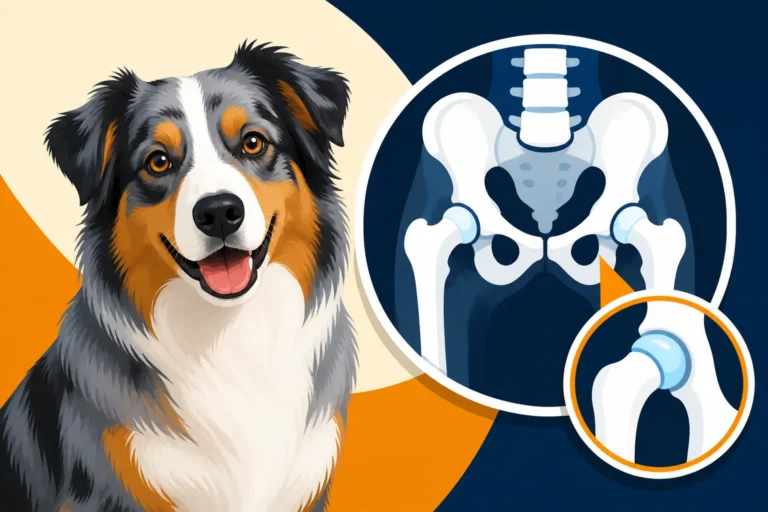
It’s crucial to recognize that an Aussie's "job" doesn't have to be formal herding to be intense. Even dedicated fetch sessions in the park or daily hikes can be incredibly taxing on their hips, elbows, and knees. We want them to live full, active lives, but we also need to balance that energy with intelligent care to prevent long-term damage, which can lead to issues like Australian Shepherd Hip Dysplasia and Working Joints or Aussie Elbow Dysplasia From Hard Turning down the road.
Growth Plate Development and Vulnerability
A critical factor in caring for a young Aussie's joints is understanding their growth plates. These are areas of cartilage located near the ends of long bones in growing dogs, responsible for producing new bone tissue and lengthening the bones. Until these plates close and ossify (turn into solid bone), they are incredibly vulnerable to injury. For Australian Shepherds, these growth plates typically don't fully close until they are between 12 and 18 months old, and sometimes even later for larger individuals.
During this period, high-impact activities, repetitive jumping, or sudden, jarring movements can cause trauma to these delicate growth plates. An injury here can lead to abnormal bone growth, pain, and significantly increase the risk of conditions like hip or elbow dysplasia later in life. It's why many experienced breeders and vets advise against intensive agility training, long-distance running, or excessive jumping before a puppy reaches skeletal maturity. You can learn more about Australian Shepherd Growth Plates and When They Close in our dedicated article.
The temptation to engage your intelligent and eager Aussie puppy in advanced training or strenuous exercise early on is strong, especially when they seem to have endless energy. However, patience during this crucial developmental phase is paramount. Prioritizing low-impact activities and controlled exercise helps ensure these vital growth plates can close properly, setting the stage for a lifetime of sound joint health.
Early Signs of Joint Stress in Active Pups
It's easy to miss subtle signs of joint stress in a high-drive Aussie because they often "push through" discomfort, eager to please or continue their activity. Their pain tolerance can be surprisingly high, masking early warning signals. However, being observant can help you catch issues before they escalate. Keep an eye out for any changes in gait, no matter how slight. Perhaps they're shifting weight, favoring a limb, or taking shorter, choppier steps after exercise.
Listen closely for new sounds – a slight click or pop from a joint that wasn't there before. Watch how they get up and down: is it slower? Do they hesitate before jumping onto the couch or into the car? Sometimes, the first sign isn't physical but behavioral; a working Aussie might become less enthusiastic about their favorite activities, or they might seem more irritable or withdrawn due to underlying pain. A young Aussie who usually barrels out the door might pause, or seem hesitant to engage in a quick sprint.
Mild stiffness after resting, especially in the morning or after a nap, is another red flag. While some stiffness can be normal after a particularly strenuous day, persistent or worsening stiffness is not. Pay attention to how they recover. If a young Aussie takes longer to "warm up" or seems to stiffen more readily, it's a clear signal that their joints might be under undue stress. Don't dismiss these as minor quirks; they could be early indicators of developing problems that require a vet's attention and potentially proactive joint support.
Nutritional Strategies for Proactive Joint Health
Just like with human athletes, nutrition plays a monumental role in supporting healthy joints. For a young, active Australian Shepherd, their diet isn't just about fuel; it's about providing the building blocks and protective agents their rapidly developing and heavily used joints need.
Essential Supplements to Consider
While a balanced, high-quality dog food forms the foundation, specific supplements can offer targeted support for active Aussies. Glucosamine and chondroitin sulfate are probably the most well-known joint supplements, working synergistically to support cartilage health. Glucosamine helps repair and build cartilage, while chondroitin helps maintain its elasticity and inhibit destructive enzymes. Many vets recommend starting these proactively, especially if your Aussie is in a high-impact sport or comes from lines with a history of joint issues.
Another powerful ally is Omega-3 fatty acids, particularly EPA and DHA, commonly found in fish oil. These compounds are natural anti-inflammatories, which can significantly reduce inflammation in the joints caused by wear and tear. Less inflammation means less pain and better joint mobility. Make sure you're getting a high-quality, reputable fish oil supplement to ensure purity and potency. You might also consider supplements containing MSM (methylsulfonylmethane), which supports connective tissue health and has anti-inflammatory properties, or hyaluronic acid, which helps lubricate joints. Discuss these options thoroughly with your veterinarian to tailor a supplement regimen specific to your Aussie's needs, activity level, and any potential predispositions. For example, some premium foods marketed for active breeds may already include these, lessening the need for additional supplementation.
Diet Quality and Weight Management
The adage "you are what you eat" holds true for our dogs, particularly when it comes to their structural health. Feeding a high-quality, reputable dog food that meets the nutritional demands of an active, growing breed is non-negotiable. Look for foods with high-quality protein sources, appropriate fat content, and a good balance of vitamins and minerals. Cheap, filler-heavy foods simply won't provide the optimal nutrients needed for robust joint development and maintenance.
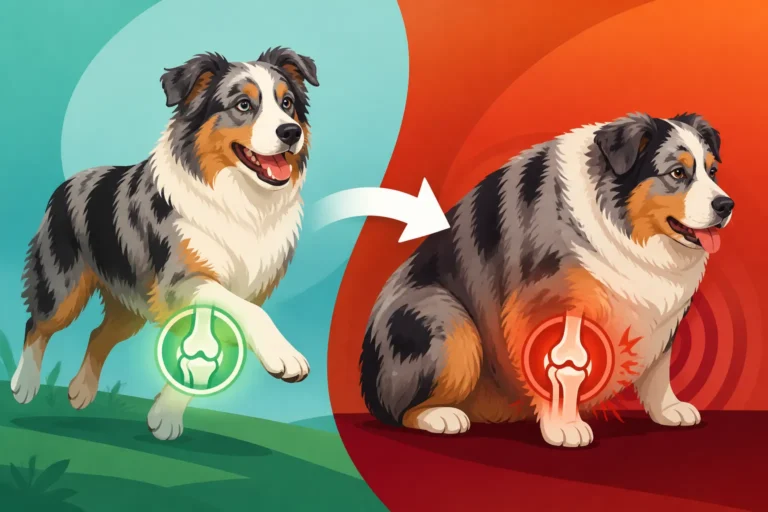
Beyond quality, weight management is perhaps one of the most critical factors in long-term joint health. Every extra pound your Australian Shepherd carries puts additional stress on their joints, accelerating wear and tear. Even a slightly overweight Aussie can experience significantly more strain on their hips, elbows, and knees over time. Maintaining a lean body condition is the single best thing you can do to protect their joints throughout their life. You should be able to feel their ribs easily without seeing them, and they should have a discernible waist when viewed from above.
Regularly assess your Aussie's body condition score. If you're unsure, ask your vet for guidance. Adjust their food intake and exercise levels as needed. Remember, treats add calories too! Choose healthy, low-calorie options and factor them into their daily caloric intake. This thoughtful approach to diet and weight is a cornerstone of Joint Support in a Working Aussie Diet. Neglecting it can undermine all other efforts to support their joints.
Hydration and Its Role in Joint Lubrication
While often overlooked, adequate hydration is fundamental to joint health. Water isn't just for quenching thirst; it's a vital component of synovial fluid, the viscous liquid that lubricates joints and helps absorb shock. Think of synovial fluid as the engine oil for your Aussie's joints – without enough of it, friction increases, and wear and tear accelerate.
A working Australian Shepherd, especially one engaged in strenuous activities or exposed to warm weather, can quickly become dehydrated. Ensuring constant access to fresh, clean water is paramount. If you're out training or hiking, always bring enough water for your dog and offer it frequently. Some dogs aren't great drinkers, so you might need to encourage them by adding a splash of bone broth to their water, offering ice cubes, or feeding wet food.
Even mild, chronic dehydration can impact the viscosity and effectiveness of synovial fluid, leading to less lubricated and more vulnerable joints. This subtle stress, compounded over time, can contribute to discomfort and accelerated degradation. So, make hydration a priority, not just during intense exercise, but throughout your Aussie's day, every single day.
Lifestyle Adjustments to Protect Growing Joints
Beyond nutrition, how we manage our Aussie's daily life, especially during their growth phase, significantly impacts their joint longevity. It's about smart exercise, safe training, and consistent monitoring.
Balanced Exercise and Rest Protocols
For a young, high-energy Australian Shepherd, "exercise" often conjures images of endless running or high-flying jumps. However, true joint protection lies in balanced exercise, coupled with adequate rest. During puppyhood and adolescence, focus on low-impact activities. Think controlled walks on soft surfaces, short bursts of fetch on grass (avoiding repetitive, jarring stops and turns), and supervised play with other well-matched dogs. Long-distance running or intensive, repetitive jumping on hard surfaces should be strictly avoided until their growth plates are closed. Our article on Exercise Limits for a Growing Australian Shepherd offers more specific guidelines.
Crucially, working Aussies need an "off switch" and sufficient rest. Their drive can often push them to exhaustion, and overtired muscles provide less support to joints, increasing injury risk. Incorporate enforced naps for puppies and ensure adult Aussies get plenty of uninterrupted sleep. Mental stimulation, like puzzle toys or scent work, can tire them out without putting strain on their joints, offering a great alternative to purely physical exertion. A good rule of thumb is five minutes of structured exercise per month of age, up to twice a day, until they reach skeletal maturity. Even then, listen to your dog; a young Aussie can still get An Aussie Stiff After a Career in Agility if pushed too hard.
Safe Training Practices and Surface Choices
The way you train your Australian Shepherd, particularly in sports, has a direct impact on their joints. Avoid forced repetitions of high-impact maneuvers, especially when they are young or fatigued. Break training sessions into shorter, more manageable segments with plenty of breaks. Focus on proper form and gradual progression. For instance, in agility, introduce obstacles at lower heights and speeds, gradually increasing intensity as your dog gains strength and confidence.
The surfaces your Aussie trains and exercises on are also critical. Hard surfaces like concrete, asphalt, or even packed dirt can be unforgiving on joints, absorbing little shock and amplifying impact. Whenever possible, opt for softer, more yielding surfaces such as grass, sand, or purpose-built rubber matting used in some dog sport facilities. Even a slight change in surface can make a big difference over time.
Consider the traction, too. Slippery floors can lead to accidental slips and strains, so ensure your home has non-slip rugs, especially where your Aussie plays or runs indoors. For outdoor activities, check the ground for uneven terrain, potholes, or sharp objects that could cause a misstep. Prioritizing these safe training practices and mindful surface choices will significantly reduce the cumulative stress on your Aussie's developing joints.
Regular Vet Check-ups and Monitoring
Regular veterinary check-ups are paramount for proactive joint health, even if your young Aussie appears perfectly sound. Your vet can assess their gait, palpate joints, and identify any subtle signs of discomfort or abnormal development that you might miss. They can also offer tailored advice based on your dog's specific genetics, activity level, and any predispositions. Early detection of issues like Australian Shepherd Hip Dysplasia Symptoms Before Two or other developmental problems allows for earlier intervention, which can significantly improve outcomes.
Beyond annual exams, consider specific screenings for joint health, especially if your Aussie is from working lines or you plan to participate in high-impact sports. Many breeders perform preliminary screenings like OFA or PennHIP at a younger age to get an early indication of hip and elbow conformation. While not definitive until full maturity, these can provide valuable insights. Your vet can also advise on the timing for more formal evaluations, such as Australian Shepherd Elbow X-Rays at Two Years.
Don't hesitate to schedule an extra vet visit if you notice any changes in your Aussie's movement, energy levels, or behavior. It’s always better to be overly cautious than to let a minor issue become a chronic problem. Think of your vet as your partner in maintaining your Aussie's peak physical condition, helping you navigate the complexities of their growth and active lifestyle. Proactive monitoring helps you stay ahead of potential problems, rather than reacting to them once they become painful or debilitating. This forward-thinking approach is often covered by comprehensive pet insurance like Healthy Paws, which encourages regular check-ups and early intervention.
When to Start and What to Discuss with Your Vet
Making the decision about when and how to start joint support can feel overwhelming, especially with so many products and opinions out there. It’s a discussion best had with your trusted veterinarian.
Ideal Age and Risk Factors for Starting Support
There's no hard and fast rule for the "perfect" age to begin joint support for every Australian Shepherd, but generally, a proactive approach often begins before any symptoms appear. Many owners of active, working-line Aussies start a basic joint supplement regimen around 6-12 months of age, or even earlier if their vet recommends it. This period coincides with significant growth and increasing activity levels.
Several risk factors might prompt an earlier start to joint support:
- Genetics: If your Aussie's parents or close relatives have a history of hip dysplasia, elbow dysplasia, or Australian Shepherd Arthritis After Years of Work, your puppy may have an increased genetic predisposition.
- High-Impact Activities: If you plan for your Aussie to participate in agility, flyball, dock diving, or intensive herding, their joints will endure more stress, warranting earlier support.
- Rapid Growth: Puppies who experience very rapid growth spurts might benefit from early intervention.
- Early Signs of Stiffness/Limping: If you notice even subtle signs like An Australian Shepherd Limping After Agility or stiffness, don't wait. Consult your vet immediately.
Even if your Aussie doesn't have obvious risk factors, starting joint support proactively is often a wise preventative measure for a breed as active as the Australian Shepherd. It's about laying a strong foundation for their long-term well-being.
Navigating Supplement Choices and Dosages
Once you've decided to start joint support, the sheer volume of supplements available can be daunting. This is where your veterinarian becomes an invaluable resource. They can help you sift through the options and recommend products that are reputable, effective, and appropriate for your Aussie's age, size, and activity level.
Generic, off-the-shelf supplements can vary widely in quality and concentration. Look for products that are veterinarian-recommended and have certifications for purity and accurate ingredient labeling. Your vet might suggest specific brands they trust, or even pharmaceutical-grade supplements that have undergone rigorous testing. For example, some premium veterinary lines include Cosequin or Dasuquin, known for their specific formulations and research backing.
Dosage is also crucial. It's not a one-size-fits-all situation; dosages are typically based on your dog's weight, and they may change as your Aussie grows or their needs evolve. Never guess or self-prescribe; always follow your vet's recommendations. Overdosing or underdosing can both be ineffective or even harmful. Remember, supplements aren't magic bullets, but a consistent, high-quality regimen, guided by your vet, can be a powerful tool in supporting your young Aussie's joint health.
Long-Term Joint Health Planning
Starting joint support on a young Aussie is not a short-term fix; it's the beginning of a lifelong commitment to their mobility and comfort. This long-term planning involves regular re-evaluation of their diet, exercise routine, and supplement regimen as they age and their activity levels naturally shift. What works for a one-year-old agile competitor might not be suitable for a five-year-old working ranch dog or a ten-year-old retired champion.
Your vet will be key in this ongoing process. During annual check-ups, discuss your Aussie's current activities, any changes in their gait or demeanor, and whether their joint support needs an adjustment. This continuous dialogue allows you to modify their care plan proactively. For example, if your Aussie starts to show signs of slowing down or mild arthritis in their middle years, your vet might recommend additional therapies like physical rehabilitation, laser therapy, or even prescription anti-inflammatory medications.
Consider future costs as well. While proactive care can help mitigate severe issues, the reality is that major joint surgeries or long-term medication for chronic conditions can be very expensive. Planning ahead with pet insurance like Healthy Paws, particularly enrolling them when they are young and healthy, can provide a financial safety net should unforeseen joint issues arise. By thinking long-term and working closely with your vet, you can give your Australian Shepherd the best possible chance at a lifetime of happy, comfortable movement.
| Joint Supplement | Primary Benefit | Key Considerations for Young Aussies |
|---|---|---|
| Glucosamine & Chondroitin | Cartilage repair & maintenance | Widely used, foundational; look for quality sourcing. |
| Omega-3 Fatty Acids (Fish Oil) | Anti-inflammatory | Reduces joint inflammation; dosage varies by EPA/DHA content. |
| MSM (Methylsulfonylmethane) | Connective tissue support, pain relief | Synergistic with glucosamine; generally safe. |
| Hyaluronic Acid (HA) | Joint lubrication, shock absorption | Often combined with other supplements; helps synovial fluid. |
| Green Lipped Mussel | Anti-inflammatory, joint building blocks | Natural source of glucosamine, chondroitin, omega-3s. |
| Vitamin C | Collagen synthesis, antioxidant | Supports cartilage health; best in balanced amounts. |
Disclaimer
The information provided in this guide is for general informational purposes only and does not constitute veterinary advice. Always consult with a qualified veterinarian for any health concerns or before making any decisions about your Australian Shepherd's diet, exercise, or supplement regimen. Individual needs can vary greatly, and only a professional can provide tailored recommendations.