Fifteen Years of Australian Shepherd Costs
Bringing an Australian Shepherd into your life is a joy, a commitment, and, let's be honest, a significant financial undertaking that many new owners vastly underestimate. It’s not just the initial puppy price; these intelligent, energetic dogs can live a long 12 to 15 years, and every single one of those years comes with expenses that can add up faster than you might expect. This comprehensive guide is here to walk you through the realistic lifetime costs of owning an Australian Shepherd, from those first puppy bills to the golden senior years, helping you budget wisely for your loyal companion.
The Initial Investment and Adoption Fees
The very first hurdle for many prospective Aussie parents is the upfront cost of acquiring their furry family member. This isn't just a simple tag price; it encompasses everything from the purchase itself to getting them settled in their new home. Understanding these initial outlays can help prevent immediate financial strain.
Puppy Price from a Reputable Breeder
When you're looking for an Australian Shepherd puppy from a responsible breeder, you should prepare for a significant initial investment. These prices can vary widely depending on the breeder's reputation, the puppy's lineage (working lines versus show lines), the geographic location, and whether the parents have undergone extensive health testing. Expect to pay anywhere from $1,000 to $2,500, and sometimes even more, especially for puppies with exceptional pedigrees or specific color patterns. A breeder who invests in health clearances for their breeding dogs, like screening for hip and elbow dysplasia, eye conditions, and genetic diseases such as the MDR1 mutation, will naturally have higher costs, which are then reflected in the puppy price. It's an investment, not just in the dog itself, but in the peace of mind that comes from knowing you’re supporting ethical breeding practices that prioritize health and temperament.
This initial cost also covers things like the first round of vaccinations, deworming, and sometimes even microchipping before the puppy goes home. You might find a cheaper puppy, but often, those lower prices come with hidden costs down the line, whether it’s behavioral issues from poor socialization or significant vet bills due to inherited health problems that a responsible breeder would have screened for. Always ask about the health tests every Australian Shepherd parent needs and be wary of anyone who can't provide detailed records.
Rescue and Adoption Fees
For many, adopting an Australian Shepherd from a rescue organization or shelter is a wonderful and often more affordable alternative to purchasing from a breeder. Rescue fees are generally much lower than breeder prices, typically ranging from $250 to $600. These fees usually cover a multitude of services that are already taken care of by the rescue. This often includes spaying or neutering, up-to-date vaccinations, microchipping, and sometimes even an initial vet check-up. Many rescues also invest in behavioral assessments and addressing any immediate medical needs the dog might have before adoption.
While the fee itself is lower, the adoption process can be thorough, involving applications, interviews, and home visits to ensure you're a good fit for an Aussie. Many Australian Shepherds end up in rescue at eighteen months because previous owners underestimated their energy and training needs, so rescues are keen to find forever homes where the dog's needs will truly be met. Adopting an Australian Shepherd with epilepsy, for example, might come with lower fees from a rescue but requires a deeper financial commitment to ongoing care. It’s a fantastic way to give a deserving dog a second chance, and the financial transparency of rescue organizations is often a huge relief to new owners.
Nourishing Your Australian Shepherd Through Life
Food is one of the most consistent and often underestimated expenses throughout your Aussie’s life. What you feed your Australian Shepherd directly impacts their health, energy levels, and even their coat quality. Quality nutrition is not just about filling their bowl; it’s about fueling their active lifestyle and supporting their long-term well-being.
Daily Food and Treat Expenses
Australian Shepherds are medium to large dogs with high energy needs, especially working lines. This means they require a significant amount of high-quality food. Daily calories for a fifty pound Australian Shepherd will be considerably higher than for a sedentary lapdog. The cost of dog food can vary dramatically based on brand, ingredients, and where you purchase it. Premium kibble, fresh food delivery services, or home-cooked meals will naturally be more expensive than budget brands. For a 50-pound Aussie, you could be spending anywhere from $50 to $100 per month on food alone, and that’s just for kibble. If you opt for fresh food options like Ollie, you might find yourself closer to the higher end or even exceeding that range, but many owners feel the health benefits are worth the investment.
Beyond regular meals, don't forget treats! Treats are essential for training, enrichment, and simply showing your Aussie some love. Training treats, dental chews, and recreational chews add up over time. If you're actively involved in training, you'll be using many treats daily, so budgeting for treat costs for daily Aussie training is crucial. Choosing healthier, lower-calorie options can help keep both your dog's waistline and your budget in check.
Specialized Diets and Supplements
As your Australian Shepherd ages or if they develop specific health conditions, their dietary needs might change, leading to additional expenses. Many Aussies can develop food allergy itching, requiring novel protein diets or prescription foods. These specialized diets are typically more expensive than standard kibble. For example, a veterinary-prescribed hypoallergenic diet could easily add another $20-40 per bag, pushing monthly food costs higher.
Supplements also become a consideration, especially for working Aussies or those prone to joint issues. Joint support in a working Aussie diet is common, with owners often adding glucosamine, chondroitin, or fish oil to their dog’s meals. While these supplements can contribute to their well-being, they represent an ongoing monthly cost. Even settling an Aussie stomach after antibiotics might require probiotics or specific digestive supplements. It's vital to discuss any dietary changes or supplements with your veterinarian to ensure they are appropriate and beneficial for your individual dog.
Grooming and Maintenance Through the Seasons
The Australian Shepherd’s beautiful double coat is one of its most striking features, but it doesn’t maintain itself. Proper grooming is essential for their health, comfort, and appearance, especially during the dreaded "coat blow" seasons.
Regular Brushing and Professional Grooming
An Australian Shepherd's double coat requires consistent attention to prevent matting, especially in areas like behind the ears, in the ruff, and in their "trousers" on their hind legs. Brushing an Australian Shepherd twice a week is a minimum, increasing to daily during the twice-yearly coat blow. Investing in quality tools like an undercoat rake that reaches an Aussie undercoat and a slicker brush is essential. While home grooming saves money, the cost of these tools can be significant upfront, and they need replacing over time.
For many owners, especially during shedding seasons, professional grooming is a lifesaver. Australian Shepherd grooming at $50 to $100 a session is a common expense, and some owners might opt for this every 4-8 weeks. These sessions often include thorough deshedding treatments at an Aussie groomer, bathing, blow-drying, nail trims, and sanitary trims. Remember, shaving an Australian Shepherd ruins the coat and is generally not recommended, so opting for professional deshedding is a much better choice for managing loose hair. These costs can easily add up to hundreds of dollars annually, not including emergency visits for mats or skin issues.
Nail Trims, Ear Cleaning, and Paw Care
Beyond the coat, other routine maintenance tasks are crucial. Regular nail trims are essential, especially for Aussies who don't naturally wear down their nails on hard surfaces. If you’re not comfortable trimming them yourself, your vet or groomer can do it for a small fee ($10-20), but these add up monthly or bi-monthly. Ignoring nail care can lead to painful overgrown nails and even gait issues.
Australian Shepherds can also be prone to ear infections, making Australian Shepherd ear cleaning a vital part of their routine. Cleaning an Australian Shepherd's ears monthly with a veterinarian-approved solution can help prevent problems, but the solution itself is a recurring cost. After field work or hikes, you’ll also need to check an Australian Shepherd for burrs and foxtails, especially between their paw pads. Paw balm can also be beneficial for protecting their paw pads after rough ground. These small costs for supplies like ear cleaner, nail clippers, and paw balm contribute to the overall grooming budget.
Healthcare: The Unpredictable but Essential Expense
Healthcare costs are often the most variable and potentially highest expenses over an Australian Shepherd’s lifetime. While preventative care is crucial, unexpected illnesses or injuries can lead to significant bills, making financial planning essential.
Routine Vet Visits and Vaccinations
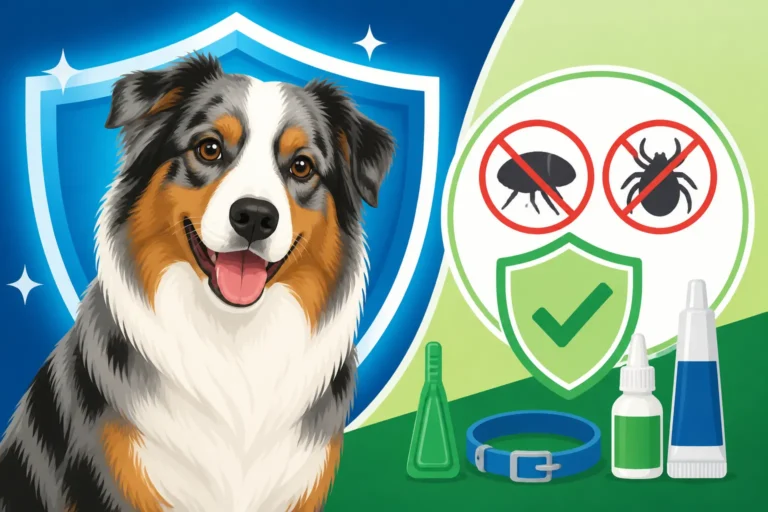
Even the healthiest Australian Shepherd will require regular veterinary care. Annual check-ups, booster vaccinations, and parasite prevention (like flea, tick, and heartworm medication) are non-negotiable expenses. A typical annual vet visit might cost $50-$150, not including the cost of vaccinations, which can add another $50-$100 depending on what’s due. Heartworm cover that suits an MDR1 Aussie is also a crucial, recurring expense, as many Aussies carry the MDR1 gene mutation which makes them sensitive to certain medications.
Throughout their life, Australian Shepherds will also need dental care. Australian Shepherd dental tartar and cleanings are important to prevent periodontal disease, which can lead to serious health issues. A professional dental cleaning under anesthesia can cost anywhere from $300 to $800 or more, and this is typically recommended every one to three years for most dogs. These routine costs, while predictable, can easily run into several hundred dollars each year.
Emergency Care and Chronic Conditions
This is where the true financial impact of pet ownership can hit hard. Australian Shepherds, despite being a robust breed, are prone to certain health issues, some of which can be very expensive to manage. Conditions like Australian Shepherd epilepsy starting between one and five can require lifelong medication, costing $50-$200 per month, plus regular blood work to monitor drug levels and liver function. An Aussie MRI cost for seizures can be thousands of dollars alone for a diagnosis. Other common issues include Australian Shepherd hip dysplasia and working joints, which might require pain management, physical therapy, or even surgery, with hip replacement costs per hip ranging from $4,000 to $7,000.
An Australian Shepherd emergency vet visit for something as serious as bloat (gastric dilatation-volvulus), which Aussies are prone to due to their deep chests, can quickly run into thousands of dollars for diagnostics and emergency surgery. This is why many owners consider pet insurance. Providers like Healthy Paws offer coverage for accidents and illnesses, which can be a huge relief when facing a $5,000 emergency bill. Pet insurance premiums for an Australian Shepherd can range from $35 to $55 a month, depending on factors like age, location, and the specific plan chosen. While it's an added monthly expense, it can prevent financial ruin during a major health crisis.
Pet Insurance and Wellness Plans
Deciding on pet insurance is a personal choice, but for a breed with known genetic predispositions and an active lifestyle that makes them prone to injuries, it's often a wise investment. The cost of pet insurance for an Australian Shepherd will vary based on their age, where you live, and the coverage you select. Enrolling an Australian Shepherd before age one is ideal, as pre-existing conditions like epilepsy as a pre-existing Australian Shepherd condition would likely not be covered if diagnosed before the policy starts. Policies typically have deductibles and reimbursement percentages (e.g., 80% or 90% reimbursement after deductible).
Some insurance providers also offer wellness plans as an add-on, which help cover routine care like annual exams, vaccinations, and dental cleanings. While these might not always save you money compared to paying out-of-pocket, they can help budget for predictable expenses. It’s crucial to understand what 70 percent leaves on an Aussie hip when considering reimbursement levels and annual limits worth buying for an Australian Shepherd to make sure you have adequate coverage for potential major health issues.
Training, Enrichment, and Keeping Their Minds Busy
Australian Shepherds are incredibly intelligent and active dogs. Without proper outlets for their mental and physical energy, they can quickly develop behavioral problems. Investing in their training and enrichment is not just about having a well-behaved dog; it’s about having a happy, well-adjusted companion, and this comes with its own set of costs.
Puppy Classes and Obedience Training
The foundation of a well-behaved Australian Shepherd starts with early training. Puppy classes are invaluable for socialization and teaching basic obedience. What six weeks of Aussie puppy class costs can range from $150 to $300, but the benefits in terms of early learning and preventing future behavioral issues are priceless. After puppy class, many owners continue with intermediate or advanced obedience training, or even private sessions to address specific challenges. A trainer who understands an Aussie's herding drive is key, and private sessions can easily cost $75-$150 per hour.
Ongoing training isn't just for puppies; it’s a lifelong endeavor for an Aussie. Their sharp minds thrive on learning new things. Ignoring their need for mental stimulation can lead to issues like destructive chewing, excessive barking, or even nipping at heels from boredom and unfulfilled herding instinct. The cost of classes and trainers for an Aussie puppy and beyond is a recurring expense for many committed owners.
Dog Sports and Activities
Beyond basic obedience, Australian Shepherds excel in various dog sports and activities. These aren't just hobbies; they provide crucial mental and physical outlets for their high drive. Dog sports costs for an Australian Shepherd can be substantial, including class fees, equipment, and trial entry fees. For instance, Aussie agility class and trial entry fees can add up to hundreds of dollars per season. Herding instinct test costs for an Aussie are an initial expense, followed by ongoing herding lessons which can be quite pricey if you have access to livestock and a trainer.
Other popular sports include disc dog, flyball, dock diving, rally obedience, and scent work. Each of these requires specific gear, training, and sometimes travel to competitions. Even activities like puzzle feeders and enrichment gear for an Aussie, while less expensive than organized sports, represent a commitment to their mental well-being. Thinking about whether sports wear out an Aussie's joints is also important, as intense activities may lead to more vet care down the line. Daycare and dog walkers for a high-energy Aussie are also common costs for owners who can’t provide enough daily exercise themselves. These services can cost $30-$50 per day or $20-$30 per hour for a dog walker.
Everyday Gear, Toys, and Essential Supplies
Like any family member, an Australian Shepherd requires a host of everyday items to live comfortably and safely. From their bed to their collar, these items need to be purchased initially and then replaced over time.
Crates, Beds, and Containment
A crate is often an essential tool for house training an Aussie puppy and providing a safe space. The crate a fifty pound Aussie needs will be a decent size, and a good quality, durable crate can cost anywhere from $70 to $200. Beyond puppyhood, a comfortable dog bed that survives chewing is crucial, with prices ranging from $50 to $150 or more for orthopedic options, which older Aussies often need.
For outdoor containment, especially for a dog with a strong herding drive that bolts after movement, a secure fence is paramount. Fencing costs for an Aussie that herds everything can be a major upfront expense, potentially thousands of dollars, depending on the type and size of the yard. Even if you have a fence, a long line and harness for an Australian Shepherd are good investments for training and safe outdoor exercise. GPS collars for an Australian Shepherd are also becoming popular for peace of mind, adding another $50-$150 plus a potential subscription fee.
Leashes, Collars, and Harnesses
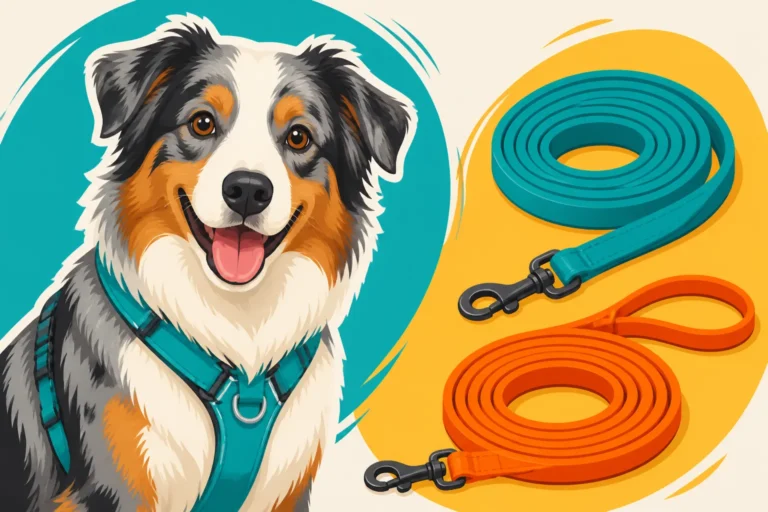
Your Aussie will need a sturdy collar (with identification tags, including their license and possibly an MDR1 tag), a durable leash, and often a comfortable harness, especially if they pull on walks. Good quality leashes and harnesses can cost $20-$60 each, and you might need several over the years as they wear out or if you want different types for different activities (e.g., a standard leash for walks, a long line for recall practice).
Consider a comfortable, escape-proof harness for walking, especially if your Aussie has a strong prey drive or is prone to pulling. While cheaper options exist, investing in durable, well-fitting gear is better for both your dog's comfort and your wallet in the long run, as you won't have to replace them as frequently.
Toys and Enrichment Items
Australian Shepherds are highly intelligent and need mental stimulation. Chew toys that last with an Australian Shepherd are essential to prevent destructive behaviors, and these can be surprisingly expensive, ranging from $10-$30 each. You'll likely go through several of these over the years. Puzzle feeders and enrichment gear for an Aussie are also vital for mental stimulation and can slow down mealtime, aiding digestion and preventing bloat. These often range from $15-$50.
Interactive toys like flirt poles and herding balls for an Australian Shepherd can provide great physical and mental exercise but also represent an ongoing cost, whether for the initial purchase or for replacements as they get worn out from enthusiastic play. Even basic fetch balls can get lost or destroyed. Regularly rotating toys and introducing new ones keeps their minds engaged, but this does contribute to the overall budget for toys. You can find a wide variety of these items from retailers like Chewy, making it easy to keep your Aussie stocked with engaging activities.
| Category | Annual Low Estimate | Annual High Estimate | Total 15-Year Low | Total 15-Year High |
|---|---|---|---|---|
| Initial Costs | $250 | $2,500 | $250 | $2,500 |
| Food & Treats | $600 | $1,200 | $9,000 | $18,000 |
| Routine Vet Care & Meds | $300 | $700 | $4,500 | $10,500 |
| Grooming (Home & Pro) | $200 | $800 | $3,000 | $12,000 |
| Training & Enrichment | $200 | $1,000 | $3,000 | $15,000 |
| Gear & Supplies | $150 | $400 | $2,250 | $6,000 |
| Pet Insurance (Optional) | $420 | $660 | $6,300 | $9,900 |
| Total (Excl. Emergencies) | $2,120 | $7,260 | $28,300 | $73,900 |
| Potential Emergency/Surgery | +$0 | +$15,000 | +$0 | +$15,000 |
| Grand Total (15 Years) | $28,300 | $88,900 | $28,300 | $88,900 |
Note: Initial Costs are a one-time expense, but are listed here to be included in the total. Emergency/Surgery costs are highly variable and can occur multiple times.
Senior Years and End-of-Life Planning
The senior years of an Australian Shepherd, typically after the age of 10, bring a shift in their needs and often an increase in healthcare costs. While these years are precious, they require careful financial planning for increased veterinary care and eventual end-of-life decisions.
Increased Senior Veterinary Care
As Australian Shepherds age, they become more susceptible to a range of health issues common in senior dogs. This often means more frequent vet visits. How often a ten year old Aussie needs checking might increase to twice a year, especially if they have pre-existing conditions. These check-ups might include more extensive bloodwork worth running on a senior Aussie, urine tests, and sometimes X-rays to monitor for conditions like arthritis or organ function decline. All of these tests add to the veterinary bills.
Conditions like Australian Shepherd arthritis after years of work are very common. Managing arthritis might involve daily medications, joint supplements, therapeutic diets, or even regular laser therapy or acupuncture sessions, all of which are recurring costs. An old Australian Shepherd losing its sight or hearing loss in an aging Australian Shepherd might also require changes to their environment and additional aids, which can also incur costs. Budgeting for these increased medical expenses is a crucial part of senior Australian Shepherd care after ten.
Special Needs and Comfort Items for Aging Aussies
Beyond medical care, senior Aussies often benefit from adaptations to their living environment to maintain their quality of life. Mobility aids for an old Australian Shepherd, such as orthopedic beds, ramps to access furniture or cars, and even supportive harnesses for assistance with walking, become necessary expenses. These items can range from tens to hundreds of dollars each. Softening meals for an old Aussie might also be necessary if they have dental problems or a decreased appetite, possibly leading to a switch to more expensive wet or fresh food options.
Grooming an arthritic Australian Shepherd can also become more challenging, requiring more patience and potentially more frequent professional grooming sessions if they struggle to stand for long periods. Their immune systems can also weaken, making them more prone to infections. All these factors contribute to the overall cost of keeping a senior Aussie comfortable and cared for.
End-of-Life Decisions and Costs
Making the decision to say goodbye to a beloved Australian Shepherd is one of the hardest parts of pet ownership. Unfortunately, there are costs associated with this difficult time. Australian Shepherd euthanasia and aftercare can range from $200 to $500 or more, depending on whether it’s done at home or at a clinic, and the type of aftercare chosen (e.g., communal cremation, private cremation with ashes returned, burial).
Many owners also choose to honor their dog's memory with memorial items, which can range from paw prints to custom urns or garden markers. While these are optional, they are often a part of the grieving process and can add to the final expenses. It’s a somber topic, but being aware of these potential costs allows you to make decisions based on love and comfort, rather than unexpected financial strain, during an already heartbreaking time.
Disclaimer
This guide is for informational purposes only and is not a substitute for professional veterinary advice. Individual Australian Shepherd costs will vary based on geographic location, specific needs, unexpected health issues, and personal choices regarding care and products. Always consult with a qualified veterinarian for any health concerns or before making any decisions about your dog's diet, health, or lifestyle.