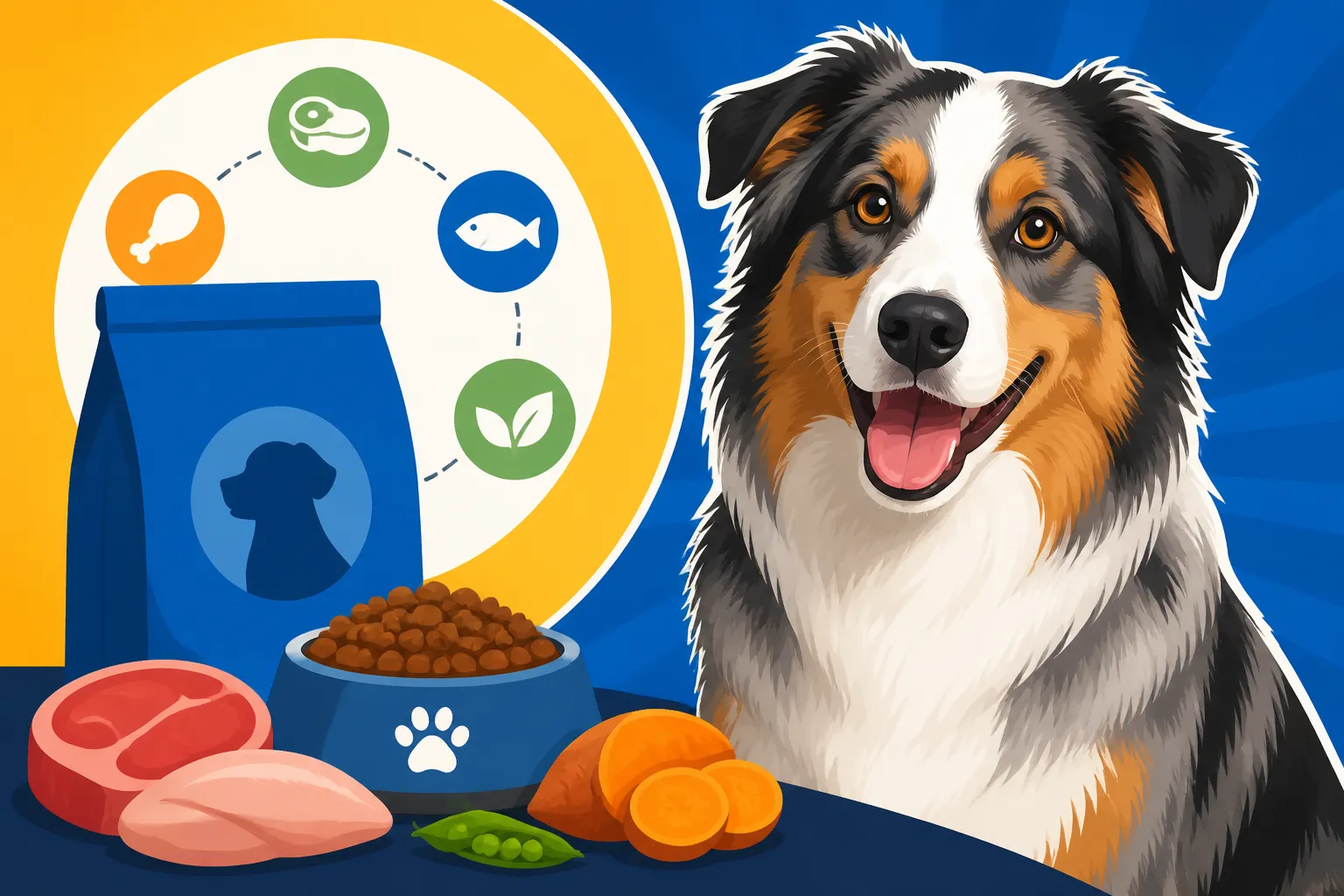
Feeding a Fifty Pound Working Aussie for a Month
Anyone who shares their life with a 50-pound working Australian Shepherd knows that these intelligent, energetic dogs aren't just pets; they're canine athletes. Keeping them fueled and thriving requires careful consideration, and the cost of feeding them properly can sometimes be a real eye-opener. This guide aims to break down the monthly feeding expenses and crucial nutritional aspects for your active Aussie, ensuring they get the best without breaking your budget.
Understanding the Unique Dietary Needs of a Working Aussie
Feeding an Australian Shepherd isn't a one-size-fits-all equation, especially when you're talking about a working dog. Their high energy levels and sharp minds demand a diet that supports both physical endurance and cognitive function. It's about more than just filling their bowl; it's about providing the right kind of fuel for their demanding lifestyle.
Energy Requirements for an Active Life
When we talk about a "working" Aussie, we're not necessarily just referring to a dog on a ranch herding sheep every day (though that's certainly included!). A working Aussie can also be one that engages in intense agility training, competes in flyball, goes on long, strenuous hikes, participates in scent work, or even just has daily, extended sessions of high-intensity play like fetching and swimming. All these activities burn a tremendous amount of calories.
A 50-pound Australian Shepherd with a moderate to high activity level will naturally need significantly more calories than a sedentary dog of the same size. Their metabolism is revving higher, converting food into usable energy at a faster rate. If your Aussie is constantly on the go, whether it's rounding up the kids in the yard or excelling in dog sports, their body is constantly rebuilding muscle tissue, maintaining joint health, and powering their keen senses. Just imagine trying to run a marathon on a diet of snacks – it just wouldn't work! Their diet needs to be dense in nutrients and energy to keep up. Remember, you can't just throw extra food in the bowl; you need to choose quality that delivers.
Nutritional Balance Beyond Calories
While calories are crucial for energy, they’re just one piece of the puzzle. A working Australian Shepherd requires a carefully balanced diet rich in high-quality protein, healthy fats, and complex carbohydrates. Protein is absolutely vital for muscle repair and growth, which is paramount for an active dog. Look for named meat sources like chicken meal, lamb meal, or salmon as the first ingredients in their food. These provide the essential amino acids their bodies need to function at their peak.
Fats are a concentrated source of energy, and healthy fats, particularly omega-3 and omega-6 fatty acids, are incredibly important for an Aussie's signature double coat, skin health, and even cognitive function. You might find these listed as fish oil, flaxseed, or chicken fat. Carbohydrates provide sustained energy, especially complex ones like whole grains (brown rice, oats) or certain vegetables (sweet potatoes). Beyond these macronutrients, a working Aussie also benefits from a robust array of vitamins, minerals, and often, specific supplements. For instance, many owners opt for joint support in a working Aussie diet, even when they're young, to proactively protect their hard-working joints. This might include glucosamine and chondroitin, which help maintain cartilage integrity. Without the right balance, you might notice a dull coat, fluctuating energy levels, or slower recovery times after exercise.
Calculating Monthly Food Costs for a 50-Pound Working Aussie
Let's get down to the brass tacks: what does it actually cost to feed your active 50-pound Aussie for a month? This isn't a fixed number, as it depends heavily on the type and quality of food you choose, as well as your dog's specific activity level. But we can certainly map out a realistic range.
Estimating Daily Caloric Intake
The first step in budgeting for your Aussie's food is understanding their caloric needs. A general guideline for an adult, intact (not spayed/neutered), moderately active 50-pound dog might be around 1,500-1,800 calories per day. However, for a working Australian Shepherd, this can easily jump. If your Aussie is engaged in intense activities like herding, competitive agility, or long trail runs for one to two hours a day, their needs could easily be 2,000-2,500 calories or even more.
Consider a hypothetical 50-pound Aussie named "Rusty" who spends two hours a day doing a mix of brisk walks, off-leash running in a field, and a vigorous game of fetch. Rusty would likely need to be on the higher end of that spectrum, perhaps closer to 2,200 calories daily to maintain his weight and energy. It's crucial to observe your dog's body condition and energy levels. If they're losing weight or seem lethargic, you might need to increase their intake; if they're gaining weight, scale back. You can learn more about daily calories for a fifty pound Australian Shepherd and how to accurately assess their needs.
Here's a quick reference table for estimating calorie needs:
| Activity Level (50 lb Aussie) | Estimated Daily Calories |
|---|---|
| Light Activity (leisure walks) | 1,200 – 1,500 kcal |
| Moderate Activity (daily hikes, agility) | 1,800 – 2,200 kcal |
| High Activity (herding, intense sports) | 2,200 – 2,800+ kcal |
Breaking Down Kibble Costs
Dry kibble is the most common and often most cost-effective feeding method for many Aussie owners. The price can vary dramatically based on ingredient quality, brand reputation, and whether you're buying standard, premium, or "boutique" formulas.
- Budget-Friendly Kibble: You might find a 30-pound bag for $30-$45. These typically have more fillers, lower protein percentages, and less digestible ingredients. If your 50-pound Aussie needs 2,200 calories per day and this food provides 350 calories per cup, they'd need about 6.3 cups daily. If a cup is roughly 4 ounces, that's 25.2 ounces or about 1.57 pounds per day. Over 30 days, that's roughly 47 pounds of food. So, you'd need more than one 30-pound bag, costing around $60-$90 per month.
- Mid-Range Kibble: A 30-pound bag might cost $50-$70. These often have better quality ingredients, higher meat content, and better digestibility, meaning your dog might need to eat slightly less. Let's say it has 400 calories per cup. Rusty would need 5.5 cups daily, or 1.37 pounds. Over 30 days, that's about 41 pounds of food. This would mean roughly $80-$140 per month for two bags.
- Premium/High-Performance Kibble: A 25-30 pound bag could easily run $70-$100+. These are formulated specifically for active dogs, with high protein, optimal fat, and often added joint support. They are usually more calorie-dense, so your dog might eat less. At 450 calories per cup, Rusty would need 4.9 cups daily, or 1.22 pounds. Over 30 days, that's about 37 pounds of food. This would mean roughly $100-$150+ per month.
Retailers like Chewy often provide detailed nutritional information and pricing, allowing you to compare options and subscribe for auto-delivery, which can sometimes come with a small discount. Always weigh your Aussie's ration by hand, as this is the most accurate way to ensure consistency and prevent over or underfeeding, especially when trying to maintain a precise weight or caloric intake. You can find more information on why an Aussie ration should be weighed.
Exploring Other Diet Options
Beyond traditional kibble, there are other feeding methods that come with different cost implications and benefits.
- Raw Feeding: This involves feeding raw meat, bones, and organs, often with a small amount of fruits and vegetables. The cost can vary wildly depending on whether you're sourcing ingredients yourself (which requires extensive knowledge to ensure nutritional completeness) or buying pre-made raw meals. Pre-made raw diets can be quite expensive, easily running $200-$400+ per month for a 50-pound working Aussie, as raw meat is heavier and less calorie-dense per pound than dry kibble, requiring larger quantities. Sourcing individual ingredients can be cheaper but demands significant time, freezer space, and expertise to balance correctly.
- Fresh Food Delivery Services: Companies like Ollie offer pre-portioned, human-grade fresh meals delivered to your door. These are incredibly convenient and often highly palatable. For a 50-pound working Aussie, a fresh food diet from a service like Ollie could cost anywhere from $150 to $300+ per month, depending on the specific plan and ingredients. The higher cost reflects the quality of ingredients, convenience, and careful formulation. Many owners choose these for Aussies with sensitive stomachs or specific dietary needs, as the digestibility can be excellent, potentially preventing issues like Australian Shepherd puppy diarrhea after homecoming.
- Home-Cooked Meals: Preparing meals at home gives you complete control over ingredients, which can be great for Aussies with allergies or sensitivities. However, it's incredibly challenging to ensure a balanced diet without the guidance of a board-certified veterinary nutritionist. Simply cooking chicken and rice isn't enough for long-term health, especially for an active dog. Deficiencies can arise, leading to serious health problems down the line. The cost of raw ingredients (meat, organs, vegetables, supplements) can range from $100 to $250+ per month, similar to raw feeding, but with the added cost of time for preparation. This option really needs professional oversight to avoid long-term health issues.
Smart Strategies for Managing Aussie Feeding Expenses
Managing the cost of feeding your high-energy Australian Shepherd doesn't have to mean compromising on quality. With a few smart strategies, you can ensure your Aussie gets the nutrition they need without completely draining your wallet.
Bulk Buying and Subscription Services
One of the most effective ways to save money on kibble is to buy in larger bags. The cost per pound almost always decreases as the bag size increases. If your 50-pound Aussie goes through 30-40 pounds of food a month, buying a 40-pound bag every four weeks is generally more economical than two 20-pound bags. However, ensure you have a cool, dry, airtight storage container to keep the food fresh and prevent pests. Oxygen exposure can degrade nutrients and make the food less palatable over time.
Many online retailers, including Chewy, offer subscription or "auto-ship" services. Not only do these ensure you never run out of food unexpectedly, but they often come with a percentage discount on each order, saving you 5-10% or more over time. This might not sound like a huge saving, but over a year, it definitely adds up, especially with a breed that can live for 12-15 years. Plus, it means one less thing to remember on your weekly shopping list!
Optimizing Food Choices for Value and Nutrition
When comparing dog foods, don't just look at the price tag. Dive into the ingredient label. Focus on the first five ingredients, as these make up the bulk of the food. Look for named meat sources (e.g., "chicken meal" rather than "meat meal") and avoid excessive fillers like corn, wheat, and soy, which offer little nutritional value and can sometimes trigger allergies or sensitivities in some Aussies.
Sometimes, a slightly more expensive food can actually be better value in the long run. Higher quality foods are often more calorie-dense and digestible, meaning your dog gets more nutrients per bite and you might actually feed a smaller quantity. This means a bag lasts longer, narrowing the price gap with cheaper brands. Additionally, investing in a high-quality diet can help prevent future health issues, potentially saving you significant vet bills down the line. For instance, a diet optimized for skin and coat health could reduce the likelihood of flare-ups for issues like Australian Shepherd skin, coat and allergy problems, which can lead to costly treatments.
The Role of Treats and Supplements
Training treats are an undeniable part of life with an Australian Shepherd. Their intelligence and drive make them eager learners, but those countless repetitions add up in treat costs. Opt for small, high-value treats that can be easily broken into even smaller pieces. This keeps your Aussie engaged without over-calorizing them. You can also use parts of their daily kibble ration as training rewards, especially if it's a high-quality, palatable kibble.
Supplements, like those for joint health (glucosamine, chondroitin, MSM), omega fatty acids for skin and coat, or probiotics for digestive health, can add to your monthly expenses. While a good quality food should ideally provide most of what your Aussie needs, some working dogs, or those prone to specific issues, benefit greatly from targeted supplementation. For example, if your Aussie is active in sports like agility, supplementing with joint support in a working Aussie diet can be a wise preventative measure. Costs can range from $15 to $50+ per month, depending on the supplement and brand. Always discuss new supplements with your vet to ensure they're appropriate for your dog and won't interact negatively with their current diet or any medications.
Beyond the Bowl – Health and Prevention
Feeding your Australian Shepherd is about more than just satisfying hunger; it's a fundamental investment in their long-term health and vitality. The choices you make now about their diet can profoundly impact their health trajectory, potentially saving you a lot of heartache and money down the road.
The Cost of Poor Nutrition
It’s tempting to cut corners on dog food when trying to save money, but for a high-drive working breed like the Australian Shepherd, this can be a false economy. A diet lacking in adequate protein, healthy fats, or essential micronutrients can lead to a host of problems. You might notice a dull, dry coat, excessive shedding (beyond their twice-yearly coat blow when what the undercoat does on an Aussie is very obvious), skin irritations, low energy levels, or digestive upset like chronic soft stools. Over time, poor nutrition can weaken their immune system, making them more susceptible to illnesses, and even exacerbate underlying genetic predispositions.
These issues often manifest as vet visits, diagnostic tests, medications, or even prescription diets, all of which come with significant costs. What you saved on a cheaper bag of food could easily be dwarfed by a single vet bill for allergies, chronic ear infections, or unexplained lethargy. Thinking long-term, a healthy, well-nourished Australian Shepherd generally has a better quality of life and may even enjoy a longer lifespan, making the investment in quality food truly worth it. It’s one of the unseen Australian Shepherd costs owners never see coming if they don't plan ahead for health.
Vet Check-ups and Monitoring
Even with the best diet, regular veterinary check-ups are paramount. Your vet is your best partner in ensuring your Aussie's diet is meeting their needs at every stage of life. During these visits, your vet will assess their body condition, weight, coat quality, and overall health. They can help you fine-tune their diet as your Aussie ages, their activity levels change (perhaps they retire from intense work), or if they develop any health conditions. For instance, an Australian Shepherd that starts gaining weight might need a recalculation of their daily calories to prevent obesity, which can put strain on their joints.
These routine check-ups are also where potential issues can be caught early, often before they become major problems. While proactive nutrition helps prevent many issues, unexpected illnesses or accidents can still occur. This is where pet health insurance, like a policy from Healthy Paws, can provide a financial safety net, helping to cover significant vet bills for unforeseen circumstances. But remember, insurance is for the unexpected; consistent, high-quality nutrition is your daily preventative measure, laying the foundation for a healthy, vibrant life for your working Australian Shepherd.
Disclaimer
The information provided in this article is for general informational purposes only and is not a substitute for professional veterinary advice. Always consult with a qualified veterinarian or a board-certified veterinary nutritionist for any questions or concerns regarding your Australian Shepherd's diet, health, or medical conditions. Individual dietary needs can vary based on age, activity level, health status, and other factors.