Australian Shepherd Flea and Tick Products Safe With MDR1
It's an utterly terrifying moment when you realize that something you give your beloved Australian Shepherd for their health could actually be causing them harm. For us Aussie parents, especially those with dogs carrying the MDR1 gene mutation, the world of flea and tick prevention can feel like a minefield. You just want to protect your furry family member from pests, but the fear of an adverse drug reaction is a constant, gnawing worry. This guide is here to help you navigate those choices, outlining which Australian Shepherd flea and tick products are generally considered safe for dogs with the MDR1 mutation, and which ones to steer clear of.
Understanding the MDR1 Gene Mutation and Drug Sensitivity
Before we dive into specific products, it’s crucial to understand why the MDR1 mutation is such a big deal for Australian Shepherds. It's not just a little quirk; it's a fundamental difference in how their bodies process certain medications. The Multidrug Resistance 1 (MDR1) gene, now often referred to as ABCB1, is responsible for producing a protein called P-glycoprotein. Think of P-glycoprotein as a diligent bouncer at the club door of your dog's brain, liver, kidneys, and intestines. Its job is to pump certain drugs out of these vital organs, preventing them from building up to toxic levels.
How a Defective MDR1 Gene Affects Drug Absorption
When an Australian Shepherd has the MDR1 mutation, that P-glycoprotein bouncer isn't doing its job properly. It's either completely absent or severely impaired. This means that drugs that would normally be expelled are instead allowed to accumulate, particularly in the brain. The blood-brain barrier, which normally protects the central nervous system from harmful substances, becomes permeable to these drugs in MDR1-affected dogs. The result? Neurological toxicity that can range from tremors and disorientation to seizures, coma, and even death. It's a stark reminder that what's safe for one dog isn't necessarily safe for another, especially when it comes to genetics. To really dig into the specifics, you can learn more about What MDR1 Does Inside an Australian Shepherd Brain.
Common Drugs to Approach with Extreme Caution
The list of drugs affected by the MDR1 mutation is surprisingly long and includes several medications commonly used in veterinary medicine. Beyond flea and tick preventatives, drugs like Ivermectin (at certain doses), Loperamide (an anti-diarrheal), Vincristine and Vinblastine (chemotherapy drugs), and even some anesthetics can cause severe reactions. It's not just about avoiding "that one drug"; it's about being aware of a whole class of compounds. This is why having your Aussie tested for MDR1 status is so critical, and why open communication with your vet is paramount. You really need to be armed with the knowledge of The Drugs an MDR1 Australian Shepherd Cannot Take before any vet visit.
Identifying Safe Flea and Tick Preventatives for MDR1 Aussies
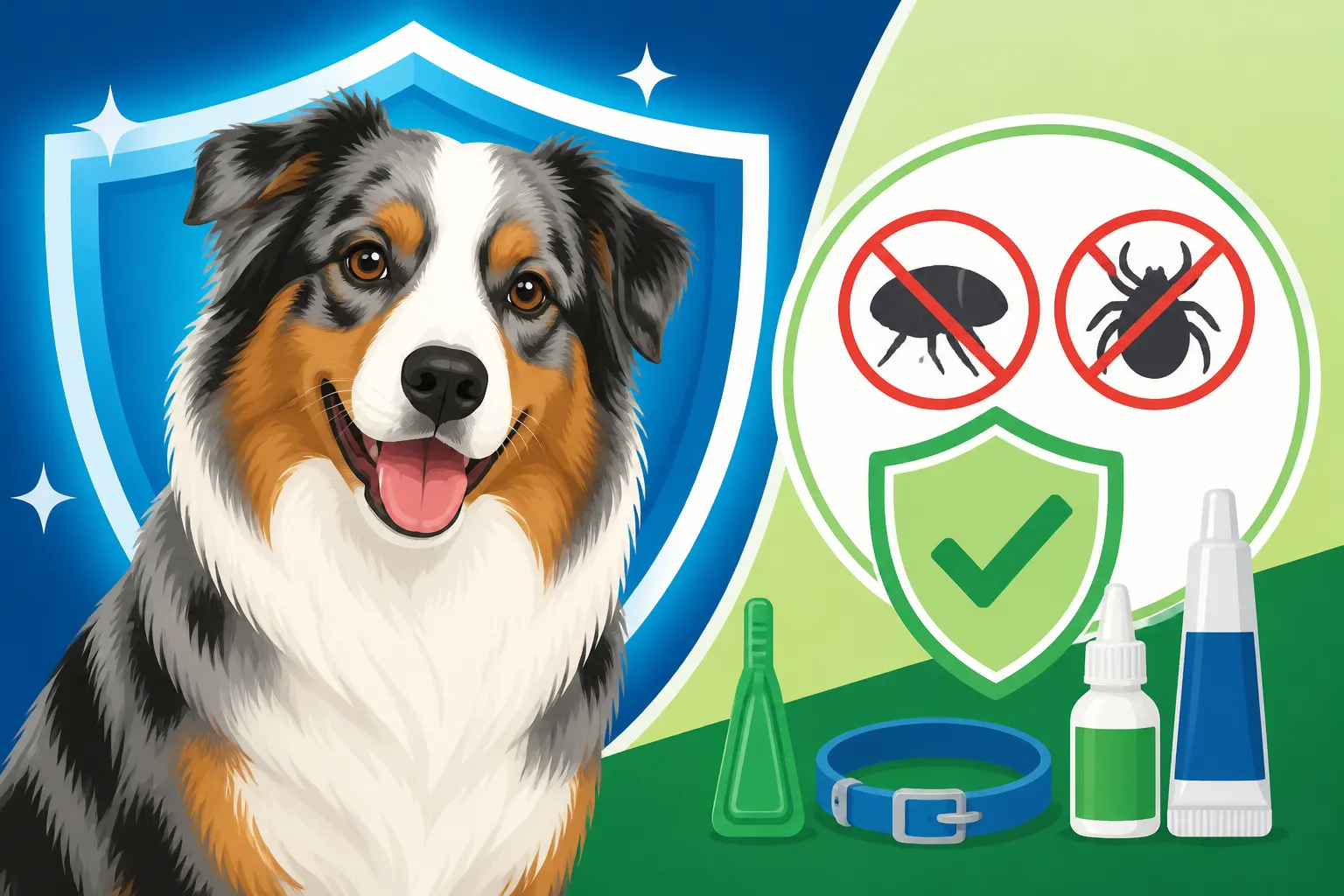
The good news is that veterinary medicine has advanced, and there are now many excellent and safe options for flea and tick prevention, even for our sensitive Australian Shepherds. The key lies in understanding the active ingredients and how they interact with the MDR1 gene. Your veterinarian will be your best resource for prescribing the right product, but knowing what questions to ask and what to look for can make you a more informed and proactive advocate for your Aussie.
Oral Medications Generally Considered Safe
Many of the newer oral flea and tick medications are considered safe for MDR1-affected dogs. These products typically belong to a class of drugs called isoxazolines. They work by targeting specific receptors in insect nerve cells, which are different from those in mammals, making them highly effective against parasites with a wide safety margin for dogs. More importantly for us, these compounds are not substrates for the P-glycoprotein pump, meaning the MDR1 mutation doesn't impede their clearance from the central nervous system.
Some examples of active ingredients in this category include:
- Afoxolaner: Found in products like NexGard.
- Fluralaner: Found in products like Bravecto.
- Sarolaner: Found in products like Simparica.
- Lotilaner: Found in products like Credelio.
These are often highly palatable chews, making administration easy for most dogs. They offer protection against fleas and various types of ticks, often for a full month or even longer, depending on the specific product. When picking up your dog's prescription, whether from your vet's office or through an online pharmacy like Chewy, always double-check the active ingredient.
Topical Solutions and Collars with Safe Profiles
While oral medications are very popular, some owners prefer topical solutions or collars. These can also be safe for MDR1 Aussies, but again, ingredient knowledge is key. Many topical spot-on treatments work by spreading across the dog's skin and coat, killing parasites through contact. Collars release active ingredients over time.
For topical spot-ons, some commonly used safe active ingredients include:
- Fipronil: Found in products like Frontline Plus.
- Pyriproxyfen: Often combined with other insecticides.
- Etofenprox: Also commonly found in combination products.
These ingredients typically do not penetrate the bloodstream in significant amounts or do not interact with the P-glycoprotein pump, making them a safer choice for MDR1 dogs. When considering collars, the Seresto collar, which contains flumethrin and imidacloprid, is generally considered safe for MDR1 dogs because the active ingredients are primarily released onto the skin surface and are not readily absorbed systemically in a way that impacts the MDR1 pathway. However, always confirm with your vet that the specific brand and product you're considering is indeed suitable for your dog's individual needs and MDR1 status.
Products to Approach with Extreme Caution or Avoid Entirely
Just as there are many safe options, there are also products that pose a significant risk to Australian Shepherds with the MDR1 mutation. Being vigilant about these ingredients is critical for preventing adverse reactions. It's not just about brand names; it's about the chemicals they contain.
The Ivermectin and Selamectin Concern
Historically, and still a concern with some products, Ivermectin is the poster child for drugs dangerous to MDR1 dogs. While low doses of Ivermectin used in some heartworm preventatives are generally considered safe, higher doses found in some older or off-label parasite treatments can be devastating. The exact dosage that triggers a reaction can vary, which is why it's best to avoid Ivermectin in flea/tick products for MDR1 Aussies altogether unless explicitly cleared by a vet familiar with your dog's specific test results and the product's formulation. For more detailed information on this, check out How an MDR1 Australian Shepherd Reacts to Ivermectin.
Similarly, Selamectin, found in products like Revolution, has been a subject of debate. While many veterinarians have used it safely in MDR1 carriers, and even some affected dogs at standard doses for heartworm and certain parasites, some reports suggest it can still cause neurological signs in a small percentage of homozygous affected dogs (MDR1-mutant/mutant) or at higher doses. Given the availability of equally effective and unequivocally safe alternatives, many choose to err on the side of caution and avoid selamectin-based flea and tick products for their MDR1 Aussies, especially if their dog is homozygous for the mutation.
Pyrethroids and Older Generation Products
Some older generation topical flea and tick products, particularly those available over-the-counter in pet stores or supermarkets, may contain pyrethroids (like permethrin, phenothrin, or etofenprox in higher concentrations) or organophosphates. While etofenprox in certain formulations can be safe, high concentrations of some pyrethroids can be problematic for MDR1 dogs, and in general, can be quite toxic if ingested, which can happen when dogs groom themselves or other pets. Organophosphates are generally outdated and carry broader toxicity risks. It’s always best to be skeptical of generic, cheaper products without veterinary recommendation, as they may contain these less safe ingredients or be formulated in ways that increase risk.
Always, always scrutinize the active ingredient list, even for products labeled "natural" or "botanical," as some essential oils or plant-derived compounds can also be toxic to dogs, regardless of MDR1 status.
Best Practices for MDR1 Aussie Flea and Tick Management
Navigating the world of flea and tick prevention for an MDR1 Australian Shepherd requires diligence and a partnership with your veterinarian. It’s not a "set it and forget it" task; it's an ongoing commitment to ensuring your dog's safety while keeping those pesky parasites at bay.
Always Confirm MDR1 Status
The absolute first step for any Australian Shepherd owner is to confirm their dog's MDR1 status. You can do this with a simple cheek swab DNA test, available through various reputable laboratories. This test will tell you if your dog is clear (N/N), a carrier (N/M), or affected (M/M). Knowing this empowers you and your vet to make the most informed decisions about all medications, not just flea and tick preventatives. If you haven't done this yet, you need to look into Testing an Australian Shepherd for MDR1 as soon as possible. Even if your Aussie is a carrier, it's wise to proceed with caution for certain drugs, although carriers typically don't show clinical signs at standard doses. For more information, read Whether an MDR1 Carrier Australian Shepherd Ever Reacts.
Consulting Your Veterinarian with Confidence
Once you have your Aussie's MDR1 test results, schedule a dedicated conversation with your veterinarian. Bring the results with you. Discuss your region's specific parasite risks (which fleas and ticks are prevalent, what diseases they carry) and work together to choose the safest and most effective prevention plan. Your vet is a treasure trove of knowledge about drug interactions and the latest product safety data. Don't be afraid to ask questions, no matter how small they seem. They're there to help you, and knowing your dog's genetic status allows them to tailor recommendations precisely. You can even proactively share your dog's MDR1 status with them before an appointment, as detailed in Telling Your Vet an Australian Shepherd Is MDR1 Positive.
Reading Labels and Ingredient Lists Diligently
Even after a vet recommendation, make it a habit to read the labels and ingredient lists of any medication or preventative you give your dog. Manufacturers can sometimes change formulations, or you might accidentally pick up a different version of a product. Be especially wary of products bought online from non-reputable sources, as counterfeits can contain incorrect or dangerous ingredients. Sites like Chewy generally provide detailed ingredient lists and product information, which can be helpful, but nothing replaces your vet's direct advice. If you ever have doubt, contact your vet before administering anything.
Staying proactive about your Australian Shepherd's health, including diligent parasite prevention, is one of the best ways to ensure they live a long, happy, and itch-free life. It also helps avoid unexpected emergency vet visits, which can be covered by pet insurance providers like Healthy Paws if you're ever in a tough spot with an accidental exposure or reaction.
Here’s a quick overview of common active ingredients and their general safety for MDR1 Australian Shepherds:
| Product Type | Active Ingredient(s) | General MDR1 Safety | Notes |
|---|---|---|---|
| Oral Chew | Afoxolaner (NexGard) | Safe | Isoxazoline class, generally considered very safe for MDR1 dogs. |
| Oral Chew | Fluralaner (Bravecto) | Safe | Isoxazoline class, generally considered very safe for MDR1 dogs. |
| Oral Chew | Sarolaner (Simparica) | Safe | Isoxazoline class, generally considered very safe for MDR1 dogs. |
| Oral Chew | Lotilaner (Credelio) | Safe | Isoxazoline class, generally considered very safe for MDR1 dogs. |
| Topical Spot-On | Fipronil + (S)-Methoprene (Frontline Plus) | Safe | Primarily external action, limited systemic absorption. |
| Topical Spot-On | Permethrin (e.g., K9 Advantix II) | Caution (usually safe) | Some debate; usually safe when applied topically as directed. Toxic if ingested, separate from cats. |
| Topical Spot-On | Etofenprox | Caution (usually safe) | Often safe in specific topical formulations; check with vet. |
| Topical Spot-On | Dinotefuran + Pyriproxyfen + Permethrin (Vectra 3D) | Caution (usually safe) | Same as Permethrin. |
| Collar | Flumethrin + Imidacloprid (Seresto) | Safe | Active ingredients remain primarily on the skin surface. |
| Topical Spot-On | Selamectin (Revolution) | Caution | Generally considered safe at prescribed doses for carriers, but some concern for M/M affected dogs. Discuss with vet. |
| Oral/Injectable | Ivermectin (at high doses) | AVOID | Highly toxic to MDR1-affected dogs at higher doses used for some parasites. Low doses in heartworm preventatives are generally safe but consult vet. |
Remember, this table provides general guidance. Always consult your veterinarian for the most accurate and personalized advice for your Australian Shepherd.
Disclaimer
This article is for general informational purposes only and does not constitute professional advice. Laws, prices and regulations vary by location and change over time. Consult a qualified professional for guidance on your specific situation.