What Six Weeks of Aussie Puppy Class Costs
Bringing home a wiggly, adorable Australian Shepherd puppy is truly one of life's greatest joys, but let's be honest, it also comes with a whole new set of questions and expenses you might not have fully anticipated. One of the first big decisions, and often one with a surprising price tag, is enrolling your little fluffball in puppy classes. This guide will walk you through what to expect when it comes to the cost of those crucial first six weeks of Australian Shepherd puppy class, and why it's an investment that pays dividends for years to come.
Why Puppy Class Is an Investment, Not Just an Expense
It's easy to look at the price tag for a puppy class and feel a bit of sticker shock. After all, you just bought a crate, food, toys, and had your first vet visit! But thinking of puppy class as just another bill misses the bigger picture. For an intelligent, high-drive breed like an Australian Shepherd, those early weeks of structured learning are absolutely invaluable. They lay the groundwork for a well-adjusted, confident adult dog and help you navigate the unique challenges of raising an Aussie.
The Value of Early Socialization
Imagine a brand new sponge, ready to soak up every experience around it – that's your Aussie puppy during those critical early weeks. This period, roughly from 3 to 16 weeks of age, is a prime window for socialization, and puppy class offers a controlled, safe environment for it. Your puppy gets to interact with other puppies of various breeds, sizes, and temperaments, learning crucial canine social cues that they might not pick up just from playing with littermates or adult dogs at home. They learn to accept gentle handling from different people, get comfortable with new sounds and smells, and generalize that the world isn't such a scary place.
Without this early, positive exposure, Australian Shepherds, with their natural reserved nature and guarding instincts, can easily become fearful or reactive. They might snap at other dogs out of anxiety, bark incessantly at strangers, or become overwhelmed in new situations. A good puppy class helps them develop resilience and confidence, teaching them that other dogs can be friends and people are generally okay. This vital foundation is key to preventing future behavioral issues that can be much more costly and time-consuming to correct down the line. You can learn more about this crucial period in our guide on The Australian Shepherd Socialization Checklist.
Laying Foundational Skills for Life
Beyond just socialization, puppy classes are where your Aussie will start to learn the language of humans. We're talking about basic obedience commands like sit, stay, come, and leash manners. For an Australian Shepherd, whose genetic makeup leans towards working and problem-solving, understanding these commands isn't just about being polite; it's about building a working relationship with you. They thrive on having a job, and even simple commands give them that structure.
A skilled instructor will guide you through positive reinforcement techniques, helping you effectively communicate with your smart, sometimes stubborn, puppy. You'll also tackle common puppy problems like house training, crate training, and the dreaded puppy nipping. Australian Shepherds are known for their "herding nips," which can be painful and frustrating. Puppy class provides strategies for redirecting this instinct and teaching bite inhibition, saving your ankles (and your guests' ankles!) a lot of trouble. We cover this in more detail in Australian Shepherd Puppy Biting and Herding Nips. Learning these skills early on prevents these behaviors from becoming ingrained habits that are much harder to break later.
For the Human End of the Leash, Too
Let's be real, puppy class isn't just for the dogs. It's often just as much for us, the bewildered human parents! Bringing home an Aussie means signing up for a dog with incredible intelligence and drive, which can be a double-edged sword. They learn quickly, but they also learn everything, good or bad. A puppy class instructor acts as your personal guide, demystifying canine behavior and helping you understand why your Aussie is doing what they're doing.
You'll learn about dog body language, effective reward timing, how to manage an Aussie's energy, and how to set them up for success in your home. This education for you is paramount. Knowing how to communicate with your Australian Shepherd prevents frustration on both sides and builds a stronger bond. You'll gain confidence in your ability to handle your energetic companion, setting a positive tone for the many years you'll have together. It's about learning to speak "Aussie," and believe me, it's a language worth mastering.
Breaking Down Puppy Class Costs
The financial outlay for puppy classes can feel a bit like a mystery box until you start researching. Prices aren't uniform, and what's included can vary wildly. Understanding these nuances helps you make an informed decision for your Australian Shepherd's early education.
Typical Structures and Price Ranges
Most puppy classes run for a set number of weeks, with one session per week. Six-week courses are incredibly common, providing enough time to cover foundational skills without being overly long for young puppies.
Here's a general idea of what you might encounter:
- Group Puppy Socialization/Obedience Classes: These are the most common and typically the most affordable option. They focus on basic manners, socialization with other puppies and people, and addressing common puppy issues. They usually run for 4-8 weeks, with 6 weeks being a sweet spot. Class sizes are usually small, typically 4-8 puppies, to ensure individual attention.
- Puppy Day School/Board-and-Train: Some facilities offer more intensive programs where your puppy attends "school" for several hours or even days a week, or boards overnight for training. These are significantly more expensive but can be a good option for owners with limited time or specific needs.
- Private Puppy Consultations: If your Aussie puppy has a very specific behavioral challenge, or you prefer one-on-one attention, a private trainer might be the way to go. These sessions are usually priced per hour or per package of sessions.
The actual cost will depend heavily on where you live. A class in a bustling city center will likely be more expensive than one in a rural town. Similarly, a highly reputable training facility with certified professional dog trainers will command a higher fee than a less experienced local instructor. Always remember to ask about trainer qualifications and experience, especially with herding breeds like Australian Shepherds, as their drive requires specific understanding.
What's Included and What's Extra
When you sign up for a six-week puppy class, the base fee generally covers:
- Instructor's Time and Expertise: This is the bulk of what you're paying for. A good trainer provides structured lessons, demonstrations, feedback, and answers questions.
- Facility Usage: Many classes are held in dedicated training halls, which have overhead costs.
- Course Materials: You'll often receive handouts summarizing the week's lessons, tips for home practice, and maybe even a clicker.
- Controlled Socialization: The opportunity for your puppy to interact safely with other puppies under expert supervision.
However, sometimes there are extras:
- Required Gear: Some classes might require specific leashes (like a 6-foot standard leash, not a retractable one!), harnesses, or training pouches. While these are often things you'd buy anyway, factor them in. You might find great starter kits for these essentials on sites like Chewy.
- Advanced Classes: The six-week puppy class is usually just the beginning. Most facilities will offer follow-up courses like "Puppy Kindergarten II," "Adolescent Manners," or even intro to dog sports. These are separate costs but a natural progression for an Aussie.
- Home Visits or Private Add-ons: If your puppy struggles with a specific issue at home that can't be fully addressed in a group setting (like excessive barking at visitors), the trainer might offer private add-on sessions, which come at an additional cost.
It’s always wise to ask for a detailed breakdown of what’s included in the registration fee. Transparency is key when you’re making this kind of investment.
Factors Influencing the Price
Several elements can make a significant difference in the price of a six-week Australian Shepherd puppy class. It's not just random; these factors reflect the quality, demand, and resources involved.
- Location, Location, Location: Just like real estate, dog training prices are heavily influenced by geographic location. Expect higher fees in major metropolitan areas or affluent suburbs where overheads (rent, staff salaries) are higher. Rural areas might offer more budget-friendly options.
- Trainer Credentials and Experience: This is huge. A trainer certified by organizations like the Certification Council for Professional Dog Trainers (CCPDT) or the Karen Pryor Academy, with years of experience specifically with high-drive breeds, will often charge more than a newer, uncertified trainer. You're paying for their education, skills, and proven track record. This is especially important for an Australian Shepherd, as their unique temperament and intelligence require a nuanced training approach.
- Class Size: Smaller class sizes (e.g., 4-6 puppies) allow for more individualized attention and feedback, which is often reflected in a slightly higher price point. Larger classes (e.g., 8-10 puppies) might be more affordable but offer less one-on-one time.
- Facility Quality: A state-of-the-art training center with rubberized floors, climate control, and dedicated puppy play areas might cost more than a class held in a rented community hall.
- Curriculum Depth: Some six-week classes are very basic, while others incorporate more advanced concepts, introduce early clicker training, or dedicate more time to specific problem behaviors relevant to the breeds in attendance. A comprehensive curriculum that really dives into the nuances of The Aussie Puppy Curriculum Month by Month is generally a better value.
Here's a simplified look at how these factors can play out in a typical 6-week puppy class scenario:
| Class Type | Typical Duration | Focus Areas | Cost Level (Relative) |
|---|---|---|---|
| Group Puppy Socialization | 6 weeks | Basic manners, controlled play, bite inhibition, potty training | Moderate |
| Group Basic Obedience | 6-8 weeks | Sit, stay, come, leash walking, polite greetings | Moderate-High |
| Private Puppy Consultation | Per session | Specific problem behaviors, personalized training plans, advanced skills | High |
Beyond the Six Weeks: Related Training Costs
While a six-week puppy class is a fantastic start, for an Australian Shepherd, it's really just the tip of the iceberg. Their intelligence and boundless energy mean that training isn't a one-and-done deal. It’s a lifelong journey, and understanding the potential follow-up costs can help you budget realistically for your active companion.
Continuing Education and Advanced Classes
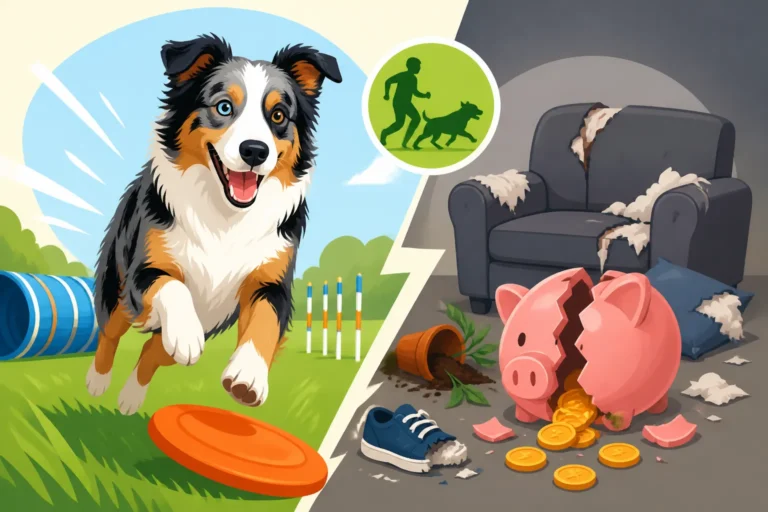
An Aussie who stops learning often becomes a bored Aussie, and a bored Aussie can quickly become a destructive Aussie. After basic puppy class, many owners find their Australian Shepherds thrive in more advanced training. This could mean:
- Adolescent Classes: Designed for those awkward teenage months when your Aussie might "forget" everything they learned. These reinforce manners and address new challenges.
- Canine Good Citizen (CGC) Prep: Building on basic obedience to achieve a recognized certification for well-behaved dogs.
- Dog Sports: Australian Shepherds excel in nearly every dog sport imaginable. Agility, flyball, disc dog, obedience, rally, and nose work are fantastic outlets for their physical and mental energy. Introduction classes for these sports are typically multi-week courses with their own fees. Even getting an Aussie into Herding Instinct Test Costs for an Aussie can be a separate initial investment.
- Advanced Obedience or Trick Training: For those who want to continue sharpening their Aussie's skills and give them a mental workout.
Each of these additional classes will come with its own set of fees. It's not uncommon for an Australian Shepherd owner to spend hundreds, if not thousands, of dollars over their dog's lifetime on various training classes and activities. This ongoing engagement is crucial to keeping them happy, fulfilled, and out of trouble.
Private Consultations and Behaviorists
Sometimes, despite your best efforts in group classes, an Australian Shepherd might develop specific behavioral challenges that require more intensive, individualized help. This is particularly true for issues like leash reactivity, separation anxiety, or resource guarding, which can be deeply ingrained or triggered by specific environmental factors.
A private trainer can work with you one-on-one, either at your home or their facility, to create a tailored training plan. These sessions are usually more expensive per hour than group classes but offer focused attention. If the issues are severe or have a strong emotional component, you might need to consult a certified veterinary behaviorist. These are veterinarians with advanced training in animal behavior, and their services often cost more, as they can diagnose and sometimes prescribe medication in conjunction with behavior modification plans. Don't be afraid to seek this help if needed; early intervention for complex issues can prevent them from escalating and potentially impacting your dog's quality of life or even leading to Why Aussies Land in Rescue at Eighteen Months. Finding the right professional for your Aussie is key, which is why we also have a guide on Finding a Trainer Who Understands an Aussie.
At-Home Training Tools and Resources
Beyond formal classes, there's also the cost of equipping yourself for consistent at-home training, which is vital for an Australian Shepherd. These aren't huge individual costs, but they add up:
- High-Value Treats: Australian Shepherds are often highly food-motivated. You'll need a steady supply of delicious, small treats for training sessions. Many owners find success with soft, meaty treats or even fresh food options like those offered by Ollie, cut into tiny pieces.
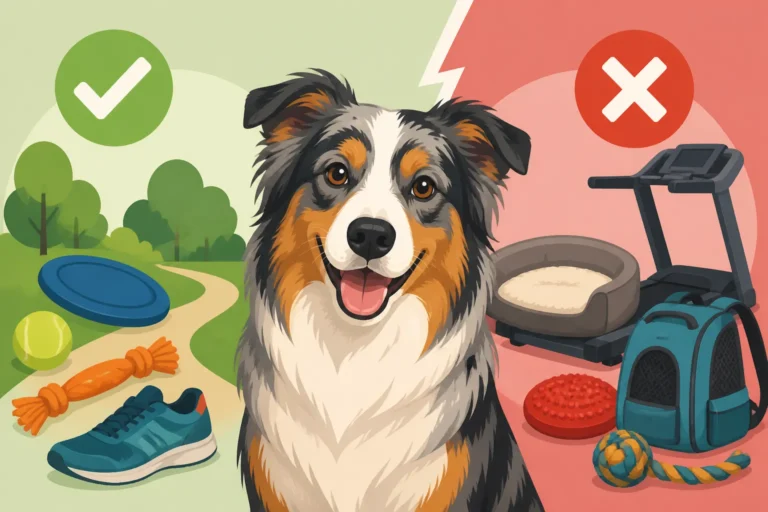
- Puzzle Toys and Enrichment: To keep their intelligent minds busy, puzzle feeders and interactive toys are essential. These can range from simple treat-dispensing balls to more complex sniffle mats or Kongs. You can find a huge variety of these on sites like Chewy.
- Long Lines and Quality Leashes/Harnesses: For practicing recall and giving your Aussie safe freedom in open spaces, a good long line is invaluable. Investing in comfortable, durable leashes and harnesses is also important, as your Aussie will be wearing them frequently.
- Online Courses and Books: Many reputable trainers offer online courses or publish books that can supplement your in-person training. These can be a cost-effective way to gain more knowledge and troubleshooting tips.
Budgeting for Your Aussie's Education
The journey with an Australian Shepherd is incredibly rewarding, but it does require a commitment to their physical and mental well-being, which inevitably comes with financial considerations. Thinking ahead about your Aussie's educational path can save you stress and ensure they grow into a well-adjusted companion.
Planning for the Long Haul
Remember, a six-week puppy class is an excellent springboard, but it’s not the final destination for an Australian Shepherd. These dogs are working animals, bred for intelligence, agility, and a strong desire to have a job. This means continuous learning and engagement are not just "nice-to-haves," but essential for their happiness and good behavior.
As your puppy grows into an adolescent and then an adult, their training needs will evolve. They might move from basic obedience to advanced sports like agility, or you might find yourself needing to address specific behavioral quirks that emerge with maturity. Building a budget that allows for ongoing training – whether it's another group class, private sessions, or entry fees for dog sports – is crucial. Consider it an ongoing investment in your Aussie's mental health and your peaceful cohabitation. Many owners find that setting aside a small amount monthly specifically for training and enrichment helps them stay on track without feeling overwhelmed by sudden expenses.
The Cost of Not Training
While the upfront cost of puppy class and subsequent training might seem like a lot, it pales in comparison to the potential costs, both financial and emotional, of an untrained Australian Shepherd. Unchecked behaviors can lead to:
- Property Damage: A bored Aussie with pent-up energy might resort to destructive chewing, digging, or scratching. Replacing furniture, repairing fences, or patching walls can quickly add up.
- Vet Bills for Injuries: An Aussie with poor recall might run into traffic, or one that's reactive might get into a fight with another dog, leading to emergency vet visits for injuries. These can be incredibly expensive, potentially running into thousands of dollars.
- Behavioral Specialist Fees: If early issues are ignored, they can escalate into severe behavioral problems that require the intervention of a costly veterinary behaviorist. These specialists often charge premium rates for their expertise.
- Rehoming: Sadly, one of the most heartbreaking costs is when an owner, overwhelmed by an untrained or poorly socialized Aussie's behavior, feels they have no choice but to rehome their dog. This not only causes distress for the family but is incredibly stressful and confusing for the dog. Many Australian Shepherds end up in rescue because their owners didn't anticipate their significant needs, a phenomenon explored in Australian Shepherd Behavior Problems From Under-Exercise.
Investing in proper training from the start is truly preventative medicine for many of these potential problems. It buys you peace of mind and builds a foundation for a happy, well-adjusted dog.
Pet Insurance Considerations
When you're thinking about all the costs associated with your Australian Shepherd, pet insurance often comes up. While standard pet insurance policies, like those from Healthy Paws, generally do not cover basic obedience training classes, they can be a lifesaver if a behavioral issue stems from an underlying medical condition or leads to an injury.
For example, if your Aussie develops a medical condition that manifests as behavioral changes (like a sudden aggression due to pain, or anxiety due to a thyroid issue), some insurance plans might help cover the diagnostic tests and treatments for that medical condition. Similarly, if your untrained Aussie injures itself by escaping or getting into an altercation, the resulting vet bills for stitches, X-rays, or surgery might be covered, depending on your policy.
It’s always crucial to read your specific pet insurance policy carefully to understand what is and isn't covered. While it won't pay for your puppy class, it can certainly help mitigate the financial impact of unexpected accidents or illnesses that could otherwise become a major burden. Always check policy details and pre-existing condition clauses before signing up.
Disclaimer
This article is for general informational purposes only and does not constitute professional advice. Laws, prices and regulations vary by location and change over time. Consult a qualified professional for guidance on your specific situation.