Herding Instinct Test Costs for an Aussie
Many Australian Shepherd owners find themselves staring at their enthusiastic, often nippy, puppy or adult dog and wondering if that powerful herding instinct is truly as strong as the legends say. You know your Aussie was bred for a job, and that curiosity about their innate talents is completely natural. But when it comes to actually testing that instinct, the practical questions quickly surface: What does it involve? And, perhaps most pressingly, what does an Australian Shepherd herding instinct test actually cost? This guide is here to demystify the process and break down the financial aspects so you can make an informed decision about exploring your Aussie's ancestral calling.
Understanding the Australian Shepherd Herding Instinct Test
Before we dive into the numbers, it’s crucial to understand what a herding instinct test actually entails. This isn't a full-blown herding trial where your dog is expected to move a flock across a vast field with precision. Instead, it's a foundational assessment designed to reveal if your Australian Shepherd possesses the innate drive and genetic predispositions to work livestock. It’s an exciting peek into their heritage!
What Happens at an Aussie Herding Instinct Test
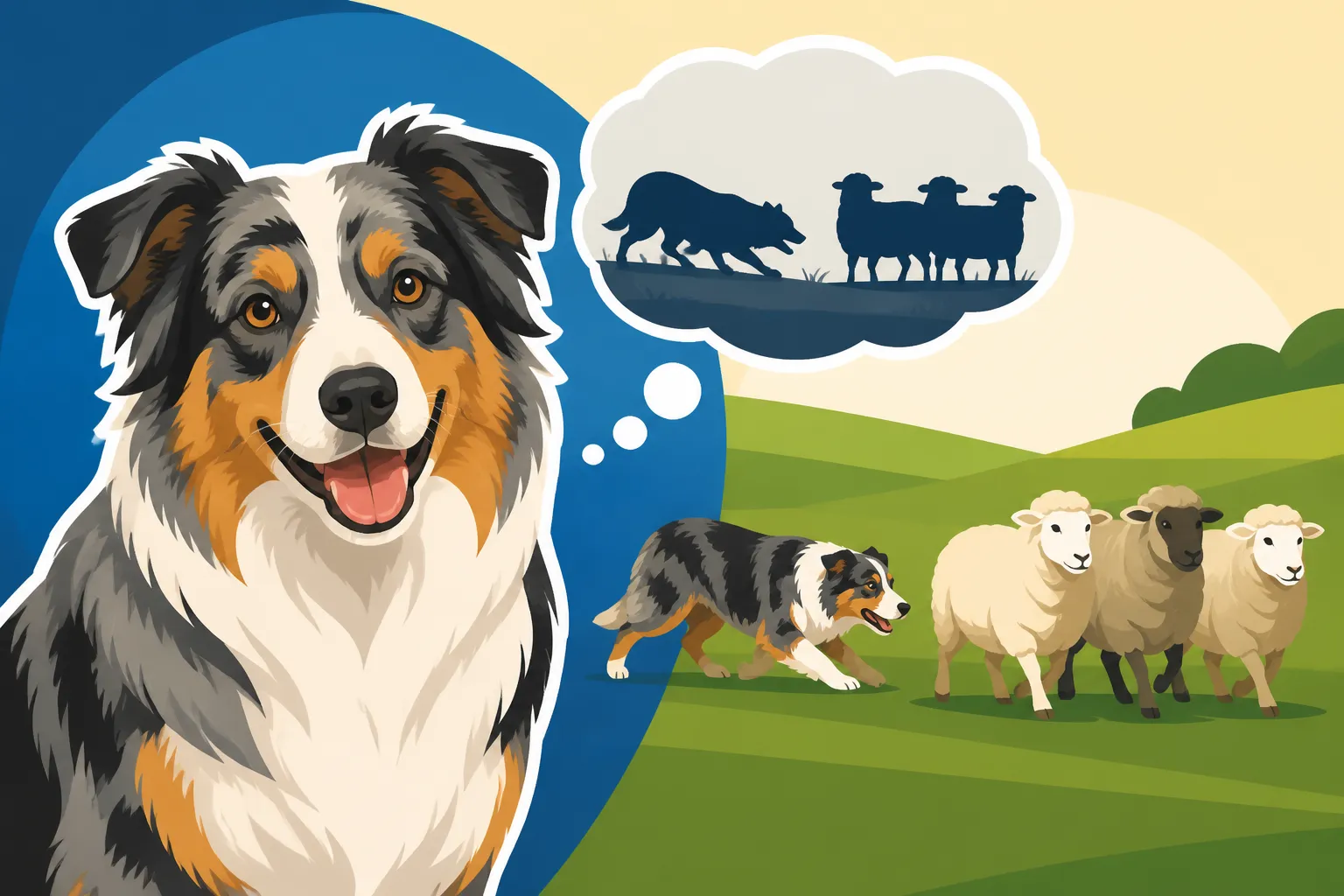
Imagine a small, contained area, often a round pen, with a few sheep, ducks, or goats. Your Australian Shepherd, on a long line, is introduced to this environment under the guidance of an experienced handler. The test is designed to observe natural behaviors: does your dog show interest in the livestock? Do they try to gather them, circle them, or move them? The handler facilitates the interaction, ensuring the safety of both your dog and the animals, while observing for classic herding traits like eye, balance, and natural gathering. It’s truly fascinating to watch your Aussie connect with something so fundamental to their being. You can find more detail on exactly what unfolds in an instinct test by checking out our post on What Happens at an Aussie Herding Instinct Test.
What they’re not looking for is a perfectly trained herding dog. They’re looking for raw talent, the spark that indicates a dog has the right wiring. Some dogs might be too excited, some a little shy, but a good evaluator can tell the difference between a dog that lacks instinct and one that simply needs confidence or a gentle redirection of its immense energy. It’s less about obedience and more about observing that deep-seated desire to organize and control movement, which is so characteristic of the breed.
Why Test Your Australian Shepherd's Instincts?
For many Australian Shepherd owners, an instinct test is a pivotal moment. First, it's a profound connection to your dog's heritage. Aussies carry generations of working genetics, and seeing that come alive is incredibly rewarding. It’s about confirming that genetic heritage and understanding the depth of your dog’s drive. Many owners are simply curious to see if their beloved companion has "it." This understanding helps you better manage their unique personality and needs at home, perhaps explaining why they might try to "herd" children or other pets.
Beyond curiosity, an instinct test provides valuable information for deciding on future training paths. If your Aussie shows strong natural talent, you might consider pursuing formal herding lessons, a truly enriching experience that taps into their innate purpose. Even if you don't pursue competitive herding, the test offers a fantastic mental and physical outlet, fulfilling a primal need that goes far beyond a simple walk in the park. This deep dive into their nature helps confirm Why Herding Instinct Is the Aussie Operating System. It’s a chance to see your dog shine in a way that’s uniquely Aussie.
Factors Influencing Herding Instinct Test Costs
The cost of a herding instinct test for your Australian Shepherd isn't a one-size-fits-all figure. Several variables can significantly influence the price you'll pay, from where you live to the expertise of the people and animals involved. Understanding these factors will help you anticipate the investment.
Geographic Location and Facility Type
Just like real estate or a good cup of coffee, the cost of services varies dramatically by geographic location. In areas with a high cost of living, or regions where herding facilities are scarce, you might expect to pay more. For instance, a facility tucked away on a rural farm in the Midwest might offer more competitive rates than a boutique training center near a major metropolitan area on the East or West Coast. The local economy and the density of dog sports facilities play a big role.
The type of facility also matters. Some are small, owner-operated farms with a few well-trained sheep and a single, passionate instructor. Others might be larger, more established dog sports complexes that offer a wider range of activities, potentially with more overhead costs reflected in their pricing. These larger centers might offer more flexible scheduling or more frequent sessions, but often at a slightly higher price point. It’s worth checking around your local area for different options and comparing what each offers.
Instructor Experience and Herd Quality
You wouldn't trust just anyone to introduce your dog to livestock, and the price often reflects the instructor's expertise. Highly experienced instructors, especially those with a deep understanding of working Australian Shepherds and their unique herding styles, command higher fees. They've spent years observing, training, and competing, and their ability to read both your dog and the livestock is invaluable. They can accurately assess your dog's potential and provide meaningful feedback, setting you up for success if you decide to continue.
Equally important is the quality and training of the livestock. Well-behaved, "dog-broke" sheep or ducks are crucial for a safe and effective instinct test. These animals are accustomed to dogs and won't panic or become aggressive, which ensures a positive first experience for your Aussie. Maintaining a healthy, well-managed flock comes with its own costs (feed, vet care, fencing, sheer labor), and these expenses are naturally factored into the test fee. Facilities with superior livestock and seasoned instructors provide a much more enriching and reliable experience, even if it means a higher upfront cost.
Test Duration and Inclusions
The basic instinct test itself is often a relatively short affair – typically 10 to 20 minutes of actual "on sheep" time. However, what's included in that session can significantly impact the price. Some facilities offer just the raw test, a quick assessment, and perhaps a very brief verbal debrief. These tend to be the most budget-friendly options.
Other facilities provide a more comprehensive package. This might include a longer session, a more detailed discussion with the instructor about your dog's performance, and even a short introductory lesson immediately following the test, helping you understand how to harness that newly identified instinct. Some may offer video recording of the session, which can be invaluable for reviewing your dog's movements and the instructor's feedback later. More inclusive sessions naturally cost more, but they can provide greater value and a clearer path forward if you choose to pursue herding further. It's really about weighing the additional insight and guidance against the extra expense.
The Breakdown of Herding Instinct Test Fees
Now that we've covered the influencing factors, let's talk about the actual financial outlay. While I can't give you exact figures (prices fluctuate constantly!), I can certainly help you understand the range and structure of fees you're likely to encounter.
Typical Fee Structures and Price Ranges
Most herding instinct tests are structured as a flat fee per dog, per session. This means you pay one price, regardless of how quickly your dog shows interest or how long they are actively engaged (within the allotted time, of course). Think of it as purchasing a slot of time and access to the livestock and instructor.
An entry-level instinct test, often held at a smaller, local farm with perhaps less formal infrastructure, might be on the lower end of the spectrum. These are fantastic for simply gauging interest without a huge financial commitment. For a more established facility with seasoned instructors and well-trained stock, especially those offering a more comprehensive debrief or a mini-lesson, you'd expect to pay a more substantial amount. The pricing structure is almost always clear upfront, so you'll know exactly what you're getting for your investment.
Here's a simplified look at how different factors might shape the cost:
| Factor | Lower Cost Scenario | Higher Cost Scenario |
|---|---|---|
| Geographic Location | Rural area, lower cost of living | Urban fringe, high cost of living, limited facilities |
| Facility Type | Small, private farm, less amenities | Large training center, multiple disciplines, full staff |
| Instructor Experience | Enthusiastic amateur, less formal training | Certified professional, extensive experience with Aussies |
| Herd Quality | Less experienced, smaller flock of mixed animals | Well-trained, "dog-broke" specific breed of sheep |
| Test Duration/Inclusions | Short observation, basic verbal feedback | Longer session, detailed debrief, introductory lesson, video |
Additional Costs to Consider
Beyond the direct test fee, there are a few other expenses you might encounter on your herding instinct journey. These can add up, so it’s wise to budget for them:
- Travel Expenses: Unless you live next door to a herding facility, you'll need to factor in gas costs for driving to and from the location. If the nearest reputable facility is several hours away, you might even consider a night's lodging. This is often an overlooked cost but can significantly impact your overall outlay.
- Gear: While you don't need specialized herding gear for an instinct test, you'll want to ensure your Aussie has a comfortable, well-fitting flat collar or harness and a sturdy leash. A long line (often provided by the facility, but good to have your own) is also essential. Don't forget water and a bowl for your dog, especially if it’s a warm day, and maybe some high-value treats for positive reinforcement outside the ring. Online retailers like Chewy offer a wide selection of durable gear and travel accessories perfect for active Aussies.
- Follow-Up Training: This is where costs can really begin to accumulate, but it's entirely optional. If your Australian Shepherd shows a strong, promising instinct, you'll likely want to pursue proper herding lessons. These lessons, which delve into teaching your dog control, flanks, and outruns, are typically offered in packages or by the individual session. This is where you really start getting into the costs of What a Trainer Charges for Aussie Herding Drive. These regular lessons are a significant investment, but they transform raw instinct into refined skill.
- High-Quality Food: Keeping an active, engaged Australian Shepherd in top condition, especially if you continue with herding, means fueling them with excellent nutrition. Brands like Ollie, known for their fresh, human-grade ingredients, can be a fantastic way to ensure your Aussie has the energy and vitality needed for strenuous mental and physical work. Healthy food contributes to overall well-being, which is essential for any dog involved in sports.
- Health Checks and Insurance: Before engaging in any new physical activity, including an instinct test or subsequent herding lessons, a vet check-up is always a good idea. You want to ensure your Aussie is sound and healthy. For active dogs, a robust pet insurance plan can be a lifesaver. Companies like Healthy Paws offer coverage that can help mitigate the costs of unexpected injuries or illnesses that might occur during an active life, giving you peace of mind as your Aussie explores new challenges.
Making the Most of Your Investment
An herding instinct test is more than just a financial transaction; it's an experience for both you and your Australian Shepherd. To ensure you get the most value from your investment, a little preparation and a clear understanding of what comes next can go a long way.
Preparing Your Aussie for the Test
While the test assesses instinct rather than trained behaviors, a well-mannered and confident Aussie will have a much better experience. Basic obedience is still crucial. Your dog should be able to walk politely on a leash, have a reliable recall (even if you're on a long line, it's a good foundation), and ideally be comfortable around new environments and people. A dog that is overly stressed or reactive to novel stimuli will struggle to focus on the sheep.
Early and ongoing socialization is key for any Aussie, regardless of their working aspirations. Exposing your puppy to various sights, sounds, and experiences in a positive way helps them develop into a confident adult. An Aussie who is too overwhelmed by the surroundings might not be able to engage with the livestock, making it difficult to assess their true instinct. Make sure your dog is well-rested and hasn't eaten right before the test (to avoid bloat risks with activity). A calm, prepared dog is better able to show its true colors. You can learn more about preparing your dog for different situations in our guide, The Australian Shepherd Socialization Checklist.
What to Do After the Instinct Test
So, your Aussie has been tested. What now? The first step is to carefully listen to the evaluator's feedback. They are experts at reading canine body language and herding behaviors. They'll tell you if your dog showed strong interest, good balance, natural gathering instincts, or if they seemed uninterested or overly aggressive (which can happen, though it's rarer for pure instinct). This feedback is invaluable for understanding your dog's potential.
If your Aussie showed good instinct and you're interested in pursuing herding further, the next logical step is to enroll in introductory herding lessons. These lessons will teach you how to communicate with your dog, how to use your body to guide them, and how to safely and effectively move livestock. It's a journey, not a destination, and it's incredibly rewarding to develop that working partnership. Even if you decide herding isn't for you, the test has provided valuable insight into your dog's core drive, which can help you choose other appropriate activities to keep them mentally and physically stimulated. Perhaps they'd excel in Aussie Agility Class and Trial Entry Fees or another sport that channels their energy. Remember, the goal is always to provide a fulfilling life for your intelligent, energetic Australian Shepherd, and understanding their instinct is a big part of that. Knowing Whether a Pet Aussie Can Learn to Herd is a great start.
Disclaimer
This article is for general informational purposes only and does not constitute professional advice. Laws, prices and regulations vary by location and change over time. Consult a qualified professional for guidance on your specific situation.