What a Trainer Charges for Aussie Herding Drive
Bringing home an Australian Shepherd is an absolute joy, but let's be real: their incredible intelligence and energy often come bundled with a strong herding instinct that can throw even experienced dog owners for a loop. If you're wondering what a trainer charges to help channel that boundless herding drive into productive outlets rather than, say, nipping at your children's heels, you've come to the right place. This guide will walk you through the various training options and their associated costs, helping you budget for the specialized support your amazing Aussie deserves.
Understanding Australian Shepherd Herding Drive and Its Impact on Training Needs
It’s easy to look at an Australian Shepherd and fall in love with their stunning looks and bright eyes, but many new owners quickly realize that the "herding" part of their name isn't just a quaint historical fact—it's their operating system. This inherent drive to gather, control, and move things is deeply ingrained, and it dramatically influences how you approach their training.
The Inherent Herding Instinct
Aussies were bred for generations to work livestock, often independently, on vast ranches. This means they possess an incredible prey drive, a keen sense of observation, and an innate desire to organize their world. When you see your Aussie trying to round up the kids in the backyard, or intensely fixating on a skateboarder down the street, it's not "misbehavior" in their mind; it's simply their instinct kicking in. They see moving objects, whether people, other pets, or even inanimate objects like vacuum cleaners, and their brain says, "Hey, I need to put that where it belongs!"
This instinct is powerful, and you simply cannot train it out of them. Instead, the goal is to manage it, redirect it, and give them appropriate outlets. Ignoring it or punishing it can lead to frustration, anxiety, and even aggression. Understanding Why Herding Instinct Is the Aussie Operating System is the first step to a successful partnership with your dog. Without proper guidance, this drive can manifest in ways that are challenging to live with, like incessant barking at passing cars or trying to herd other dogs at the park by circling them.
How Herding Drive Influences Training Approaches
Because of this intense drive, standard puppy classes, while valuable for basic socialization and manners, often aren't enough for an Australian Shepherd. Their intelligence means they learn quickly, but their strong will and focus on movement can make traditional obedience seem trivial if not framed correctly. For instance, a "stay" command might hold perfectly in a quiet living room, but completely fall apart the second a squirrel zips across the yard. Their impulse control around moving targets needs special attention.
A trainer who truly understands herding breeds will approach an Aussie differently. They won't just teach commands; they'll help you understand your dog's motivations and provide strategies for managing that drive. This might involve using a long line for safety during recall practice, or teaching your Aussie to redirect their herding energy onto a tug toy instead of your ankles. Many owners find themselves grappling with issues like An Australian Shepherd Circling Joggers and Cyclists or trying to manage intense focus on shadows or light reflections. These aren't just quirks; they're manifestations of that powerful herding brain looking for a job.
Types of Training for Australian Shepherds with Herding Drive
When you have an Australian Shepherd with a strong herding drive, training isn't a one-size-fits-all affair. You'll likely need a multi-faceted approach, combining foundational skills with specialized outlets. Each type of training comes with its own focus and, of course, its own price tag.
Foundation Obedience and Impulse Control
Even for the most driven Aussie, a solid foundation of basic obedience is non-negotiable. This includes commands like sit, stay, come, and leash manners. However, for an Australian Shepherd, the emphasis often shifts heavily to impulse control. Teaching them to "leave it" when a leaf blows by, to wait patiently at a doorway, or to stay calm when another dog passes is crucial. This isn't just about politeness; it's about building the self-regulation they'll need to manage their herding urges in everyday life.
These foundational classes are usually offered in group settings, which can be great for socialization and learning around distractions. However, some Aussies, especially those who are reactive or easily overstimulated, might benefit more from private sessions initially. The goal is to build a dog that can think, rather than just react. Many trainers will also integrate games and exercises that specifically challenge an Aussie's mental acuity, helping to tire them out intellectually, which is just as important as physical exercise. Remember, Why Physical Exercise Alone Never Settles an Aussie is a common revelation for many Aussie owners.
Specialized Herding Training
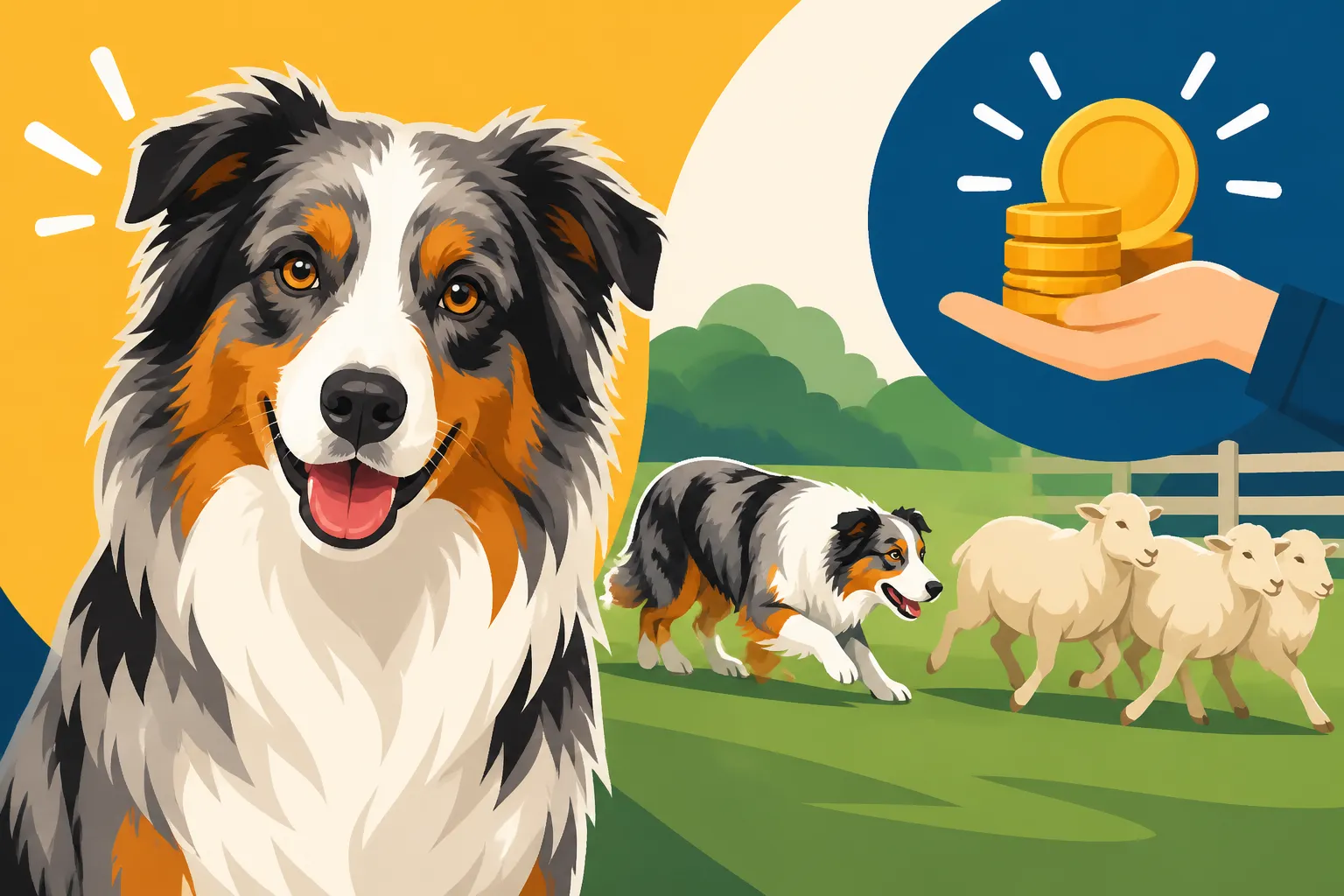
This is where you directly address and channel that powerful herding instinct. Specialized herding training involves introducing your Aussie to livestock (usually sheep or ducks) in a controlled environment. A skilled herding instructor can read your dog's natural instincts and guide them, and you, on how to work the animals ethically and effectively. It's truly incredible to watch an Aussie's instincts ignite when they're finally given the "job" they were born to do.
Beyond actual livestock work, there are other outlets that mimic herding. Treibball, for instance, involves teaching your dog to herd large exercise balls into a goal. Disc dog and agility are also fantastic ways to engage an Aussie's drive, speed, and intelligence. The initial step is often a "herding instinct test," which assesses your dog's natural aptitude. If your Aussie shows promise, you can progress to regular lessons. This specialized training can be deeply rewarding, offering a perfect outlet for all that innate drive and energy. It's a fantastic way to bond with your dog and engage them in a way few other activities can. You might also want to look into Herding Instinct Test Costs for an Aussie to get started.
Behavior Modification for Unwanted Herding Behaviors
Sometimes, the herding drive manifests in less desirable ways, like nipping at children's ankles, circling guests, or fixating excessively on specific objects or movements. These behaviors are challenging and often require specialized behavior modification from a professional. This isn't just "basic training"; it's about altering deeply ingrained patterns and emotional responses.
A behavior consultant or trainer specializing in reactivity and impulse control can help diagnose the root cause of the behavior and develop a tailored plan. This often involves desensitization, counter-conditioning, and teaching alternative behaviors. For instance, if your Aussie is An Australian Shepherd Nipping a Toddler's Ankles, the trainer might implement strategies to redirect that energy into a toy, effectively teaching your dog that Tug as a Legal Outlet for Aussie Herding Drive is a much better option. This type of training often involves more one-on-one time with a highly qualified professional and can be more intensive and therefore more costly.
Factors Influencing Training Costs
The cost of training your Australian Shepherd, especially one with a strong herding drive, isn't static. Several factors come into play, from the trainer's expertise to the format of the sessions and where you live. Understanding these variables will help you make informed decisions and manage your budget effectively.
Trainer Experience and Credentials
Just like in any profession, experience and specialization command higher rates. A general obedience trainer might be perfectly capable of teaching basic commands, but a trainer who has extensive experience with herding breeds, understands their specific quirks, and ideally, actively participates in dog sports like herding or agility, will likely charge more. These trainers often possess a deeper understanding of canine behavior, learning theory, and how to effectively channel high drive.
Look for certifications from reputable organizations or a strong track record with working breeds. A professional who understands Finding a Trainer Who Understands an Aussie will be able to offer insights and techniques that a less specialized trainer might miss. They can anticipate challenges specific to the breed, like intense focus or sensitivity to handler frustration, and guide you through them with a nuanced approach. This expertise is invaluable when dealing with a dog whose instincts are powerful and complex.
Training Format: Group Classes vs. Private Sessions vs. Board & Train
The format of the training sessions significantly impacts the cost:
- Group Classes: These are generally the most affordable option. You're paying for a slot in a class with several other dogs and owners. They're great for socialization and learning to work around distractions. However, they offer less individualized attention, which can be a drawback for Aussies with very specific behavioral challenges or high reactivity.
- Private Sessions: One-on-one training allows the trainer to focus entirely on your dog's specific needs and your family's dynamics. This is ideal for addressing particular herding-related issues, reactivity, or if your schedule doesn't permit group classes. The personalized attention is highly effective but comes at a premium.
- Board & Train Programs: In these intensive programs, your dog lives with the trainer for a period (weeks to months). The trainer works with your dog daily, establishing routines and working through behaviors. While often highly effective for dogs needing significant structure or behavior modification, these are the most expensive option. They can be a lifesaver for owners struggling with severe behavioral issues, but it's crucial to thoroughly vet any board-and-train facility to ensure their methods align with your values.
Geographic Location and Local Market Rates
Training costs vary considerably based on where you live. Major metropolitan areas with higher costs of living generally have higher training fees compared to rural or less populous regions. For example, a trainer in Los Angeles or New York City will likely charge more than one in a small town in Idaho. This isn't unique to dog training; it's a reflection of local economic conditions and demand. It's always a good idea to research typical Australian Shepherd Training and Sport Costs in your specific area.
Duration and Intensity of Training
The length of individual sessions and the overall duration of the training program also affect the total cost. A single hour-long private session will cost less than a package of six sessions. Similarly, a board-and-train program lasting four weeks will be more expensive than one that's two weeks long. More complex or deeply ingrained herding behaviors will likely require more intensive and longer-term intervention, naturally increasing the overall investment. For example, addressing reactivity towards moving vehicles might take more consistent work than simply teaching a solid "sit" command.
Budgeting for Herding Drive Training and Maximizing Value
Investing in professional training for your Australian Shepherd, especially one with significant herding drive, is one of the best investments you can make in your relationship with your dog. It's about setting both of you up for a happy, harmonious life. Let's talk about how to estimate those costs and get the most bang for your buck.
Estimating Initial and Ongoing Costs
When you’re looking at training costs for an Aussie with herding drive, think of it in tiers.
Tier 1: Foundation & Entry-Level Herding
- Group Obedience Classes: These might range from a few hundred dollars for a 6-8 week course. This is great for basic manners and initial socialization.
- Herding Instinct Test: A one-time fee, typically under a hundred dollars, to see if your Aussie has the drive for actual livestock work.
- Basic Private Sessions: If your Aussie needs a jumpstart on impulse control or has a few specific issues, a package of 3-5 private sessions might cost anywhere from hundreds to a thousand dollars.
Tier 2: Specialized & Behavioral Focus
- Regular Herding Lessons: If your Aussie passes their instinct test, ongoing lessons can be priced per session or in packages. This can add up over time, similar to any hobby or sport.
- Behavior Modification Private Sessions: For more complex issues like An Aussie That Reacts to Skateboards and Bikes, you could be looking at multiple sessions over several weeks or months, costing several hundred to a few thousand dollars depending on the severity and trainer's rates.
Tier 3: Intensive & Advanced
- Board & Train Programs: These are often the most significant investment, potentially running into thousands of dollars for a multi-week stay.
- Ongoing Dog Sports: Once trained, participation in sports like agility, Treibball, or advanced herding trials will involve entry fees, travel, and potentially more coaching.
It's wise to set aside a budget specifically for training, much like you would for quality food or vet care. This proactive approach can actually save you money down the line by preventing behavioral problems that could lead to more costly interventions (or worse, rehoming, contributing to The Exercise Gap That Sends Aussies to Rescue).
How to Vet a Trainer for Your High-Drive Aussie
Choosing the right trainer is paramount. Here’s what to look for:
- Experience with Herding Breeds: Ask specifically about their experience with Australian Shepherds or similar high-drive herding dogs. Do they understand the nuances of the breed's temperament and instincts?
- Training Philosophy: Inquire about their methods. Do they use positive reinforcement and reward-based training? Avoid trainers who rely heavily on harsh corrections, fear, or pain, especially with a sensitive and intelligent breed like the Aussie.
- Certifications and Education: While not strictly required, certifications from reputable organizations (like the Certification Council for Professional Dog Trainers – CCPDT, or the Karen Pryor Academy – KPA) demonstrate a commitment to ongoing education and ethical practices.
- References and Testimonials: Ask for references or look for online reviews. Speak to other Aussie owners who have worked with them.
- Observation: Request to observe a class or a private session before committing. Does the trainer handle the dogs and owners with patience and clarity? Does your dog seem comfortable in their presence?
- Clear Communication: A good trainer should be able to clearly explain their methods, your dog's behavior, and how you can continue the training at home.
Remember, it's not just about what a trainer charges; it's about the value they provide in helping you understand and live harmoniously with your driven Australian Shepherd.
Integrating Home Practice and Supplies
Professional training is a partnership. The trainer provides the roadmap and guidance, but you are the one who drives the car every day. Consistent home practice is crucial for reinforcing learned behaviors and ensuring lasting results. This means dedicating time daily to short, focused training sessions.
You'll also need the right gear to support your training:
- High-Value Treats: Keep your Aussie motivated with treats they truly love. Many owners find brands like Chewy offer a wide selection of training treats that are small, soft, and easy for repetitive rewards. You might even consider specialized food like Ollie that can be broken into tiny, high-value training rewards.
- Appropriate Leashes and Collars: A well-fitting harness or flat collar, along with a sturdy leash (and perhaps a long line for recall practice in safe, open areas), is essential.
- Puzzle Toys and Enrichment: To manage that mental energy, puzzle feeders and interactive toys are invaluable. They keep your Aussie engaged and thinking, providing a productive outlet for their intelligence when you can't be actively training.
- Chew Toys: For those times when the herding drive needs to be redirected, having appropriate chew toys readily available can be a lifesaver.
While not strictly training, considering pet insurance from providers like Healthy Paws can also be a smart financial move. If your Aussie develops a health issue that impacts their behavior or ability to train, knowing you have coverage for vet bills can relieve stress and allow you to focus on their well-being and continued behavioral support. For instance, sometimes a sudden change in behavior attributed to "herding drive" could actually be rooted in pain or a medical condition, requiring vet intervention.
It's a marathon, not a sprint, with an Australian Shepherd. But with the right professional guidance, your commitment, and a clear understanding of their incredible instincts, you can shape that powerful herding drive into a magnificent asset.
Training Cost Comparison Table
To give you a clearer picture, here’s a breakdown of common training formats and their typical investment and focus when dealing with an Australian Shepherd's herding drive.
| Training Format | Typical Focus for Aussie Herding Drive | Pros | Cons | General Cost Shape (per session/program) |
|---|---|---|---|---|
| Group Classes | Basic obedience, impulse control around distractions, initial socialization | Most affordable, good for mild issues, exposes dog to distractions | Less individualized attention, might be too stimulating for some Aussies, limited for severe issues | $150 – $400 for a 6-8 week course |
| Private Sessions | Targeted behavior modification (nipping, reactivity), personalized impulse control, handler skills | Highly individualized, flexible scheduling, addresses specific problems, tailored to family dynamics | More expensive per session, results depend heavily on owner's consistent follow-through | $75 – $200 per hour session |
| Specialized Herding Lessons | Introduction to livestock, developing natural herding instincts, controlled environment work | Direct outlet for instinct, highly engaging, builds unique bond | Limited availability, requires travel to facilities, can be addictive for the dog! | $40 – $100 per lesson |
| Board & Train | Intensive behavior modification, solidifying foundation skills, creating new habits, breaking bad ones | Fastest results for complex issues, consistent daily training by professional, immersive | Most expensive, dog away from home, owner still needs to learn transfer skills, quality varies | $2,000 – $6,000+ for 2-4 week program |
| Online Courses/Consults | Self-paced learning, conceptual understanding, remote advice on specific issues | Flexible, often affordable, accessible regardless of location | Lacks hands-on trainer feedback, requires high owner discipline, not suitable for all issues | $50 – $500 (course), $50-$150 (consult) |
Disclaimer
This article is for general informational purposes only and does not constitute professional advice. Laws, prices and regulations vary by location and change over time. Consult a qualified professional for guidance on your specific situation.