Noise Phobia in an Australian Shepherd
It’s absolutely heartbreaking to see your usually confident Australian Shepherd cower, pant, and tremble at the sound of a distant firework or a sudden thunderstorm. That gut-wrenching feeling of helplessness as your beloved companion suffers is something many Aussie owners know all too well. This guide is here to walk you through understanding noise phobia in Australian Shepherds, identifying its signs, and offering practical, empathetic strategies to help your dog cope and, hopefully, even thrive in a world that can sometimes be too loud for them.
The Root Causes of Noise Phobia in Australian Shepherds
Noise phobia isn't just about a dog disliking a loud noise; it's an intense, irrational fear response that can send them into a full-blown panic. For a breed as intelligent and sensitive as the Australian Shepherd, this can be particularly debilitating. Understanding why your Aussie might develop such a fear is the first step toward helping them.
Genetics and Breed Predisposition
Australian Shepherds, with their keen intelligence and strong working drives, are often highly sensitive dogs. This sensitivity, which makes them exceptional at reading cues and working closely with their handlers, can also make them more prone to anxieties, including noise phobias. It’s not uncommon for sensitivity to run in certain lines, meaning if one of your Aussie's parents or grandparents struggled with noise, your dog might be genetically predisposed. This isn't a guarantee, of course, but it certainly can contribute. We often see how certain inherited traits can influence health and behavior, much like Australian Shepherd Epilepsy Starting Between One and Five can show up in specific family lines. This underlying sensitivity can mean a seemingly minor startle can quickly escalate into a full-blown phobia in a dog that is already wired to be highly aware of its surroundings.
Consider the early life of a working Aussie puppy – they're exposed to many sounds on a farm: tractors, livestock, gates banging. For many, this exposure builds resilience. But for others, especially those from sensitive lines, without careful, positive introduction, these sounds could be overwhelming rather than normalizing. A genetic predisposition means they might process sounds differently, making them more likely to perceive certain noises as threats rather than just background elements.
Traumatic Experiences and Negative Associations
Sometimes, a noise phobia stems directly from a single, intensely frightening experience. Imagine your young Aussie puppy, perhaps not yet fully confident in the world, being exposed to an unexpectedly loud firework display. The sudden, intense booms, flashes of light, and vibrations could create a lasting negative association. It’s not just the noise itself, but the entire sensory overload that imprints on their memory. This can also happen with less dramatic sounds; perhaps a construction site suddenly started hammering intensely right outside your window, or a car backfired loudly right as your Aussie was enjoying a quiet walk.
Even a seemingly minor startle, if it happens during a particularly vulnerable moment, can lay the groundwork for a phobia. For example, if your Aussie was home alone during a severe thunderstorm and felt trapped and terrified, that single event could be enough to make all future storms a source of extreme distress. The key is often the perception of lack of control or escape during the event, which deeply impacts their emotional response and memory. This is why addressing phobias early and gently is so crucial.
Lack of Early Socialization to Sounds
Puppyhood is a critical window for socialization, and that includes exposure to a wide variety of sounds in a controlled, positive way. If an Australian Shepherd puppy isn't gradually introduced to common household noises, city sounds, or even distant storms during their developmental stages, they can grow up perceiving these sounds as novel and potentially threatening. Breeders and new owners play a huge role here; a thoughtful breeder will work on Building Sound Confidence in an Aussie Puppy from a very young age.
A lack of proper sound socialization doesn't necessarily mean zero exposure; it means a controlled and positive exposure. Simply hearing loud noises without a positive association, or worse, having a frightening experience, doesn't count as good socialization. It should involve pairing new sounds with delicious treats, engaging playtime, or comforting snuggles to build a robust positive association. Without this foundation, an Aussie might develop an anxious outlook on the auditory world, causing them to flinch, retreat, or even panic at sounds that other dogs might ignore.
Recognizing the Signs and Triggers of Noise Phobia
Understanding what a noise phobia looks like and what sets it off in your Australian Shepherd is paramount. It’s not always a dramatic full-blown panic; sometimes, the signs are subtle until they become severe. Being a detective of your dog’s behavior can help you intervene sooner and more effectively.
Common Noise Triggers
While fireworks and thunderstorms are the most infamous culprits, many other everyday noises can trigger a phobic response in a sensitive Australian Shepherd. For some Aussies, it might be the whir of the vacuum cleaner, the banging of a door, or the unexpected clatter of dropped dishes. Others react to distant sirens, the rumble of a garbage truck, or even specific musical instruments. It's often about the suddenness, intensity, or unusual nature of the sound.
Here’s a table outlining some common noise triggers and how an Aussie might react:
| Noise Trigger | Common Australian Shepherd Reactions |
|---|---|
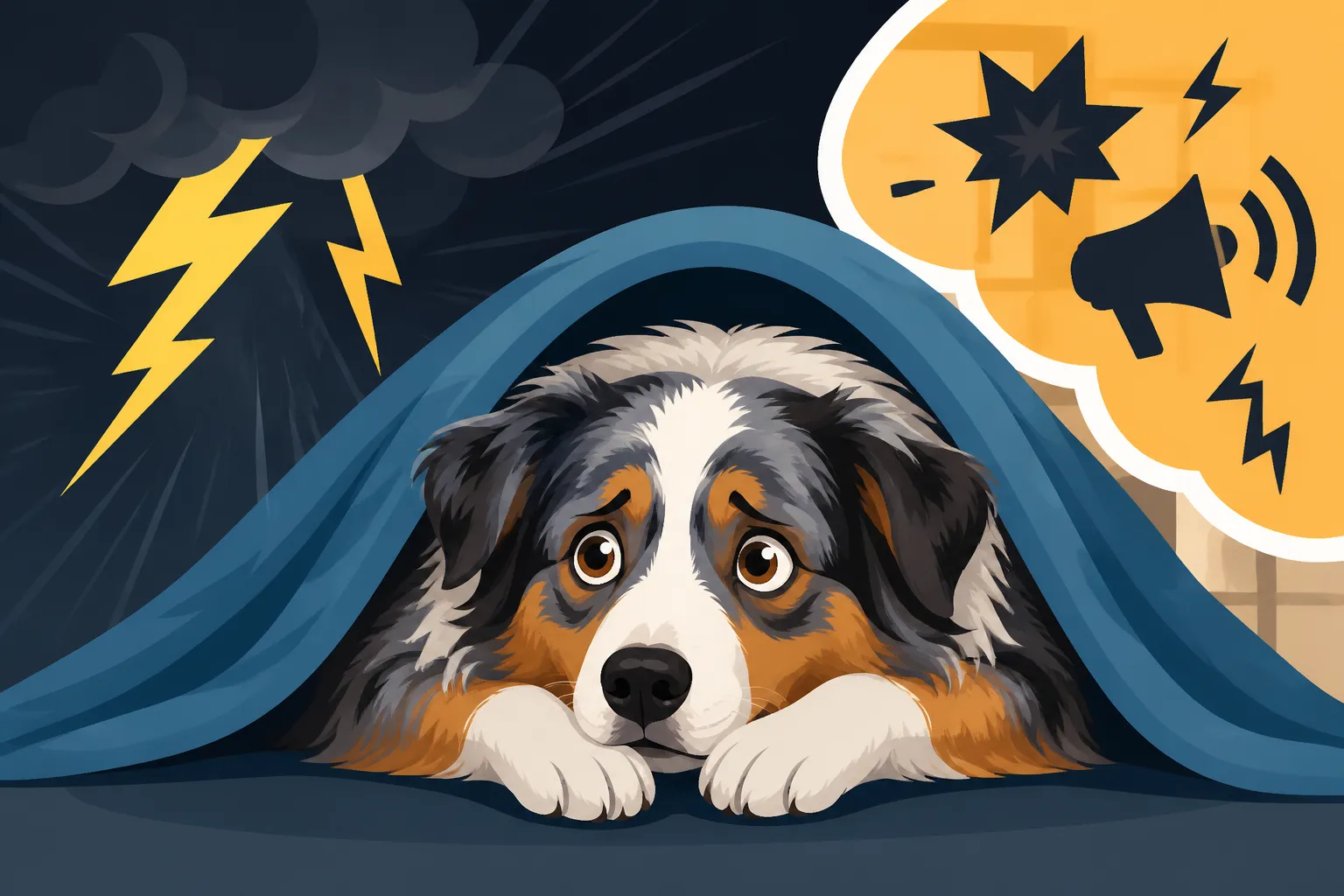
| Thunderstorms | Pacing, panting, trembling, seeking close contact, hiding in bathrooms or closets, destructive chewing, excessive drooling, inappropriate urination/defecation. |
| Fireworks | Similar to thunderstorms, but often more intense due to unpredictable blasts and flashes. May try to escape, dig frantically, bark uncontrollably, or become unresponsive to commands. |
| Vacuum Cleaner | Barking, lunging, retreating to another room, hiding, growling. Often perceived as a moving, noisy threat. |
| Construction/Loud Tools | Sudden flinching, freezing, prolonged barking, trying to get away, becoming agitated and restless. |
| Sirens/Loud Vehicles | Startle response, barking, whining, increased vigilance, sometimes frantic pacing along windows or doors. |
| Loud Music/TV | Restlessness, leaving the room, panting, seeking attention or comfort from owner. Can sometimes be confused with general overstimulation, especially if they are already prone to An Australian Shepherd That Gets Worse in the Evening. |
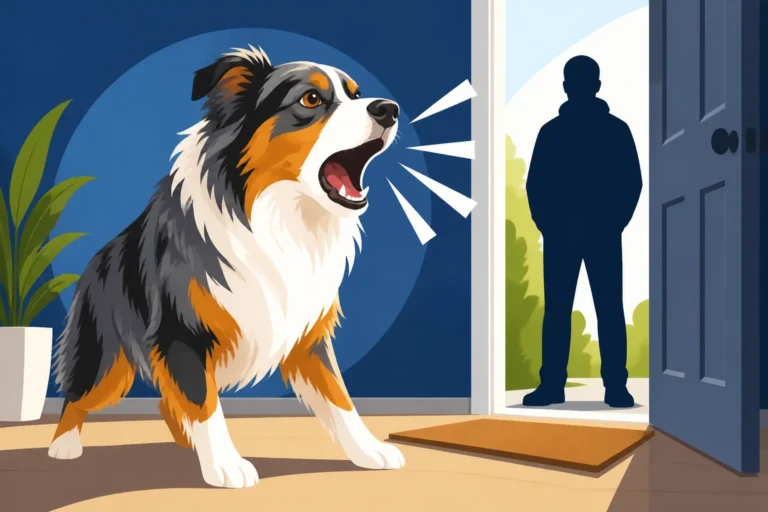
| Doorbells/Knocks | Immediate alert barking, jumping, sometimes followed by anxiety if the sound is associated with unpleasant interactions. |
Behavioral Manifestations of Fear
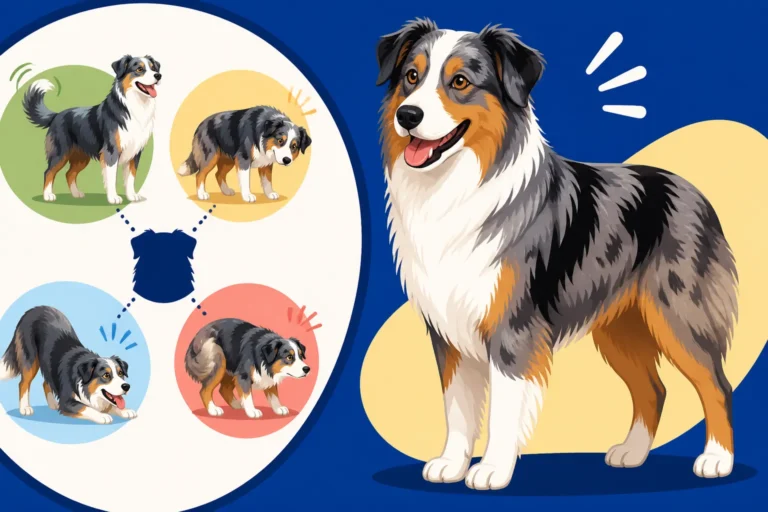
When an Australian Shepherd is experiencing noise phobia, their body language and behavior will clearly communicate their distress. These aren't just little quirks; they are signs of genuine panic. You might notice intense panting even when it's cool, excessive drooling, or full-body trembling that they can't seem to control. Hiding is a very common response, whether it's under furniture, in a closet, or even trying to burrow into your lap.
Some Aussies become destructive, chewing on doors, crates, or anything they can get their teeth on, often as an outlet for their extreme anxiety. Others might try to escape, scratching at windows or doors, putting themselves at risk of injury or getting lost. Inappropriate urination or defecation can also occur, which is not defiance but a physiological response to extreme fear. They may also vocalize excessively, whining, whimpering, or barking relentlessly. An Aussie in the grip of a noise phobia often won't respond to their name or familiar commands because their brain is overwhelmed by fear, making it impossible to focus on anything else.
Differentiating Fear from Mild Startle
It’s important to distinguish between a mild startle response, which is normal for any living creature, and a genuine phobia. A mild startle might involve a dog briefly flinching, turning their ears, or giving a short bark before quickly recovering. They might look at you as if to say, "What was that?" and then settle back down within moments. This is a healthy, appropriate reaction to a sudden or unusual sound.
A phobic response, on the other hand, is characterized by its intensity, duration, and the inability of the dog to recover quickly. The behavior escalates beyond a mere flinch into full-blown anxiety or panic. The dog's heart rate will be visibly elevated, they might hyperventilate, and their behavior will be driven by an overwhelming urge to escape or hide. They don't just briefly react; they become consumed by the fear, sometimes for hours after the noise has stopped. If your Aussie exhibits persistent, severe, or escalating distress to certain sounds, it’s highly likely you’re dealing with a noise phobia.
Immediate Management Strategies During Noise Events
When the storm rolls in or the fireworks start, your Aussie needs immediate help. While long-term solutions are vital, knowing how to manage the crisis in the moment can make a huge difference in their comfort and safety. This isn't about "curing" the phobia instantly, but about mitigating the fear and providing a sense of security.
Creating a Safe Haven
One of the most effective immediate strategies is to provide your Australian Shepherd with a designated "safe haven" where they can retreat during scary noise events. This should be a small, dark, and quiet space that they associate with comfort and safety, not punishment. A crate draped with a heavy blanket can work wonders, creating a den-like feel. For some Aussies, a bathroom or a walk-in closet with the door slightly ajar offers enough sound dampening and seclusion.
Make this space appealing before the noise starts. Put their favorite bed, a special long-lasting chew toy (like something from Amazon that will keep them engaged), and perhaps an article of your clothing with your scent in there. Introduce them to this spot during calm times, giving them treats and praise for relaxing there. When a storm or fireworks are imminent, guide them to their safe spot. The goal is to give them control over their environment, a place where they feel less exposed and more secure. Don't force them in, but make it the most inviting option available.
Calming Aids and Comfort Measures
There's a whole array of products and techniques designed to help soothe anxious dogs during noise events. ThunderShirts or other compression wraps can provide a gentle, constant pressure that many dogs find comforting, much like swaddling a baby. You can find a wide variety of these on Amazon, along with calming treats that contain ingredients like L-theanine or chamomile, which can help take the edge off their anxiety. Pheromone diffusers or collars, like Adaptil, release synthetic dog appeasing pheromones that mimic the calming pheromones a mother dog produces.
Additionally, sound machines or even simply putting on some classical music or a white noise app can help mask the offending noises. The goal is not just to block the sound but to replace the terrifying noise with something neutral or pleasant. Some owners even use gentle massage techniques or simply sitting calmly with their Aussie, offering quiet reassurance without over-the-top coddling, which can inadvertently reinforce the fear. Remember, your calm demeanor is one of the most powerful calming aids you possess.
Owner's Role in Providing Reassurance
During a noise event, your natural instinct is to comfort your terrified Australian Shepherd. And you absolutely should be present and supportive, but how you offer that reassurance matters. The old myth that comforting your dog reinforces their fear has largely been debunked. Ignoring a terrified animal only makes them feel more abandoned and helpless. Instead, aim for a calm, quiet presence. Speak in low, soothing tones. Offer gentle petting if your dog solicits it and finds it comforting.
Avoid frantic movements, high-pitched voices, or excessive pity, as these can inadvertently escalate your dog's own anxiety, making them think you are also scared. The key is to be a stable anchor in their storm. Sit with them in their safe haven, offer a puzzle toy or a quiet chew, and project an aura of "I've got this; we're safe." If your Aussie normally enjoys being held, a gentle hug can be reassuring. The principle is similar to how you would Standing By an Australian Shepherd Mid-Seizure; you are there to offer calm support without adding to the chaos.
Long-Term Approaches: Desensitization and Counter-Conditioning
While immediate management helps in the moment, true progress in overcoming noise phobia comes from long-term behavioral modification. Desensitization and counter-conditioning are the gold standards, aiming to change your Australian Shepherd’s emotional response to scary sounds from fear to neutrality or even pleasure. This takes time, patience, and consistency.
The Principles of Desensitization
Desensitization involves gradually exposing your Australian Shepherd to the fear-inducing sound at a level so low that it doesn't trigger a fear response. The idea is to slowly increase the intensity over many sessions, allowing your dog to habituate to the sound without ever feeling overwhelmed. You'll often use recordings of the problematic noise – thunderstorms, fireworks, vacuum cleaners – played at a barely audible volume.
Start with the volume so low you can barely hear it. If your Aussie shows any sign of anxiety (ears twitching, slight tension), you've gone too far; turn it down. The goal is for them to notice it, but not react negatively. Play the sound for a few minutes, then turn it off. Repeat this multiple times throughout the day, increasing the volume only slightly over many days or even weeks. This process is slow, often agonizingly so, but it's crucial never to push your dog past their comfort zone. Consistency is more important than speed here.
Counter-Conditioning for Positive Associations
Counter-conditioning works hand-in-hand with desensitization. As you play the low-level trigger sound, immediately pair it with something incredibly positive for your Aussie. This means high-value treats (think cooked chicken, cheese, or liver paste), a favorite game of tug, or a vigorous belly rub if they love them. The moment the sound starts, the amazing thing appears. The moment the sound stops, the amazing thing goes away.
The goal is to change their emotional response: instead of "Oh no, that scary sound means danger!" you want them to think, "Yay, that sound means delicious treats!" Over time, this repeated pairing will shift their underlying emotional association. For an Australian Shepherd, who often needs a "job" or mental engagement, turning this into a treat-finding game or a training session can be very effective. This also helps to engage their mind, diverting their focus from the fear. Mental Work That Actually Tires an Australian Shepherd can be a huge asset in building resilience and confidence, making them less prone to panicking.
Utilizing Sound Therapy and Professional Guidance
Beyond self-guided desensitization, there are specialized sound therapy programs designed to help. You can find professionally produced sound CDs or digital downloads specifically for dog anxiety on platforms like Amazon or dedicated pet behavior sites. These often come with structured protocols to guide you through the desensitization process. The quality of the recording is important; look for clear, realistic sounds.
However, for severe noise phobias, or if you're struggling to make progress, professional guidance is invaluable. A certified professional dog trainer or a veterinary behaviorist can assess your Aussie's specific triggers and severity, then develop a tailored behavior modification plan. They can teach you nuances of timing and intensity that are hard to master on your own. Organizations like BAXTER & Bella, known for their online training programs, might offer resources or guidance that can be adapted for fear-based issues, providing structured support that's hard to get from general advice. They can help you implement strategies like systematic desensitization and counter-conditioning effectively. Don't hesitate to seek out an expert, as a qualified professional can make all the difference, especially when Finding a Trainer Who Understands an Aussie is crucial for addressing such a deeply rooted issue.
Complementary Support and Lifestyle Adjustments
Addressing noise phobia isn't just about direct training; it’s also about creating an overall environment and lifestyle that supports a calm, confident Australian Shepherd. Sometimes, small adjustments to diet, exercise, or even routine can make a significant difference in their baseline anxiety levels, making them more resilient when faced with stressful situations.
Diet and Supplements for Anxiety
Just like in humans, what an Australian Shepherd eats can impact their mood and cognitive function. A high-quality, balanced diet free from unnecessary fillers or artificial ingredients can support overall brain health. Some dogs may also benefit from specific supplements aimed at reducing anxiety. These often contain ingredients such as L-Theanine, L-Tryptophan, or various B vitamins, which are thought to support neurotransmitter function or promote a sense of calm. Probiotics are also gaining attention for their role in the gut-brain axis, potentially influencing mood.
Before starting any supplements, it's always wise to consult with your veterinarian. They can help you choose a reputable brand and ensure there are no contraindications with other medications or health conditions your Aussie might have. While supplements are not a cure for phobias, they can sometimes help reduce the dog's overall anxiety levels, making them more receptive to behavior modification training.
Consistent Exercise and Mental Stimulation
An under-exercised or under-stimulated Australian Shepherd is a prime candidate for anxiety and behavioral issues. These are dogs bred to work, and if they don't get sufficient physical and mental outlets, that pent-up energy and intelligence can manifest as stress, reactivity, and heightened sensitivity to their environment. A truly tired Aussie is often a calmer Aussie. Ensure your dog is getting at least How Much Daily Exercise an Australian Shepherd Needs, ideally split into vigorous physical activity and engaging mental work.
Mental stimulation is particularly important for Aussies. Puzzle toys, scent work, trick training, or even short, focused obedience sessions can tire their minds in a way that physical exercise alone cannot. If an Aussie doesn’t have a positive outlet for their incredible intelligence and drive, they might feel perpetually restless or "on edge," making them more vulnerable to noise phobias. Providing structured mental engagement can build confidence and reduce overall stress, helping your Aussie develop a stronger coping mechanism when faced with unexpected sounds. Whether an Aussie Needs a Job to Be Calm is definitely a question every owner should consider, and for noise-sensitive dogs, the answer is often a resounding yes.
When to Consult a Veterinarian or Behaviorist
If your Australian Shepherd's noise phobia is severe, causing significant distress, self-injury, or impacting their quality of life, it's crucial to consult with a veterinarian or a veterinary behaviorist. These professionals can rule out any underlying medical conditions that might be exacerbating the anxiety and can discuss medication options. Anti-anxiety medications, when used in conjunction with behavior modification, can be a game-changer for severe phobias. They don't "sedate" the dog into ignoring the fear, but rather work to lower their anxiety threshold, allowing them to engage with training and learn new coping mechanisms.
A veterinary behaviorist is a veterinarian with specialized training in animal behavior. They are uniquely qualified to diagnose and treat complex behavioral issues, often combining pharmacological interventions with comprehensive behavior modification plans. Don't view medication as a failure; sometimes, it's the kindest and most effective path to helping a dog overcome a truly debilitating fear. If your Aussie is constantly pacing, panting, or exhibiting destructive behaviors during noise events, or if you feel completely overwhelmed, reaching out for professional help is a responsible and loving step.
Disclaimer
This article is for general informational purposes only and does not constitute professional advice. Laws, prices and regulations vary by location and change over time. Consult a qualified professional for guidance on your specific situation.