An Australian Shepherd That Gets Worse in the Evening
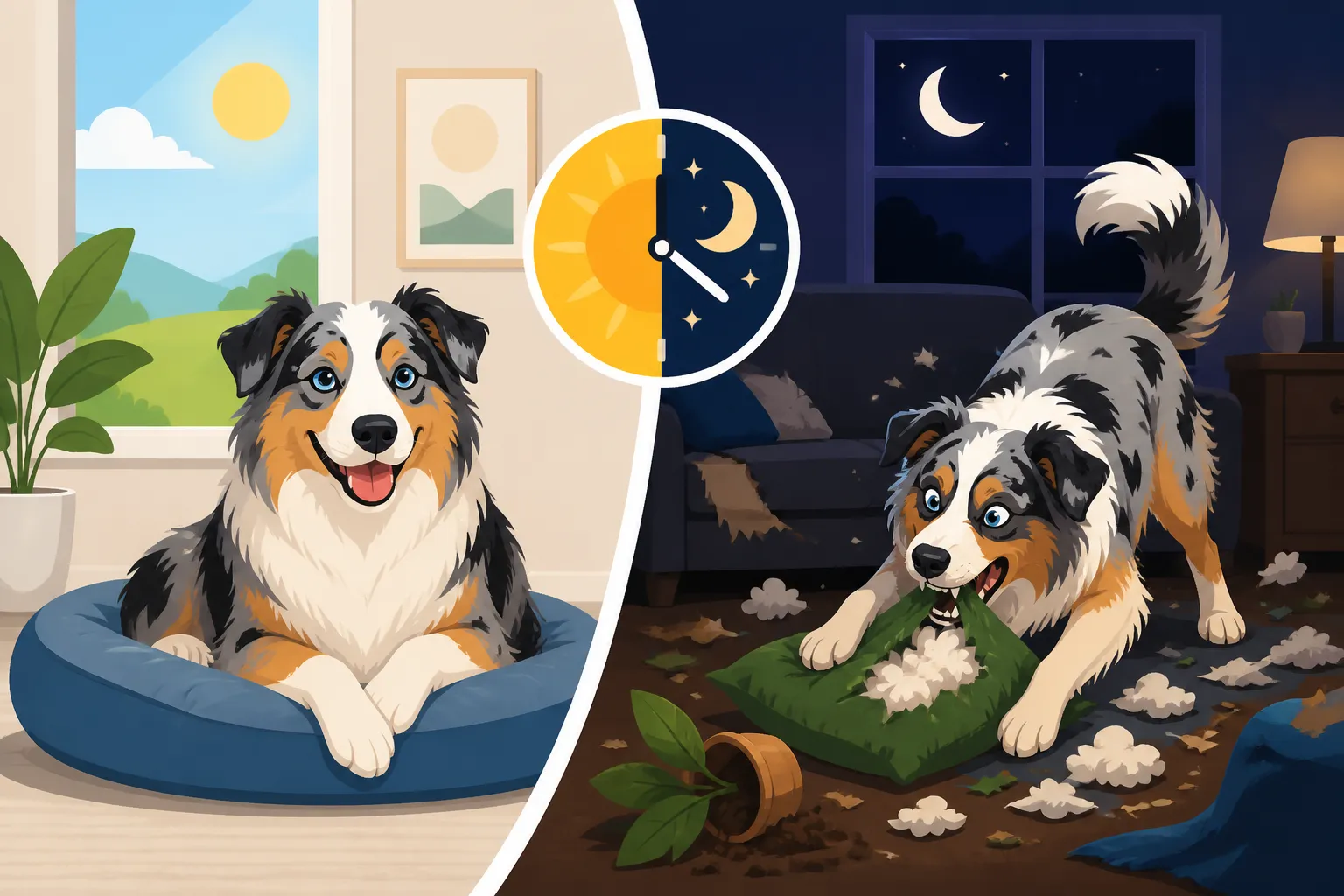
It's a frustrating, often baffling, experience: you've had a busy day, maybe a good walk, and as evening descends, your Australian Shepherd, instead of winding down, seems to amp up. They might get nippy, bark more, pace incessantly, or suddenly start tearing around the house like a furry tornado. This guide is here to help you understand why your otherwise wonderful Aussie might be "getting worse" as the sun sets and, more importantly, what you can do to bring some much-needed calm to your evenings.
The "Witching Hour" Phenomenon: Understanding Evening Energy Surges
Many Australian Shepherd owners describe a "witching hour" when their dog, usually between late afternoon and bedtime, seems to transform into a restless, overstimulated whirlwind. It's not uncommon, and it's certainly not a sign you're failing as a pet parent. This evening surge in activity and sometimes, unfortunately, naughtiness, is a complex mix of the breed's innate drives, daily routine, and how they process stimulation. For a breed designed to be active and observant all day, the shift from daytime engagement to evening quiet can be a tough transition if not managed intentionally.
Over-Tiredness Versus Under-Exercised
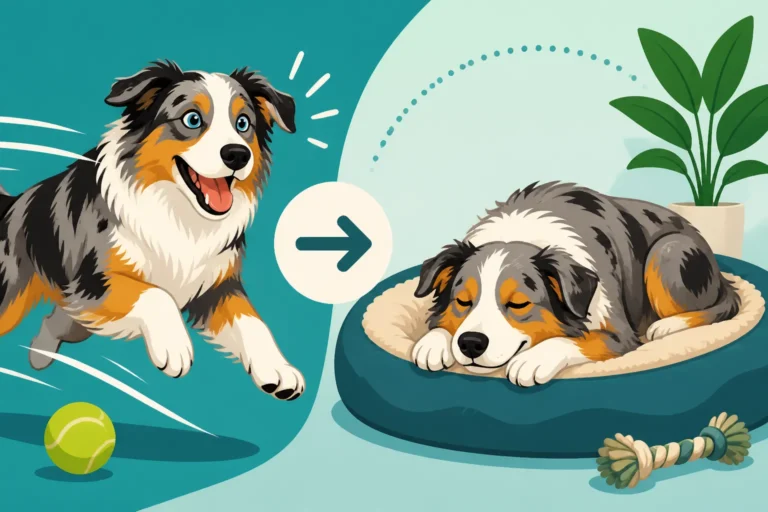
One of the biggest misconceptions we often grapple with as Aussie owners is distinguishing between a dog that is genuinely under-exercised and one that is actually over-tired and struggling to self-regulate. It sounds counterintuitive, right? How can a dog be too tired? But think about a toddler who's missed their nap – they don't quietly drift off; they become hyper, whiny, and difficult. Our intelligent, high-drive Australian Shepherds can experience something similar.
If your Aussie has had a day filled with fragmented naps, constant low-level stimulation (like family members coming and going, or the TV on), but without any truly settling activities, their nervous system can be running on overdrive. By evening, they're physically and mentally drained but lack the "off switch" to calm themselves. They might start problem behaviors like excessive barking, destructive chewing, or frantic pacing because they're simply too wired to relax. They're seeking an outlet for this frayed energy, and it often comes out in ways we find frustrating. The key here isn't necessarily more running around; it's often more structured mental work and enforced calm throughout the day.
The Aussie's Innate Drive and Schedule Shifts
Australian Shepherds were bred for intense work, herding livestock all day long. This means they have an incredibly strong work ethic and an operating system designed for constant mental and physical engagement. Why Herding Instinct Is the Aussie Operating System When their human "flock" comes home in the evening, they might instinctively feel a renewed sense of purpose, even if that purpose is just "herding" the family from the kitchen to the living room.
Beyond their genetics, the shift in your household's schedule can play a huge role. During the day, maybe you're at work and your Aussie is sleeping. Then, come evening, the house becomes a hub of activity: kids arrive home, dinner is prepared, conversations are louder, screens are on, and there's a general increase in movement. For a dog that thrives on routine and often struggles with sudden changes, this can be incredibly stimulating. They pick up on every nuance, and this heightened awareness can lead to an accumulation of arousal that culminates in evening outbursts.
Common Triggers for Evening Escalation in Aussies
Understanding why your Australian Shepherd gets worse in the evening is the first step. Next, let's pinpoint some common triggers that often light the fuse for these evening meltdowns. It's rarely one single thing; more often, it's a combination of factors that build up throughout the day.
Lack of Structured Mental Stimulation
A common culprit behind evening shenanigans is a deficit of meaningful mental work during the day. Simply letting an Aussie out in the yard isn't enough; they need their minds engaged. If their day has been physically active but mentally vacant, they arrive at the evening with a brain still itching for a job. This is where their cleverness can backfire – they'll invent their own "jobs," which often manifest as behaviors we'd rather avoid.
Imagine your Aussie watching you cook dinner, listening to the clatter, smelling the food, seeing everyone move around. If they haven't had a chance to use their problem-solving skills, their focus, or their incredible nose during the day, this background stimulation can quickly turn into overstimulation. They might start nipping at ankles, barking at shadows, or pacing restlessly. They're essentially telling you, "My brain needs something to do!" Mental Work That Actually Tires an Australian Shepherd
Environmental Overstimulation and Sensitivity
Aussies are incredibly perceptive dogs, which is a fantastic trait for a working partner but can be a challenge in a busy home, especially in the evening. The increased activity in the house – cooking, kids playing, TV sounds, conversations, movement – can be overwhelming. They might pick up on every little sound outside, every car driving by, every rustle in the bushes.
This sensory overload can be particularly impactful for a breed known for its sensitivity. Australian Shepherd Noise Sensitivity and Startle They might start alert barking at things you don't even notice, or become restless and unable to settle because their senses are constantly on high alert. For some Aussies, even the change in light as dusk settles can trigger a heightened state of awareness. They might struggle to process all this input, leading to frustration and what looks like "bad" behavior. It's not malicious; it's often their way of coping with too much going on.
Unmet Physical Exercise Needs (The Right Kind!)
While we touched on over-tiredness, it's equally true that genuinely unmet physical exercise needs can absolutely contribute to evening agitation. Many owners believe a brisk walk or a few rounds of fetch satisfy an Aussie, but for a dog bred to cover miles and work with agility, this might just be a warm-up. Why Two Hours of Running Never Settles an Aussie If your Aussie has had an hour of physical activity but it wasn't intense enough, or it was too early in the day and they've recharged, they might still have a reservoir of physical energy by evening.
The key here is often the quality and intensity of the exercise. A structured hike where they're navigating varied terrain, or a focused training session that involves bursts of activity, is often more fulfilling than just casual sniffing around the block. If they haven't had a proper opportunity to truly stretch their legs and get their heart rate up in a meaningful way, that pent-up physical drive will look for an outlet once the house settles down, manifesting as restless pacing, jumping, or even destructive behaviors.
Strategies to Calm Your Australian Shepherd in the Evening
Now that we understand some of the underlying reasons for your Aussie's evening woes, let's dive into practical, actionable strategies to bring calm and predictability back to your household. It's all about intentional routine and fulfilling their natural needs in appropriate ways.
Implementing a "Decompression" Routine
Just like we need to wind down after a long day, your Australian Shepherd benefits immensely from a structured decompression routine as evening approaches. This isn't about stopping their energy, but about redirecting it into calm, self-soothing activities.
Start by creating a quiet space for them – a crate covered with a blanket, a special dog bed in a low-traffic area, or even a designated corner of a room. About an hour or two before you want them to settle for the night, initiate this wind-down. This could involve offering a long-lasting chew, like a stuffed KONG (you can find durable options on Amazon), or a bully stick. Licking and chewing are natural canine calming behaviors, releasing endorphins that help reduce stress and anxiety. Another great option is a snuffle mat, which provides mental engagement through scent work. Scent Games That Tire an Australian Shepherd
Consider dimming the lights, playing soft classical music or white noise, and engaging in gentle activities like a calm brushing session or a light massage. The goal is to gradually lower the energy level of the household and signal to your Aussie that it's time to switch gears. Avoid highly stimulating play or excited greetings during this time; keep interactions calm and low-key.
Strategic Mental Engagement
For an Australian Shepherd, a tired mind is often more effective than a tired body when it comes to achieving calm. Integrating strategic mental engagement throughout the day, and particularly in the early evening, can make a huge difference.
Instead of just feeding dinner in a bowl, use a puzzle feeder or scatter their kibble in the yard for a "sniffari." This engages their incredible sense of smell and problem-solving skills. Short, focused trick training sessions for 5-10 minutes can also be incredibly tiring for their brains. Teach them new tricks, practice old ones, or work on impulse control commands like "leave it" or "wait."
One of the most powerful tools is teaching a "settle" or "place" command. This involves training your Aussie to go to a designated mat or bed and stay there calmly, even amidst some activity. This gives them an "off switch" and teaches them how to relax on command. Resources like BAXTER & Bella offer comprehensive online training programs that can guide you through these types of exercises, providing structured lessons to help your Aussie develop better self-control and learn to relax in various environments. Consistency is key here; a few short sessions daily will yield better results than one long, infrequent session. Mat Settle Training for a Restless Aussie
Adjusting Physical Exercise Timing and Type
While mental stimulation is crucial, ensuring your Aussie has appropriate physical exercise earlier in the day is also vital to preventing evening overstimulation. The timing and type of exercise matter.
Aim to front-load the most intense physical exercise sessions into the morning or early afternoon. This allows them to burn off that high-energy drive when they're naturally most active. A long hike, a good fetch session, or even a focused training run are great options. If you're doing a second exercise session in the late afternoon or early evening, make it less stimulating. Instead of high-intensity fetch that ramps up their arousal, opt for a calm leash walk, a sniffing expedition, or gentle tug-of-war that you can easily disengage from.
Avoid highly arousing games or interactions right before your decompression routine. That means no frantic fetch in the living room 30 minutes before bedtime! A final potty break should be calm and business-like, not an opportunity for zooming around the yard.
Here's a quick comparison of evening activities:
| Good Evening Activities | Less Ideal Evening Activities |
|---|---|
| Chewing on a stuffed Kong | High-intensity fetch or tug |
| Sniffing for treats in a snuffle mat or grass | Roughhousing with people or other dogs |
| Gentle brushing or massage | Frantic "zoomies" around the house |
| Practicing "settle" or "place" command | Unstructured running in the yard |
| Short, calm leash walk for potty break | Excitable greetings of arriving family |
| Listening to calming music or white noise | Watching stimulating TV shows with loud noises |
When to Seek Professional Help for Evening Behavior
Most of the time, evening restlessness in an Australian Shepherd can be managed with consistent routines, appropriate exercise, and mental stimulation. However, there are instances where the behavior escalates beyond normal "witching hour" antics, indicating a need for professional intervention. Recognizing these signs is crucial for your Aussie's well-being and your peace of mind.
Recognizing Escalating Behavior
If your Aussie's evening behavior goes beyond simple restlessness or playful nips and starts involving more concerning actions, it's time to take note. This could include severe destructive chewing that damages furniture or household items An Australian Shepherd Destroying Doors When Alone, incessant barking that lasts for long periods and disrupts your neighbors, or even resource guarding behavior around toys or people as they become overstimulated.
Watch for signs of true distress, not just high energy. This might manifest as obsessive pacing, tail chasing, excessive licking of themselves or objects, or sudden, uncharacteristic aggression towards family members or other pets. If their anxiety or overarousal is so high that they cannot be comforted, or if they seem to be losing control of their impulses, these are red flags that warrant a deeper look. Australian Shepherd Impulse Control With Moving Toys A dog that truly "cannot switch off" might be suffering more than you realize. An Aussie That Cannot Switch Off
Consulting a Vet First
Before you jump to behavioral solutions, the very first step when behavior changes drastically or becomes concerning is always a visit to your veterinarian. Just like with humans, sudden shifts in a dog's demeanor, especially an increase in agitation or reactivity, can often be rooted in an underlying medical issue. Your Aussie might be experiencing pain, discomfort, vision or hearing changes, or even a thyroid imbalance that's affecting their mood and ability to settle. Sudden Aussie Aggression and a Vet Check
Your vet can perform a thorough physical examination, run diagnostic tests if needed, and rule out any health problems that could be contributing to the evening escalation. It's impossible to effectively address a behavioral issue if there's an untreated physical cause. Always start with a medical check-up to ensure your beloved Aussie isn't suffering in silence.
Working with a Certified Professional
Once medical causes have been ruled out, if the evening behaviors persist or are particularly severe, it's time to enlist the help of a certified professional. This could be a Certified Professional Dog Trainer (CPDT) with experience in working breeds or, for more complex or aggressive cases, a Veterinary Behaviorist. These professionals have specialized knowledge to assess your dog's specific situation, identify triggers you might be missing, and develop a tailored behavior modification plan.
They can teach you advanced techniques for impulse control, relaxation protocols, and how to effectively manage your Aussie's environment to reduce overstimulation. A good trainer will always use positive reinforcement methods, focusing on rewarding desired behaviors rather than punishing unwanted ones, which is especially important for sensitive breeds like Australian Shepherds. Vetting a Trainer Before Booking an Aussie They can also help you understand your dog's body language better and empower you with the tools and confidence to guide your Aussie towards a calmer, more balanced evening routine, ensuring both of you can enjoy those precious quiet hours. Hours Alone Before an Aussie Finds a Job
Disclaimer
This article is for general informational purposes only and does not constitute professional advice. Laws, prices and regulations vary by location and change over time. Consult a qualified professional for guidance on your specific situation.