Australian Shepherd Suspicion of Strangers
It's incredibly frustrating when your otherwise loving Australian Shepherd suddenly becomes a furry statue of suspicion, barking at the mail carrier, lunging at a friend, or cowering from a new visitor. This guide is here to walk you through understanding why your Aussie might be suspicious of strangers, how to recognize the subtle signs of their discomfort, and, most importantly, provide actionable steps to help them feel more confident and secure in a world full of new faces.
Understanding the Root of Australian Shepherd Suspicion
Australian Shepherds are phenomenal dogs, incredibly intelligent, loyal, and often possessing an almost psychic ability to anticipate their handler's needs. However, these very traits, coupled with their genetic heritage, can make them prone to suspicion or even outright reactivity towards strangers. It’s not about them being "mean" or "badly behaved"; it’s deeply ingrained.
The Herding Dog's Instinct for Observation
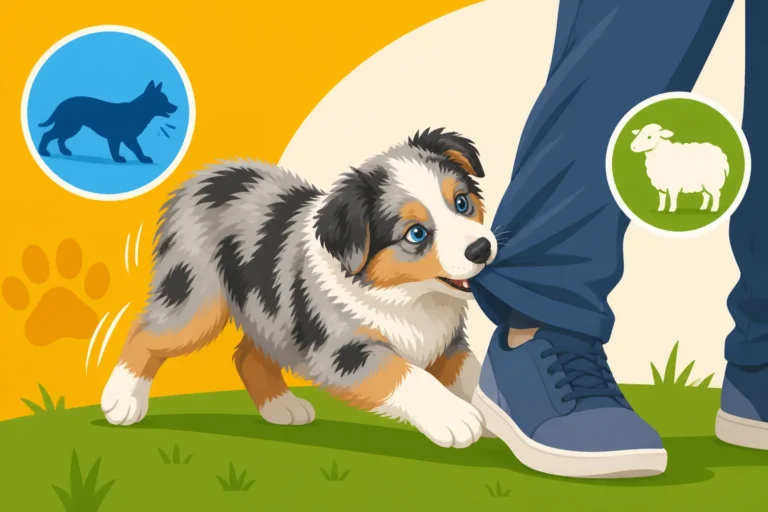
Think about what an Australian Shepherd was bred to do: manage livestock. This isn't just about chasing; it's about observation, quick decision-making, and often, a degree of watchful vigilance. They need to notice subtle shifts in the flock, be aware of their surroundings, and react appropriately to maintain order. In a domestic setting, this translates to a heightened awareness of their environment and a tendency to notice every new person, every different posture, every unexpected sound. A stranger isn't just a person; they're a variable in the flock, a potential disruption to the established order that needs to be assessed. This inherent need to "read the room" and maintain control can make them wary of anything or anyone unfamiliar. It’s their internal software running in a new context.
Lineage and Protective Tendencies
Historically, Australian Shepherds weren't just herders; they were often ranch dogs, expected to protect their property and their people. They guarded the homestead and the stock. This natural protective instinct means they are often reserved around those they don't know, a characteristic often noted in The Australian Shepherd Temperament the Aussie Standard Requires. They bond fiercely with their immediate family unit, seeing them as their core "flock," and anyone outside of that circle might be viewed with caution until proven otherwise. It’s not always overt aggression; sometimes it’s a quiet watchfulness, a slight stiffening of the body, or a deep, resonant bark that sends a clear message: "I see you, and I'm assessing your intentions." This wariness serves a purpose in a working context, but it can be challenging in a suburban neighborhood or when company visits.
Genetics Versus Environment in Shaping Temperament
It’s easy to blame nature or nurture entirely, but the truth is, an Aussie's suspicion of strangers is almost always a complex interplay of both. Some lines are naturally more outgoing, while others carry a stronger genetic predisposition for wariness. You might have an Aussie from a long line of working ranch dogs who were never expected to greet strangers with tail wags. On the other hand, early life experiences, or lack thereof, play a massive role. A puppy that wasn't properly socialized during its critical developmental period (roughly 3 to 16 weeks) can develop anxieties and fears around new people, even if its genetics lean towards a more open temperament. This period, where they absorb so much about the world, is crucial. If they only met their immediate family and a handful of familiar faces, the wider world can seem like a threatening place, leading to behaviors that look like suspicion but are rooted in fear. Understanding Why an Australian Shepherd Reserves Itself With Strangers often involves looking at both sides of this coin.
Recognizing the Signs of Wariness and Discomfort
Before you can help your Australian Shepherd, you need to understand what they are trying to tell you. Dogs communicate primarily through body language, and Aussies, with their expressive faces and often full coats, can sometimes hide subtle cues. Learning to read these signals is paramount.
Subtle Body Language Cues
Your Aussie might not be growling or barking overtly, but they're still communicating their discomfort. Look for a stiffening of the body, a slight shift of weight backward, or a hard stare. Their ears might be pulled back slightly, or their tail, even if wagging, might be held low or tucked. Sometimes, a rapid "whale eye"—where you see the whites of their eyes—is a clear indicator of stress. A yawn when no one else is yawning, lip licking, or turning their head away are all calming signals they use to try and diffuse a tense situation, or simply to tell you they're uncomfortable. Pay attention to their breathing; rapid, shallow breaths can indicate anxiety. Even a sudden interest in sniffing the ground excessively can be a displacement behavior, a way for them to cope with stress when a stranger approaches. Reading an Aussie Body Language Under a Full Coat is a skill worth developing for any owner.
Barking, Retreating, and Arousal Markers
When the subtle cues aren't enough, or the stress becomes too much, your Aussie might escalate their communication. Barking at strangers is a common one, especially if they are approaching your home or personal space. This isn't always aggressive; it's often a "go away" signal, a way to create distance. Retreating, hiding behind your legs, or trying to put furniture between themselves and the stranger are clear signs they want space. Sometimes, the body might become rigid, hackles might raise along their spine, and they might emit low growls. These are all signs of a dog that feels threatened or overwhelmed. Watch for what we call "arousal markers": panting, hyper-vigilance, an inability to settle, or even pacing. If your Aussie becomes overly fixated on a person, unable to break eye contact, they are likely moving into a higher state of stress and potential reactivity.
When Suspicion Escalates to Reactivity
For some Australian Shepherds, sustained suspicion or fear can escalate into reactivity. This is when their response becomes exaggerated and difficult to control. We're talking about lunging on the leash at passersby, incessant barking at every new person seen on a walk, or snapping if a stranger tries to reach out too quickly. This isn't usually an act of aggression from a place of malice, but rather a desperate attempt to create distance and safety. It's their way of saying, "I'm scared, please back off!" An Australian Shepherd Lunging at Passing Dogs is a similar manifestation of this overarousal, just directed at a different trigger. This is where management strategies and professional help become crucial, as ignoring these signs can solidify fearful behaviors and make them harder to modify.
Proactive Socialization Strategies for Aussie Puppies
The best offense is a good defense, and when it comes to Australian Shepherd suspicion of strangers, proactive socialization during puppyhood is your superpower. This isn't just about meeting people; it's about positive experiences.
The Critical Window for Exposure
The period from approximately 3 to 16 weeks is often called the "critical socialization window" for puppies. During this time, their brains are like sponges, soaking up information about the world and forming associations. Positive experiences with a wide variety of people—men, women, children, people in hats, people with umbrellas, people on bikes—are incredibly important. Expose them to different sights, sounds, and smells in a controlled, safe, and positive way. This doesn't mean throwing them into a crowded park and hoping for the best; it means carefully orchestrating brief, pleasant encounters. For guidance, many online platforms like BAXTER & Bella offer comprehensive puppy training programs that include detailed socialization plans, helping you navigate this crucial period effectively. Remember, quality over quantity: a few good experiences are better than many overwhelming ones.
Controlled and Positive Introductions to New People
When introducing your Aussie puppy to new people, focus on creating positive associations. Keep greetings brief and calm. Ask the person to offer a high-value treat (small, soft, and super tasty) rather than immediately trying to pet the puppy. The puppy should choose to approach, not be forced. If they're hesitant, the person can toss treats gently towards them without making direct eye contact. Make sure your puppy always has an escape route if they feel uncomfortable. The Australian Shepherd Socialization Checklist is a fantastic resource for ensuring you're covering all your bases during this vital time. If your puppy is doing well, a quick, gentle pet on the chest (not over the head) might be okay, but always read their body language. The goal is for them to think, "Oh, a new person! New people mean good things like treats and gentle interactions!"
Avoiding Overwhelm and Negative Experiences
Just as important as positive exposure is avoiding negative or overwhelming experiences. Never force your puppy into an interaction they are clearly uncomfortable with. Don't let strangers mob your puppy, pick them up without permission, or allow children to chase them. One bad experience can set back weeks of positive socialization. If you see signs of stress (tail tucked, ears back, lip licking), gently remove your puppy from the situation. Keep exposure sessions short and sweet. The world can be a big, scary place for a small puppy, and it's your job to be their protector and advocate. A good quality long line, easily found on Amazon, can also give your puppy a safe perimeter to explore new environments while still being tethered to you, giving them a sense of security during early outdoor socialization adventures.
Managing Adult Australian Shepherd Suspicion
If you have an adult Australian Shepherd who already displays suspicion towards strangers, don't despair! While modifying established behaviors takes more time and patience than puppy socialization, it is absolutely possible to help them feel more comfortable and confident.
Creating a Safe and Predictable Environment
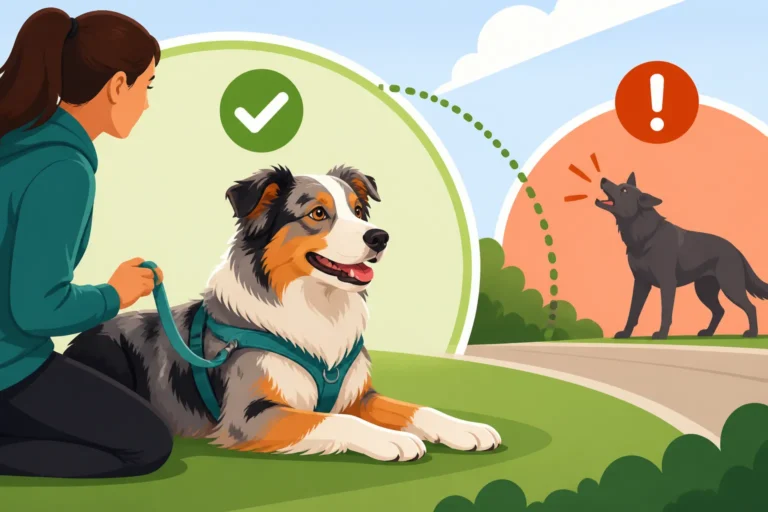
One of the most powerful tools you have is controlling your Aussie's environment. If your dog barks incessantly at people walking by the front window, block their view with frosted film or curtains. When guests come over, manage the initial greeting carefully. Have your Aussie on a leash, or in a separate room with a high-value chew, until the guests are settled. Teach your guests how to interact (or not interact) with your dog: no direct eye contact, no reaching over the head, no sudden movements. A predictable routine also helps. Dogs thrive on knowing what to expect, and minimizing surprises can reduce their overall anxiety. If your Aussie anticipates that every new person is a threat, a predictable environment can help to slowly chip away at that assumption. An Aussie That Barks at Visitors often benefits from a structured greeting protocol.
Teaching Calmness and Confidence Around Strangers
This is where focused training comes in. The goal isn't necessarily for your Aussie to be a social butterfly, but rather to be calm and neutral in the presence of strangers. Start with "look at that" or "engage-disengage" games. When your dog notices a stranger (without reacting), mark the moment (e.g., with a clicker or a verbal "yes!") and reward them generously. The reward should be given after they look at you, breaking their focus on the stranger. Slowly, you increase the duration they can observe a stranger calmly before being rewarded. The idea is to change their emotional response from "stranger = threat" to "stranger = opportunity for a treat from my human!" This technique, known as classical counter-conditioning, works wonders. Many online training programs, such as BAXTER & Bella, include modules on reactivity and stranger danger, offering structured exercises to build this confidence.
The Role of a Consistent Routine and Boundaries
Consistency is key for an Australian Shepherd, especially one prone to suspicion. They need clear boundaries and predictable expectations from you. If your Aussie is uncertain about their place or what's expected of them, it can amplify their anxiety. Establish a solid routine for walks, feeding, and playtime. Ensure all family members are on the same page with commands and expectations. If you're inconsistent, your Aussie might feel the need to step up and "manage" situations themselves, which often manifests as barking or guarding. Practice Teaching an Aussie to Ignore People on Walks by rewarding calm behavior, even if it's just a fleeting moment of not reacting. This consistent reinforcement of desirable behavior builds trust and reduces their perceived need to be "on guard" all the time.
Working With a Professional for Behavioral Support
Sometimes, despite your best efforts, an Australian Shepherd's suspicion of strangers can be deeply ingrained or stem from past trauma, making it difficult to manage on your own. This is where professional help becomes invaluable.
When to Seek Expert Guidance
It's time to call in a professional if your Aussie's behavior is escalating, if you feel unsafe or overwhelmed, or if your attempts to manage the situation aren't yielding positive results. Signs that warrant professional intervention include lunging, snapping, growling, or attempts to bite, especially if these behaviors are becoming more frequent or intense. If your dog's fear is preventing you from living a normal life—e.g., you can't have guests, take walks, or even go to the vet without major stress—it’s definitely time. A certified professional dog trainer or a veterinary behaviorist can provide an objective assessment of your dog's behavior and help identify the underlying causes, whether it's fear, resource guarding, or something else entirely. They can also rule out any medical reasons for sudden behavioral changes, such as pain. Sudden Aussie Aggression and a Vet Check is always a good first step to rule out physical discomfort.
Finding a Trainer Who Understands Herding Breeds
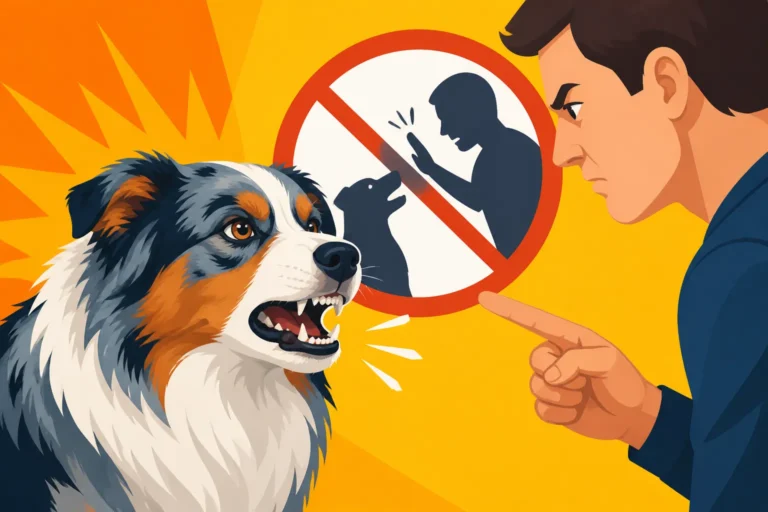
Not all dog trainers are created equal, and for an Australian Shepherd, finding someone who understands the nuances of herding breed temperament and drive is crucial. Look for trainers who use positive reinforcement and force-free methods. Avoid anyone who suggests harsh corrections, punishment, or techniques that rely on intimidation, as these can exacerbate fear-based behaviors in sensitive Aussies. Ask about their experience with herding breeds and their approach to reactivity or fear-based aggression. A good trainer will create a customized plan for you and your dog, focusing on building confidence and positive associations, rather than suppressing symptoms through fear. Resources like the Association of Professional Dog Trainers (APDT) or the Certification Council for Professional Dog Trainers (CCPDT) can help you find qualified professionals in your area. Vetting a Trainer Before Booking an Aussie is a critical step to ensure you get the right help.
Behavioral Modification Techniques and Patience
Working with a professional will likely involve a combination of management strategies, counter-conditioning, and desensitization. Management means preventing your dog from practicing the unwanted behavior (e.g., putting them in another room when guests arrive). Counter-conditioning means changing your dog's emotional response to the trigger (strangers) from negative to positive. Desensitization means gradually exposing your dog to the trigger at a level where they don't react, slowly increasing the intensity over time. This process requires immense patience and consistency from you. There will be good days and bad days, and progress might feel slow. But with a solid plan and dedicated effort, you can make significant strides in helping your Aussie feel more secure and less suspicious around new people. Remember that behaviors often get worse before they get better as your dog learns new ways to cope.
Living With a Naturally Reserved Australian Shepherd
Even with the best training and socialization, some Australian Shepherds will always be more reserved around strangers than others. This is a part of their individual personality, and learning to accept and advocate for that is just as important as trying to change their behavior.
Accepting Your Aussie's Unique Personality
It's tempting to want your dog to be the life of the party, greeting everyone with enthusiasm. However, many Australian Shepherds simply aren't built that way. Their loyalty is often deep but narrowly focused on their immediate family. If your Aussie prefers to observe from a distance, or takes a long time to warm up to new people, that's okay. It doesn't mean you've failed as an owner, or that your dog is "bad." It just means they have a unique personality, and honoring that is part of being a responsible dog parent. Forcing them into uncomfortable situations won't make them more social; it will likely increase their stress. Embrace their natural caution, and find joy in the deep bond you share, which is often intensified by their selective trust.
Advocating for Your Dog's Space and Comfort
As their guardian, you are your Australian Shepherd's best advocate. This means setting clear boundaries with people who want to interact with your dog. It's perfectly acceptable to say, "Please don't pet him, he's a bit shy," or "He's in training, so we're just practicing ignoring people right now." Don't feel guilty for protecting your dog's space. You can use visual cues like a yellow bandana or a "DO NOT PET" leash wrap (easily found on Amazon) to signal to strangers that your dog needs space. When guests visit, clearly explain your dog's boundaries before they even step inside. Many people, especially those unfamiliar with herding breeds, don't understand that a wagging tail doesn't always mean "come closer," and sometimes it's best for your Aussie to simply observe from a distance.
Building Trust and a Strong Bond
Ultimately, your relationship with your Australian Shepherd is the most powerful tool you have. A strong, trusting bond provides a secure base from which they can face the world. Spend quality time with your Aussie, engaging in activities they enjoy, whether it's Australian Shepherd Agility and Disc Sports, herding games, or simply long hikes in nature. Consistent, positive interactions build their confidence in you as their leader and protector. When they know you have their back, and that you will manage potentially stressful situations, they can relax a bit more. This trust allows them to look to you for guidance when a stranger appears, rather than feeling like they have to handle it all themselves. Your calm and confident demeanor around new people will also rub off on your Aussie, showing them there's no real threat.
| Behavior | Interpretation | Action You Can Take |
|---|---|---|
| Stiff Body, Whale Eye, Lip Lick | Early signs of discomfort, anxiety, or internal conflict. Your Aussie is trying to communicate they are not happy. | Create distance from the stranger. Toss a treat to redirect focus. Calmly remove your dog from the situation if possible. Avoid pushing interaction. |
| Low Growl, Raised Hackles | Clear warning signals. Your Aussie feels threatened and is attempting to create more space or deter the perceived threat. | Immediately increase distance. Do not punish the growl (it's communication!). Reassess the situation and remove your dog from it if safe to do so. Consider professional help. |
| Barking (at stranger) | Can be fear-based, territorial, or an attempt to get the stranger to leave. | Interrupt the barking with a recall to you, reward for quiet. Manage the environment (e.g., window coverings). Teach a "quiet" cue. Practice "look at that" from a distance. |
| Cowering, Hiding Behind You | A fear response, your Aussie is seeking protection and trying to avoid interaction. | Respect their need for space. Do not force interaction. Advocate for your dog with the stranger. Encourage them with gentle praise and treats to observe from a safe distance. |
| Lunging on Leash | Often a reactive, fear-based behavior; the dog is trying to make the "threat" go away. | Practice counter-conditioning and desensitization with a professional. Avoid triggers. Use a secure harness. Work on calm focus exercises. |
| Accepting Treats but Still Wary | Your Aussie might be conflicted; the treat is appealing, but the stranger is still a concern. | Continue with positive associations (stranger = treats), but do not rush physical interaction. Allow them to take treats and then disengage. Keep interactions brief and low-pressure. |
Disclaimer
This article is for general informational purposes only and does not constitute professional advice. Laws, prices and regulations vary by location and change over time. Consult a qualified professional for guidance on your specific situation.