Whether a Novice Handler Can Manage Aussie Drive
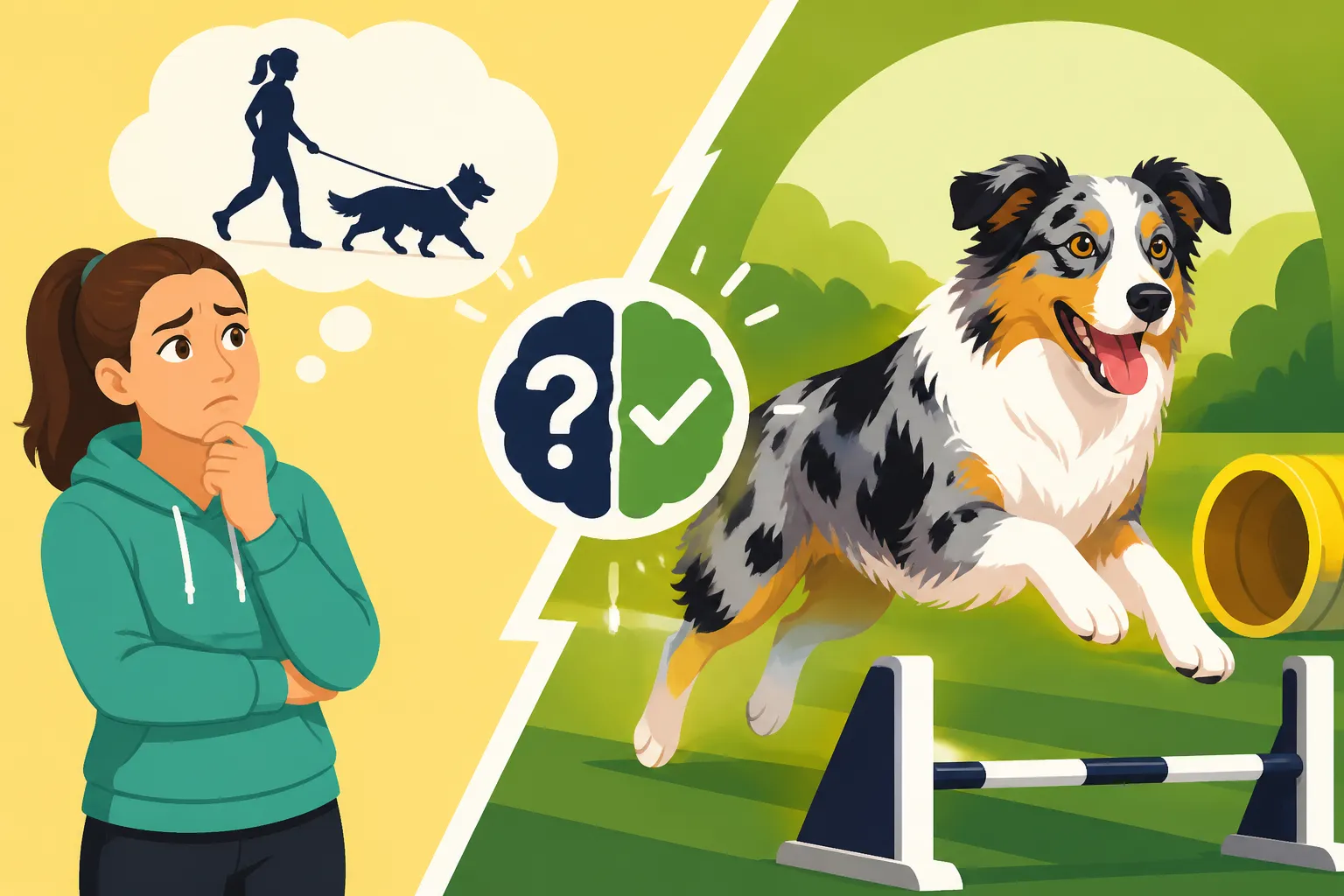
Many aspiring Australian Shepherd owners fall head over heels for their striking looks and intelligent eyes, only to quickly feel overwhelmed by the sheer energy and intense focus these dogs possess. The reality is, an Australian Shepherd comes hardwired with a profound drive to work, think, and move, and if a novice handler isn't prepared for this, both dog and human can end up frustrated. This guide will help you understand what "Aussie drive" truly means, whether you, as a first-time owner, have what it takes to channel it successfully, and how to set yourself and your future companion up for a fulfilling life together.
Unpacking the Australian Shepherd's Innate Drive
When we talk about an "Australian Shepherd's drive," we're not just talking about needing a long walk every day. We're talking about a complex set of instincts, intelligence, and physical stamina that has been honed over generations for a very specific job: herding livestock. Understanding this core programming is the first step for any novice owner considering this breed.
The Herding Instinct: More Than Just Nipping Heels
The most defining characteristic of an Australian Shepherd's drive is its herding instinct. This isn't just a quirky habit; it's a deep-seated desire to gather, control, and move things. For a working Aussie on a ranch, this translates to expertly managing sheep or cattle. For an Aussie in a suburban home, however, it can manifest in surprising—and often challenging—ways. You might find your Australian Shepherd circling children in the yard, attempting to "herd" other dogs at the park, or even nipping at the heels of people moving too quickly. They see movement, and their brain says, "Gather!" This isn't aggression; it's instinct in action. It's why an Aussie might stare intently at a skateboarder or a cyclist, not out of malice, but out of a powerful urge to control that moving object. The question for a novice isn't if this instinct will show up, but how it will show up, and whether you're prepared to manage it. Why an Australian Shepherd Nips at Heels dives deeper into this specific behavior.
High Intelligence and the Need for a "Job"
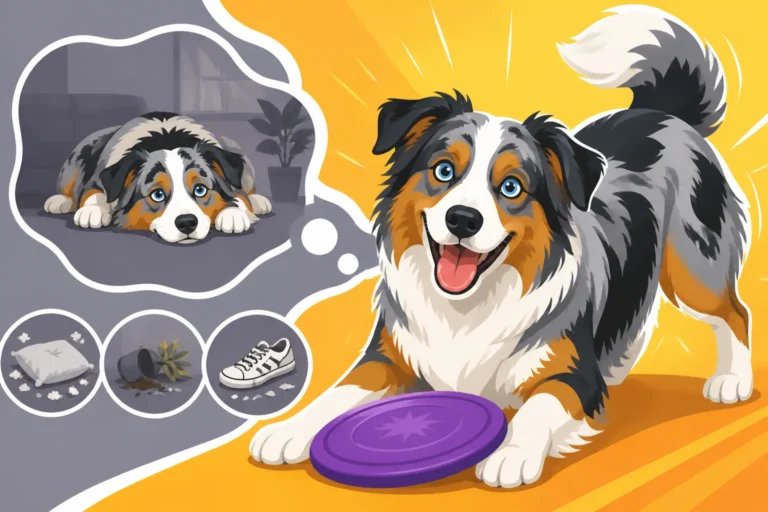
Beyond their physical drive, Australian Shepherds are incredibly intelligent. This is a double-edged sword for a novice handler. On one hand, they are highly trainable and eager to learn new commands and tricks. On the other hand, this intelligence means they need constant mental stimulation. An Aussie that isn't given a "job" to do will often create one for themselves, and that job is rarely one you'll appreciate. This could involve figuring out how to open cabinets, rearranging your couch cushions, or meticulously disemboweling every single toy you buy. They thrive on problem-solving and routine. Simply letting them into the yard for an hour isn't enough; they need engagement that challenges their minds, not just their bodies. Think of them as canine Einsteins who also happen to be marathon runners.
Physical Stamina That Goes On and On
Australian Shepherds were bred for long days on the ranch, covering miles across varied terrain. This means they possess exceptional physical stamina. A casual stroll around the block is often just a warm-up for an Aussie. They need substantial, vigorous exercise daily, and for many, this needs to be more than just repetitive activity like endless fetch. They need varied environments, opportunities to run, chase, and explore. If their physical needs aren't met, that pent-up energy will find an outlet, often through destructive behaviors, restlessness, or vocalizations. It’s not about exhausting them to the point of collapse, but providing consistent, appropriate physical exertion that satisfies their breed requirements. Understanding How Much Daily Exercise an Australian Shepherd Needs is crucial.
Common Pitfalls for the Unprepared Novice Handler
The disconnect between the Australian Shepherd's inherent drive and a novice owner's expectations is where most problems arise. Without prior experience managing a high-drive working breed, first-time Aussie owners can quickly find themselves in over their heads.
Misinterpreting Behavior as "Bad" Instead of "Bored"
One of the biggest mistakes a novice makes is to label their Aussie as "bad" or "stubborn" when, in reality, the dog is simply trying to fulfill its natural instincts or coping with unmet needs. When an Australian Shepherd chews through furniture, digs craters in the yard, or barks incessantly, it's rarely out of spite. More often, these are symptoms of boredom, under-stimulation, or anxiety. A dog that is left alone for long hours with no mental engagement will find ways to entertain itself, and those ways are usually destructive. This often leads to frustration on both sides, with the owner feeling exasperated and the dog feeling misunderstood and stressed. It's a classic case of an Aussie trying to do a "job," even if that job is dismantling your living room.
Over-Reliance on Physical Exercise Alone
Many novice owners believe that if they just run their Aussie ragged for an hour or two, the dog will be calm and settled for the rest of the day. While physical exercise is absolutely essential, it's often not enough on its own. An Aussie's brain needs to be engaged just as much as its body. An hour of pure physical exertion might even make some Aussies more wired if it's not balanced with mental work and opportunities to switch off. Think of it this way: you could run a marathon, but if you then had to sit in a quiet room with nothing to do or think about, you'd likely still feel restless and unfulfilled, perhaps even more so because your body is buzzing but your mind is idle. This imbalance is why many Aussies are described as having an "off switch" problem – they struggle to settle down even after activity. Why Physical Exercise Alone Never Settles an Aussie explores this common misunderstanding.
Failing to Establish Clear Boundaries and Consistent Training
Australian Shepherds thrive on structure and consistency. Their intelligence means they learn quickly, but it also means they will quickly learn what they can get away with if boundaries aren't firm. A novice handler might struggle with consistent training, perhaps using different commands for the same action, or not following through with requests. An Aussie will pick up on this inconsistency and start making its own decisions. For a dog bred to direct livestock, making decisions is second nature. Without clear leadership and consistent positive reinforcement training, an Aussie might decide it is in charge of the household, leading to issues like resource guarding, selective hearing, or pushing boundaries with undesirable behaviors. They need to understand what's expected of them, and that requires a handler who is committed to consistent, clear communication.
Strategies for Success: Equipping the Novice Handler
Managing an Australian Shepherd's drive as a novice isn't about being perfect from day one, but about committing to learning, consistency, and providing appropriate outlets. It requires a proactive approach and a willingness to understand the breed's unique needs.
Prioritize Mental Stimulation and "Jobs"
This is paramount. Mental exercise can be just as tiring, if not more so, than physical exercise for an Aussie. Incorporate daily brain games into their routine. This could include:
- Puzzle toys: Fill them with kibble or treats to make mealtime a mental challenge. Brands like Outward Hound offer various levels of difficulty you can find on Amazon.
- Scent work: Hide treats around the house or yard and encourage your Aussie to sniff them out. Even simple "find it" games can be incredibly engaging.
- Trick training: Teach new tricks regularly. Aussies love learning and showing off! Start with basics and build up to more complex sequences.
- Obedience refreshers: Even if your dog knows "sit" and "stay," practice them in new environments with distractions. This reinforces their training and keeps their brain engaged.
- Interactive play: Games like tug-of-war (with rules!) or flirt pole play can satisfy their prey drive in a controlled manner. Scent Games That Tire an Australian Shepherd offers more ideas.
Seek Professional Guidance Early On
Don't wait until problems arise to seek help. Enrolling in puppy classes and then continuing with advanced obedience or even dog sports classes is invaluable. A good trainer will help you understand your Aussie's motivations and teach you how to effectively communicate with them. They can also introduce you to dog sports like agility, obedience, rally, or even herding instinct tests, which are fantastic outlets for an Aussie's drive. For novices, online programs can also be a lifesaver. BAXTER & Bella, for example, offers comprehensive online puppy training programs that provide structured lessons and support, which can be particularly helpful for new owners navigating the challenges of an active breed like the Aussie from day one. They break down complex training into manageable steps, perfect for someone without prior experience.
Implement Consistent Positive Reinforcement Training
Australian Shepherds respond exceptionally well to positive reinforcement. This means rewarding desired behaviors, rather than punishing undesired ones. Punishment can damage your relationship with your highly sensitive Aussie and may lead to fear-based aggression or a shutdown in learning. Keep training sessions short, fun, and frequent. Use high-value treats, praise, and play as rewards. Consistency is key: everyone in the household needs to be on the same page with commands and rules. If you allow your Aussie to jump on guests sometimes, but not others, they won't understand the boundary. This consistent approach builds trust and helps your Aussie understand its role within the family.
Provide Structured Exercise and Socialization
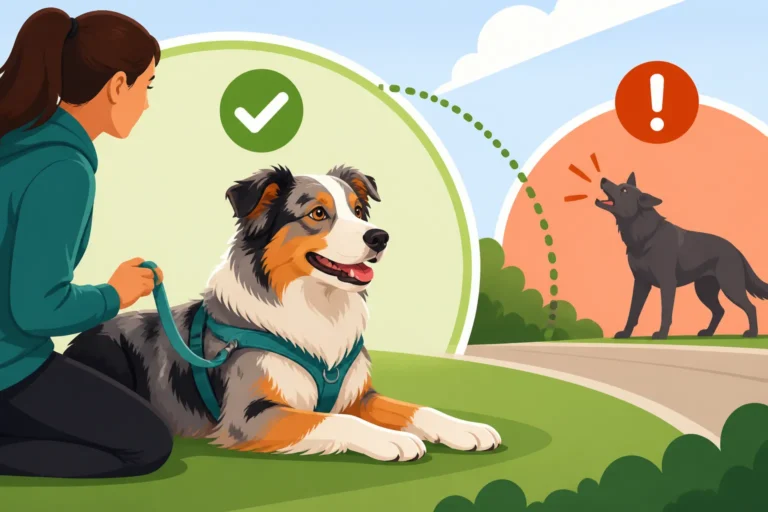
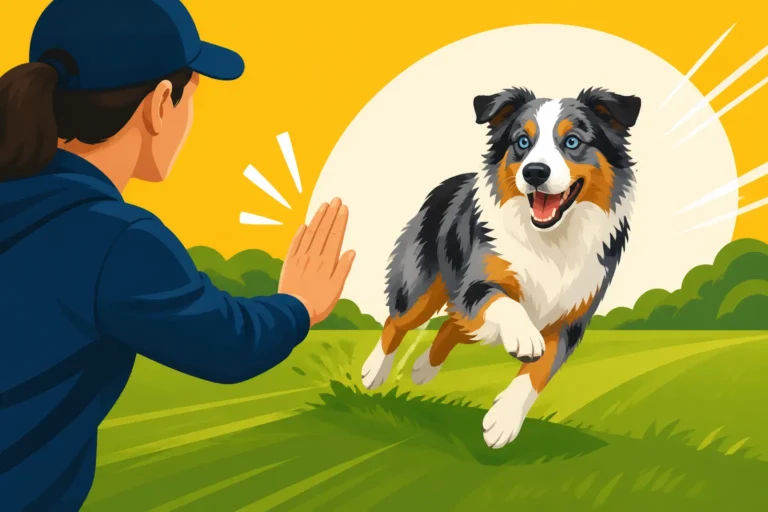
Beyond just running, aim for varied exercise that incorporates mental challenges. Hiking on new trails, practicing recall in a fenced field, or even just a brisk walk in a busy urban area (with proper leash training) can be more stimulating than repeated fetch. Socialization is also critical, but it needs to be controlled and positive. An Aussie can be reserved with strangers, so positive exposure to new people, places, and appropriate dogs from a young age is essential. However, steer clear of unregulated dog parks, where negative experiences can quickly lead to reactivity. Instead, opt for supervised playdates or structured classes. Socializing an Aussie Puppy Off the Farm provides a good starting point for broadening your Aussie's experiences.
Self-Assessment: Is an Aussie Right for You as a Novice?
Before bringing an Australian Shepherd home, an honest self-assessment is crucial. It's not about whether you love dogs; it's about whether you can truly meet the specific, demanding needs of this particular breed, especially as a novice.
The Time Commitment Reality
An Australian Shepherd isn't a "set it and forget it" dog. They demand your time, energy, and attention every single day for approximately 12-15 years. This includes dedicated training sessions, structured exercise, mental games, and simply being present with them. If your work schedule is demanding, you travel frequently, or you're hoping for a dog that's content with minimal interaction, an Aussie is likely not the right fit. Consider how much time you genuinely have to dedicate.
| Aspect of Aussie Care | Minimum Daily Time Needed (Novice) | Potential Impact of Neglect |
|---|---|---|
| Physical Exercise | 1-2 hours of vigorous activity | Destructive chewing, restlessness, barking |
| Mental Stimulation | 30-60 minutes of dedicated games | Anxiety, problem behaviors, lethargy from boredom |
| Training Practice | 15-30 minutes across several sessions | Poor manners, difficulty controlling in public, selective hearing |
| Grooming | 15-30 minutes (daily during coat blow) | Matting, skin issues, excessive shedding |
| Overall Engagement | Constant supervision and interaction | Withdrawal, depression, self-soothing behaviors (e.g., licking) |
Financial Investment Beyond the Puppy Price
Beyond the initial Aussie Puppy Prices Between $1,000 and $2,500, consider the ongoing financial investment. High-quality food, regular vet care, grooming supplies, durable toys (because they will destroy lesser ones), and crucially, training classes or private sessions with a reputable trainer. Investing in tools like a sturdy long line from Amazon for practicing recall in open spaces, or enrolling in an online puppy course like BAXTER & Bella, will pay dividends in managing their drive. If your budget for dog care is very tight, the expenses associated with properly raising and managing an Aussie might prove challenging.
Your Lifestyle and Environment
Do you live in an apartment or a house with a yard? While an Aussie can technically adapt to apartment living, it requires an even greater commitment to outdoor exercise and mental stimulation. A yard is a bonus, but it's not a substitute for engaging activities. Do you enjoy outdoor activities like hiking, running, or dog sports? If your idea of a perfect evening is quiet time on the couch, an Aussie might challenge that notion significantly. They are dogs that thrive when they are active participants in your life, not just passive observers. Making Apartment Life Work for an Aussie offers some tips if this is your situation, but it's a significant undertaking for a novice.
The Willingness to Learn and Adapt
Ultimately, managing an Australian Shepherd's drive as a novice handler comes down to your willingness to learn, adapt, and commit. You will make mistakes, and there will be frustrating days. But if you are dedicated to understanding the breed, seeking guidance, and consistently providing for their physical and mental needs, the reward is an incredibly loyal, intelligent, and engaged companion. If you're ready to embrace the journey of learning to speak "Aussie" and channeling their incredible drive into positive outlets, then yes, a novice handler absolutely can manage an Australian Shepherd. It just won't be easy, and it definitely won't be boring!
Disclaimer
This article is for general informational purposes only and does not constitute professional advice. Laws, prices and regulations vary by location and change over time. Consult a qualified professional for guidance on your specific situation.