Socializing an Aussie Puppy Off the Farm
Bringing an Australian Shepherd puppy home is an exhilarating experience, but many new owners, especially those living away from large rural properties, quickly discover that socializing these intelligent, high-drive dogs isn't always intuitive. They might worry about their puppy growing up timid or reactive in urban environments, or perhaps the sheer volume of new experiences outside a quiet farm feels overwhelming. This comprehensive guide is designed to help you navigate the specific challenges and triumphs of properly socializing your Australian Shepherd puppy, ensuring they develop into a confident, well-adjusted companion ready for any adventure life throws their way, no matter where you live.
Beyond the Pasture: Why Aussie Socialization Differs
When people think of "socialization," they often picture a happy-go-lucky golden retriever greeting every person and dog with a wagging tail. But an Australian Shepherd's inherent traits, honed over generations for working livestock, mean their approach to the world is fundamentally different. This isn't a flaw; it's just who they are, and understanding it is key to successful socialization.
The Herding Dog's Worldview
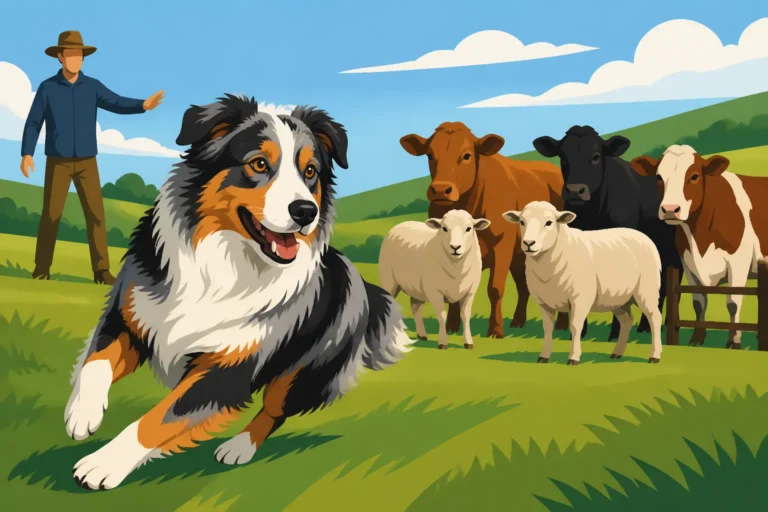
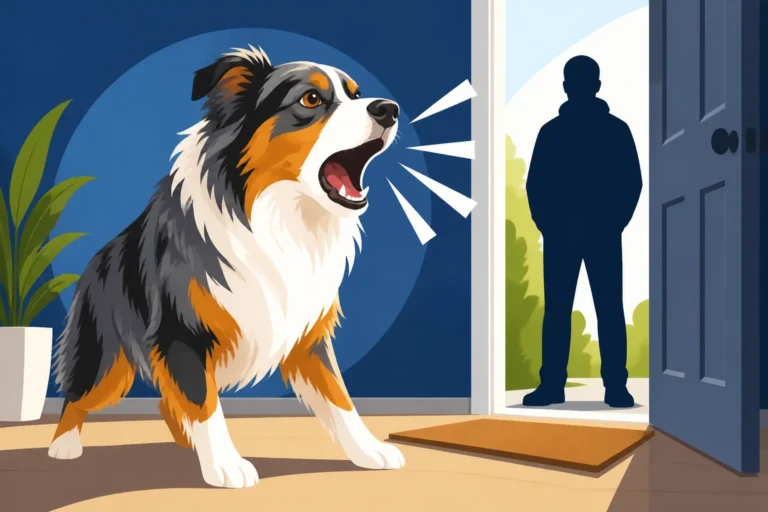
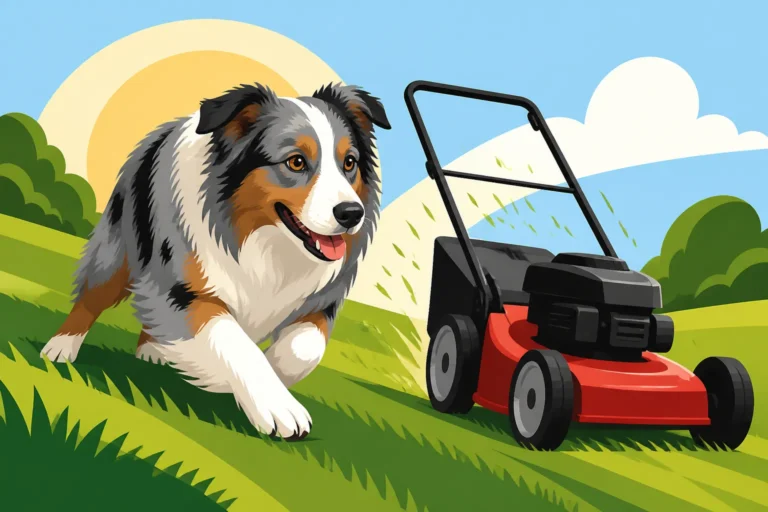
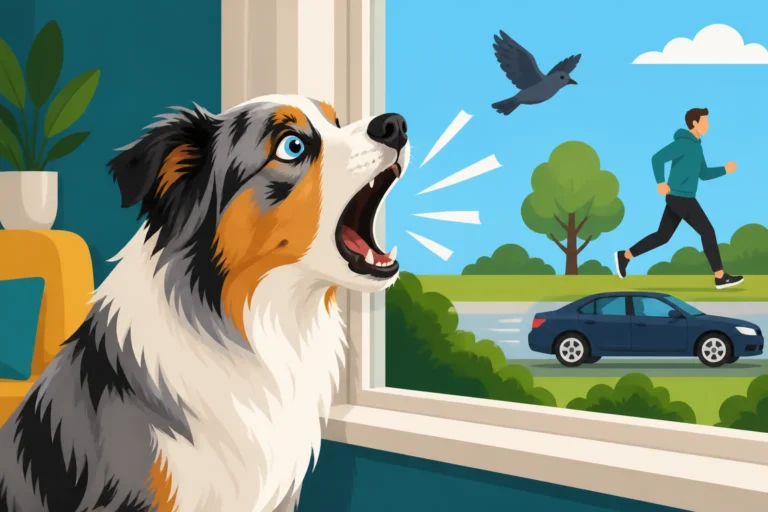
Australian Shepherds are naturally observant, often reserved with strangers, and possess a strong instinct to control movement. They don't just see the world; they assess it. A person walking by isn't just a person; they're a moving object that needs to be watched, perhaps even guided. This deep-seated herding drive means they can be more sensitive to new stimuli, more prone to startling, and can quickly become overwhelmed if introductions aren't managed carefully. Their job was historically to protect and manage a flock, which required a certain level of vigilance and discernment, not indiscriminate friendliness. This can translate into a natural suspicion of new people or dogs, or even a tendency to bark at things that move suddenly. It’s crucial to remember this isn't aggression; it's often an overactive herding brain trying to make sense of, or control, its environment.
Farm vs. City: Different Sensory Overload
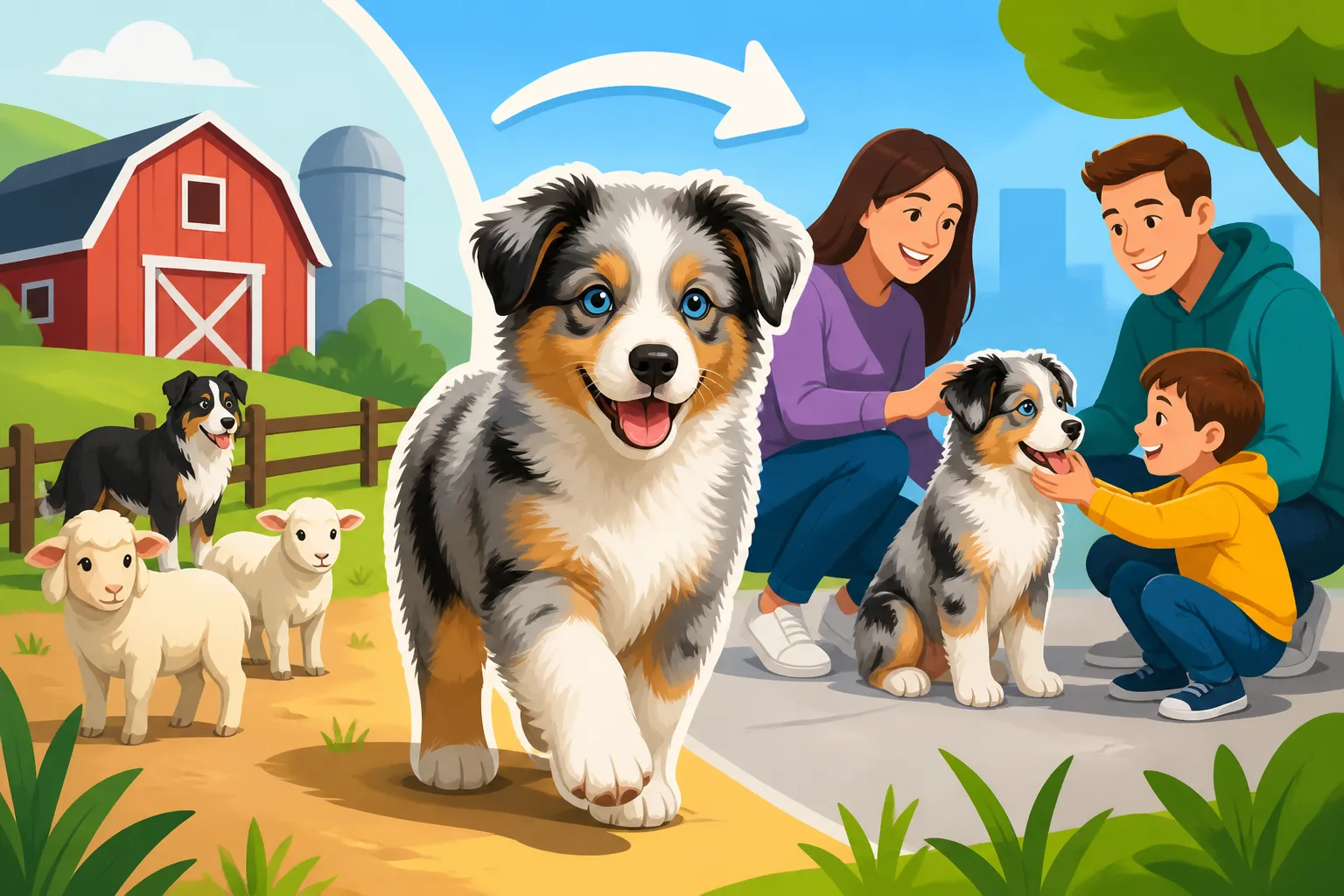
For generations, Aussies lived and worked on ranches where the primary "socialization" might have been with livestock, familiar family members, and the occasional visitor. The sensory input was relatively consistent: the smell of hay, the bleating of sheep, the familiar farm machinery. Now, imagine taking that genetic predisposition and dropping it into a bustling city park, a busy sidewalk, or even a suburban shopping center parking lot. The sheer volume of new sights, sounds, smells, and movements can be staggering. Loud trucks, sirens, crowds of strangers, dogs on leashes, skateboards, bicycles – each of these can be a potential trigger for an Australian Shepherd unaccustomed to such a kaleidoscope of stimuli. What might be a mild curiosity for another breed can be a significant challenge for an Aussie whose instincts tell them to manage all that movement. Trying to expose them to too much too fast can lead to an overwhelmed, fearful, or even reactive dog, rather than a confident one.
The Golden Window: Timing Your Aussie's Social Exposure
Socialization isn't a constant, uniform process throughout a dog's life. There are specific periods where a puppy's brain is most receptive to new experiences, and leveraging these windows effectively is paramount for an Australian Shepherd.
The Critical Period: 3 to 16 Weeks
This is often called the "fear imprint period" or the "critical socialization window," and for good reason. During these formative weeks, your puppy's brain is like a sponge, soaking up every experience and forming associations that will last a lifetime. Positive, varied, and controlled exposures during this time are invaluable. Think of it as building a robust mental framework for coping with the world. You want to introduce them to a wide range of people (different ages, genders, hats, glasses, wheelchairs), sounds (doorbells, vacuum cleaners, traffic, distant sirens), textures (grass, pavement, carpet, sand), and safe environments (parks from a distance, pet stores, vet clinics, quiet streets).
The key word here is controlled. This isn't about throwing your puppy into a dog park free-for-all or letting every stranger mob them. It's about short, positive, calm interactions where your puppy feels safe and has the option to retreat. Always pair these new experiences with high-value treats and praise. If your puppy seems overwhelmed, move further away or end the session on a positive note. Remember the balance: while you want broad exposure, you also want to protect their developing immune system. Discuss with your vet the safest ways to introduce your puppy to the world before they're fully vaccinated. Many vets recommend places like pet stores or quiet walks on clean pavement over dog parks until vaccinations are complete.
Continuing Socialization Through Adolescence
Just because the critical window closes at around 16 weeks doesn't mean socialization stops. Far from it! Australian Shepherds, like many breeds, go through an "adolescent" phase, typically from around 6 months to 18-24 months, where they might seem to forget everything they learned or suddenly become fearful of things they previously ignored. This is completely normal and often referred to as a "fear period" or a "secondary fear period." During these times, familiar items or situations can suddenly seem scary. A new trash can on your usual walking route might cause a massive spook, or a previously friendly dog might be met with caution.
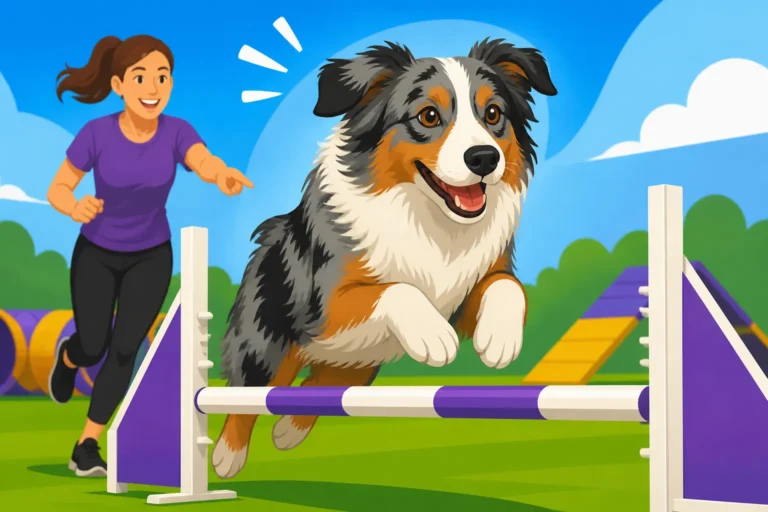
It’s vital to continue positive, gentle exposures during this phase. Don't force interactions, but gently guide them through new situations with patience and reassurance. Continued positive reinforcement, even for mundane encounters, will reinforce their earlier learning. Enrolling in advanced obedience classes or even introductory Australian Shepherd Rally and Obedience or Aussie Agility Class and Trial Entry Fees during this period can be a fantastic way to build confidence, maintain focus, and continue positive interactions in structured environments. Think of socialization as a lifelong endeavor, not a checklist to complete and then forget.
Building a Confident Canine: Strategic Socialization Steps
Effective socialization for an Australian Shepherd isn't about sheer volume; it's about thoughtful, positive, and incremental exposure. Your goal is to build resilience, not just tolerance.
Controlled Exposures: Quality Over Quantity
Forget the idea of throwing your Aussie puppy into a chaotic environment and hoping for the best. That's a recipe for an overstimulated, fearful, or reactive dog. Instead, focus on controlled, short, and positive exposures. If you're introducing your puppy to a new sound, play it softly at first, pairing it with high-value treats. If it's a new person, have them toss a treat to your puppy without making direct eye contact or trying to pet them immediately. The goal is for your puppy to associate new things with good things (treats, praise, gentle play) and to feel safe enough to explore at their own pace.
For example, when introducing your Aussie to children, ensure the kids are calm, understand how to interact gently, and perhaps sit on the ground and offer treats rather than rushing in. Similarly, when meeting other dogs, choose calm, well-socialized adult dogs for polite, brief interactions rather than allowing boisterous play that could overwhelm or intimidate your puppy. Supervised puppy playdates or carefully selected puppy classes can be excellent for this, as long as the interactions are positive and puppies aren't allowed to bully each other. The Australian Shepherd Socialization Checklist can be a great resource to track your progress and ensure you're covering a wide range of experiences.
Novel Environments and Objects
Beyond people and other dogs, your Australian Shepherd needs exposure to a diverse world of environments and objects. This includes everything from different walking surfaces (pavement, gravel, grass, sand, mud, even slick floors inside stores) to various sounds (traffic, construction, alarms, sirens, children playing, distant thunder). Take short trips to different locations: a quiet park, a bustling town square (observing from a distance initially), a pet-friendly hardware store. The key is to make each exposure a positive, low-stress experience. If your puppy is hesitant, sit down, let them observe, offer treats, and praise their bravery.
Think about objects too: umbrellas opening, strollers, bicycles, skateboards, trash cans, statues, flags flapping in the wind. A working Australian Shepherd will naturally be attuned to movement, so anything that moves unexpectedly can be a source of suspicion or intense focus. Gradually introduce these, maintaining distance as needed, and always providing positive reinforcement. You can find excellent enrichment toys and gear, like long lines for safe exploration in open spaces or puzzle feeders to occupy them in new environments, on platforms like Amazon.
People and Dogs: Safe Introductions
Australian Shepherds can be reserved with strangers, which is a breed characteristic, not necessarily a flaw in socialization. Your goal isn't to make them love every person, but to teach them that strangers are not a threat and can be ignored. When introducing your Aussie to new people, instruct them to approach calmly, avoid direct eye contact initially, and offer a treat with an open hand or toss it a few feet away. If your puppy chooses to approach, great! If not, that's okay too. Respect their space. Why an Australian Shepherd Hangs Back From Strangers explains this trait in more detail.
For other dogs, quality over quantity is vital. Seek out known, calm, and vaccinated adult dogs for short, polite leash greetings or structured play. Avoid dog parks, especially for young puppies, as uncontrolled environments can be overwhelming or even dangerous. Instead, opt for one-on-one playdates or structured puppy classes where interactions are supervised. Focus on teaching your puppy to remain calm and focused on you even when other dogs are present. This helps prevent issues like An Aussie Reacting to Dogs on the Lead.
Navigating the Bumps: Common Socialization Challenges
Even with the best intentions, you'll likely encounter some bumps in the road. Australian Shepherds are sensitive and intelligent, meaning their responses to the world can be nuanced.
Overarousal and Reactivity: When Good Intentions Go Wrong
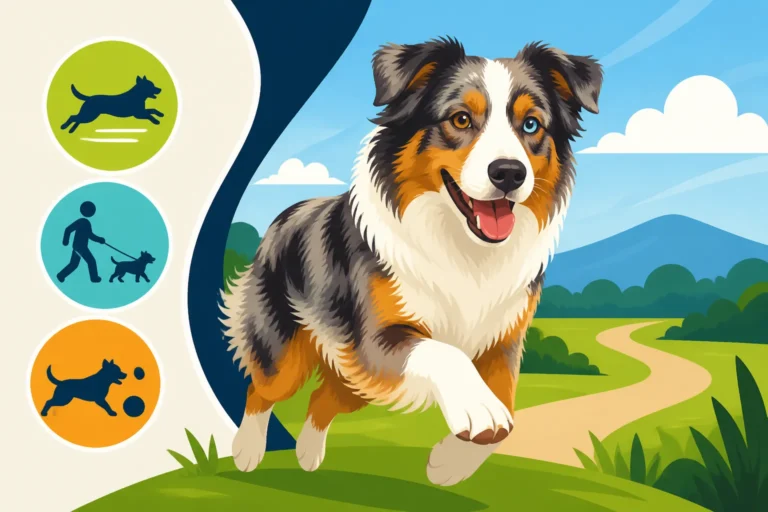
Sometimes, in an attempt to socialize, we accidentally create overarousal. An Australian Shepherd might become too excited by certain stimuli – other dogs, moving vehicles, people jogging – and this excitement can quickly tip over into barking, lunging, or frantic behavior, which is often misinterpreted as aggression. This is Australian Shepherd Reactivity and Overarousal. It's not necessarily fear, but rather an inability to cope with intense stimulation. They're literally over-the-top with excitement or frustration, and they haven't learned how to regulate that emotion.
The key to preventing and managing overarousal is to recognize the signs early: stiff body language, whale eye, excessive sniffing, frantic tugging on the leash, or an inability to take treats. When you see these, you've gone too far. Your best bet is to create distance from the trigger, allow your dog to calm down, and then gradually reintroduce the stimulus at a lower intensity or from a greater distance. Short, positive exposures below their threshold of reaction are much more effective than repeated exposures where they become overstimulated. Consistency is important, and a good online training program, like those offered by BAXTER & Bella, can provide structured guidance for managing these situations.
Fear Periods: Handling Setbacks
As mentioned, fear periods can throw a wrench into even the most carefully planned socialization efforts. Your confident puppy might suddenly become scared of the vacuum cleaner they used to ignore, or bark at a shadow in the corner. It feels like a step backward, and it can be frustrating.
During these periods, it's crucial to be patient and supportive. Don't force your puppy to "get over it." Instead, acknowledge their fear, calmly reassure them (without coddling, which can reinforce the fear), and gently guide them through the situation. Re-expose them to the scary stimulus from a distance, pairing it with high-value treats and praise. For example, if they're suddenly afraid of the trash cans on a walk, cross the street, offer treats as you pass, and gradually decrease the distance on subsequent walks. The goal is to show them that you are their safe harbor, and that new or scary things can be managed. Avoid punishing fear, as this will only intensify their negative associations.
Tools and Resources for Successful Socialization
You don't have to go it alone! There are many resources available to help you make socialization a positive and ongoing experience for your Australian Shepherd.
Online Training Programs and Resources
In today's world, the internet offers a wealth of structured training and socialization guidance, which can be particularly helpful if you live far from in-person classes or prefer to work at your own pace. Programs like BAXTER & Bella offer comprehensive online puppy training and socialization courses that walk you through step-by-step exercises. They often cover crucial topics like polite leash walking, impulse control, and how to introduce new experiences safely, which are all vital for an Australian Shepherd living off the farm. These platforms can provide valuable video demonstrations and a supportive community, allowing you to learn and apply techniques in real-time within your own environment. This structured approach helps ensure you're not missing crucial steps in your puppy's development.
Essential Gear for Safe Exploration
Having the right gear can make a world of difference in your socialization efforts. A comfortable, well-fitting harness is essential, as it reduces pressure on your puppy's neck and allows for better control. For exploration in open, but safe, spaces like large fields or quiet parks where recall is still a work in progress, a long line (15-30 feet) is invaluable. It allows your Aussie to explore scents and experience more freedom of movement while still keeping them safely connected to you. You can find a wide variety of high-quality harnesses and long lines on Amazon, ensuring you have the right tools for your adventures.
Don't forget high-value treats! These are your secret weapon for creating positive associations with new experiences. Think small, soft, and smelly treats that your puppy absolutely loves. A treat pouch worn on your hip makes it easy to dispense rewards quickly. Finally, durable chew toys and puzzle feeders are excellent for providing mental enrichment and redirecting your Aussie's inherent drive in appropriate ways, especially when you're in a new environment and need them to settle or focus. A busy Aussie is a happy Aussie, and sometimes, a good chew can be the best way to help them process new stimuli.
The Journey Continues: Lifelong Socialization
Socialization is not a destination; it's a continuous journey, especially with a breed as intelligent and sensitive as the Australian Shepherd. What you build in puppyhood forms the foundation, but ongoing positive reinforcement is essential.
Maintaining Exposure as They Grow
Even after your Australian Shepherd is past their puppy and adolescent stages, it's important to continue exposing them to new experiences. Take them on different walking routes, visit new pet-friendly stores, introduce them to new, calm people and dogs (always supervised). The world is constantly changing, and regular, positive exposure helps reinforce their confidence and adaptability. This doesn't mean daily trips to crowded places, but rather incorporating varied experiences into your weekly routine. Perhaps a quiet hike in a new area one weekend, a quick trip to the hardware store the next, and a visit from a new friend the week after. Consistent, low-pressure exposure helps prevent your Aussie from becoming stagnant or developing anxieties as they age.
Recognizing and Addressing Changes in Behavior
Pay close attention to your Australian Shepherd's body language. They communicate constantly, and subtle changes can indicate stress, discomfort, or potential issues. A tucked tail, lip licking, yawning, excessive sniffing, or turning away can all be signs that they're feeling overwhelmed or anxious. These are not signs of defiance; they are signs that your Aussie needs your help. If you notice a sudden shift in behavior – for example, they start barking at something they previously ignored, or become withdrawn – it's always wise to rule out any underlying medical issues first. Sometimes, pain or discomfort can manifest as behavioral changes.
Once health issues are ruled out, consider if there's been a change in their environment, routine, or level of exposure. A trainer experienced with herding breeds can be an invaluable resource if you're struggling with reactivity, fear, or overarousal. Remember, seeking help is a sign of a responsible owner committed to their dog's well-being. Continuing to provide structure, mental stimulation (perhaps through Australian Shepherd Scent Work Titles or learning new tricks), and consistent positive reinforcement will help your Australian Shepherd thrive throughout their life, building on the strong foundation of early socialization.
| Socialization Category | Examples of Exposure | Ideal Approach (Puppy) | Signs of Success |
|---|---|---|---|
| People | Different ages, genders, hats, uniforms, wheelchairs, walking aids | Gentle approach, offer treats, no forced interaction, observe from a distance | Puppy calm, takes treats, chooses to approach or ignores politely |
| Sounds | Traffic, sirens, vacuum, doorbell, children playing, thunder recordings | Start low volume, pair with treats/play, gradually increase intensity | Puppy tolerates, shows curiosity, doesn't startle excessively |
| Environments | Parks, pet stores, vet office, quiet streets, gravel paths, slick floors | Short visits, focus on positive associations, allow exploration at own pace | Puppy explores calmly, shows curiosity, recovers quickly from mild startle |
| Objects | Umbrellas, bikes, strollers, trash cans, statues, flags | Introduce at a distance, pair with treats, let puppy investigate if comfortable | Puppy shows mild curiosity, ignores after initial assessment, no fear reaction |
| Other Dogs | Calm, vaccinated, known adult dogs, supervised puppy classes | Short, structured interactions, focus on polite greetings, intervene if play gets rough | Puppy engages appropriately, disengages when tired, shows good body language |
Disclaimer
This article is for general informational purposes only and does not constitute professional advice. Laws, prices and regulations vary by location and change over time. Consult a qualified professional for guidance on your specific situation.