Why an Aussie Double Coat Insulates Against Heat
It’s a common sight during the warmer months: your beautiful Australian Shepherd, with that thick, luxurious double coat, looking like they're ready for a winter wonderland while you're sweating in shorts. Many Aussie owners fret, understandably, about their dog overheating and wonder if they should shave off all that fur. But here’s the thing: that glorious double coat isn't just for looking magnificent or keeping them warm in winter; it's actually a masterclass in natural insulation, helping to keep your Australian Shepherd cool when the temperatures rise. This guide will dive deep into how that incredible coat works its magic against the heat and what you should really be doing to help your Aussie beat the summer sun.
Understanding the Australian Shepherd Double Coat
The Australian Shepherd’s coat is a marvel of natural engineering, perfectly adapted for the varied climates these working dogs often encounter. It's not just one layer of fur; it's a sophisticated system designed to protect them from the elements, whether that's biting cold, harsh sun, or even a sudden downpour. Understanding its structure is key to appreciating how it functions so effectively in all seasons.
The Two Layers: Undercoat and Guard Hairs
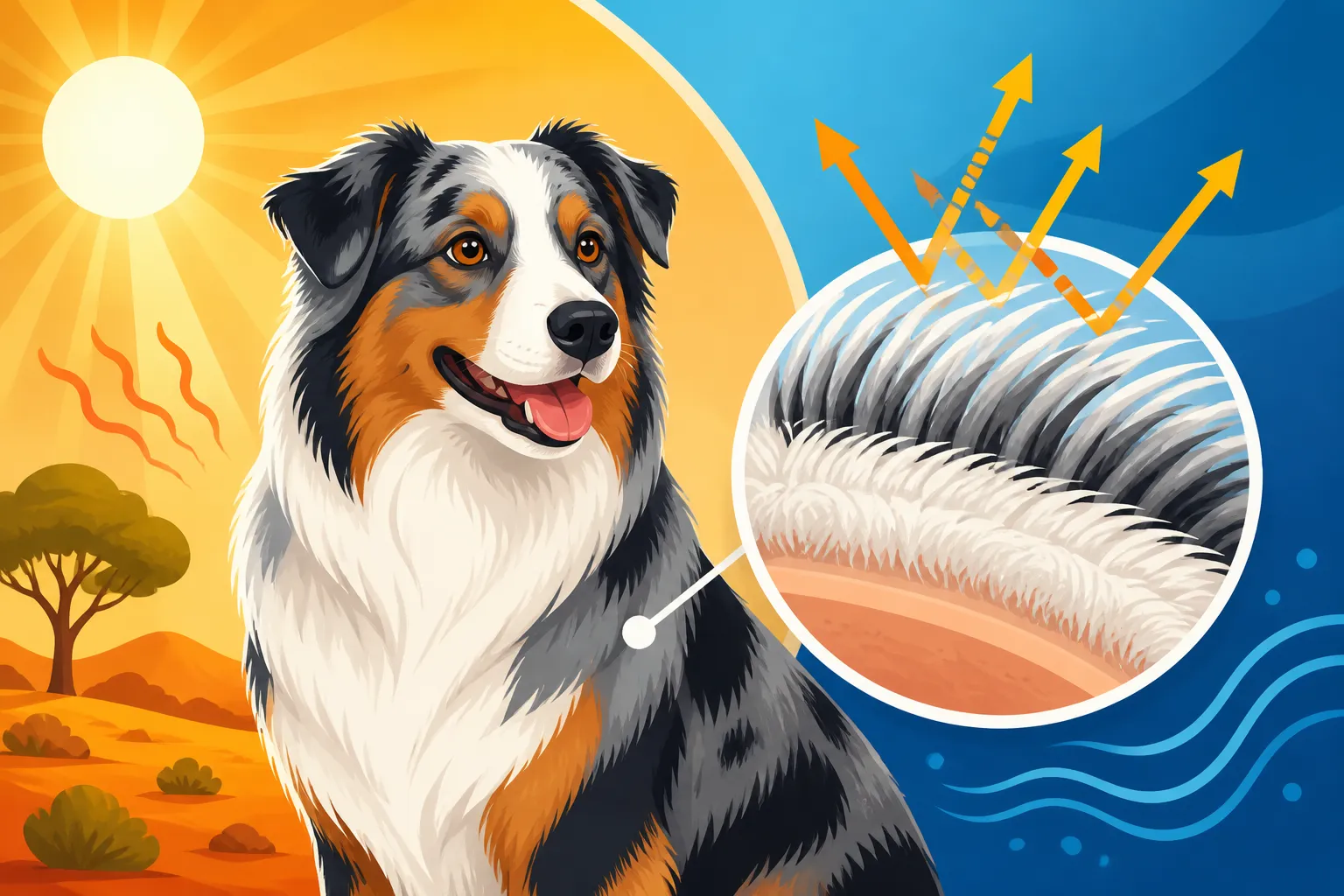
Your Australian Shepherd's coat is precisely what its name implies: a double coat. This means it consists of two distinct layers, each with a crucial role to play. First, you have the undercoat. This is the soft, dense, downy layer that lies closest to your Aussie’s skin. Think of it as a fluffy, insulating blanket. The undercoat's primary job is to trap air, which then acts as a thermal barrier. In winter, this trapped warm air keeps your dog cozy. In summer, and this is where the misconception often arises, this same principle helps prevent external heat from penetrating to the skin. It’s a bit like the insulation in your house – it keeps the heat out in summer and in during winter. The density of this undercoat can vary depending on the individual dog, their lineage, and the climate they're accustomed to, but it's always there, working tirelessly.
Overlaying this soft undercoat are the guard hairs, also known as the topcoat. These hairs are coarser, longer, and more resilient than the undercoat. Their main function is protection. They act like a shield, repelling water, dirt, and debris, and protecting the delicate undercoat and skin from physical damage. The guard hairs also contribute significantly to the dog's overall appearance, giving the Australian Shepherd its characteristic sleek yet full look. They stand slightly away from the body, creating tiny air pockets that are vital for the coat's insulating properties. These guard hairs are what give the coat its "weatherproof" quality, ensuring that whatever the environment throws at your Aussie, their skin remains protected and their body temperature regulated.
How the Double Coat Functions in Different Climates
The beauty of the double coat lies in its versatility. It’s not just a one-trick pony; it adapts to environmental changes, providing essential temperature regulation year-round. In colder climates, or during winter months, the undercoat thickens considerably. The dense, trapped air within the undercoat acts as a superb insulator, preventing body heat from escaping and keeping your Aussie warm, even when temperatures drop well below freezing. It’s their natural winter jacket, designed to brave the elements on a chilly mountain pasture or a frosty morning walk.
Conversely, in hotter climates or during the sweltering summer, the double coat works in a fascinatingly counter-intuitive way for many people. Instead of trapping heat in, it actively helps keep heat out. The thick undercoat creates a thermal barrier that prevents the sun's intense heat from reaching the skin. Simultaneously, the guard hairs, standing slightly off the body, allow for crucial air circulation. This airflow through the coat helps to dissipate heat and moisture from the skin, effectively creating a natural cooling system. Think of it as a sophisticated natural air conditioning unit, maintaining a more stable temperature close to the skin than if the skin were directly exposed to the sun. This is why you'll often hear experienced owners and veterinarians advise against shaving an Aussie: you'd be removing their most effective tool for self-regulation.
The Science Behind Double Coat Insulation Against Heat
It might seem illogical to think that more fur could keep an animal cooler, but the physics and biology behind the Australian Shepherd’s double coat are quite sound. It's all about creating a microclimate close to the skin that is more stable and less susceptible to extreme external temperatures. This natural design offers both a physical barrier and a dynamic cooling mechanism.
Air Circulation and Heat Dissipation
The magic of the double coat in hot weather largely hinges on its ability to facilitate air circulation. The undercoat, while dense, is also fluffy and loose, not tightly packed against the skin. This allows for a layer of air to be trapped and to move freely between the guard hairs and the skin. This trapped air acts as a buffer. Imagine the air space between two panes of glass in a double-glazed window – it slows down heat transfer. Similarly, the air within your Aussie's coat slows down the transfer of heat from the scorching outside environment to their body.
More importantly, this air moves. As your dog moves, or as even a slight breeze passes, the air within the coat is exchanged. This convection process is crucial for cooling. Body heat, generated naturally by your dog, and any moisture from their skin (they sweat minimally through paw pads and primarily cool through panting, but some moisture is still present) can be carried away by this circulating air. The air flow helps to wick away humidity and allows for effective heat dissipation, much like a swamp cooler uses evaporation to cool air. Without this circulating layer, the air trapped close to the skin would quickly heat up and become stagnant, making the dog feel hotter rather than cooler. This is particularly vital for a breed like the Australian Shepherd, known for its high energy and desire to work, even on warmer days.
Protection from UV Rays and Sunburn
Beyond temperature regulation, the double coat offers essential physical protection, particularly from the sun's harsh ultraviolet (UV) rays. Just as we use sunscreen or wear hats and long sleeves to protect our skin, your Aussie’s coat serves as a natural, full-body shield. The dense guard hairs, especially, form a formidable barrier that blocks direct sunlight from hitting the skin. This prevents sunburn, which can be painful for any dog, but especially problematic for those with lighter pigmentation or thinner coats.
Sunburn isn't just uncomfortable; repeated exposure can increase the risk of skin cancer in dogs, just as it does in humans. Areas with less fur, or where the coat is shaved, become highly vulnerable. For example, if an Aussie has a pink nose, that area is more susceptible to solar dermatitis, and a full, healthy coat helps protect other delicate skin. Owners of merle Australian Shepherds, in particular, should be very aware of the protective qualities of the coat, as merle dogs can sometimes have lighter skin pigmentation. A compromised coat, perhaps from shaving, would leave them much more exposed to potential harm. This is also why you rarely see the problems of Nasal Solar Dermatitis on an Aussie Nose in dogs with healthy, intact coats.
Common Misconceptions and the Dangers of Shaving an Aussie
It's completely natural to see your Aussie panting on a hot day and think, "They must be hot! I'll shave them to help them cool down." This impulse, while well-intentioned, is unfortunately based on a common misunderstanding of how their double coat works. In fact, shaving can do far more harm than good.
Why Shaving Does More Harm Than Good
Shaving an Australian Shepherd’s double coat is perhaps the biggest mistake an owner can make when trying to alleviate heat stress. When you shave your Aussie, you strip away both layers of their natural insulation. You remove the protective guard hairs and the dense undercoat that creates the vital air pockets. This doesn't cool them; it actually makes them more susceptible to heatstroke and sunburn.
Here’s why it's so detrimental:
- Loss of Insulation: Without the undercoat, there's no air barrier to prevent external heat from reaching the skin. The skin is directly exposed to the ambient temperature, which means it will heat up much faster.
- Sunburn Risk: The skin, which has never been exposed to direct sunlight, is now utterly defenseless against UV rays. This can lead to severe sunburn, discomfort, and increased risk of skin cancer.
- Compromised Air Circulation: While a shaved coat might seem like it would allow more airflow, it actually disrupts the intricate system the double coat provides for moving air across the skin. Instead, the exposed skin heats up, and there's no mechanism to effectively dissipate that heat.
- Coat Damage and Poor Regrowth: Many double-coated breeds, including Australian Shepherds, experience "clipper alopecia" or "post-clipping alopecia." This means the coat can grow back incorrectly, becoming patchy, coarse, or even failing to grow back at all in some areas. The guard hairs might not regrow at the same rate as the undercoat, leading to a "cottony" texture that offers even less protection and can mat easily. This can permanently ruin the coat's natural texture and function. This is why the advice is so strong against it in articles like Why Shaving an Australian Shepherd Ruins the Coat.
It's a really frustrating situation for owners because you want to help, but the solution often feels counter-intuitive. Trust the coat – it's designed for this.
Proper Grooming for Heat Management
Instead of reaching for the clippers, the best way to help your Australian Shepherd’s coat do its job in the heat is through consistent and proper grooming. The goal is to remove dead and loose undercoat, allowing for maximum air circulation, while keeping the protective guard hairs intact.
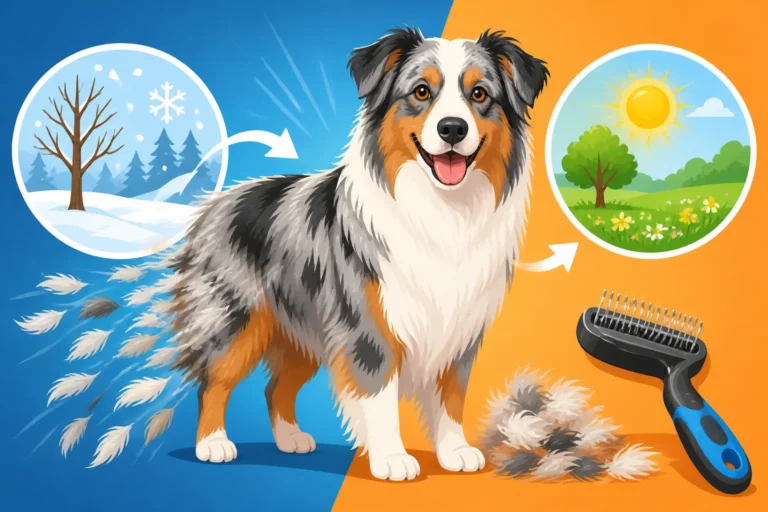
Regular brushing is paramount, especially during the notorious "coat blow" seasons in spring and fall. During these times, your Aussie will shed vast amounts of undercoat. If this dead undercoat isn't removed, it can become matted and trapped, preventing air from circulating and actually trapping heat against the skin.
- Tools of the Trade: Invest in good quality grooming tools. An undercoat rake or a deshedding tool like a Furminator (use sparingly and correctly to avoid damaging guard hairs) can be incredibly effective at pulling out loose undercoat without cutting the guard hairs. A slicker brush and a metal comb are also essential for working through the longer topcoat and checking for mats. You can find a fantastic array of these tools on Amazon or Chewy, making it easy to keep your grooming arsenal stocked.
- Brushing Technique: Aim for several thorough brushing sessions each week, increasing frequency during shedding season. Focus on line brushing, working in sections to ensure you get down to the skin and remove all the dead undercoat. Pay special attention to areas prone to matting, such as behind the ears, under the legs, and in the "trousers" on their hindquarters. This routine is crucial for enabling the coat to function as intended, and you can learn more about it in Brushing an Australian Shepherd Through Coat Blow.
- Bathing and Drying: Regular baths can help remove dirt, debris, and loose hair. However, it's critical to ensure your Australian Shepherd is thoroughly dried after a bath. A damp undercoat can become a breeding ground for skin issues and can actually impede cooling. Using a high-velocity dryer can help blast out water and loose hair, ensuring the coat is dry down to the skin. Remember, Drying an Australian Shepherd Double Coat correctly is just as important as washing it.
By dedicating time to proper grooming, you're not just making your Aussie look good; you're actively supporting their natural ability to regulate their body temperature and stay comfortable in warmer weather.
Practical Tips for Keeping Your Aussie Cool
Even with a perfectly functioning double coat, Australian Shepherds are active dogs and can still overheat in extreme conditions. Their enthusiasm often overrides their common sense, so it’s up to us, their human companions, to implement strategies that keep them safe and cool.
Strategic Exercise Timing and Location
One of the most effective ways to prevent overheating is to adjust when and where your Aussie gets their exercise. High-energy breeds like Australian Shepherds need their mental and physical stimulation, but pushing them during the hottest parts of the day is a recipe for disaster.
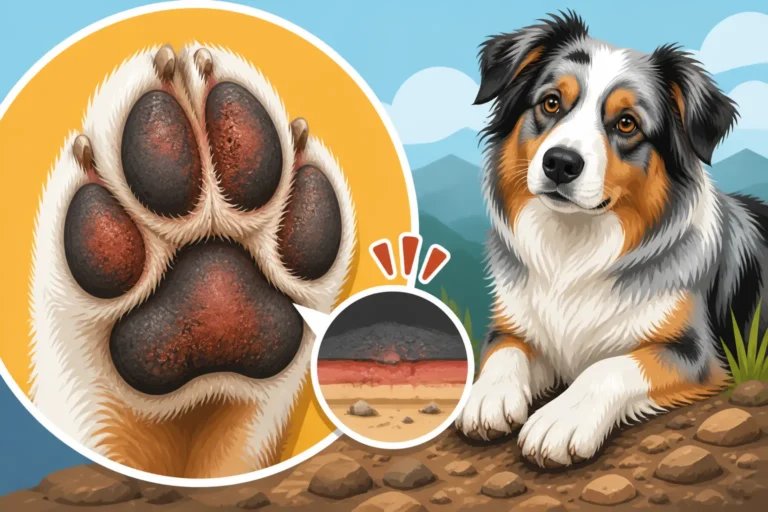
- Beat the Heat: Plan walks, training sessions, and playtime for the early morning hours or late in the evening once the sun has begun to set and temperatures drop. Even if it feels pleasant to you, remember your Aussie is wearing a fur coat, and pavement can retain heat, potentially burning their paw pads. A simple rule of thumb: if the pavement is too hot for your bare hand for five seconds, it’s too hot for your dog's paws.
- Seek Shade and Water: Opt for locations with plenty of natural shade, like wooded trails, or areas near bodies of water. Swimming is an excellent, low-impact way for Aussies to cool down and get exercise. Many Aussies love water, and a good swim can be incredibly refreshing. Just be sure to supervise them closely and ensure they have a safe exit from the water. Explore Exercising an Australian Shepherd Over Eighty Degrees for more insights on keeping them active safely.
- Indoor Enrichment: On truly scorching days, prioritize indoor enrichment. Puzzle toys, training sessions, and interactive games can tire your Aussie's mind even if their body isn't getting a full outdoor workout. Mental exercise is just as important for these intelligent dogs.
Hydration and Cooling Aids
Hydration is non-negotiable, especially when it’s hot. Always ensure your Australian Shepherd has access to fresh, clean water, both at home and on the go.
- Constant Water Access: Have multiple water bowls around the house. When you're out, always carry a portable water bottle and a collapsible bowl for your dog. Brands like Chewy and Amazon offer a wide range of travel water bottles and collapsible bowls that are perfect for walks and adventures.
- Cooling Gear: There's a variety of products designed to help dogs stay cool. Cooling mats (often gel-filled or water-activated), elevated dog beds (allowing air to circulate underneath), and cooling bandanas (soaked in water) can provide significant relief. These can be particularly helpful for dogs that spend time relaxing outdoors or after a light exercise session. Look for options on Amazon or Chewy that are durable and easy to clean.
- Frozen Treats: Ice cubes, frozen Kongs filled with dog-safe treats (like peanut butter or yogurt), or even homemade "pupsicles" can be a welcome and fun way to help your Aussie cool down from the inside out.
Monitoring for Heat Stress
Even with all precautions, it's crucial to know the signs of heat stress and heatstroke in dogs, as they can escalate rapidly and become life-threatening. Australian Shepherds, with their high drive, might not always stop when they should, making your vigilance even more important.
| Sign of Heat Stress | Description | Severity |
|---|---|---|
| Excessive Panting | Much heavier and faster than usual, even at rest. | Moderate |
| Increased Thirst | Drinking large amounts of water very quickly. | Moderate |
| Lethargy or Weakness | Unwillingness to move, stumbling, or overall lack of energy. | Moderate to High |
| Dark Red Gums | Gums that appear brighter red than normal. | High |
| Vomiting or Diarrhea | Can be a sign of internal distress. | High |
| Staggering or Disorientation | Loss of coordination, confusion, or inability to stand. | Severe |
| Collapse or Seizures | Indicates advanced heatstroke and requires immediate emergency intervention. | Critical |
If you notice any of these signs, especially the more severe ones, act immediately. Move your dog to a cooler environment, offer water, and use cool (not ice-cold) water to wet their fur, focusing on the belly, paw pads, and inner thighs. Do NOT submerge them in cold water, as this can cause shock. Get them to a veterinarian immediately. Time is critical when it comes to heatstroke.
By understanding how your Australian Shepherd's magnificent double coat works as a natural cooling system and supplementing that with smart management strategies, you can ensure your devoted companion stays happy, healthy, and comfortable, even when the mercury rises.
Disclaimer
This article is for general informational purposes only and does not constitute professional advice. Laws, prices and regulations vary by location and change over time. Consult a qualified professional for guidance on your specific situation.