Exercising an Australian Shepherd Over Eighty Degrees
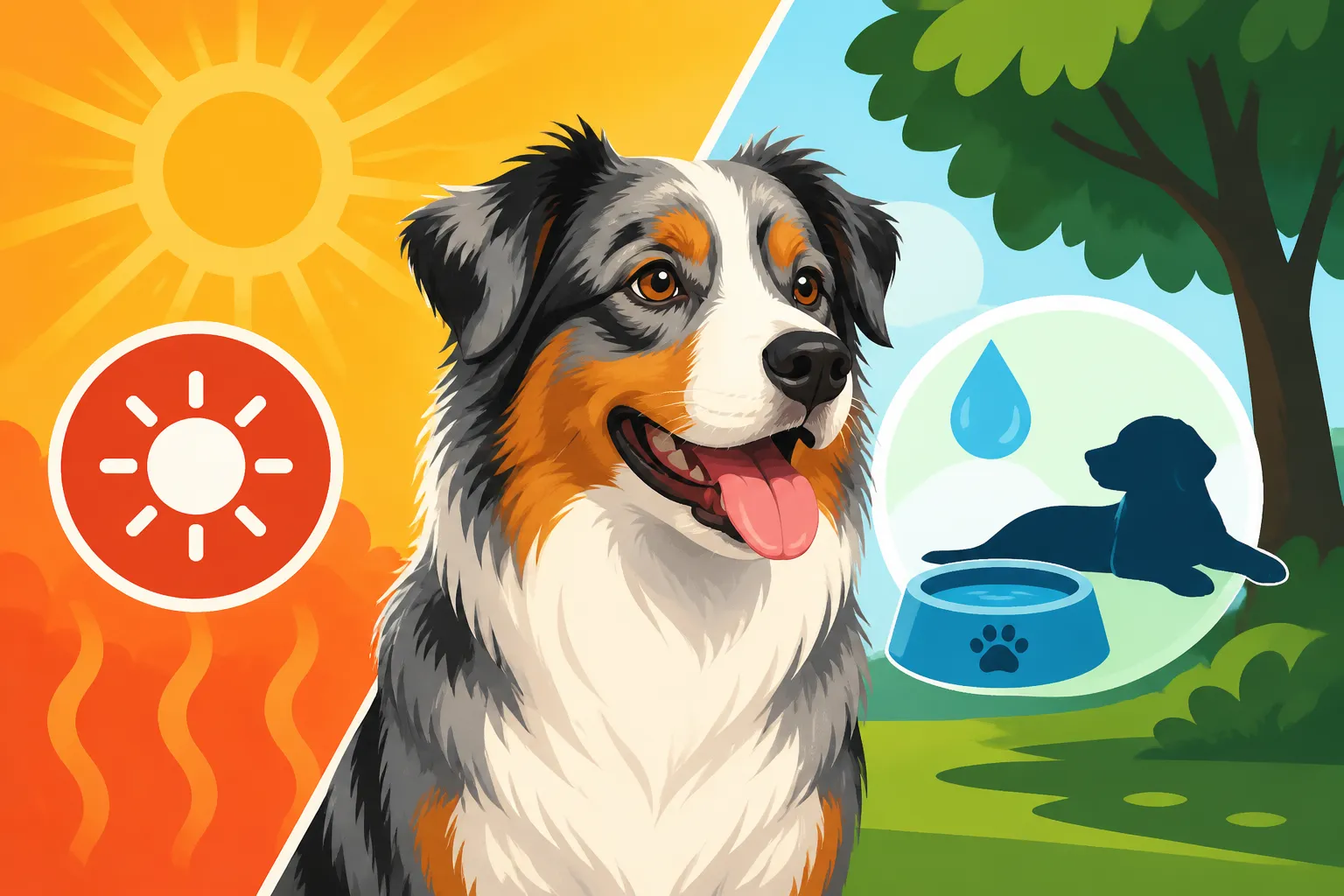
Oh, the summer heat! It's something many of us living with an Australian Shepherd dread. Those glorious, sunny days that scream "outdoor adventure!" to us often whisper "danger!" to our furry, double-coated companions. You love seeing your Aussie race around, but when the mercury climbs above 80 degrees Fahrenheit, even a short burst of activity can turn risky quickly. This guide is here to walk you through exactly why high temperatures pose such a threat to Australian Shepherds and, more importantly, how you can adjust their exercise routine to keep them safe, happy, and healthy when summer is in full swing.
Why Heat is Such a Hazard for Your Australian Shepherd
It's easy to look at our resilient, energetic Aussies and assume they can handle anything. After all, they’re bred for hard work, right? While that's true in cooler climates, their very physiology and work ethic make them surprisingly vulnerable when the temperature soars. Understanding these fundamental reasons is the first step to truly protecting them.
The Double Coat Dilemma
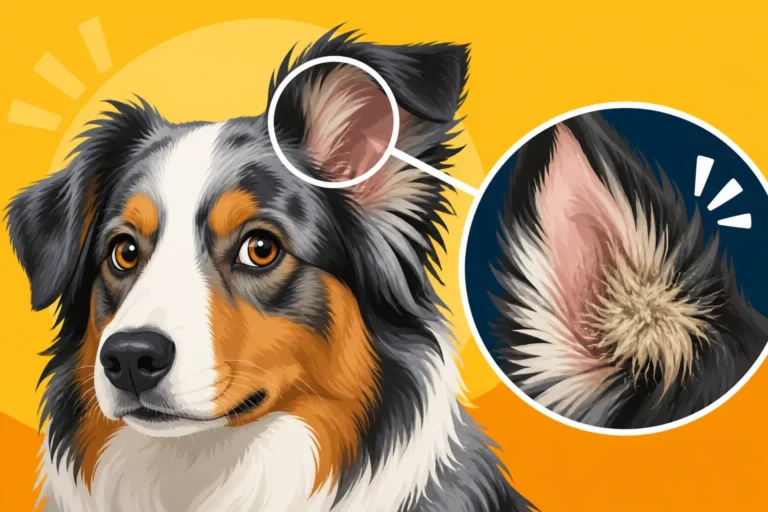
Let's talk about that magnificent coat. It's one of the defining features of an Australian Shepherd: thick, luscious, and designed to protect them from the elements. But this same coat, which insulates them so well against cold and even some sun, becomes a significant liability in high heat. It's a cruel irony, isn't it? That beautiful double coat, with its dense undercoat and coarser outer guard hairs, traps heat right against their body. It's like wearing a heavy wool sweater in July.
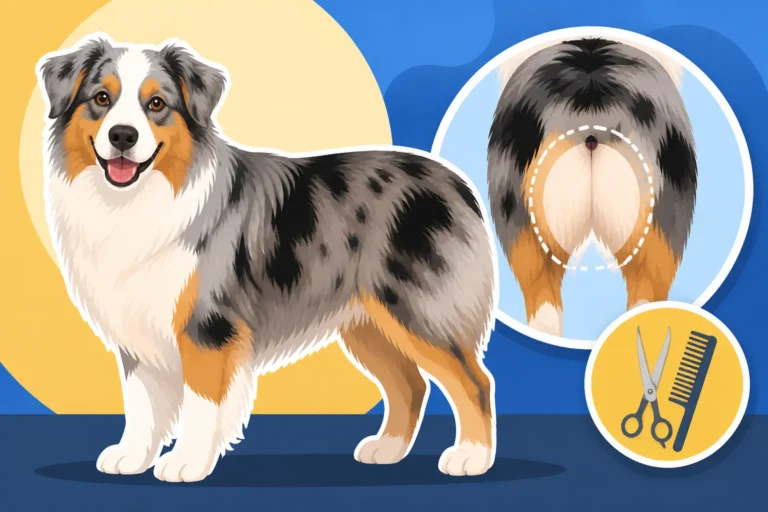
Many people think shaving an Aussie will help, but that's actually a common misconception and can make things worse. Why an Australian Shepherd Should Never Be Shaved goes into this in more detail, but essentially, their coat isn't just for warmth; it also provides a layer of insulation against the heat and protects their delicate skin from sunburn. When you shave it, you remove that natural defense, making them more susceptible to both overheating and sun damage. Instead, the focus should be on managing that coat through regular, thorough brushing to remove loose undercoat, allowing better airflow.
High Energy, High Risk
Australian Shepherds are go-getters. Their breed standard practically screams "active" and "intelligent." This means they have an innate drive to move, to work, and to engage, often at a high intensity. This incredible energy, which is so wonderful in appropriate conditions, becomes a serious risk factor in the heat. A dog exercising vigorously generates a lot of internal body heat. While humans sweat across most of their skin, dogs primarily cool themselves by panting and through the sweat glands in their paw pads.
An Aussie who insists on chasing a ball or herding their canine friends in 85-degree weather will quickly build up a dangerous amount of internal heat that their natural cooling mechanisms simply can't keep up with. Their drive can literally override their body's ability to self-regulate, pushing them into dangerous territory before you even realize they're in trouble. It’s not just physical activity, either; even intense mental focus can elevate their body temperature. This is why Australian Shepherd Exercise in Summer Heat emphasizes understanding the type of activity, not just the duration.
Anatomy That Holds Heat
Beyond their coat and drive, certain anatomical features can also contribute to an Australian Shepherd's vulnerability to heat. While not a brachycephalic (short-nosed) breed like a bulldog, Aussies do have a moderately proportioned muzzle. Dogs with longer muzzles tend to be more efficient at cooling through panting, as they have a larger surface area for heat exchange. An Aussie's muzzle, while adequate for most conditions, isn't as efficient as, say, a sighthound's, meaning they might struggle more than those breeds to dissipate heat quickly through respiration alone.
Furthermore, their relatively compact, muscular build, designed for agility and endurance, means there's a good deal of muscle mass generating heat during exercise. When combined with their double coat and relentless energy, these factors create a perfect storm for potential overheating. Understanding Why an Aussie Double Coat Insulates Against Heat helps you appreciate the full picture of their unique needs.
Recognizing the Red Flags of Heat Stress
One of the scariest things about heat stress in dogs is how quickly it can escalate from mild discomfort to a life-threatening emergency. Because our Aussies are often so stoic and eager to please, they might try to push through discomfort, making it even more vital for us, their human companions, to be vigilant and know exactly what signs to look for.
Early Warning Signs
Catching heat stress early is absolutely critical. Think of these as your Aussie’s subtle (or not-so-subtle) hints that things are getting too warm. The very first thing you’ll likely notice is excessive panting. This isn't just regular panting after a short burst of play; it’s deeper, more rapid, and often accompanied by a wide-open mouth and a tongue that appears larger than usual. They might also start drooling more than normal, as their body tries to cool itself through evaporation.
Another key indicator is a noticeable decrease in energy. Your usually boundless Aussie might suddenly seem lethargic, reluctant to move, or slow down dramatically during an activity they normally love. You might also see them actively seeking shade or cool surfaces, like lying down on tile or concrete. Some dogs will even try to dig at the ground, instinctively trying to get to cooler earth. Don't dismiss these behaviors as just "being lazy" – they are cries for help. If you're out on a walk, check their paw pads carefully. Hot pavement can cause burns, but even without burns, if their pads feel noticeably hot to the touch, it's a sign of overall body temperature elevation. Summer Pavement Under an Aussie Foot elaborates on this danger.
Advanced Symptoms and Emergency Indicators
If the early signs are missed or ignored, heat stress can quickly progress to a much more dangerous stage, bordering on heatstroke. At this point, the symptoms become much more severe and alarming. You might notice their gums and tongue turning a darker red, almost brick-like, or even a pale blue or purple if they're struggling to get enough oxygen. Their panting might become labored, almost gasping, and they may seem disoriented or stumble when they walk. Their eyes might look glazed over.
As their body temperature continues to climb, you could see vomiting or diarrhea, sometimes with blood in it. This indicates internal organ damage. Muscle tremors, weakness, or even collapsing are grave signs that require immediate intervention. The scary part is how quickly these symptoms can appear. One moment they might seem tired, the next they could be collapsing. This rapid progression underscores the importance of monitoring closely. Spotting Heat Trouble in a Working Aussie details these critical signs even further.
What Heatstroke Actually Looks Like
Heatstroke is the most severe form of heat stress and is a true veterinary emergency. When an Aussie is in heatstroke, their body temperature has risen to a dangerous level, typically above 104 degrees Fahrenheit, causing widespread cellular damage and organ failure. The dog will be severely disoriented, possibly unresponsive, or even seizing. Their breathing will be extremely shallow, gasping, or irregular. Their gums might be bright red, or even pale and tacky if they are going into shock.
At this stage, you might even feel their body radiating intense heat to the touch. It's a terrifying sight for any pet parent. The key takeaway here is that heatstroke isn't just about feeling hot; it's about the entire body shutting down due to extreme thermal stress. Every second counts. If you suspect heatstroke, immediate cooling and veterinary care are non-negotiable.
Smart Strategies for Safe Aussie Exercise in Hot Weather
Preventing heat stress is always better than treating it. With a few thoughtful adjustments to your routine and some handy tools, you can ensure your Australian Shepherd still gets the physical and mental stimulation they need, even when the thermometer is climbing.
Adjusting Your Routine for Cooler Hours
This is probably the most straightforward and effective strategy: shift your Aussie's outdoor activities to the coolest parts of the day. This usually means very early mornings and late evenings. A 6 AM walk might sound brutal, but it could be the safest and most enjoyable outdoor time your dog gets all summer. Similarly, a final potty break or light stroll after the sun has set and the pavement has cooled down is far safer than a midday outing.
Even during these cooler hours, pay close attention to the ground temperature. Asphalt and concrete absorb and retain heat, becoming significantly hotter than the ambient air temperature. Place your bare hand on the pavement for five to seven seconds; if it's too hot for your hand, it's too hot for their paws. Opt for grassy areas, shaded trails, or even indoor training facilities if available. Remember, even if the air feels mild to you, your Aussie is wearing a fur coat, and the ground might still be scorching.
Creative Ways to Provide Mental and Physical Stimulation Indoors
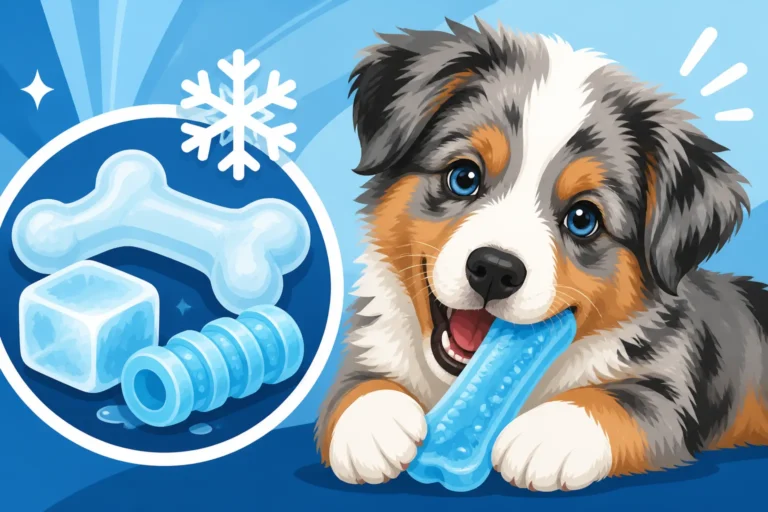
Sometimes, outdoor exercise just isn't an option, and that's okay! Australian Shepherds are incredibly intelligent and thrive on mental challenges just as much as physical ones. This is where you can get really creative. Puzzle toys, especially those that dispense treats, can keep their minds engaged for a good chunk of time. Brands like Chewy and Amazon offer a wide variety of these, from basic sniffle mats to more complex interactive feeders. You can stuff Kongs with safe treats and freeze them for an even longer-lasting activity.
Indoor agility courses using household items (weave between chair legs, jump over a broomstick, tunnel through blankets) can burn energy in a safe, air-conditioned environment. Scent work, where you hide treats or toys around the house for them to find, taps into their natural instincts and is surprisingly tiring. Training new tricks, practicing obedience commands in different rooms, or even a structured game of hide-and-seek can be excellent substitutes for a long hike. The goal is to make them think and problem-solve, which can be just as exhausting as a sprint. For more ideas, check out Indoor Enrichment for a Housebound Aussie.
Hydration and Cooling Aids
Hydration is paramount in hot weather. Always have fresh, cool water available, and consider adding ice cubes to their bowl. If you're out and about, bring a portable water bottle and a collapsible bowl. Australian Shepherd Water Bowls on the Road talks about different options. Some fresh food diets, like those from Ollie, often contain higher moisture content, which can contribute to overall hydration, though it's never a substitute for direct water intake.
Cooling aids can be a game-changer. Cooling vests or bandanas, which you soak in cold water and wring out, can help dissipate heat from their core. Cooling mats, especially those that don't require refrigeration, provide a cool spot for them to lie down indoors or on a shaded patio. Never use ice baths or overly cold water for a severely overheated dog, as this can cause the blood vessels to constrict, trapping heat inside their body and leading to shock. Instead, focus on gradual, moderate cooling. A small, wading pool filled with a few inches of cool (not ice-cold) water can also be a fun and effective way for them to cool down after a light, early morning play session.
Here's a quick comparison of popular cooling aids:
| Cooling Aid | How it Works | Best Use Case | Pros | Cons |
|---|---|---|---|---|
| Cooling Vest/Bandana | Evaporative cooling as water dries | Walks, outdoor activity, pre/post exercise | Portable, active cooling, protects from sun | Needs re-wetting, can get dirty |
| Cooling Mat | Gel or water absorption, draws heat from dog | Indoor resting, car travel, crate | Self-cooling (some), no water needed, reusable | Can be punctured, some dogs chew it |
| Wading Pool | Immersion in cool water | Backyard play, active cooling, fun | Fun, quick cooling, full body contact | Requires space, water, supervision, can make a mess |
| Frozen Treats/Kongs | Internal cooling, mental stimulation | Indoor enrichment, distraction, post-exercise reward | Hydrating, engaging, long-lasting | Can be messy, need to monitor ingredients (no xylitol) |
Paw Protection on Hot Surfaces
We've touched on this, but it bears repeating: hot pavement is a serious threat. Their paw pads are tough, but they're not invincible, and burns can happen shockingly fast. A quick dash across a parking lot can result in painful blisters that take weeks to heal. Always check the ground temperature with your hand. If you must walk them on pavement or other heat-absorbing surfaces, consider dog booties. Brands available on Chewy or Amazon offer protective footwear designed for various terrains and temperatures.
Introducing booties can take some patience. Start by letting them wear them for short periods indoors, gradually increasing the time. Reward them heavily. Eventually, they’ll associate the booties with outdoor adventures and tolerate them better. Even with booties, try to stick to shaded paths or grassy areas as much as possible to minimize their exposure to radiating heat. After any walk on a questionable surface, inspect their paw pads for redness, tenderness, or blistering. Australian Shepherd Paw Pads After Rough Ground covers signs of injury.
When Things Go Wrong: Emergency Response to Overheating
Despite our best efforts, sometimes accidents happen, or the heat can simply be too much for an unsuspecting Aussie. Knowing how to react quickly and effectively can make all the difference between a scary incident and a tragic outcome.
Immediate First Aid Steps at Home
If you suspect your Australian Shepherd is overheating or suffering from heatstroke, the very first thing you need to do is get them to a cooler environment immediately. This means moving them indoors into air conditioning or deep shade. Once they're out of the direct heat, begin active cooling. Use cool (not ice-cold) water to wet their fur, focusing on areas with less fur and good blood flow, like their belly, inner thighs, and paw pads. You can use a hose on a gentle setting or wet towels.
Crucially, do not douse them with ice water or submerge them in an ice bath. Rapid, extreme cooling can cause blood vessels to constrict, which paradoxically traps heat in the body and can lead to dangerous shock. Instead, use cool water and, if you have one, a fan to create evaporative cooling. This is the most effective and safest method. While cooling, keep an eye on their breathing and gum color. Offer small sips of water, but don't force them to drink if they're disoriented or struggling, as they could aspirate it.
Preparing for a Vet Visit
Even if your Aussie seems to be recovering, a vet visit is absolutely essential after a serious overheating incident. Heatstroke can cause internal damage to organs like kidneys, liver, and brain, which might not be immediately apparent. Call your veterinarian or the nearest emergency vet clinic while you are cooling your dog. Tell them you are on your way with a suspected heatstroke case and describe the symptoms and what first aid you’ve administered. This allows them to prepare for your arrival, saving precious time.
Gather any relevant information you might have, such as the exact temperature outside, how long your dog was exposed, what activity they were doing, and what their initial symptoms were. This information will be vital for the vet in diagnosing and treating them. Keep them as cool as possible during transport – crack windows, blast the AC, or continue to apply cool, wet towels. Don't let your guard down until a professional has evaluated your dog. Australian Shepherd Drug Reactions at the Emergency Vet highlights the importance of keeping your vet fully informed of all your dog's conditions and recent events.
Post-Emergency Care and Recovery
After a heatstroke event, your Aussie will likely need several days, or even weeks, of careful monitoring and possibly ongoing medical treatment. Your vet will conduct blood tests to check organ function and may recommend intravenous fluids, medications, or specialized diets. Even if they appear to bounce back quickly, internal damage can take time to manifest.
During recovery, it’s critical to keep them in a cool, quiet environment, restricting strenuous activity for as long as your vet advises. Gradually reintroduce exercise, always adhering to cooler temperatures and shorter durations. Be extra vigilant about future heat exposure; once a dog has suffered from heatstroke, they are often more susceptible to it again in the future. Their body's ability to regulate temperature may be permanently compromised. This is a journey, and patience and strict adherence to vet instructions are your best allies in ensuring your beloved Aussie makes a full and lasting recovery.
Disclaimer
This article is for general informational purposes only and does not constitute professional advice. Laws, prices and regulations vary by location and change over time. Consult a qualified professional for guidance on your specific situation.