Cleaning an Australian Shepherd’s Ears Monthly
Anyone who shares their life with an Australian Shepherd knows the sheer joy they bring, but also the unique challenges. One common frustration many Aussie parents face is dealing with dirty, smelly ears. It seems no matter how much they shake their heads or roll in the grass, that inner ear just begs for attention. This comprehensive guide is here to walk you through everything you need to know about keeping your Australian Shepherd's ears clean and healthy on a monthly basis, helping you avoid uncomfortable infections and costly vet visits.
Why Regular Ear Cleaning is Non-Negotiable for Your Australian Shepherd
It’s easy to think of ear cleaning as an optional chore, something you only do when you spot a problem. But with an Australian Shepherd, that couldn't be further from the truth. Their unique ear structure, combined with their active, outdoorsy lifestyle, makes them particularly prone to ear issues if not regularly maintained. Neglecting their ears isn't just a hygiene oversight; it's an open invitation for discomfort, pain, and potentially serious health problems.
Understanding the Aussie Ear: Prone to Trouble?
If you've ever peered into your Aussie's ear canal, you've probably noticed it's not a simple, open tube. Instead, it makes a distinct "L-shape," diving down vertically before turning horizontally towards the eardrum. This anatomical design, while protective, also creates a perfect little cave for moisture, debris, and ear wax to get trapped. Think about it: every time your Aussie swims, gets caught in the rain, or even just drinks water and splashes a bit, that moisture can settle deep within the canal. Unlike human ears, which are more open and allow for better airflow, the Aussie's ear canal can become a damp, warm, and dark environment—precisely what bacteria and yeast absolutely adore.
Adding to this, many Australian Shepherds have a good amount of hair growing inside their ear canals. This isn't always obvious until you really get in there with a flashlight. This hair acts like a tiny filter, which sounds helpful in theory, but in practice, it often traps more dirt, debris, and shed fur, further hindering airflow and creating even more prime real estate for unwelcome microbial guests. Couple this with their natural desire to roll in anything interesting they find outside—be it dirt, leaves, or mysterious puddles—and you've got a recipe for ear issues brewing. It's a constant battle, and it can feel overwhelming when you're always finding gunk.
The Hidden Dangers of Neglected Ears
When those perfect conditions for bacteria and yeast are met, it’s not long before an ear infection takes hold. These aren't just minor irritations; they can be incredibly painful for your dog. You might start noticing your Australian Shepherd scratching at their ears constantly, shaking their head vigorously, or even tilting their head to one side. The ears might appear red and inflamed, feel hot to the touch, and often, there's a distinct, unpleasant odor. Discharge, ranging from dark brown and waxy to yellowish and pus-like, is also a tell-tale sign. In severe cases, they might cry out when you touch their head or resist having their ears handled at all.
Beyond the immediate pain, chronic or untreated ear infections can lead to more serious complications. The inflammation can thicken the ear canal, making future infections even harder to treat and creating a vicious cycle. Persistent head shaking can even lead to aural hematomas, where blood vessels in the ear flap burst, forming a painful, blood-filled swelling that often requires surgery. And of course, there’s the financial strain. What starts as a simple oversight in hygiene can quickly escalate into multiple vet visits, diagnostic tests, medications, and potentially even surgical procedures. It's far less stressful and significantly more cost-effective to prevent these issues with a consistent monthly cleaning routine. You can learn more about how to spot and treat these problems in our guide on Australian Shepherd Ear Infections. Don't forget, sometimes what looks like an ear issue could be linked to broader Australian Shepherd Skin, Coat and Allergy Problems or even Australian Shepherd Autoimmune Disease.
Gathering Your Aussie Ear Cleaning Arsenal
Before you even think about tackling those ears, it’s crucial to have all your supplies ready and within reach. A frantic search for cotton balls mid-cleaning session can quickly turn a calm experience into a wrestling match. Having everything laid out and prepared helps both you and your Aussie stay relaxed and focused on the task at hand.
Essential Supplies for a Smooth Process
Think of your ear cleaning kit as a small, dedicated toolbox for your Aussie's auditory health. Here’s what you’ll definitely need:
- Veterinarian-Approved Ear Cleaner: This is the star of the show. You need a liquid ear cleaner specifically formulated for dogs. These cleaners are designed to gently break down wax and debris without irritating the sensitive skin inside the ear canal. Look for non-irritating, pH-balanced formulas. Many reputable brands are available through your vet or online retailers like Chewy or Amazon. Avoid anything that isn't specifically labeled for canine use, as human products can contain ingredients that are too harsh or even toxic for dogs.
- Cotton Balls or Large Cotton Pads: These are your primary wiping tools. They are soft, absorbent, and can get into the folds of the outer ear without causing damage. I always recommend avoiding cotton swabs (Q-tips) for cleaning deep inside the ear canal. The L-shape of an Aussie's ear means you risk pushing debris further down or even damaging the eardrum if you go too deep. Cotton balls are perfect for wiping the visible parts of the ear.
- Soft Towel: Have an old towel handy. Your Aussie will almost certainly want to shake their head after you put liquid in their ear, and that towel will be your best friend for catching the spray! It also provides a comforting barrier if your dog is a bit nervous.
- High-Value Treats: Positive reinforcement is key! Have plenty of your Aussie’s absolute favorite treats ready. These aren't just for after the cleaning; they can be used throughout the process to create a positive association with ear handling. Think tiny pieces of cheese, cooked chicken, or special training treats.
- Optional: Headlamp or Small Flashlight: While not strictly essential, a small light can be incredibly helpful for really seeing into the ear canal, especially if your Aussie has dark ear hair or you're trying to spot early signs of irritation or a foreign body like Foxtails in an Australian Shepherd Ear.
Having these items readily available makes the entire process smoother, less stressful, and more effective. You can often find comprehensive kits or individual supplies on platforms like Amazon or Chewy, making it easy to stock up from home.
Choosing the Right Ear Cleaner for Your Sensitive Aussie
Selecting the correct ear cleaner is paramount, especially for a breed like the Australian Shepherd that can sometimes have sensitivities. It’s not just about "any" dog ear cleaner; it's about finding one that effectively cleans without causing irritation or contributing to further problems.
First and foremost, always look for a cleaner that is pH-balanced and alcohol-free. Alcohol, while a good disinfectant, can be extremely drying and irritating to the delicate skin inside the ear canal, especially if your Aussie already has a mild irritation or a tendency towards dry skin. This irritation can actually make them more prone to infection. Similarly, avoid cleaners containing hydrogen peroxide, which can also be too harsh.
Many vets recommend cleaners that contain ingredients like salicylic acid, lactic acid, or ceramides, which help gently break down wax, exfoliate dead skin cells, and maintain skin barrier health. Some even include mild antiseptic agents to help keep bacterial and yeast growth in check. If your Aussie has particularly sensitive skin or a history of allergies, it’s always best to have a chat with your veterinarian first. They can recommend a specific brand or type of cleaner that they trust and know is suitable for your dog's individual needs. They might even have prescription-strength cleaners if your dog has recurring issues. Remember, a quick call or discussion during a routine check-up can save you a lot of grief (and vet bills!) down the line. It's a small but significant detail in your Aussie's overall Australian Shepherd Dental and Ear Routine.
A Step-by-Step Guide to Monthly Ear Maintenance
Now that you've got your supplies, it's time to get down to business. Remember, consistency and a gentle approach are your best friends here. Making ear cleaning a regular, positive experience will set your Aussie up for a lifetime of healthy ears and make the process less stressful for everyone involved.
Setting the Stage for Success and Comfort
Before you even reach for the ear cleaner, take a moment to set the scene. This isn't a race; it's a calm grooming session.
Choose the Right Time: Pick a time when your Australian Shepherd is already relaxed and a bit tired. Perhaps after a good long walk or a vigorous play session, when they're more likely to settle down. Trying to clean the ears of an energetic Aussie who just woke up from a nap or is ready to play will likely be an exercise in futility.
Find a Quiet, Non-Slip Location: A bathroom or kitchen with good lighting is often ideal. Make sure the floor isn't slippery. You might want to sit on the floor with your Aussie, or if they're comfortable on a grooming table, ensure it's stable and has a non-slip mat. The goal is to minimize distractions and create a secure environment where your dog feels safe. If your Aussie is one of those who isn't keen on being handled, checking out tips in Grooming an Aussie That Hates the Table might be helpful for making them more comfortable with the process.
Start with Calm Energy: Dogs are incredibly adept at picking up on our emotions. If you're stressed or anxious about cleaning their ears, your Aussie will feel it and likely become anxious themselves. Take a few deep breaths, speak in a calm, soothing voice, and approach them gently. Offer a few pets and cuddles before you even bring out the supplies. The aim is to create a positive association with handling their ears, so even a few seconds of calm ear handling followed by a treat can be a great warm-up.
The Cleaning Process: Gentle and Thorough
With your supplies ready and your Aussie relatively calm, you can begin the actual cleaning. Remember, gentleness is key.
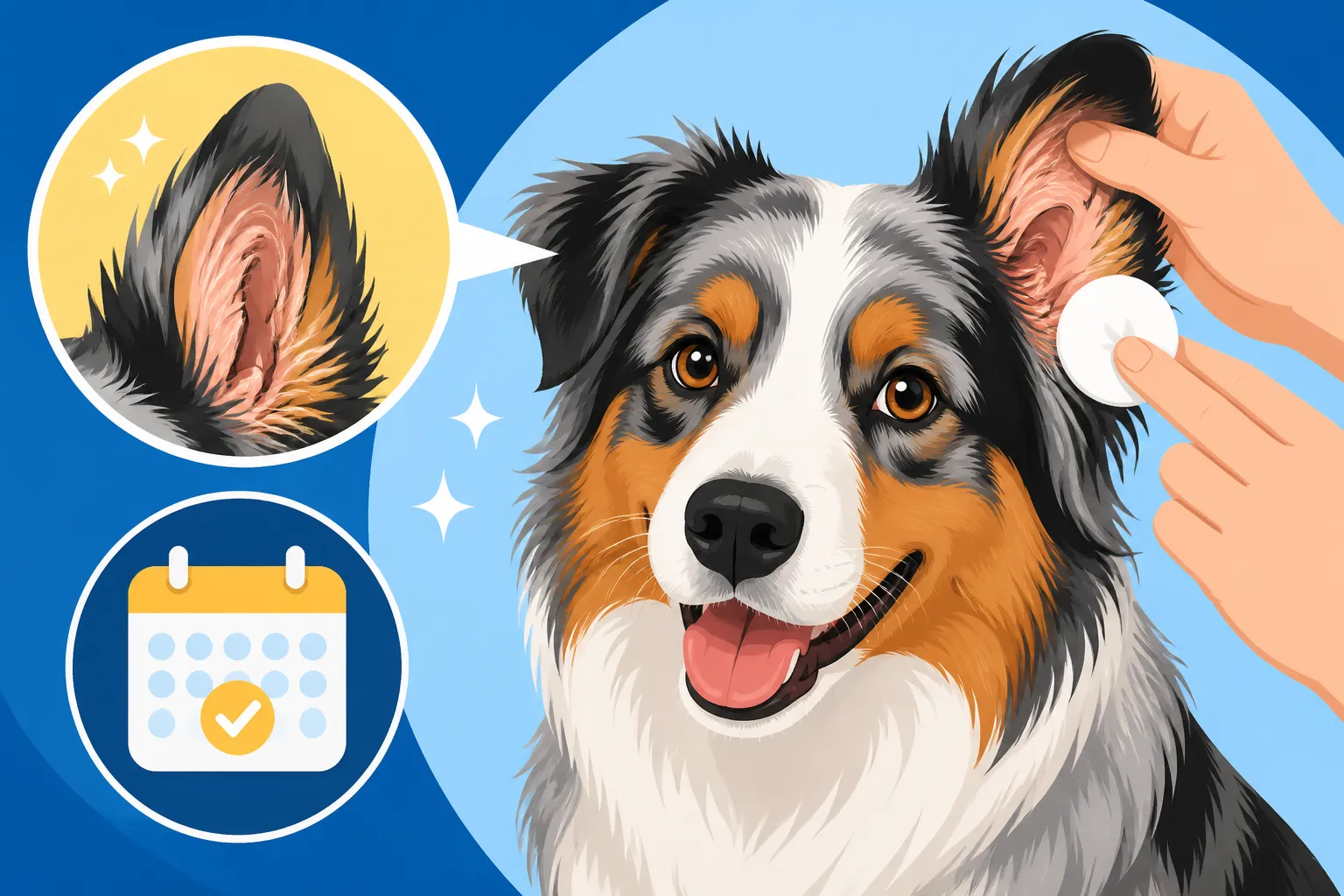
- Examine the Ear: Gently lift your Aussie's ear flap and take a good look inside. What do you see? A little light brown wax is normal, but note any excessive redness, swelling, dark black discharge (which could indicate mites), yellow pus, or a foul odor. If you see any of these, especially accompanied by pain, it’s best to hold off on cleaning and call your vet.
- Apply the Cleaner: Hold the ear flap up and carefully squirt the ear cleaner directly into the ear canal. Don't be shy—you want enough liquid to fill the canal without overflowing. Many bottles have a nozzle designed to prevent you from inserting it too deeply. The aim is to loosen all that gunk down inside.
- Massage the Base of the Ear: This is a crucial step! While the cleaner is in the ear, gently massage the base of your Aussie’s ear for about 20-30 seconds. You should hear a squishing sound, which means the cleaner is working its magic, breaking down wax and debris. This massage helps the cleaner penetrate and dislodge material from the L-shaped canal.
- Allow Them to Shake: Step back and let your Aussie shake their head. This is instinctual and helps bring the loosened debris and excess cleaner out of the ear canal. Have your towel ready to catch the spray!
- Wipe the Visible Parts: After they've had a good shake, take a clean cotton ball or pad and gently wipe the inside of the ear flap and any visible parts of the ear canal. You'll likely see some wax and dirt on the cotton. Continue wiping with fresh cotton balls until they come out relatively clean. Do not try to go deep into the ear canal with the cotton ball or your finger; just clean what you can easily see and reach.
- Repeat if Necessary (Other Ear): If both ears need cleaning, repeat the process for the second ear with fresh supplies.
- Dry Thoroughly: Once both ears are clean, gently use a dry cotton ball or a corner of your towel to wick away any residual moisture from the outer ear and visible canal. Leaving moisture can, as we discussed, create a breeding ground for problems.
Here’s a quick summary table:
| Step | Action | Why It Matters |
|---|---|---|
| 1. Examine | Lift ear flap, check for redness, discharge, odor. | Identify potential infections or problems before cleaning. |
| 2. Apply Cleaner | Squirt veterinarian-approved cleaner into the ear canal. | Loosens wax and debris deep within the L-shaped canal. |
| 3. Massage | Gently massage the base of the ear for 20-30 seconds. | Helps cleaner penetrate and dislodge stubborn gunk. |
| 4. Shake | Allow your Aussie to shake their head naturally. | Brings loosened debris and excess cleaner to the outer ear. |
| 5. Wipe | Use fresh cotton balls/pads to clean visible ear flap and canal. | Removes dirt and wax brought up by the cleaner. Avoid deep insertion. |
| 6. Dry | Gently wipe away any remaining moisture with a dry cotton ball/towel. | Prevents moisture from creating a breeding ground for bacteria/yeast. |
Post-Cleaning Rewards and Observation
You've done it! The cleaning is complete. Now comes the all-important part:
Reward and Praise Extensively: As soon as you're done, shower your Australian Shepherd with praise, petting, and those high-value treats you had ready. Make it a huge celebration! This reinforces the idea that ear cleaning is a positive experience and helps build their tolerance for future sessions. A happy, well-rewarded Aussie is much more likely to cooperate next month.
Observe for Irritation: Keep an eye on your Aussie's ears for the next 24-48 hours. A little bit of residual head shaking might occur, but look for any signs of increased redness, continued scratching, or a new foul odor. While rare with proper technique and appropriate cleaner, some dogs can have a mild reaction to a new product. If you notice any of these signs, discontinue use and consult your vet.
This monthly routine, combined with regular checks for things like Checking an Australian Shepherd for Burrs and Foxtails after outdoor adventures, will go a long way in keeping your Aussie’s ears healthy and happy.
Troubleshooting Common Ear Cleaning Challenges
Even with the best intentions and the right supplies, ear cleaning can sometimes present a few hurdles. It's not uncommon for Aussies, with their sensitive natures and strong wills, to have opinions on having their ears handled. But don't despair! With patience and the right approach, most challenges can be overcome.
Dealing With a Reluctant or Anxious Aussie
Let's be real: not every Australian Shepherd is going to queue up eagerly for ear cleaning time. Some might be nervous, others downright resistant. This isn't a reflection on your training; it's just part of their individual personality, sometimes compounded by an already sore ear or a previous unpleasant experience.
If your Aussie is showing signs of anxiety (cowering, pulling away, growling, snapping, or trying to bite), it’s crucial to take a step back and adopt a gradual desensitization and positive association approach. Trying to force the issue will only make things worse and erode trust.
Here's how you can approach it:
- Start Small: Don't aim for a full cleaning right away. Begin by simply touching their ear flap for a second, then immediately giving a treat and praise. Repeat this many times over several days, gradually increasing the duration of the touch.
- Introduce Tools Slowly: Once they're comfortable with ear touching, bring out the supplies. Let them sniff the ear cleaner bottle (unopened!), touch the cotton ball, and reward them for calm interactions with these items.
- Practice the Motions: Without using any cleaner, go through the motions of lifting the ear, gently rubbing the base, and even pretending to squirt the bottle (just the sound of the click, no liquid). Each successful, calm interaction gets a treat.
- Make it a Game: Associate ear handling with something they love. For example, while they’re enjoying a chew toy or a lick mat, gently handle their ears. This distracts them and builds a positive connection.
- Seek Professional Help: If your Aussie's anxiety is severe, or if you're struggling to make progress, don't hesitate to consult a professional dog trainer or a veterinary behaviorist. They can provide tailored guidance and techniques to help your specific dog. Remember, sometimes a dog's refusal might stem from underlying pain, so if resistance is new or sudden, a vet check is always a good first step.
The key is patience. It might take weeks or even months to build up to a full cleaning session, but building that positive foundation will pay off immensely in the long run.
When to Consult Your Veterinarian
Even with the most diligent monthly cleaning routine, there are times when a professional diagnosis and treatment are necessary. Ear cleaning is preventative and for routine maintenance; it's not a cure for an active infection or an underlying health issue.
You should consult your veterinarian immediately if you notice any of the following signs, even if you’ve just cleaned their ears:
- Persistent Foul Odor: A healthy ear should have minimal to no odor. A strong, persistent, unpleasant smell is a clear red flag.
- Excessive Discharge: Beyond a small amount of dark brown wax, any significant discharge—especially yellow, green, or black, or a sticky, gooey consistency—warrants veterinary attention.
- Redness, Swelling, or Heat: If the ear flap or visible ear canal appears inflamed, swollen, or feels abnormally warm to the touch, it indicates irritation or infection.
- Pain or Sensitivity: If your Aussie vocalizes, pulls away sharply, or acts aggressively when you try to touch their ear, they are in pain and need a vet.
- Head Tilting, Loss of Balance, or Circling: These can be signs of a middle or inner ear infection, which are more serious and can affect balance and even hearing.
- Continuous Scratching or Head Shaking: While some head shaking after cleaning is normal, persistent scratching or shaking indicates ongoing discomfort.
- Changes in Behavior: Lethargy, loss of appetite, or general unwellness accompanying ear symptoms are serious signs.
Sometimes, ear problems can be symptomatic of a larger issue, such as allergies (food or environmental), thyroid imbalances, or even autoimmune diseases. For example, if you suspect Australian Shepherd Autoimmune Thyroiditis, a vet visit is critical. A veterinarian can accurately diagnose the cause of the ear trouble, whether it's a bacterial infection, yeast overgrowth, ear mites, or an underlying allergy, and prescribe the appropriate medication or treatment plan. Don't self-diagnose or try to treat a suspected infection with home remedies, as this can often make matters worse. Your vet is your best partner in ensuring your Australian Shepherd's ears remain healthy and comfortable. Remember, a stitch in time saves nine, and catching issues early saves your Aussie a lot of discomfort and potentially prevents much more serious conditions.
Disclaimer
This article is for general informational purposes only and does not constitute professional advice. Laws, prices and regulations vary by location and change over time. Consult a qualified professional for guidance on your specific situation.