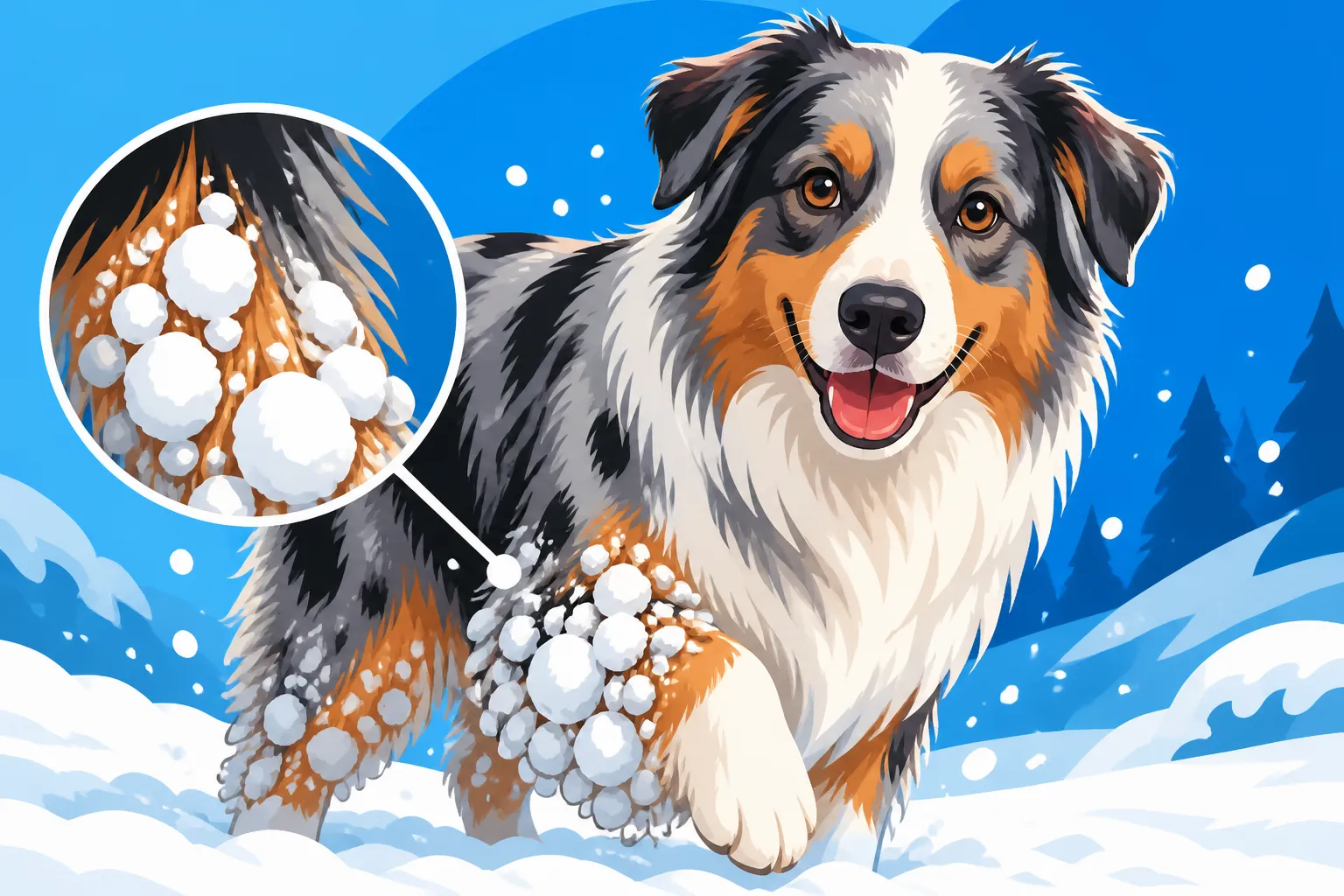
Snowballs Forming in an Aussie Coat
Oh, the joy of a fresh snowfall! It's absolutely magical, isn't it? Until you watch your beautiful Australian Shepherd bound through it, only to return looking like a yeti made of icy spheres. Those tenacious snowballs clinging to their glorious double coat are more than just a minor inconvenience; they can cause real discomfort, pulling at their skin, matting their fur, and making them miserable. This comprehensive guide will walk you through exactly why your Aussie is a snowball magnet and, more importantly, how to prevent those icy clumps from forming and how to safely remove them when they inevitably do.
Why Your Aussie's Coat Is a Snowball Magnet
Australian Shepherds are blessed with a magnificent double coat, perfectly designed to protect them from the elements. But that very blessing can turn into a frosty curse when the snow starts falling. Understanding why those snowballs form is the first step in battling them. It's not just random; there's a science to this winter woe.
The Double Coat's Role in Snowball Formation
An Australian Shepherd's coat consists of two layers: a soft, dense undercoat for insulation and a coarser, water-resistant outer coat. This combination is brilliant for keeping them warm and dry in harsh conditions, but it also creates the ideal texture for snow to latch onto. Think of it like a natural velcro. The fine hairs of the undercoat, especially when mixed with the slightly longer guard hairs, trap moisture and snowflakes. As your Aussie runs, jumps, and rolls, these trapped snowflakes compress, melt slightly from body heat, and then refreeze into solid, icy balls. The longer feathering on their legs, belly, and tail are prime targets because these areas drag through deeper snow and collect more moisture. It's a cruel irony that the very coat designed for outdoor work is also a perfect snowball-making machine.
Temperature, Snow Type, and Your Aussie's Coat Texture
It's not just any snow that causes trouble. You've probably noticed that some snowfalls are worse than others. Heavy, wet snow that's just above freezing is the absolute worst culprit. This type of snow has a higher moisture content, making it stickier and more prone to clumping. Dry, powdery snow, on the other hand, often shakes right off or at least doesn't form those hard, painful ice balls. The ambient temperature plays a huge role; if it's too cold, the snow stays powdery. If it's too warm, it melts. That sweet spot of just-around-freezing is where snowball nightmares are made. Your Aussie's individual coat texture also matters. Some Aussies have slightly softer, more profuse coats that seem to collect snow more readily than those with a harder, slicker outer coat. Even the amount of oil in their coat can affect how easily snow adheres, highlighting the importance of a healthy diet and Australian Shepherd Skin, Coat and Allergy Problems.
Preventing Snowballs Before They Start
The best offense is a good defense, especially when it comes to snowballs on your Aussie. Proactive measures can save you a lot of time, frustration, and your dog a lot of discomfort after a winter walk.
Strategic Grooming and Trimming
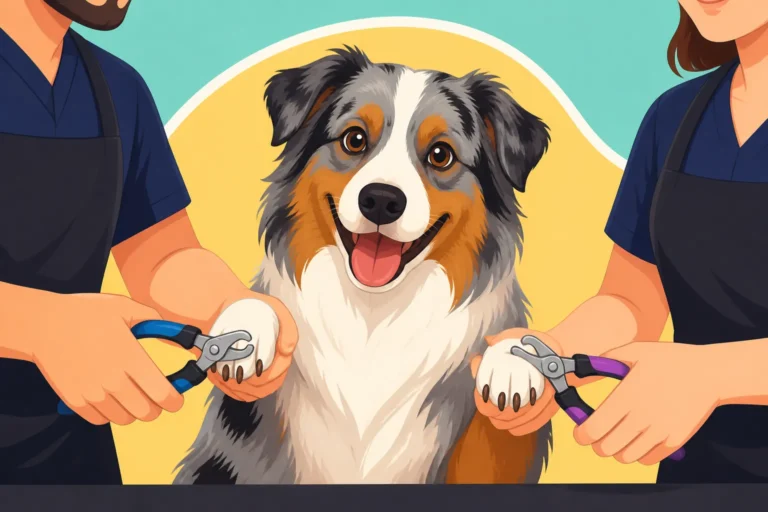
Before winter truly sets in, consider a strategic trim for certain areas. While you should absolutely never shave your Australian Shepherd – it can ruin their double coat's insulating properties and make them more susceptible to both cold and sunburn – a careful trim of the longer feathering on their legs, paws, and belly can significantly reduce the surface area for snow to cling to. Use blunt-nosed scissors or clippers on a longer guard comb setting to tidy up the fur between their paw pads, around their hocks, and along the undercarriage. This isn't about altering their natural appearance but about creating a less hospitable environment for snow. Regular brushing throughout the winter is also crucial. A well-maintained, tangle-free coat has fewer places for snow to grab onto. Investing in a good undercoat rake can help manage shedding and keep the coat less dense, which in turn might reduce snow accumulation.
Protective Gear and Balms
Sometimes, you need a little extra help. Dog boots might seem like overkill to some, but for an Aussie who loves to frolic in deep snow, they can be a game-changer. Not only do they protect paw pads from ice melt chemicals and sharp ice, but they also prevent snow from clumping between their toes. It takes some getting used to, so introduce them gradually with treats and short sessions indoors first. For areas where boots aren't practical, like bellies and chest, a protective coat or snowsuit can be incredibly effective. Look for water-resistant options that cover the susceptible areas. For exposed areas of longer fur, like the "trousers" on their hind legs or the feathering on their chest, applying a thin layer of a pet-safe balm or even coconut oil can create a barrier. This creates a slick surface that makes it harder for snow to adhere and easier to brush off. You can find excellent balms and paw waxes from retailers like Chewy or Amazon.
Here's a quick comparison of popular prevention methods:
| Method | Primary Benefit | Best For | Considerations |
|---|---|---|---|
| Strategic Trimming | Reduces surface area for snow to cling | Paws, leg feathering, belly | Requires careful technique; never shave entire coat |
| Protective Balms/Oils | Creates a slick, non-stick surface | Leg feathering, belly, chest | Needs reapplication; can be greasy |
| Dog Boots | Prevents snow clumping on paws; protects pads | Paws | Takes time for dog to adjust; can fall off if not fitted |
| Dog Coats/Suits | Covers large areas of sensitive fur | Belly, chest, back | May limit range of motion; can get wet/heavy |
| Regular Brushing | Removes loose fur; prevents tangles | Entire coat | Essential year-round; helps snow shed easier |
Safely Removing Snowballs from Your Aussie
Despite your best efforts, sometimes those snowballs are just going to happen. When your Australian Shepherd comes trotting back in, shivering slightly and looking like they've battled a blizzard, it's time for safe and gentle removal. Ripping them out is not an option; it's painful and can damage their delicate skin and coat.
The Gentle Thaw and Detangle Method
The quickest and kindest way to deal with snowballs is to bring your Aussie into a warm spot, like a bathtub or a towel-lined area, and let the snow melt naturally. You can speed this up by applying warm (not hot!) towels to the affected areas. As the snow softens and melts, the ice balls will begin to break apart. Once they're mostly melted and the fur is just damp, you can gently use your fingers to pull apart any remaining clumps. Follow up with a wide-toothed comb to carefully detangle the damp fur. Always work from the ends of the fur towards the skin, supporting the skin at the base of the hair to avoid pulling. This method is slow but minimizes discomfort for your dog. For particularly stubborn areas, a quick spritz of dog-safe detangling spray can also help the comb glide through.
Using the Right Tools for Stubborn Clumps
Sometimes, waiting for a melt isn't practical, or the clumps are truly frozen solid. In these cases, you'll need a few specific tools. A hairdryer on a cool or low heat setting can be used to gently warm and melt the ice, but be extremely careful not to burn your dog's skin, which can happen surprisingly fast, especially with thick coats. Keep the dryer moving constantly.
For mechanical removal, avoid sharp objects. A de-matting tool with blunt teeth or a sturdy comb can be used to carefully chip away at the ice. Hold the fur closest to the skin with one hand to minimize pulling, and gently tap or scrape the ice balls with the tool. Another trick is to crush the ice balls by hand, carefully breaking them into smaller, more manageable pieces before combing them out. Some owners even use a small, blunted scissors (like those used for trimming eyebrows or children's hair) to gently break the ice by squeezing the handles around a small section of fur without cutting the hair itself. This takes extreme caution and a very cooperative dog. Remember, patience is key. If your dog is getting stressed, take a break. You don't want to make future grooming sessions a battle. Retailers like Chewy offer a range of grooming tools perfect for this, and you can find specialized combs and de-matting tools on Amazon. After you've successfully removed the snowballs, it's a good idea to check their paws for any damage, as discussed in Australian Shepherd Paw Pads After Rough Ground.
Aftercare and Ongoing Winter Coat Management
Once the snowballs are gone, your work isn't quite over. Proper aftercare ensures your Aussie stays comfortable and their coat remains healthy through the winter months. This is also where you refine your long-term strategy for managing their magnificent, yet snow-prone, fur.
Post-Snowball Routine
After you've successfully de-snowballed your Australian Shepherd, give them a good, thorough check-over. Look for any signs of skin irritation, redness, or bruising where the snowballs may have pulled. Dry them completely with a towel, paying special attention to the areas where the snowballs formed, as damp fur can lead to skin issues or hot spots. A final brush-through with a slicker brush or a pin brush will help ensure their coat is smooth and tangle-free. If you noticed any minor mats that were revealed after the snowballs were gone, gently work those out with a detangling spray. It’s also wise to check their ears, as ice and moisture can sometimes lead to Australian Shepherd Ear Infections.
Maintaining Coat Health Through Winter
A healthy coat is your first line of defense against future snowball attacks. Continue your regular grooming routine, including brushing several times a week, throughout the winter. This prevents mats and keeps the undercoat from becoming overly dense, which can exacerbate snow clumping. Consider using a moisturizing dog shampoo and conditioner during baths to keep their skin and coat hydrated, especially if the dry winter air is an issue. A well-hydrated coat may repel snow a little better than a dry, brittle one. Ensure your Aussie is getting a high-quality diet, which contributes to overall coat health. Supplementing with a good fish oil can also boost coat luster and skin health, making the fur more resilient to environmental challenges. Remember that even in winter, your Australian Shepherd needs plenty of exercise. For tips on managing their energy in colder weather, check out Australian Shepherd Exercise in Snow and Cold. If you live in an area with particularly harsh winters, you might also consider what specific Cooling Kit That Works Under an Aussie Coat might be adapted for winter warmth or protection if your dog spends extended time outdoors.
Ultimately, dealing with snowballs is just another part of being a dedicated Australian Shepherd parent. It requires a bit of patience, the right tools, and a proactive approach, but ensuring your furry friend is comfortable and happy in all seasons is well worth the effort.
Disclaimer
This article is for general informational purposes only and does not constitute professional advice. Laws, prices and regulations vary by location and change over time. Consult a qualified professional for guidance on your specific situation.