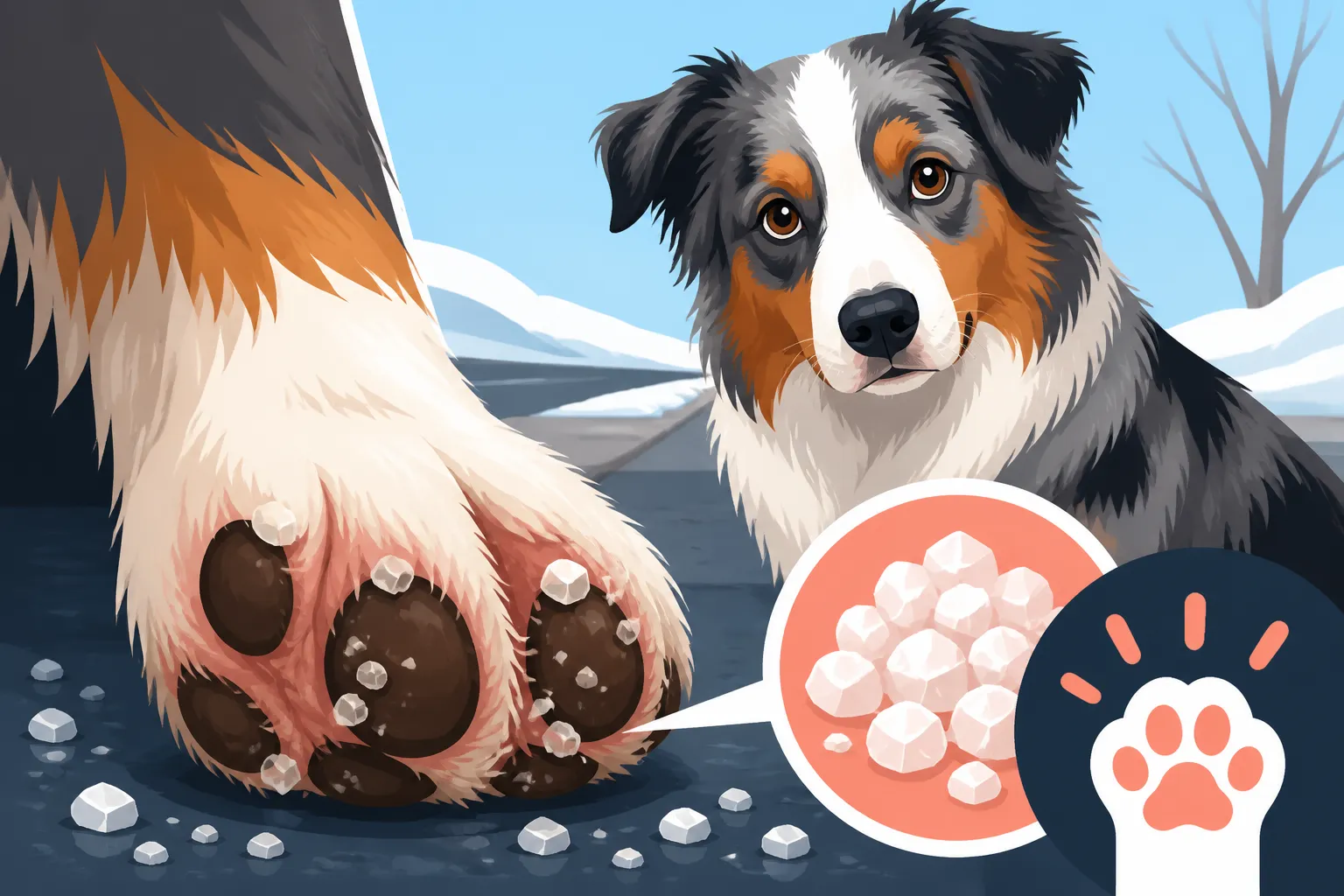
Road Salt in an Aussie’s Feathered Paws
Few things make your heart sink faster than seeing your Australian Shepherd start limping, licking their paws incessantly, or holding a foot up in pain after a seemingly innocent winter walk. The culprit is often hidden in plain sight: road salt. This guide is here to walk you through exactly why road salt is so damaging to your Aussie's sensitive, feathered paws, and what practical steps you can take to protect them, treat irritation, and keep your beloved companion comfortable all winter long.
Understanding the Threat: Why Road Salt Is So Nasty for Aussie Paws
Road salt isn't just irritating; it's a multi-pronged attack on your Australian Shepherd's delicate paw pads and the beautiful feathering between their toes. It’s designed to melt ice, and it does that by lowering the freezing point of water, often through harsh chemicals. When this mixes with slush and freezing temperatures, it creates a truly hostile environment for any dog's paws, but especially for an Aussie with their longer hair around the feet.
The Chemical Burn and Dehydration Factor
Imagine walking barefoot on a surface covered in a mix of abrasive granules and caustic chemicals – that's what road salt can feel like for your Aussie. Many de-icing agents contain rock salt (sodium chloride), magnesium chloride, or calcium chloride. These substances are highly corrosive and hygroscopic, meaning they pull moisture from whatever they touch. This leads to a severe drying effect on the paw pads, causing them to crack, peel, and become incredibly painful.
The immediate reaction isn't just drying; it's often a chemical burn. You might notice your Aussie lifting a paw as if burned, or frantically licking at their feet during or after a walk. This isn't just discomfort; it's actual tissue damage occurring. The salt crystals themselves can also be sharp and abrasive, causing tiny cuts and abrasions that then become entry points for the chemicals to cause further irritation and potential infection. This combination of chemical burn and dehydration can quickly turn a simple walk into a painful ordeal, and it's a major reason why many Aussies develop tender, raw paws in winter.
Trapping Salt in Feathered Paws
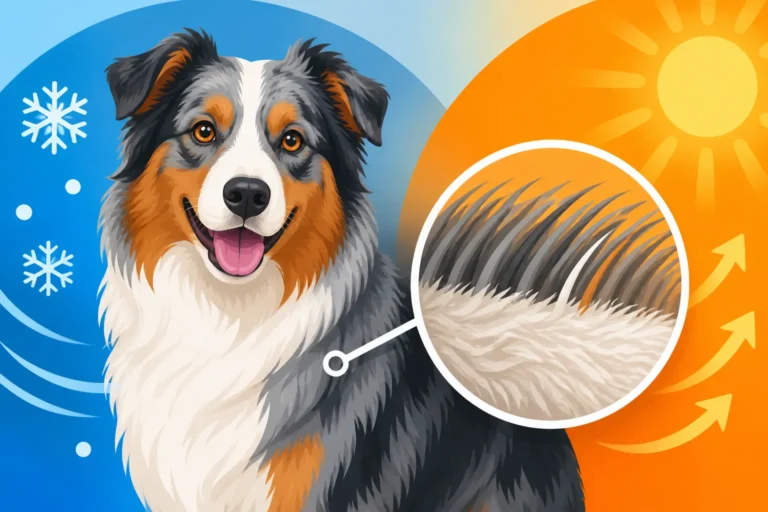
One of the unique challenges Australian Shepherd owners face is their dog's beautiful, yet practical, feathered paws. These longer tufts of hair around the pads and between the toes are fantastic for providing extra insulation in snow, but they become a nightmare when it comes to road salt. The salt crystals, along with ice balls, get easily trapped in this hair.
Once trapped, the salt isn't just in contact with the paw pads; it's also sitting directly against the sensitive skin between the toes. This prolonged contact intensifies the chemical burning and drying effects, often leading to deep cracks, inflammation, and sometimes even ulcerations in these hard-to-reach areas. It also means that even after you come indoors, the salt isn't easily shed. Your Aussie will naturally try to lick it off, which brings us to another significant problem: ingestion. The longer hair simply gives the salt more places to cling, magnifying the problem compared to breeds with short, tight coats. You need to be extra vigilant with checking and cleaning your Aussie's paws after any exposure, even a short one.
Ingestion Risks from Licking
It’s almost a guarantee that after walking on salted surfaces, your Australian Shepherd will try to clean their paws by licking them. This might seem innocent enough, but ingesting road salt can lead to serious health issues. The chemicals in de-icing salts are not meant for internal consumption.
When an Aussie ingests enough of these salts, it can cause gastrointestinal upset, manifesting as vomiting and diarrhea. In more severe cases, especially if a large amount is consumed or if the dog is particularly sensitive, it can lead to sodium ion poisoning. Symptoms of salt poisoning can range from excessive thirst and urination to lethargy, incoordination, seizures, and even kidney damage. If you notice your Aussie is showing any concerning symptoms after a walk where salt was present, especially excessive vomiting or neurological signs, it's crucial to contact your veterinarian immediately. It’s a terrifying thought, but even a small amount of concentrated salt over time can build up and cause problems. This is why preventing salt exposure and thoroughly cleaning paws are not just about comfort, but about your dog's overall health. You can read more about what to do if your puppy gets an upset tummy in Australian Shepherd Puppy Diarrhea After Homecoming.
Preventative Paw Care: Before You Step Outside
The best defense against road salt damage is a good offense. Taking a few proactive steps before you even head out the door can make a world of difference for your Australian Shepherd's paw health, especially when facing those harsh winter conditions. Investing a little time in prevention saves a lot of pain and vet bills later.
Booties: The Ultimate Barrier
When it comes to creating an impermeable barrier between your Aussie's paws and the salt-laden ground, booties are your best bet. Think of them as tiny, durable shoes for your dog, offering complete protection from chemicals, ice, snow, and rough surfaces. However, getting an Australian Shepherd to accept booties can be a bit of an adventure, to say the least! Many dogs find them initially awkward and will do the "bootie dance" or try to shake them off.
Start by introducing booties slowly indoors, allowing your Aussie to wear them for short periods, gradually increasing the time. Offer lots of praise and high-value treats to create a positive association. Look for booties designed for durability and a good fit, with adjustable straps to prevent them from slipping off mid-walk. Brands like Ruffwear or Pawz (the balloon-like ones) are popular choices, and you can find a wide selection on sites like Amazon or Chewy. Ensure they cover the entire paw and go high enough to protect the delicate skin and feathering above the pads. It might take a few tries to find the right style and size that your individual Aussie tolerates, but once they're used to them, booties provide unparalleled protection. It's truly worth the effort to desensitize them to this vital piece of winter gear.
Paw Balms and Waxes: A Protective Layer
If booties aren't a practical option for your Australian Shepherd, or if you're looking for an extra layer of defense, paw balms and waxes are excellent alternatives. These products create a protective, moisturizing barrier on your Aussie's paw pads, shielding them from the drying and irritating effects of road salt, as well as snow and ice. They also help prevent ice balls and salt from sticking directly to the fur between the toes.
Apply a generous amount to all four paw pads and work it into the fur between the toes before heading out. Look for balms made with natural, non-toxic ingredients like beeswax, shea butter, or various oils, as your Aussie will inevitably lick some of it off. Musher's Secret is a long-standing favorite, originally developed for sled dogs, and other excellent options are readily available from brands that focus on natural pet products. These can be easily ordered from Chewy, which often has a great variety to choose from, or found locally at pet supply stores. While balms provide a good shield, remember they aren't as foolproof as booties for preventing all salt contact, so combine them with diligent cleaning after every walk.
Trimming Feathered Paws: Reducing Traps
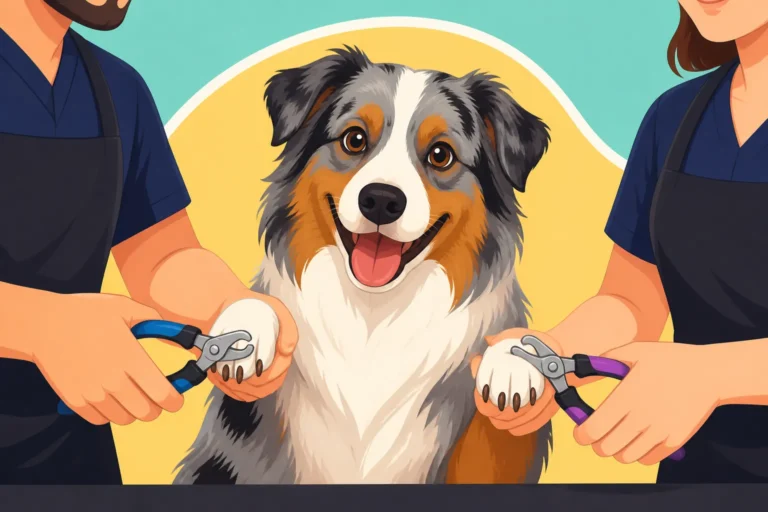
As mentioned, your Australian Shepherd's lovely feathered paws, while charming, can become a magnet for road salt, ice, and snow. Keeping the hair between and around their paw pads neatly trimmed can significantly reduce the amount of debris and salt that gets trapped. This simple grooming step makes cleaning much easier and reduces prolonged exposure to irritants.
Use blunt-nosed scissors or a small electric trimmer specifically designed for pets. Carefully trim the hair flush with the paw pads, being very cautious not to cut the pads themselves or the delicate skin between the toes. You'll want to gently push the paw pads apart to get to the hair nestled deep inside. Many Aussies find this sensitive, so take it slow, do it in short sessions, and make it a positive experience with treats and praise. If you're unsure or uncomfortable doing it yourself, ask your groomer to perform a "paws and pads" trim during your regular grooming session. This practice is also helpful for preventing Grass Seeds Working Into an Australian Shepherd Paw in other seasons, so it's a good habit to establish year-round. Regular trimming ensures less salt and fewer ice balls cling to their feet, making their winter walks much more pleasant.
Here's a quick comparison of preventative methods:
| Method | Protection Level | Ease of Application | Aussie Acceptance | Primary Benefit | Cons |
|---|---|---|---|---|---|
| Booties | High | Moderate (once trained) | Varies (can be tricky) | Full barrier against salt, ice, and chemicals | Training required, can slip off, some dogs hate them |
| Paw Balms/Waxes | Moderate | Easy | High | Creates protective, moisturizing barrier | Not a full barrier, requires frequent reapplication |
| Pads Trimming | Indirect | Moderate | Good (if introduced slowly) | Reduces trapping of salt and ice | Requires regular maintenance, risk of nicks |
Immediate Aftercare: What to Do the Moment You Get Home
Prevention is crucial, but even with the best efforts, some road salt will inevitably make its way onto your Australian Shepherd's paws. The moment you step back inside, a quick and thorough paw clean-up routine is your next line of defense. This prevents prolonged exposure, reduces the risk of ingestion, and keeps your Aussie much more comfortable.
Rinsing and Washing Paws Thoroughly
This is non-negotiable after any walk on salted surfaces. The goal is to remove all traces of road salt as quickly as possible. Have a dedicated paw-washing station near your door – a shallow basin, a bucket, or even just a warm, damp towel. Use lukewarm water; cold water can be uncomfortable on already irritated paws, and hot water can worsen any chemical burns.
For very salty walks, consider using a dog-specific paw wash or a mild, pet-safe soap. Gently but thoroughly wash each paw, paying special attention to between the pads and within the feathered hair. Work your fingers in to ensure all salt crystals are dissolved and rinsed away. If you have a particularly fluffy Aussie, you might need to run their paws under a gentle stream of water to fully dislodge everything. This immediate rinse not only removes the salt but also prevents your Aussie from licking it off and ingesting it. Having a special bottle of paw wash, perhaps a brand easily found on Amazon, can make this routine even more effective. This is a crucial step in Australian Shepherd Paw and Coat Care After Fieldwork, particularly in winter.
Drying Completely and Inspecting for Irritation
Once the paws are thoroughly rinsed, the next critical step is to dry them completely. Leaving moisture between the pads can lead to skin irritation, fungal growth, or exacerbate existing issues. Use a soft, absorbent towel and gently pat each paw dry, making sure to get deep into the fur between the toes. Some owners even use a low-setting hairdryer (specifically for pets) to ensure complete dryness, but always check the temperature with your hand first to prevent burns.
After drying, take a moment to carefully inspect each paw. Look for any signs of redness, swelling, cracking, or cuts on the paw pads and between the toes. Gently spread the toes apart to check the often-overlooked areas where irritation might be hiding. If you notice any salt crystals still clinging to the feathering, you might need to use a fine-tooth comb to tease them out or a damp cloth to wipe them clean. This inspection helps you catch any minor issues before they become major problems, allowing you to address irritation quickly. This attention to detail is essential, much like Australian Shepherd Dental and Ear Routine helps prevent problems in other areas.
Applying a Soothing Balm
If your Australian Shepherd's paws seem a bit dry or you've noticed some minor redness after your walk, applying a soothing paw balm is the perfect follow-up. Even if you used a protective balm before the walk, the rinse will have washed it away, so reapplying after cleaning helps restore moisture and soothe any potential irritation.
Choose a balm with healing and moisturizing properties, such as those containing calendula, vitamin E, or coconut oil. Gently massage the balm into the paw pads and the skin between the toes. This not only provides relief but also helps to condition the skin, making it more resilient to future exposure. Regular application, especially during the winter months, can help prevent cracking and keep your Aussie's paws soft and healthy. You can find many excellent, natural paw balms available through retailers like Chewy that are specifically formulated for this purpose. Consistent care after every outing can prevent serious issues from developing, which is important for your Aussie's overall comfort, especially if they have sensitive skin as discussed in Australian Shepherd Skin, Coat and Allergy Problems.
Dealing with Damage: Healing and When to See the Vet
Sometimes, despite our best efforts, road salt can cause more than just minor irritation. Cracked paw pads, raw spots, or even signs of infection require prompt attention. Knowing how to provide first aid and when to escalate to veterinary care is crucial for your Australian Shepherd's well-being.
Treating Minor Irritations and Cracks
For mild redness, dryness, or small cracks, home care can often make a big difference. The first step, as always, is a thorough cleaning with lukewarm water and a mild, pet-safe soap, followed by complete drying. Once clean and dry, apply a generous amount of a healing paw balm or a pet-safe antiseptic cream. Products containing zinc oxide (like some diaper rash creams, but ensure it's zinc oxide only and check with your vet first) or aloe vera can be very soothing, but always confirm they are safe for ingestion, as your Aussie will likely lick at the area.
You might need to cover the paw with a light, breathable bandage or a sock to keep your Aussie from licking off the balm and to protect the healing skin. Change bandages daily, cleaning and reapplying balm each time. Keep walks short and avoid salted surfaces as much as possible until the paws are fully healed. Consider using booties for all outdoor excursions to give the damaged skin a chance to recover without further exposure. Consistent, gentle care can often resolve minor issues within a few days. Ignoring these small cracks can lead to deeper, more painful fissures and potential infection, especially in their Australian Shepherd Paw and Coat Care After Fieldwork.
Identifying Signs of Infection
While minor irritation can often be managed at home, it's vital to recognize the signs that a paw injury from road salt has progressed to an infection. Road salt, with its abrasive nature and chemical properties, creates open wounds and compromised skin, making your Aussie's paws highly susceptible to bacterial or fungal infections.
Look closely for the following symptoms:
- Increased redness or inflammation: Beyond typical irritation.
- Swelling: The paw or individual toes might appear puffy.
- Pus or discharge: Any oozing, especially if it's yellowish, greenish, or foul-smelling.
- Excessive licking or chewing: Beyond what you'd expect for simple discomfort, sometimes leading to Hot Spots Hidden in an Aussie Undercoat if they get to other areas.
- Limping or reluctance to put weight on the paw: A clear sign of pain.
- Heat to the touch: The affected area might feel noticeably warmer than other parts of the paw.
- Fever or lethargy: In more severe, systemic infections.
If you observe any of these signs, particularly discharge, severe swelling, or persistent lameness, it's time to call your veterinarian.
When to Consult Your Veterinarian
Knowing when to transition from home care to professional medical attention is key. While we want to handle what we can, there are clear indicators that your Australian Shepherd needs a vet's expertise. Don't hesitate to reach out if you see any of the signs of infection mentioned above.
Other reasons to consult your vet include:
- Deep or persistent cracks: Especially if they are bleeding or don't show improvement after a few days of home care.
- Blisters or ulcers: These indicate significant chemical burns that require professional treatment to prevent scarring and further infection.
- Severe lameness or refusal to walk: Your dog is in significant pain and needs relief and diagnosis.
- Any suspicion of salt poisoning: If your Aussie has ingested a lot of salt and is exhibiting symptoms like severe vomiting, diarrhea, tremors, or lethargy.
- If you're simply unsure: It’s always better to be safe than sorry, and your vet can provide peace of mind and appropriate treatment. They can prescribe antibiotics for infection, stronger pain relief, or specialized medicated soaks to aid healing. Remember, an Aussie's paws are their primary interface with the world, and keeping them healthy is crucial for their overall comfort and activity level. Getting professional help early can prevent a minor issue from becoming a chronic problem, ensuring your Australian Shepherd can enjoy many more happy Australian Shepherd Exercise in Snow and Cold outings.
Disclaimer
This article is for general informational purposes only and does not constitute professional advice. Laws, prices and regulations vary by location and change over time. Consult a qualified professional for guidance on your specific situation.