Three Meals a Day for an Aussie Puppy
Bringing home a rambunctious Australian Shepherd puppy is an exhilarating experience, but it also comes with a lot of questions, especially around feeding. Many new Aussie parents find themselves staring at a bag of kibble, wondering if they're feeding too much, too little, or at the wrong times. This guide is here to walk you through exactly why three meals a day is the sweet spot for your growing Australian Shepherd puppy, how to establish a successful feeding routine, and what to do when challenges inevitably arise.
Why Three Meals a Day is Ideal for Aussie Puppies
Australian Shepherd puppies are bundles of boundless energy and rapid growth. Their little bodies are working overtime, developing everything from strong bones to keen minds. Unlike adult dogs who might thrive on one or two meals, a growing puppy has unique nutritional needs that are best met with more frequent, smaller servings. It’s all about providing a consistent, steady fuel supply for their demanding developmental stage.
Supporting Rapid Growth and Development
Imagine trying to build a house if you only received building materials once a day. That's a bit like what happens to a rapidly growing puppy if meals are too spread out. Their bodies are literally constructing themselves from the ground up, demanding a constant influx of protein, fats, vitamins, and minerals. Spacing these nutrients out over three meals ensures a more consistent supply, supporting the healthy development of their bones, muscles, and organs without overwhelming their small digestive systems.
Australian Shepherd puppies, with their high metabolism and active nature, burn through calories quickly. A sustained energy release from three meals helps maintain stable blood sugar levels, preventing energy crashes that can sometimes lead to lethargy or even irritability. Think of it as keeping their internal furnace steadily stoked, allowing them to focus on growing, learning, and, of course, playing with that characteristic Aussie gusto.
Preventing Hypoglycemia and Hunger Pangs
Puppies, especially those under six months, have relatively small stomachs but incredibly high metabolic rates. This combination means they can't store large amounts of energy, making them susceptible to hypoglycemia, or low blood sugar, if they go too long without food. While mild cases might just make your puppy a bit sluggish, severe hypoglycemia can be dangerous and requires immediate veterinary attention.
By dividing their daily food intake into three distinct meals, you're ensuring that their little systems are consistently topped up. This helps prevent those uncomfortable hunger pangs that can lead to excessive begging, resource guarding, or eating too quickly when food finally arrives. It creates a sense of security and predictability for your puppy, knowing that regular meals are part of their daily rhythm. It also helps manage their overall temperament, as a hungry puppy is often a cranky puppy!
Aiding Digestion and Nutrient Absorption
A puppy's digestive system is still maturing, and it's not as robust as an adult dog's. Overloading it with one or two large meals can lead to digestive upset, such as diarrhea or vomiting. Larger meals take longer to process, increasing the chance of fermentation in the gut and discomfort. Spreading out the food allows their digestive enzymes to work more efficiently on smaller portions.
Three meals a day breaks down the workload for your puppy’s stomach and intestines, promoting better digestion and more efficient absorption of all those crucial nutrients. This is vital for their immune system, coat health, and overall vitality. It means less stress on their developing gut microbiome and a happier, healthier pup. Consistent, smaller meals also help in establishing predictable potty training schedules, as you can anticipate when they'll need to relieve themselves after each feeding.
Transitioning Your Aussie Puppy to a Three-Meal Schedule
Consistency is key when it comes to feeding, especially for a new Australian Shepherd puppy. These intelligent dogs thrive on routine, and establishing a predictable meal schedule from day one will make a world of difference for both of you. However, sometimes a puppy might arrive from a breeder on a different schedule, or you might need to adjust things slightly as they grow.
Establishing a Routine from Day One
When your Aussie puppy first comes home, aim to set up a consistent feeding schedule right away. This means choosing three specific times each day—morning, midday, and evening—and sticking to them as closely as possible. For instance, 7 AM, 1 PM, and 7 PM can be a great starting point, but you can adjust these to fit your family’s lifestyle. The important thing is regularity.
Puppies learn quickly to anticipate meal times, which can help with house training and general behavior. They learn that food will always be available at certain times, reducing anxiety around meal scarcity. This predictability helps them feel secure and settled in their new environment. Make feeding a calm, positive experience, perhaps always in the same spot, to reinforce good habits. Consistency also makes it easier to track their appetite and notice any changes that might indicate a health issue. Australian Shepherd Puppy Health Checks at Eight Weeks are important, and a steady appetite is often a good sign of health.
Gradual Changes for Sensitive Stomachs
If your Australian Shepherd puppy arrives on a different feeding schedule, say four times a day, or even just two, it’s best to transition them gradually to a three-meal routine. Sudden changes can upset a sensitive puppy stomach, leading to diarrhea or vomiting. Over the course of a week or two, you can slowly combine meals or adjust timings.
For example, if they were eating four meals, you might slightly reduce the portion of one meal and distribute those calories to the other three. Or, you could slowly push back one of the smaller meals until it merges with the next one. Always monitor your puppy for any signs of digestive upset during this transition. If you notice soft stools or a loss of appetite, slow down the process and consider consulting your vet. Patience is definitely a virtue here. Australian Shepherd Puppy Diarrhea After Homecoming is a common issue that can be exacerbated by sudden food changes.
Monitoring Your Puppy's Hunger Cues
Even with a consistent schedule, your Australian Shepherd puppy will give you clues about their hunger levels. Are they eagerly awaiting their bowl, or do they sniff it and walk away? Are they constantly trying to steal your socks, or are they content after their meal? Learning to read these cues is important. An Aussie that is still hungry might chew inappropriately, whine, or become overly focused on food.
On the other hand, a puppy consistently leaving food in their bowl might be getting too much, or feeling unwell. It's not uncommon for puppies to have varying appetites day to day, especially during growth spurts or periods of high activity. Keep a journal for a few days if you're concerned, noting how much they eat and their energy levels. This information will be invaluable if you need to consult your veterinarian. Remember, individual puppies can vary, and what works perfectly for one Aussie might need slight adjustments for another.
What to Feed and How Much for Optimal Growth
Choosing the right food and serving it in appropriate portions are critical for your Australian Shepherd puppy's long-term health. These dogs grow into sturdy, active adults, and their diet during puppyhood lays the foundation for their strong bones, healthy joints, and robust immune system. It's not just about filling their bellies; it's about providing precise nutrition.
Choosing the Right Puppy Formula
When it comes to feeding your Australian Shepherd puppy, selecting a high-quality puppy food specifically formulated for large breeds is generally the best approach. While Aussies aren't giant breeds, they are substantial and energetic, and large breed formulas are designed to support controlled growth, which is crucial for preventing orthopedic issues like hip and elbow dysplasia later in life. These formulas typically have carefully balanced calcium-to-phosphorus ratios and moderate protein levels.
Look for a food with real meat as the first ingredient, and avoid those with excessive fillers or artificial additives. Brands commonly found on platforms like Chewy or Amazon offer a wide variety of choices, from traditional kibble to fresh food options. If you’re considering a fresh food diet, companies like Ollie can provide pre-portioned, human-grade meals that align with nutritional standards. Always read the ingredient list carefully and consult with your veterinarian for recommendations tailored to your individual puppy’s needs. Whether an Aussie Needs Large Breed Puppy Food is a common question, and generally, the answer for an Australian Shepherd is yes, to help manage growth rates.
Calculating Portion Sizes Accurately
Resist the urge to simply 'eyeball' your puppy's food portions. Australian Shepherd puppies, like all dogs, need precise amounts of food to thrive. The feeding guidelines on your chosen puppy food bag are a good starting point, but they are just that—guidelines. These charts usually provide a range based on your puppy's current age and anticipated adult weight. For example, if your Aussie is expected to be a 50-pound adult, you'll consult the 50-pound column.
However, factors like your puppy's activity level, metabolism, and even the weather can influence their caloric needs. A super active puppy playing outside all day will burn more calories than one having a more relaxed day indoors. It’s a good idea to invest in a kitchen scale and actually weigh the food rather than relying on measuring cups, as kibble density varies greatly between brands. This ensures accuracy. You’ll be dividing this daily total into three equal portions for your morning, midday, and evening meals. Regularly assess your puppy’s body condition; you should be able to easily feel their ribs but not see them prominently. Daily Calories for a Fifty Pound Australian Shepherd is a precise calculation that can vary depending on their activity.
The Role of Treats in a Balanced Diet
Treats are an invaluable tool for training and bonding with your intelligent Australian Shepherd puppy, but they are not a substitute for balanced meals. It's easy to overdo it with treats, especially when you have an eager learner. When calculating your puppy’s daily food intake, remember to factor in any treats given throughout the day. A general rule of thumb is that treats should make up no more than 10% of their daily caloric intake.
Choose small, soft, and healthy treats that can be easily broken into even smaller pieces. This allows for more repetitions during training without adding too many extra calories. Many puppy parents find that using a portion of their puppy's daily kibble ration for training works wonderfully, ensuring they are still getting all the necessary nutrients from their regular food. Brands like Zuke's or Wellness offer appropriately sized training treats. Keep an eye on your puppy’s waistline; if they're starting to look a bit chunky, it might be time to cut back on treats or increase their exercise. Treats Small Enough for Aussie Training Repetition are perfect for keeping calorie intake down during busy training sessions.
| Age Range (Months) | Recommended Feeding Frequency | Key Considerations | Transition Notes |
|---|---|---|---|
| 2-4 Months | 3-4 meals per day | Rapid growth, small stomach capacity, high energy needs. Focus on consistent intake to prevent hypoglycemia. | Gradually reduce to 3 meals if starting with 4 by spreading calories. |
| 4-6 Months | 3 meals per day | Continued strong growth, increased stamina. Maintaining consistent energy levels and aiding digestion. | This is the optimal window for 3 meals daily for most Aussies. |
| 6-12 Months | 2-3 meals per day | Growth rate starts to slow, but still developing. Monitoring body condition closely. | Can transition to 2 meals if puppy maintains weight and energy, or continue 3 if preferred. When an Aussie Leaves Puppy Food Behind |
| 12+ Months | 2 meals per day | Adult feeding schedule. Focus on adult formula and maintaining ideal weight. | Transition to adult food and typical adult feeding schedule. |
Troubleshooting Common Puppy Feeding Challenges
Even with the best intentions and the perfect schedule, Australian Shepherd puppies can throw you a curveball when it comes to eating. From suddenly becoming picky to eating like a vacuum cleaner, there are a few common challenges you might encounter. Understanding these and knowing how to respond can save you a lot of worry and ensure your pup stays on track.
Addressing Picky Eaters and Food Refusal
Sometimes an Aussie puppy, despite their usually robust appetite, might become a picky eater or refuse food altogether. This can be incredibly frustrating and concerning. First, rule out any underlying health issues. A sudden loss of appetite, especially if accompanied by lethargy, vomiting, or diarrhea, warrants an immediate vet visit.
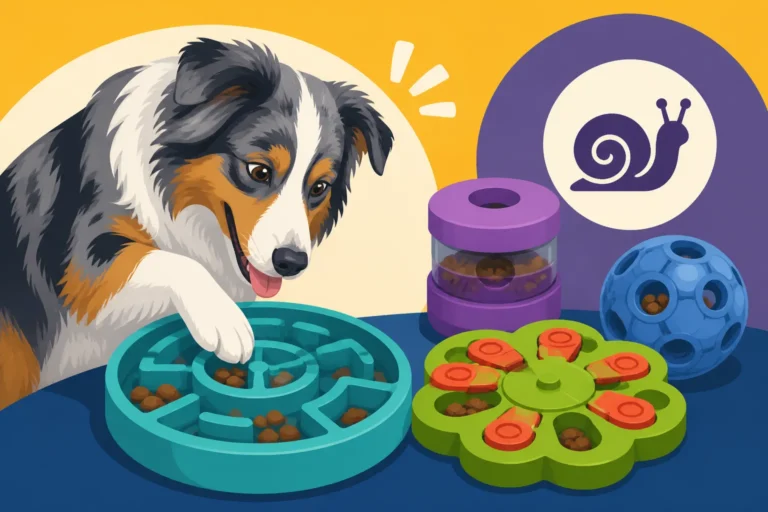
If your puppy is otherwise healthy, consider a few things: Are you offering too many treats during the day? Is the food itself palatable? Some puppies are particular about texture or flavor. You might try moistening their kibble with warm water or low-sodium chicken broth, which can enhance the aroma and make it more appealing. For some Aussies, a food puzzle or KONG stuffed with their meal can make eating a fun "job" rather than just a routine. Don't leave food down all day; if they don't eat within 15-20 minutes, pick up the bowl and offer it again at the next scheduled mealtime. This teaches them that food is available at specific times, rather than on demand.
Managing Fast Eaters and Bloat Prevention
Australian Shepherds, with their deep chests, are sometimes considered to be at a slightly higher risk for bloat (Gastric Dilatation-Volvulus or GDV), although it's more commonly associated with truly giant breeds. However, any fast eater can swallow excess air, which can cause discomfort and, in extreme cases, contribute to bloat risk. If your Aussie puppy inhales their food in seconds, it’s definitely something to address.
The best defense is to slow them down. Invest in a slow feeder bowl, which has raised ridges or mazes that force your puppy to eat around obstacles. You can find many effective options on Amazon. Another strategy is to spread their kibble out on a large baking sheet, making them "hunt" for each piece. Puzzle feeders also work wonders for this. After eating, ensure your puppy has a quiet, relaxed period for at least an hour before any strenuous exercise or play. This helps their stomach process the food without being jostled, potentially reducing gas and discomfort. Slow Feeder Bowls for an Australian Shepherd are a simple but effective tool.
Recognizing Dietary Sensitivities
Even in puppyhood, Australian Shepherds can sometimes develop dietary sensitivities or allergies, often manifesting as skin issues, itching, ear infections, or chronic digestive upset like loose stools or excessive gas. It can be heartbreaking to see your puppy uncomfortable, and it often leads to a lot of trial and error in their diet.
If you suspect a food sensitivity, the first step is always to consult your veterinarian. They can help you rule out other causes and guide you through an elimination diet. This typically involves feeding a novel protein and carbohydrate source (one your puppy has never eaten before) for several weeks to see if symptoms improve. Common allergens often include chicken, beef, dairy, wheat, and soy. Be meticulous during an elimination diet; even tiny bits of other foods or treats can derail the process. Pay close attention to Food Allergy Itching in an Australian Shepherd and persistent digestive issues, as these are often the tell-tale signs. Finding the right food might take time, but a comfortable, healthy pup is well worth the effort.
Disclaimer
This article is for general informational purposes only and does not constitute professional advice. Laws, prices and regulations vary by location and change over time. Consult a qualified professional for guidance on your specific situation.