Australian Shepherd Puppy Health Checks at Eight Weeks
Bringing home a new Australian Shepherd puppy is an exhilarating experience, but it’s often accompanied by a whirlwind of questions and anxieties about their health. Many new owners feel overwhelmed, unsure if they're doing everything right, especially when it comes to those crucial early veterinary visits. This guide is here to walk you through exactly what to expect from your Australian Shepherd puppy's health check at eight weeks old, ensuring you feel prepared and confident in caring for your furry family member.
Why the Eight-Week Health Check is So Critically Important
When your Australian Shepherd puppy hits that eight-week mark, it’s a pivotal time for their development and health. This isn't just another routine vet visit; it's a foundational check-up that helps set the stage for a lifetime of wellness. Many breeders will actually have already initiated some of these checks, but regardless, your vet will want to perform their own thorough assessment.
Establishing a Baseline for Lifelong Health
Think of this visit as gathering all the vital statistics for your new little companion. Your veterinarian will establish a baseline for your puppy’s weight, temperature, heart rate, and overall physical condition. This isn't just about the now; it's about having a reference point for all future visits. If your puppy gains weight too quickly or too slowly, or if there are subtle changes in their gait or energy levels down the road, having that initial data helps your vet identify deviations sooner. It’s also the perfect opportunity to discuss your puppy's Australian Shepherd Puppy Growth Chart and ensure they're on track developmentally. Early detection of any potential issues, even subtle ones, can make a world of difference in prognosis and treatment.
Identifying and Addressing Congenital or Early-Onset Issues
Australian Shepherds, like all breeds, can be predisposed to certain health conditions, some of which might show signs as early as eight weeks. This check-up is crucial for catching things that might have been missed, or that simply weren't apparent, even a few weeks prior. For instance, your vet will be checking for Umbilical Hernias in an Aussie Litter, which are common and usually easily corrected. They’ll also be giving special attention to their eyes and ears, especially if your puppy is a merle. It's not uncommon for merle puppies, particularly if they are How to Spot a Double Merle Australian Shepherd, to have eye defects like microphthalmia (abnormally small eyes) or even be congenitally deaf. A thorough physical exam combined with a review of breeder-provided health clearances can offer a comprehensive picture.
Kicking Off Your Puppy's Vaccination Schedule
Eight weeks is a key age for vaccinations. By this point, your puppy has likely received their first round of core vaccinations (distemper, adenovirus, parvovirus, parainfluenza) around six weeks, typically still under the breeder's care. The eight-week visit often marks the second booster shot, vital for building robust immunity. Your vet will explain the schedule for subsequent boosters, usually every 3-4 weeks until 16 weeks of age, followed by rabies vaccination. This series is non-negotiable for protecting your Australian Shepherd puppy from prevalent and dangerous canine diseases. They'll also discuss parasite prevention, including deworming protocols and starting on heartworm medication, which is especially important for an Australian Shepherd, given the prevalence of the What MDR1 Does Inside an Australian Shepherd Brain mutation.
What Exactly Does a Veterinarian Look For?
A vet performing an eight-week health check on an Australian Shepherd puppy goes far beyond a quick glance. It’s a systematic, head-to-tail examination designed to catch anything out of the ordinary. They’re looking for both breed-specific concerns and general puppy health indicators.
The Full Physical Exam: Head to Tail Assessment
Your vet will conduct a thorough physical examination, which includes:
- Eyes: Checking for clarity, discharge, symmetry, and responsiveness to light. For Australian Shepherds, especially merles, the vet will be looking closely for any signs of Collie Eye Anomaly in an Australian Shepherd, Hereditary Cataracts Clouding an Aussie Eye, or other congenital eye defects like microphthalmia or iris coloboma. The Aussie Puppy Eye Check at Six Weeks is often performed by a veterinary ophthalmologist at this age, and your vet will want to review those results.
- Ears: Examining for cleanliness, discharge, signs of mites or infection. For merle Aussies, they’ll pay close attention to ear structure and discuss the possibility of Congenital Deafness in an Australian Shepherd Puppy, which might warrant a BAER test later, especially if the puppy is a double merle.
- Nose and Mouth: Checking for clear nostrils, proper bite alignment, gum color (should be pink and moist), and any signs of cleft palate.
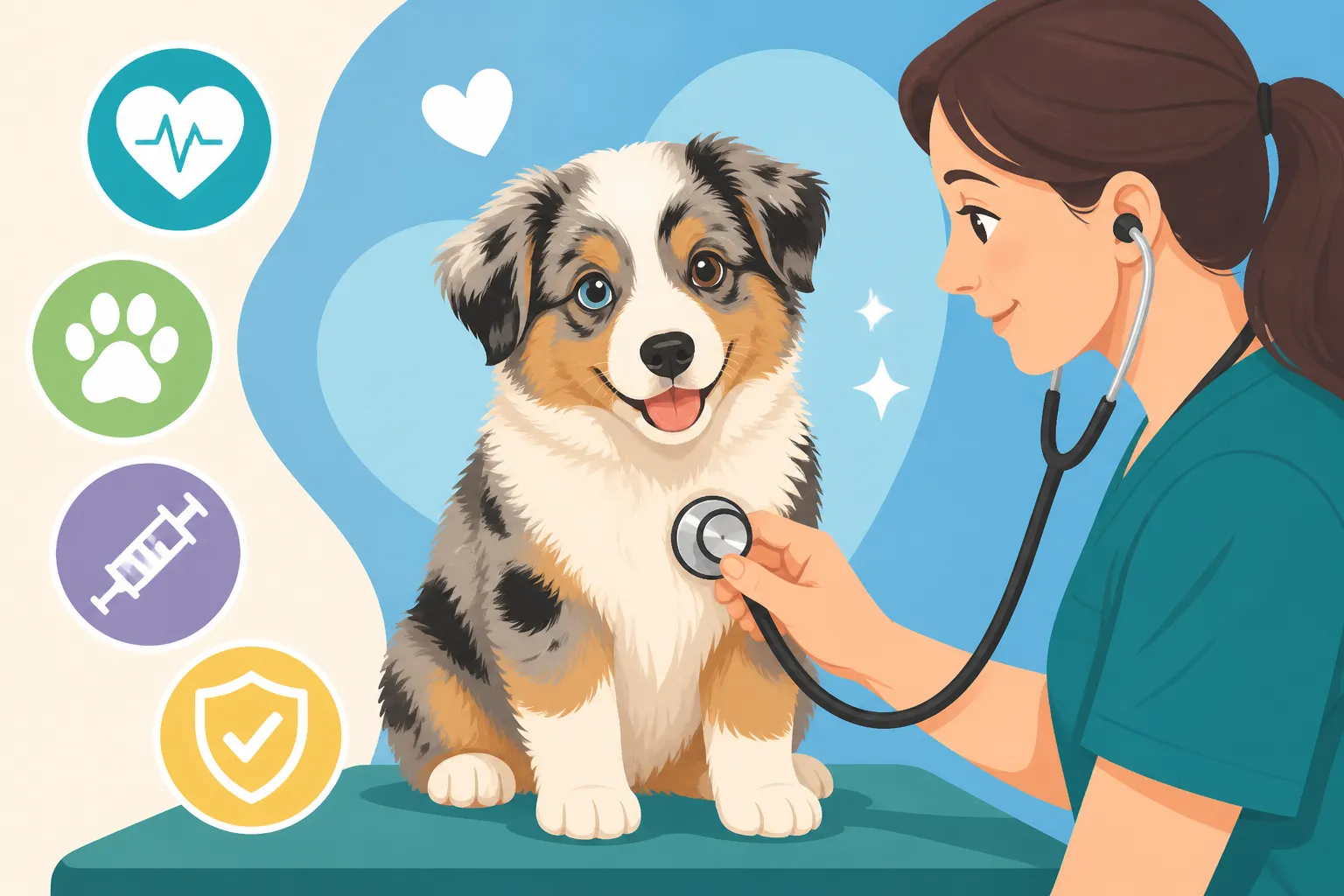
- Heart and Lungs: Listening with a stethoscope for any murmurs, arrhythmias, or abnormal breathing sounds.
- Abdomen: Gently palpating the abdomen to check for tenderness, organ size, and to confirm the absence of an umbilical hernia, if not already noted.
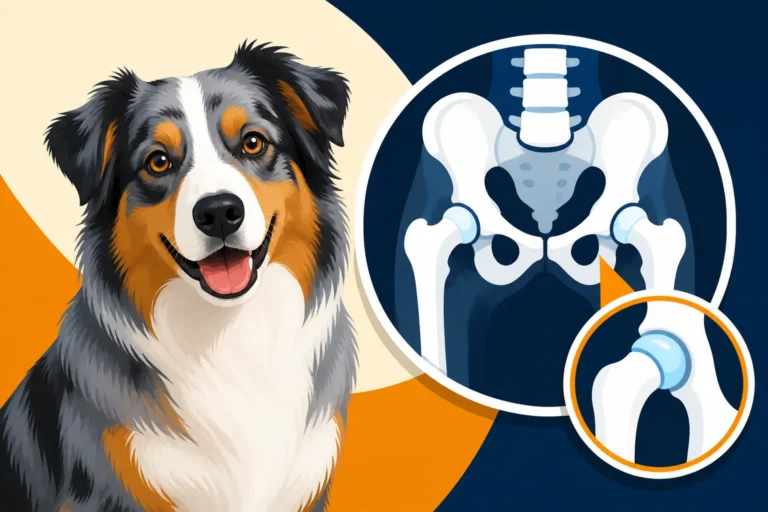
- Musculoskeletal System: Checking their gait, flexibility of joints, and general structure. While major hip or elbow dysplasia signs typically appear later, a vet might note subtle abnormalities or weakness at this age. They'll also check for proper closure of growth plates as much as possible at this young age, though full closure occurs later.
- Coat and Skin: Looking for any parasites like fleas or ticks, skin irritations, bald patches, or signs of dermatitis. This is also a good time to discuss the unique aspects of the Australian Shepherd double coat and future grooming needs.
- Genitalia: Checking for normal development. In males, they'll verify the presence of both testicles in the scrotum, as undescended testicles (cryptorchidism) is an issue to monitor.
Vaccinations, Deworming, and Parasite Control
As mentioned, this visit is crucial for continuing the puppy vaccination series. Beyond the core vaccines, your vet might discuss the Kennel Cough vaccine, especially if your Aussie puppy will be attending puppy classes or daycare.
Deworming is also a standard part of puppy care. Puppies often acquire intestinal parasites from their mothers, even if the mother was dewormed. Your vet will likely give a broad-spectrum dewormer and recommend a fecal test to check for specific parasites. They'll also initiate or recommend a monthly heartworm preventative, often combined with flea and tick protection. It's incredibly important to discuss your Australian Shepherd's MDR1 status with your vet before starting any parasite medications, as some common treatments are The Flea Products Dangerous to an MDR1 Aussie or Loperamide and Other Drugs That Harm an MDR1 Aussie. If your breeder provided results for The Genetic Panel Every Australian Shepherd Needs, bring them! If not, this is a prime time to discuss Whether an Australian Shepherd Breeder Tests for MDR1 and how to get your puppy tested.
Here’s a quick overview of what typically happens at an 8-week vet visit:
| Examination Area | What the Vet Checks For | Common Aussie Concerns (8-week relevance) |
|---|---|---|
| General Health | Overall demeanor, weight, temperature, hydration | Active, alert, good appetite, no signs of Australian Shepherd Puppy Diarrhea After Homecoming |
| Eyes | Clarity, discharge, symmetry, signs of irritation | Collie Eye Anomaly, microphthalmia, iris coloboma (esp. merle puppies) |
| Ears | Cleanliness, mites, discharge, ear canal structure | Congenital deafness (esp. double merle puppies) |
| Mouth/Teeth | Gum health, proper bite, signs of cleft palate, milk teeth | Proper jaw alignment |
| Heart/Lungs | Murmurs, arrhythmias, clear breathing | No specific Aussie heart issues prominent at 8 weeks, but general check |
| Abdomen | Tenderness, organ size, presence of umbilical hernia | Umbilical Hernias in an Aussie Litter |
| Musculoskeletal | Gait, joint flexibility, limb development | General structural soundness |
| Skin/Coat | Parasites (fleas/ticks), skin irritation, bald spots | No specific Aussie skin issues prominent at 8 weeks, general check |
| Genitalia | Normal development, presence of both testicles (males) | Cryptorchidism (undescended testicles) in males |
| Vaccinations | Second DAPP booster, discuss other vaccines | Builds immunity, sets schedule |
| Deworming/Fecal | Administer dewormer, check for intestinal parasites | Common for puppies, ensures parasite-free start |
| MDR1 Status | Review breeder results or discuss testing | Critical for drug sensitivities, e.g., to certain flea/tick meds |
Initial Discussions on Diet, Training, and Socialization
Beyond the physical, this visit is a goldmine for information on how to care for your growing Australian Shepherd. Your vet will advise you on appropriate puppy food, portion sizes, and feeding frequency, often recommending Three Meals a Day for an Aussie Puppy to support their rapid growth and energy needs. They’ll also cover critical topics like house-training, basic command training, and the importance of early socialization. With an Australian Shepherd, early socialization is particularly vital to help them develop into well-adjusted adults, especially given their natural suspicion of strangers. This is also a great time to talk about what to do if you see signs of Australian Shepherd Puppy Diarrhea After Homecoming or other common puppy ailments.
Addressing Potential Red Flags and Next Steps
Sometimes, a puppy’s eight-week health check reveals something unexpected. It’s natural to feel worried, but remember, catching issues early is always a good thing. Your vet is there to guide you through any findings and outline a clear path forward.
Understanding Mild Concerns vs. Serious Diagnoses
Not every finding is cause for panic. For example, a mild heart murmur might be a "flow murmur" that resolves as the puppy grows, while a persistent, loud murmur would warrant further investigation, like a cardiac ultrasound. The vet might note an irregular bite or slightly off-set teeth, which for a pet Aussie might be purely cosmetic, but for a show dog, it could be a fault. They will clearly explain what each finding means for your puppy's long-term health and quality of life. Don't hesitate to ask questions, no matter how small they seem. If you're concerned about potential future costs for conditions like epilepsy or hip dysplasia, discussing pet insurance options with providers like Healthy Paws can provide peace of mind for the long haul.
Follow-Up Care and Specialty Referrals
If a more serious issue is detected, your vet will recommend follow-up steps. This could involve another check-up in a few weeks, specific diagnostic tests (like X-rays for suspected joint issues, or a blood test), or a referral to a veterinary specialist. For instance, if your vet suspects congenital deafness in a merle puppy, they might suggest a referral for a The BAER Test for Australian Shepherd Hearing. If genetic testing results, such as from The Genetic Panel Every Australian Shepherd Needs, reveal a predisposition to a condition, your vet can help you understand the implications and develop a proactive care plan. This is where a robust pet insurance policy, such as one from Healthy Paws, can be incredibly valuable, potentially covering a significant portion of specialist consultation and diagnostic test fees.
The Importance of Breeder Transparency and Records
A responsible Australian Shepherd breeder will provide you with a comprehensive health history for your puppy and its parents, including genetic test results for conditions like MDR1, CEA, and OFA clearances for hips and elbows. If your puppy’s eight-week check reveals something that contradicts the breeder's information, or if the breeder failed to provide adequate health records, it’s important to address this. Sometimes, a puppy from An Aussie Listing With No MDR1 Result or with no clear health history might present more unexpected health challenges. Honest communication with your breeder is key, and your vet can advise you on how to proceed, including reviewing the specifics of your puppy contract. Always bring all paperwork from the breeder to your vet visit.
Preparing for Your Puppy's First Vet Visit
The vet visit can be a lot for a little puppy. New sights, sounds, smells, and being handled by strangers can be overwhelming. A little preparation goes a long way in making it a positive experience for your Australian Shepherd puppy.
What to Bring and What to Ask
First, make sure you bring all relevant paperwork: your puppy's health records from the breeder, vaccination certificates, deworming dates, and any genetic test results, especially for Whether an Australian Shepherd Breeder Tests for MDR1. If you have a copy of your purchase contract, bring that too.
Secondly, prepare a list of questions. No question is too silly! You might ask about:
- The best food for their specific needs.
- The appropriate Exercise Limits for an Australian Shepherd Under a Year to protect their growing joints.
- Recommendations for puppy classes or trainers.
- When to expect their next vaccinations and what they are for.
- Safe flea, tick, and heartworm preventatives, especially considering the MDR1 mutation.
- Discussing spay/neuter timing around Australian Shepherd Growth Plates and When They Close.
- How to handle common puppy issues like nipping or house-training accidents.
- Details on pet insurance options, like Healthy Paws, and what common Aussie conditions they might cover.
- What constitutes an emergency that warrants an immediate call.
Making the Vet Visit a Positive Experience
The vet's office is full of new smells and potentially scary experiences. To make it less intimidating:
- Socialize early: If possible, take your puppy on short, positive trips to the vet office just to say hello and get treats, without getting poked or prodded.
- Practice handling: Get your puppy used to having their paws, ears, and mouth handled at home. This makes the vet exam much easier.
- Use treats: Bring high-value treats to distract and reward your puppy throughout the exam.
- Keep calm: Your puppy picks up on your emotions. If you're stressed, they'll be stressed. Try to remain calm and reassuring.
- Consider a crate: Transporting your puppy in a secure, comfortable crate can help them feel safe. This is also important for their overall safety during travel.
- Walk before you go: A short walk or playtime before the appointment can help burn off some puppy energy, making them calmer during the visit.
The eight-week health check is more than just a medical appointment; it's a critical step in building a healthy relationship with your veterinarian and ensuring your Australian Shepherd puppy gets the best start in life. By understanding what to expect and being prepared, you can confidently navigate this important milestone.
Disclaimer
The information provided in this article is for general informational purposes only and is not a substitute for professional veterinary advice. Always consult with a qualified veterinarian for any health concerns or before making any decisions related to your pet's care.