Trimming an Aussie Tail on a Natural Bob
You’ve got a gorgeous Australian Shepherd, and maybe you’ve noticed their tail isn’t quite like others – perhaps it’s naturally short, a "bobtail." While it might seem like less grooming than a full-length tail, a natural bobtail still needs your attention to stay neat, clean, and healthy. This guide is here to walk you through exactly why and how to trim your Aussie's natural bobtail, ensuring they look their best and stay comfortable.
The Australian Shepherd's Natural Bobtail Explained
It's common for people to see an Australian Shepherd with a short tail and immediately assume it's been docked. However, many Aussies are actually born with what's called a natural bobtail (NBT). This isn't something done by a breeder after birth; it's a genetic trait, and understanding it is the first step to properly caring for it.
Distinguishing a Natural Bobtail from a Docked Tail
A natural bobtail is, quite literally, a tail that is short or absent from birth due to a specific gene (the T-box gene). These can range from a tiny stub, just a few vertebrae long, to a half-length tail that might be several inches. Each NBT is unique, and sometimes you'll even find a little kink or curve to them, which is perfectly normal. It's truly fascinating how this genetic lottery plays out in each litter! You might even find some variations in a single litter, with some puppies having long tails and others having various lengths of bobtails.
In contrast, a docked tail is one that was surgically shortened, typically within the first few days of a puppy's life. Historically, tails were docked on herding breeds to prevent injury while working livestock. While docking is a controversial practice today and is banned in many countries, it's still common to see it in some regions. The key difference is the origin of the short tail: genetic for the NBT, surgical for the docked tail. When you run your hand over an NBT, you'll feel the natural bone structure, albeit shorter, whereas a docked tail often has a distinct, blunt end where it was cut. Understanding this distinction is vital, not just for your own knowledge but also for explaining to others why your Aussie's tail looks the way it does. You can learn more about The Aussie Bobtail Gene and Its Lethal Pairing.
Why a Natural Bobtail Still Needs Attention
"No tail, no problem," right? Not quite! While you won't be dealing with the same level of mud-catching and matting that a long, feathery Aussie tail might experience, a natural bobtail still requires routine care. Its very nature – often being dense with the typical Australian Shepherd double coat and sitting close to the body – means it can still be a magnet for dirt, debris, and, yes, mats.
Think about it: that little stub or half-length tail is right there, often wagging furiously or tucked against their hindquarters. It picks up burrs, grass seeds, and whatever else they might roll in. Plus, the dense fur around the base of the tail and along the hindquarters can easily become matted, especially during seasonal coat blows when your Aussie is shedding their undercoat in vast quantities. These mats aren't just unsightly; they can pull on the skin, causing discomfort, pain, and even skin infections if left untended. Maintaining good hygiene around this area is also critical, as stray hairs can trap fecal matter, leading to irritation and odor. It's all about ensuring your dog's overall comfort and preventing problems before they start.
Preparing for Your Aussie's Bobtail Trim
Before you even think about picking up shears, it’s crucial to have the right tools and create a positive environment for your Australian Shepherd. A hasty or ill-prepared grooming session can turn a routine trim into a wrestling match, making future attempts even harder.
Essential Grooming Tools for a Tidy Bobtail
Having the right tools makes all the difference for a stress-free and effective trim. You don't need a professional grooming salon's worth of equipment, but a few key items will be invaluable.
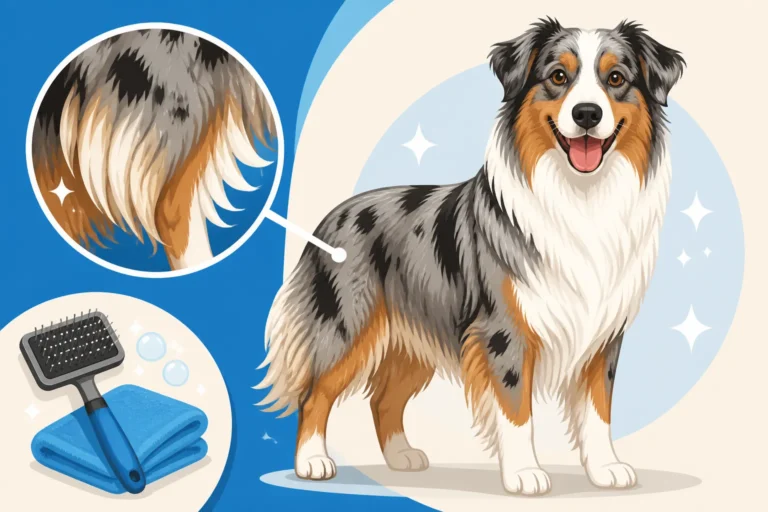
- Slicker Brush: This is your primary weapon against mats and loose undercoat. Use it to thoroughly brush out the bobtail and the surrounding areas before trimming. A good slicker brush will help detangle and lift any loose fur.
- Metal Comb (Fine and Wide Teeth): After brushing, use a metal comb to ensure there are no hidden tangles. The fine teeth will catch smaller knots that the slicker brush might miss, while the wide teeth are great for initial detangling of denser spots.
- Blunt-Nosed Scissors: Safety first! These scissors have rounded tips, significantly reducing the risk of accidentally poking or injuring your dog, especially in sensitive areas like around the anus. They're perfect for precision trimming of stray hairs.
- Thinning Shears: These scissors have one plain blade and one notched blade, designed to remove bulk and blend hair without creating harsh lines. They are fantastic for feathering and making the bobtail look natural and well-integrated with the rest of the coat, rather than choppy. You can find quality versions of all these tools from retailers like Chewy or on Amazon, often in convenient grooming kits.
- High-Velocity Dryer (Optional but Recommended): While not strictly a trimming tool, a good dryer helps blast out loose undercoat and ensure the coat is completely dry and fluffy before you begin trimming. This makes it easier to see what you're doing and prevents cutting unevenly. Drying an Australian Shepherd's double coat thoroughly is critical for preventing skin issues. You can learn more about Drying an Australian Shepherd Double Coat.
| Tool | Primary Use | Benefit for Bobtail Trim |
|---|---|---|
| Slicker Brush | Detangling, removing loose undercoat | Prepares coat, prevents mats, reveals true length |
| Metal Comb | Identifying small knots, ensuring full detangle | Catches hidden tangles, perfect for blending |
| Blunt-Nosed Scissors | Precise trimming, safety in sensitive areas | Reduces injury risk, ideal for sanitary trim |
| Thinning Shears | Removing bulk, blending harsh lines | Creates a natural, soft look, avoids choppy edges |
| High-Velocity Dryer | Drying coat, blasting loose hair | Fluffs coat for even trim, aids in deshedding |
Setting Up for a Stress-Free Grooming Session
A calm environment is key to a successful grooming experience for both you and your Aussie. If your dog is squirming or stressed, you're more likely to make mistakes or injure them.
First, choose a quiet time when your dog isn't overly excited or tired. A non-slip surface, like a grooming table with a rubber mat or even a bath mat on the floor, will help your dog feel secure. For shorter sessions, you can even use a sturdy countertop if your dog is small enough and comfortable being elevated. Have all your tools laid out and within easy reach before you start. This prevents you from fumbling around or having to leave your dog unattended.
Consider starting with a nice long walk or a vigorous play session to burn off some of that famous Aussie energy. A tired Aussie is often a more compliant Aussie! During the session, keep a supply of high-value treats handy. Reward your dog frequently for calm behavior, even if it's just standing still for a few seconds. If your Aussie is particularly sensitive or new to grooming, start with very short sessions – just a minute or two of brushing around the tail – and gradually increase the duration. The goal is to build positive associations with grooming, making it a routine rather than a dreaded event. If your Aussie is prone to anxiety during grooming, consider working on Cooperative Care for an Australian Shepherd at the Vet principles, which can translate well to at-home sessions.
Step-by-Step Guide to Trimming Your Aussie's Natural Bobtail
Now that you're prepared, let's get into the actual trimming. Remember, the goal isn't to create a drastic new style, but rather to tidy up, maintain hygiene, and ensure your Aussie's comfort. Take your time, work in good light, and always prioritize your dog's safety.
Focusing on Hygiene and Comfort
The most crucial aspect of bobtail trimming is often the sanitary trim. This isn't about aesthetics; it's about preventing discomfort and promoting cleanliness. The area around your Aussie's anus, often called the "sanitary area," can easily become matted or soiled, especially with a dense double coat.
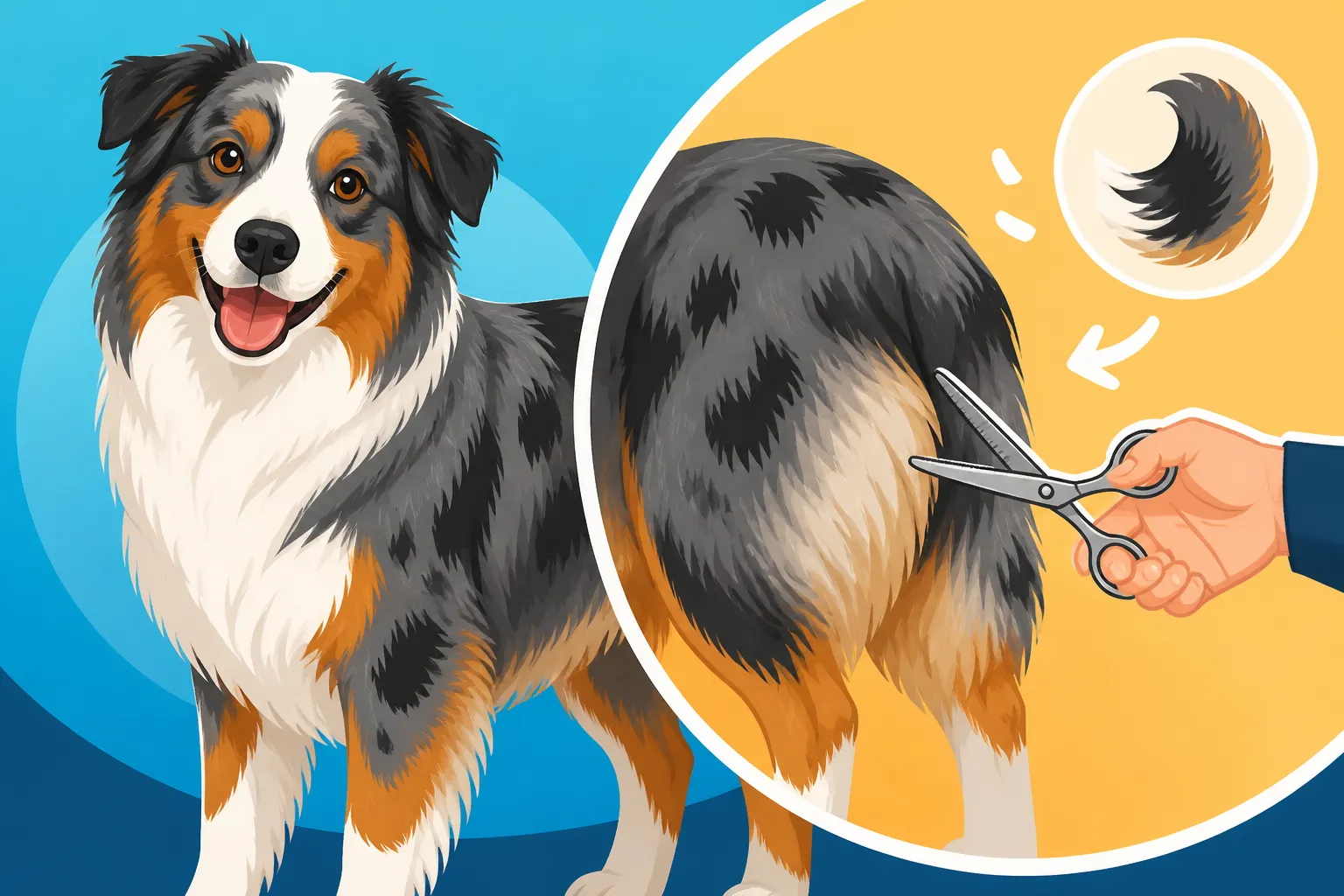
Begin by gently lifting your Aussie's bobtail and parting the hair around the anal opening. Use your slicker brush and metal comb to ensure all the hair in this region is completely free of mats and tangles. Mats here can be incredibly painful and difficult to remove once established. With your blunt-nosed scissors, carefully trim the hair short, about a half-inch to an inch, around the entire opening. You want to create a clear, clean perimeter that prevents fecal matter from sticking to the fur. Always point the scissor tips away from your dog's body and skin, using only the very tips of the blades for small snips. It's often easier to do this if your dog is standing, as it allows gravity to help the hair fall naturally. If you're nervous, pull the skin taut away from the anus and trim the hair on the stretched skin. This same approach can be applied to the fur immediately under the bobtail, particularly if your Aussie has thicker "trousers" or feathering on their hind legs that could also get soiled. A tidy sanitary area makes a world of difference for your dog's comfort and your home's cleanliness. For more details on this, check out Sanitary Trims on an Australian Shepherd.
Shaping and Blending for a Neat Appearance
Once the hygiene aspect is addressed, you can turn your attention to making the bobtail look neat and well-blended with the rest of your Aussie's coat. This is where thinning shears really shine, as they help avoid that "chopped" look.
First, thoroughly brush and comb the entire bobtail and the surrounding rump area. You want the hair to be clean, dry, and standing naturally. Look for any long, wispy hairs that stick out or create an uneven outline. With your blunt-nosed scissors, make small, precise snips to tidy up these stray hairs, following the natural curve and length of the bobtail. Don't try to make it perfectly symmetrical; aim for a natural, flowing appearance. Step back frequently to assess your work from different angles.
Next, if your Aussie's bobtail has some feathering or the hair around the base is particularly dense, use your thinning shears. These are excellent for removing bulk without shortening the hair drastically, allowing for a softer, more natural blend. Hold the thinning shears at an angle, parallel to the hair growth, and make a few snips into the thicker areas. Brush the hair down, then snip again if needed. This technique helps to soften any lines you might have created with the blunt-nosed scissors and integrates the bobtail seamlessly into the hair on your dog's rump and hocks. Remember, less is more here. You can always trim a little more, but you can't put hair back once it's cut! The goal is a well-groomed, natural-looking bobtail that enhances your Aussie's overall appearance, not a sculpted masterpiece.
When to Consider Professional Help
Sometimes, despite your best efforts, tackling your Aussie's grooming needs at home can be challenging. There's absolutely no shame in recognizing your limits and seeking the expertise of a professional groomer. In fact, it's often the smartest and safest option for your beloved companion.
Signs It's Time to Call a Pro
There are several scenarios where a professional groomer's touch becomes indispensable. One of the most common issues Australian Shepherd owners face is severe matting. Those thick double coats, especially during seasonal sheds, can form dense, painful mats quickly. If you encounter large, pelted mats, particularly around the bobtail, hindquarters, or behind the ears, trying to remove them yourself can be incredibly difficult and painful for your dog. Professionals have specialized tools and techniques to safely and humanely remove mats, often saving your dog from unnecessary pain or skin irritation. Learning how to properly remove Mats in an Aussie Ruff and Trousers is critical but some are just too big for home.
Another clear sign is your dog's behavior. If your Aussie becomes overly stressed, fearful, or even aggressive during grooming attempts, forcing the issue can damage your bond and make future sessions impossible. A professional groomer is skilled in handling difficult dogs, using positive reinforcement and gentle techniques to complete the job safely. They can often accomplish in one session what might take you several frustrating, unproductive attempts. Lastly, if you simply feel unsure or lack confidence in your trimming skills, especially around sensitive areas, it's always better to err on the side of caution. A wrong snip can lead to injury or an uneven, unsightly cut that takes months to grow out.
Choosing a Groomer Knowledgeable About Aussies
Not all groomers are created equal, especially when it comes to double-coated breeds like the Australian Shepherd. It's crucial to find a professional who understands the unique needs of an Aussie's coat and temperament.
When you're looking for a groomer, start by asking for recommendations from other Australian Shepherd owners or your veterinarian. Look for groomers who specifically mention experience with double-coated breeds on their websites or social media. When you call, ask specific questions:
- Do they have experience with Australian Shepherds, particularly those with natural bobtails?
- What is their philosophy on grooming double coats (e.g., do they ever shave Aussies completely, which is generally not recommended as it can ruin the coat and compromise its natural insulation)? You can reinforce this by reminding them of Why an Australian Shepherd Should Never Be Shaved.
- How do they handle anxious or reactive dogs?
- Can you take a tour of their facility?
A good groomer will be transparent, happy to answer your questions, and willing to work with you to ensure your Aussie has a positive experience. When you drop off your dog, clearly communicate your expectations: you want the bobtail tidied, blended, and the sanitary area kept pristine. Bring a photo if it helps illustrate the look you're going for. A professional groomer can also provide services like thorough deshedding, nail trims, and ear cleaning, all of which contribute to your Aussie's overall health and well-being. Investing in professional grooming periodically, even if you do most of the maintenance yourself, can make a huge difference in keeping your Australian Shepherd happy and looking their very best.
Disclaimer
This article is for general informational purposes only and does not constitute professional advice. Laws, prices and regulations vary by location and change over time. Consult a qualified professional for guidance on your specific situation.