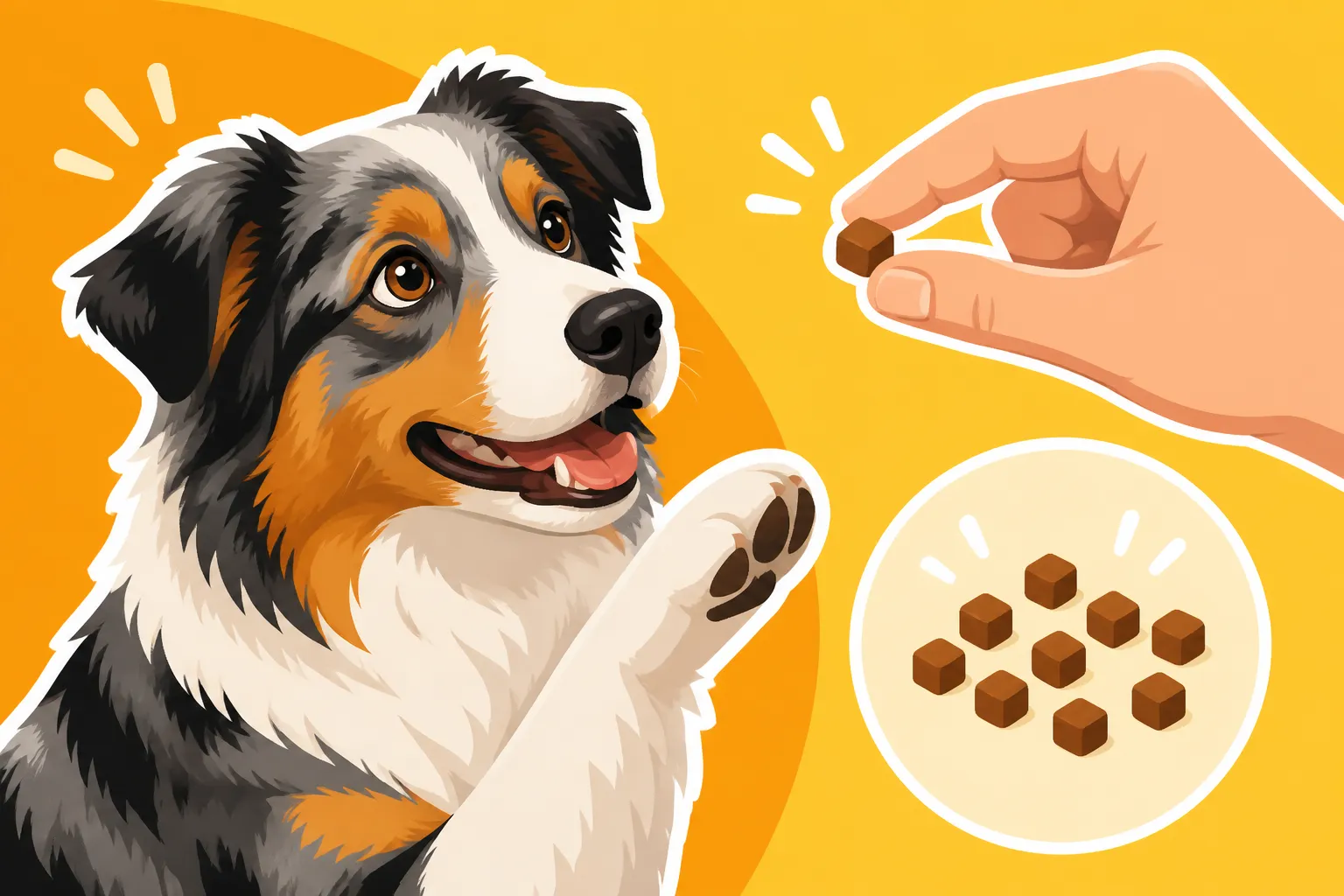
Treats Small Enough for Aussie Training Repetition
One of the biggest hurdles we face as Australian Shepherd parents, especially during those crucial training years, is how to reward our incredibly smart, high-drive dogs without turning them into little butterballs. It's a real dilemma: you need those high-value, repetitive rewards to shape behavior, but a handful of treats can quickly add up to a significant portion of their daily calories. This guide is all about finding and utilizing those perfect, tiny training treats that keep your Aussie motivated, healthy, and on track with their training without overfeeding.
The Undeniable Need for Small, Low-Calorie Training Treats
Let's be honest, an Australian Shepherd's brain is always whirring, always looking for a job, always ready to learn. This is fantastic for training! They thrive on positive reinforcement, and that often means a steady stream of delicious rewards when they get things right. However, their active minds also come with active bodies, and managing their weight is paramount for joint health and overall longevity. The conflict arises when you're doing dozens, if not hundreds, of repetitions in a single training session—teaching a new trick, refining a recall, or working on leash manners in a distracting environment.
Why Every Calorie Counts for an Active Aussie
Australian Shepherds are typically lean, athletic dogs built for endurance and agility. Every extra pound they carry places unnecessary stress on their joints, especially their hips and elbows, which can be prone to conditions like Australian Shepherd Hip Dysplasia and Working Joints or Aussie Elbow Dysplasia From Hard Turning. When you’re doling out treats for every "sit," "stay," or successful recall, those calories add up astonishingly fast. A few larger, calorie-dense treats can easily account for a quarter or even half of their Daily Calories for a Fifty Pound Australian Shepherd. It's not just about aesthetics; it’s about their long-term health and ability to perform their job, whether that's herding sheep or just being your super-fit adventure buddy.
Think about it this way: if your Aussie gets a dime-sized chunk of cheese for every successful engagement during a 20-minute training walk, and you do 50 such engagements, that's a lot of cheese. If you're using larger, less healthy treats, you're not just risking weight gain, but also potentially disrupting their balanced diet. Our goal isn't to deprive them but to be strategic, ensuring their treats are effective rewards without becoming dietary liabilities. This is where the magic of "small and low-calorie" truly shines, allowing for frequent reinforcement without guilt or health concerns.
The Role of Repetition in Aussie Training
Australian Shepherds are incredibly intelligent and learn quickly, but like all dogs, they master new behaviors through consistent repetition and positive reinforcement. Whether you're teaching basic obedience to a young puppy, working on advanced agility sequences, or tackling reactivity in a busy park, you're going to need to reward frequently, especially in the early stages. Imagine trying to teach your Aussie a complex scent work pattern or working through Australian Shepherd Reactivity and Overarousal. Each correct decision, each moment of focus, needs to be marked and rewarded immediately to build strong associations.
If your treats are too large, you'll find yourself either cutting training sessions short to avoid overfeeding, or your dog will get full too quickly and lose motivation. Worse, they might become so full they start refusing their regular meals, throwing their entire nutritional intake off balance. Small, pea-sized treats allow you to deliver rapid-fire rewards, maintaining your Aussie's focus and drive through extended sessions. They get that immediate gratification without feeling stuffed, making them eager for the next reward. This continuous feedback loop is vital for shaping complex behaviors and solidifying obedience commands, making those training dollars and hours truly count.
What Makes an Ideal Australian Shepherd Training Treat
Choosing the right training treat for an Australian Shepherd isn't just about size; it's about a combination of factors that maximize their motivation and minimize any negative health impacts. We want treats that are irresistible, easy to handle, and won't upset their stomachs or contribute to weight gain.
High Value, Low Volume: The Treat Sweet Spot
The "high value" aspect of a treat is subjective to your dog, but for training, it generally means something they absolutely adore. For some Aussies, that might be a bit of cooked chicken, for others, it's a specific soft commercial treat. The key is that it's something they consider a jackpot, something they'll work hard for. However, "high value" doesn't have to mean "high calorie." The trick is finding that sweet spot where the treat is incredibly appealing but small enough that you can give many pieces without concern.
Think of it like this: a tiny crumb of grilled steak is often far more motivating than a big, dry biscuit. The intensity of the flavor and aroma makes even a minuscule amount incredibly rewarding. For this reason, many trainers opt for soft, moist treats that are packed with flavor, rather than crunchy ones. Soft treats are quickly consumed, allowing you to move on to the next repetition without your Aussie stopping to crunch and swallow. This speed is crucial for maintaining flow in a training session, especially when you're trying to capture fleeting behaviors or work on speed and precision in sports like agility.
Texture and Portability for On-the-Go Training
When you're out and about, whether it's at a local park working on Australian Shepherd Recall Around Moving Things or just practicing polite greetings, you need treats that are easy to carry and dispense. This means non-crumbly, non-sticky options that won't turn your treat pouch into a greasy mess. Soft treats are generally best here, as they can be easily broken into smaller pieces if needed, and your dog can gulp them down without chewing extensively.
Consider treats that don't require refrigeration if you're going to be out for a while. Dehydrated meats, small commercially prepared soft chews, or even small pieces of cooked vegetables like carrots or green beans can fit the bill. Many trainers use small zippered pouches or specialized treat bags that clip to their belt, making access quick and seamless. The last thing you want is fumbling with packaging or wrestling a large treat while your Aussie's attention wanders. Convenience and cleanliness are surprisingly important for consistent and effective training.
Ingredient Considerations for Aussie Health
Just because a treat is small doesn't mean its ingredients are inconsequential. Australian Shepherds can sometimes have sensitive stomachs or even food allergies. It's important to choose treats made with wholesome ingredients, avoiding excessive fillers, artificial colors, or preservatives. If your Aussie has issues with Food Allergy Itching in an Australian Shepherd, you'll need to be particularly vigilant, opting for novel proteins or limited-ingredient options.
When selecting commercial treats, look for those with a short ingredient list, where real meat or a single-source protein is at the top. Brands like Ollie focus on human-grade ingredients, and while they might be a complete meal, their philosophy on quality ingredients extends to the type of high-value, healthy snacks you might want to consider making or buying. Many dog food companies also produce complementary training treats with similar ingredient profiles to their main kibble, which can be a good choice if your Aussie thrives on their regular diet. Always introduce new treats slowly to monitor for any adverse reactions.
Popular Training Treat Options for Australian Shepherds
There's a vast world of training treats out there, from store-bought options to homemade concoctions. Let's explore some of the most effective and popular choices for our smart, energetic Aussies.
Commercial Training Treats: Variety and Convenience
The market is flooded with commercial training treats, and many brands specifically cater to the "small and soft" requirement. These often come in pea-sized or easily breakable formats, making them perfect for high-repetition training. Look for treats that are soft, chewy, and strongly scented – these tend to be the highest value for most dogs.
Many dog owners find excellent options on platforms like Chewy or Amazon, which offer a huge selection and often have customer reviews to guide your choice. Brands like Zuke's Mini Naturals, Wellness Soft Puppy Bites, or Pet Botanics Training Rewards are popular for their size, palatability, and relatively low-calorie count per treat. It's always a good idea to read the labels carefully to check calorie content and ingredient quality. Some commercial treats, despite being small, can still be quite rich, so be mindful of the "per treat" calorie count and adjust your Aussie's main meal accordingly. Remember, even a small treat adds to their overall Portioning an Aussie Ration by Workload for the day.
| Treat Type | Pros | Cons |
|---|---|---|
| Soft Chewy Bites | High palatability, easily broken, quick consumption | Can be higher calorie, some contain fillers |
| Freeze-Dried Meats | Single ingredient, very high value, lightweight | Can be crumbly, more expensive, some dogs prefer soft |
| Small Biscuits/Crunchy | Shelf-stable, good for light reinforcement | Low value for many Aussies, slower to eat, harder to break |
| Hot Dogs/Cheese (cut) | Extremely high value, very motivating | Can be messy, high fat/sodium, needs refrigeration |
| Cooked Chicken/Liver | Pure protein, very high value, natural | Needs preparation, refrigeration, can be messy |
| Cooked Veggies (Carrot) | Very low calorie, healthy, crunchy for some dogs | Lower value for many Aussies, less motivating |
Homemade Treats: Control and Customization
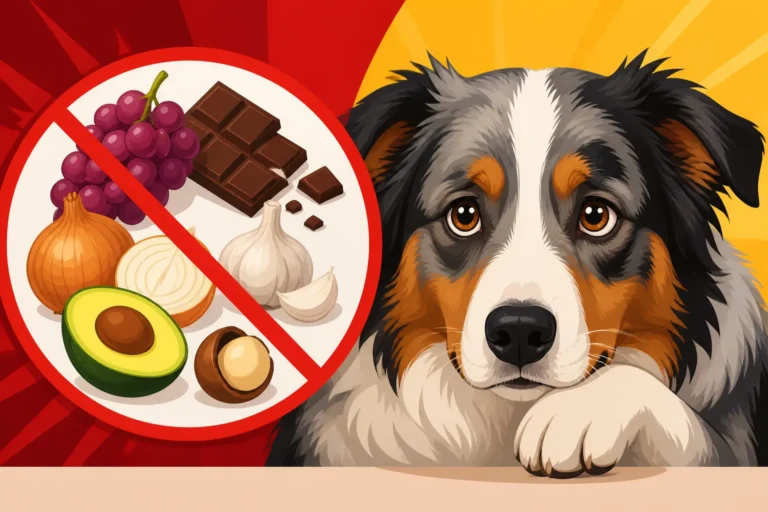
For those who love to cook or have an Aussie with specific dietary needs, homemade training treats are a fantastic option. Making your own treats gives you complete control over the ingredients, allowing you to tailor them perfectly to your dog's preferences and any allergies they might have. Chicken breast, liver, sweet potato, or even tuna can be cooked, cooled, and then diced into tiny, pea-sized pieces. Just be sure to avoid any ingredients that are toxic to dogs, like onions, garlic, or xylitol.
Boiled chicken or liver, cut into tiny cubes, is often a universal hit and offers excellent value. You can also bake low-fat meatloaf-style treats and then cut them into small squares. For a super simple option, thinly slice carrots or green beans, which are naturally low in calories and provide a satisfying crunch. These options are often much more affordable than their commercial counterparts, especially if you're going through a lot of treats for Trick Training as Aussie Mental Work or intensive behavior modification. Just remember to store them properly in the refrigerator or freezer to keep them fresh.
Integrating Treats into a Balanced Diet
The biggest challenge with training treats, no matter how small or healthy, is ensuring they don't unbalance your Aussie's overall diet. Treats should be factored into their daily calorie allowance. This is where Australian Shepherd Weight Control on a Working Frame becomes crucial. If your dog is getting a significant amount of treats during training, you'll need to slightly reduce their main meal portions to compensate.
Think of treats as part of their total daily intake, not extra. On days with heavy training, you might give a little less kibble at mealtime. For example, if your Aussie is getting a cup of high-value treats (like small pieces of chicken) during an intense training day, that could be equivalent to a quarter or even a third of their regular kibble. Always consult with your vet or a certified canine nutritionist if you're unsure about how to properly adjust your dog's diet, especially if they have underlying health conditions or if you're trying a fresh-food diet from a company like Ollie. A balanced approach means your Aussie gets the rewards they need without compromising their nutritional health.
Best Practices for Using Training Treats Effectively
Using treats effectively isn't just about having the right ones; it's also about how you use them. Smart treat usage can maximize motivation, reinforce desired behaviors, and prevent your Aussie from becoming overly reliant on food.
Timing is Everything: Mark and Reward Precisely
The effectiveness of a training treat is highly dependent on timing. For your Australian Shepherd to understand what behavior earned the reward, you need to deliver the treat (or a marker like a clicker or a verbal "yes!") within 1-2 seconds of the desired action. This immediate feedback loop is critical, especially when teaching new or complex behaviors. If you delay too long, your dog might associate the treat with a different, unintended action, confusing them and slowing down the learning process.
For instance, if you're teaching your Aussie to "stay," and they hold position for a few seconds before you mark and reward, they understand they were rewarded for holding still. If you wait until they've already started to shift their weight or get up, they might think the reward was for that action. Precision in timing reinforces the correct choice, making the treat a powerful communication tool. This immediate gratification helps to build a strong foundation for all their learning, from basic cues to advanced Australian Shepherd Sports From Herding to Agility.
Fading Treats and Reinforcing with Life Rewards
While treats are invaluable for teaching new behaviors, you don't want your Aussie to become a "cookie monster" who only performs when food is visible. The goal is to gradually fade the constant use of treats as your dog masters a behavior. This doesn't mean eliminating rewards entirely, but rather transitioning to an intermittent reinforcement schedule and introducing "life rewards."
Life rewards are things your Aussie naturally wants: getting to chase a ball, going for a walk, getting praised, or even just being allowed to sniff a particularly interesting patch of grass. For example, once your Aussie reliably sits on command, you might reward with a treat sometimes, with praise other times, and sometimes by simply opening the door for their walk. This makes the behavior more robust and less dependent on tangible food. For a highly driven breed like the Australian Shepherd, an excited "Good job!" followed by throwing a favorite toy, or giving them a chance to perform some Mental Work That Actually Tires an Australian Shepherd, can be just as, if not more, rewarding than a treat. The trick is to vary your rewards and keep your Aussie guessing, making them more resilient and less predictable in their responses.
Managing Treat Portions and Preventing Over-Reliance
It’s easy to get carried away in a fun training session and go through an entire bag of treats. However, consistent overfeeding, even with small treats, can lead to weight gain. This is where mindful portion control comes in. Before a training session, measure out a predetermined amount of treats you plan to use. This could be a small handful, or a specific number of treats, depending on your Aussie's size and the intensity of the training.
If you find yourself running out of treats but your session isn't over, switch to praise, petting, or using environmental rewards (like releasing them to sniff something). This also helps prevent your Aussie from becoming overly fixated on food. If they only work for food, they might become frustrated or disengaged when treats aren't immediately present. By varying your rewards, you build a more versatile and resilient learner. For some training scenarios, like working with Australian Shepherd Puppy Biting and Herding Nips, redirection onto appropriate chew toys can also serve as a "reward" that offers relief from an unwanted behavior, without adding extra calories. The key is to be intentional with every reward, whether it’s a tiny piece of chicken or a hearty "good boy!"
Disclaimer
This article is for general informational purposes only and does not constitute professional advice. Laws, prices and regulations vary by location and change over time. Consult a qualified professional for guidance on your specific situation.