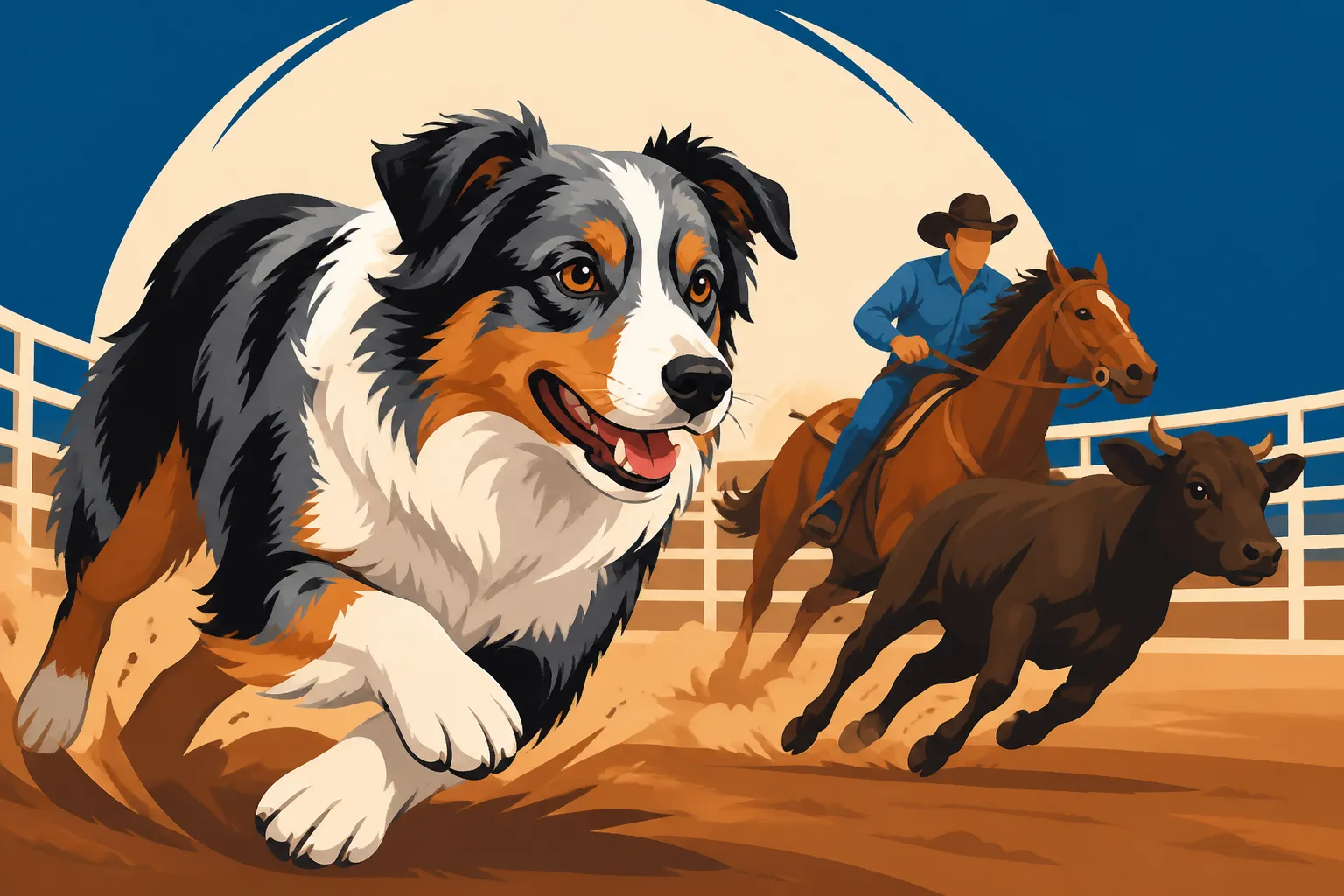
Australian Shepherds in Rodeo Arenas
For many Australian Shepherd owners today, the idea of their intelligent, energetic companion shining in a fast-paced arena might immediately bring to mind agility courses or dock diving competitions. But the truth is, long before Aussies were weaving through poles and leaping for frisbees, they were captivating audiences and working hard in the rough and tumble world of rodeo. This guide will explore the fascinating history of Australian Shepherds in rodeo arenas, uncovering how this unique environment shaped the breed's early popularity and showcased the very traits we admire in them today.
The Rodeo as a Showcase for the Aussie
It's easy to forget that the Australian Shepherd, despite its name, is an American breed, forged in the American West. As the post-war riding boom took hold, so did the popularity of rodeos. These events weren't just thrilling displays of cowboy skill; they were vibrant community gatherings, and it was in these bustling, demanding environments that the Australian Shepherd truly found its spotlight. This era was pivotal for the breed, elevating it from a ranch workhorse to a recognized, admired companion.
From Ranch Hand to Arena Star
Before they were wowing crowds, Australian Shepherds were indispensable on ranches. They were bred to manage tough, independent livestock, particularly cattle and sheep, in varied terrain. Their keen intelligence, strong herding instinct, and boundless energy made them invaluable for ranchers who needed reliable partners. When the rodeo circuit grew, many of these same working dogs, or their immediate offspring, were naturally integrated into the show. They weren't just props; they were active participants, demonstrating their innate abilities to a wider audience than ever before. This transition wasn't always a smooth jump from quiet ranch life to loud arena, but the Aussie's adaptability allowed them to thrive.
Rodeos as a Breeding Ground for Fame
The popularity of rodeos in the mid-20th century provided an incredible platform for the Australian Shepherd. It was a place where their athleticism, sharp minds, and flashy looks—especially the striking merle patterns and vibrant eye colors—could be seen by thousands. People watched in awe as these dogs performed tasks that seemed almost human in their intelligence and precision. This exposure helped solidify the breed's reputation and started its journey towards becoming one of America's most beloved canine companions. Think of it as early social media for dogs; if you wanted to see the best working dogs, you went to the rodeo.
The Aussie's Many Roles in the Arena
The Australian Shepherd wasn't just a mascot for rodeo; they had genuine, vital roles, both practical and entertaining. Their versatility meant they could shift from serious work to crowd-pleasing antics, often within the same event. This adaptability is still a hallmark of the breed today.
Herding Cattle and Other Livestock
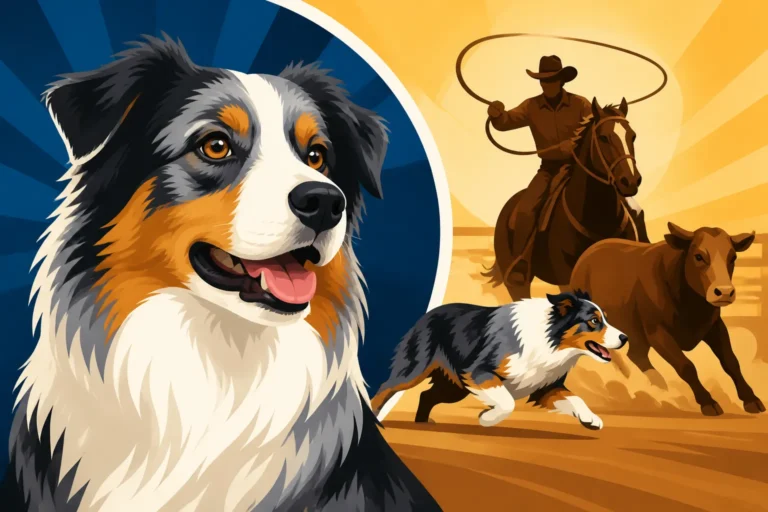
While the cowboys were wrestling steers and riding bulls, Australian Shepherds often played a critical role in managing the livestock behind the scenes and sometimes even during the show. Their primary job was often to move reluctant cattle or horses in and out of chutes, or to keep them penned in holding areas. This wasn't glamorous work, but it was essential for the smooth operation of the rodeo. A good Aussie could subtly guide a stubborn steer or quickly round up a stray, preventing delays and ensuring the safety of both animals and people. This practical application of their herding drive was a testament to their true working heritage. Their natural ability to read livestock and anticipate movement made them indispensable.
Trick Dogs and Entertainers
Beyond their utilitarian duties, many Australian Shepherds became stars in their own right as trick dogs. During intermissions or between events, these clever canines would perform elaborate routines alongside their cowboy handlers. They'd jump through hoops, walk on their hind legs, "play dead," or even "do math" by barking out answers to simple problems. These performances were hugely popular, adding another layer of entertainment to the rodeo experience. It highlighted not just their intelligence but their incredible willingness to please and their innate showmanship. This is where the breed's flashy appearance, especially the blue merles, really caught the eye of the public.
The Original Rodeo Clowns' Companions
Sometimes, Australian Shepherds would even work alongside rodeo clowns, providing distractions for bulls or helping to move them away from downed cowboys. While not as common as the herding or trick performances, this daring role further exemplified their courage and loyalty. They had to be quick, agile, and completely focused on their handler, even in the chaos of a charging bull. This wasn't a job for just any dog; it required a special kind of bravery and connection that only an Aussie could provide.
Traits That Made Them Rodeo Stars
The Australian Shepherd possesses a unique combination of physical and mental attributes that made them perfectly suited for the demands of the rodeo arena. These aren't just superficial qualities; they are deeply ingrained breed characteristics honed over generations of working alongside humans. Understanding these traits helps us appreciate why they excelled in such a dynamic environment and continue to do so in modern dog sports.
Unwavering Drive and Keen Intelligence
Perhaps the most defining trait that made Aussies excel in rodeo was their incredible drive and intelligence. These weren't dogs content to sit idly by; they needed a job, a purpose. In the rodeo, that purpose could be herding, performing, or even just being a constant, reliable presence. Their intelligence meant they could quickly learn complex commands and routines, often interpreting subtle cues from their handlers in the midst of noise and excitement. They were problem-solvers, capable of adapting on the fly when a situation didn't go as planned, which is a common occurrence in a live rodeo setting. This deep cognitive ability, combined with their relentless work ethic, made them true partners. You might see similar drive in working dogs today, and it's something every Aussie owner needs to understand, as discussed in The Australian Shepherd Herding Drive You Cannot Train Out.
Exceptional Agility and Stamina
Rodeo work, whether herding or performing tricks, required incredible physical prowess. Australian Shepherds are naturally agile, with a powerful, balanced gait that allows them to turn on a dime, dart through obstacles, and cover ground quickly. Their stamina is legendary; they could work for hours without flagging, keeping pace with horses and cattle alike. This combination of speed, agility, and endurance was critical for navigating the unpredictable environment of a rodeo arena. They had to be able to jump, weave, and accelerate instantly, often on uneven or dusty ground. This physical aptitude is why they remain stars in sports like agility today. When considering what a dog needs for such demanding work, finding durable gear is essential, and many handlers find excellent choices for high-energy breeds on Chewy.
Deep Handler Focus and Trainability
Beyond their raw talent, Australian Shepherds are known for their intense bond with their primary handler. This "eye" for their person means they are exceptionally responsive and eager to please. In a chaotic rodeo environment, this focus was paramount. A handler could give a subtle signal, and the Aussie would respond instantly, even with crowds cheering and bulls snorting. Their high trainability meant they could master a vast repertoire of commands, from intricate herding patterns to dazzling trick routines. This strong partnership was the foundation of their success, transforming them from mere animals into extensions of their human counterparts. This focus is still evident when you see an Aussie excelling in obedience or rally trials, showcasing that same intense connection.
The Transition from Rodeo to Modern Performance
While the heyday of Australian Shepherds as central rodeo stars might be in the past, their legacy lives on. The traits that made them invaluable in rodeo arenas are precisely what make them excel in modern dog sports and as devoted family companions. The shift reflects evolving dog ownership and the broadening landscape of canine activities.
The Rise of Organized Dog Sports
As rodeos became more specialized and society shifted, the need for working dogs within the performance aspect of rodeo lessened. However, the incredible capabilities of the Australian Shepherd didn't go unnoticed. Organized dog sports began to flourish, offering new outlets for their energy, intelligence, and athleticism. Agility, obedience, flyball, disc dog, and herding trials became the new arenas for these talented canines. These sports allowed the breed to continue showcasing their natural talents in a more structured, competitive environment. For instance, their ability to navigate complex courses with speed and precision is directly rooted in the agility they displayed while dodging steers.
From Trick Dogs to Agility Champions
The "trick dog" aspect of rodeo evolved into the diverse world of freestyle obedience and other performance events. The showmanship and intelligence that captivated rodeo audiences now earn titles and accolades in various canine disciplines. Many of the fundamental commands and the bond required for a successful trick routine are the same as those needed for a perfect agility run or obedience heel. It's a natural progression that highlights the enduring versatility of the breed. If you're looking for toys to engage your Aussie's clever mind, you can find a wide selection of puzzle toys and durable tugs on Chewy, perfect for channeling that same performance drive.
Maintaining the Working Drive
Despite the move away from direct rodeo involvement, the core working drive of the Australian Shepherd remains. Responsible breeders today still prioritize temperament and working ability, ensuring that the essence of what made them rodeo stars is preserved. While not every Aussie will herd sheep or compete in agility, providing them with a "job" – whether it's learning tricks, engaging in advanced obedience, or participating in casual dog sports – is crucial for their well-being. This continuity ensures that the breed remains true to its heritage, ready to tackle any challenge with enthusiasm and intelligence. For more on how to manage this energy, read Giving an Australian Shepherd a Job Instead of a Walk.
The Enduring Legacy of Rodeo Aussies
The impact of the Australian Shepherd's time in the rodeo arena extends far beyond historical anecdotes. It helped cement their reputation, define their characteristics in the public eye, and paved the way for their popularity as versatile companions and athletes today. Their story is a testament to their enduring appeal and adaptability.
Shaping Public Perception of the Breed
Rodeos played a massive role in introducing the Australian Shepherd to the wider American public. Before this, they were primarily known to ranchers and those in the livestock industry. The rodeo changed that, transforming them into recognizable and admired dogs. People saw firsthand their intelligence, courage, and beauty, which led to increased interest in the breed. This widespread exposure was crucial in moving the Aussie from a regional working dog to a national favorite. The image of a loyal, intelligent, and flashy dog performing alongside a cowboy became iconic, shaping how many people initially perceived the breed. You can learn more about this in How Rodeos Made the Australian Shepherd Famous.
The Blueprint for Modern Performance Dogs
The demands of rodeo work served as a kind of crucible, refining the traits that make Australian Shepherds so adept at modern dog sports. The speed, agility, and handler focus needed to perform in a rodeo directly translate to success in agility, flyball, and even competitive obedience. When we see an Aussie effortlessly navigating an obstacle course, we're witnessing the evolution of the same core abilities that allowed their ancestors to excel in a dusty rodeo ring. The lineage of champions in these sports often traces back to dogs with strong working and, indeed, rodeo-era roots.
A Continued Need for Engagement
The legacy also highlights a crucial point for current and prospective Australian Shepherd owners: these are dogs with a deep-seated need for mental and physical engagement. The rodeo environment provided constant stimulation and purpose. While most Aussies won't be rounding up cattle between bull riding events today, they still thrive when given a "job." Whether it's training for a sport, mastering new tricks, or simply engaging in interactive play, channeling their innate drive is essential for a happy, well-adjusted Aussie. Ignoring this deep-seated need is often why Aussies end up in rescue, as explored in The Exercise Gap That Sends Aussies to Rescue. Providing appropriate outlets for their energy and intelligence, perhaps with interactive toys from Chewy or regular training, is key to their well-being.
| Rodeo Role | Key Aussie Traits Utilized | Modern Equivalent Sports/Activities |
|---|---|---|
| Herding Livestock | Herding instinct, intelligence, drive | Herding trials, Treibball, urban herding |
| Trick Performing | Intelligence, trainability, showmanship | Freestyle obedience, trick titles |
| Livestock Management | Agility, stamina, problem-solving | Agility, flyball, disc dog |
| Cowboy Companion/Protector | Loyalty, courage, handler focus | Protection sports, service dog work |
| Crowd Entertainment | Flashy looks, engaging personality | Conformation, social media stardom |
Considerations for the Modern Aussie Owner
Understanding the Australian Shepherd's rodeo past offers invaluable insight into their present-day needs. It underscores that these are not merely attractive companions; they are intelligent, driven working dogs at heart. Ignoring their heritage can lead to common behavioral challenges.
Channeling the Herding Instinct Safely
The herding drive that made Aussies so effective in rodeo arenas is still very much alive in the breed. For a modern pet Aussie, this can manifest as nipping at heels, circling children or other pets, or trying to "organize" the household. It's not aggression; it's instinct. It's vital for owners to understand this and provide appropriate outlets. This could mean enrolling them in actual herding lessons, engaging them in Treibball as an Aussie Alternative to Sheep, or playing structured games that mimic herding behaviors, like fetching a large exercise ball. Redirecting this innate drive is far more effective than trying to suppress it entirely.
Meeting High Energy Demands
The stamina and physical prowess that allowed Aussies to work long days in a rodeo setting mean they have significant exercise needs. A simple walk around the block won't cut it for most. They need intense, varied physical activity, combined with mental stimulation. This could be long hikes, running alongside a bike (once fully grown and conditioned), or engaging in vigorous games of fetch or flirt pole. Remember, an under-exercised Aussie is often a destructive or anxious Aussie. Their physical activity also needs to be carefully managed, especially for growing puppies, as detailed in Exercise Limits for a Growing Australian Shepherd.
The Importance of Training and Mental Work
Beyond physical exertion, the intelligence and trainability showcased in rodeo trick performances highlight the Aussie's need for consistent mental engagement. These dogs thrive on learning. Daily training sessions, puzzle toys, scent work, and learning new tricks are essential to keep their minds sharp and prevent boredom. A mentally tired Aussie is often a calmer, happier Aussie. This mental workout is just as important as physical exercise in fulfilling their breed-specific needs. Many owners find a variety of engaging puzzle toys and training aids on Chewy that help to challenge their Aussie's intellect.
Embracing Their Unique Personality
Finally, the rodeo environment fostered a certain resilience and confidence in Australian Shepherds. They had to be brave, adaptable, and a little bit independent. While some Aussies can be reserved with strangers, they are fiercely loyal and devoted to their families. Embracing their unique personality—their intensity, their wit, and their unwavering companionship—is key to a successful relationship. Understanding their history helps us appreciate the magnificent dogs they are today, a blend of working grit and charming showmanship, ready for whatever adventure comes next.
Disclaimer
This article is for general informational purposes only and does not constitute professional advice. Laws, prices and regulations vary by location and change over time. Consult a qualified professional for guidance on your specific situation.