The Post-War Riding Boom That Lifted the Aussie
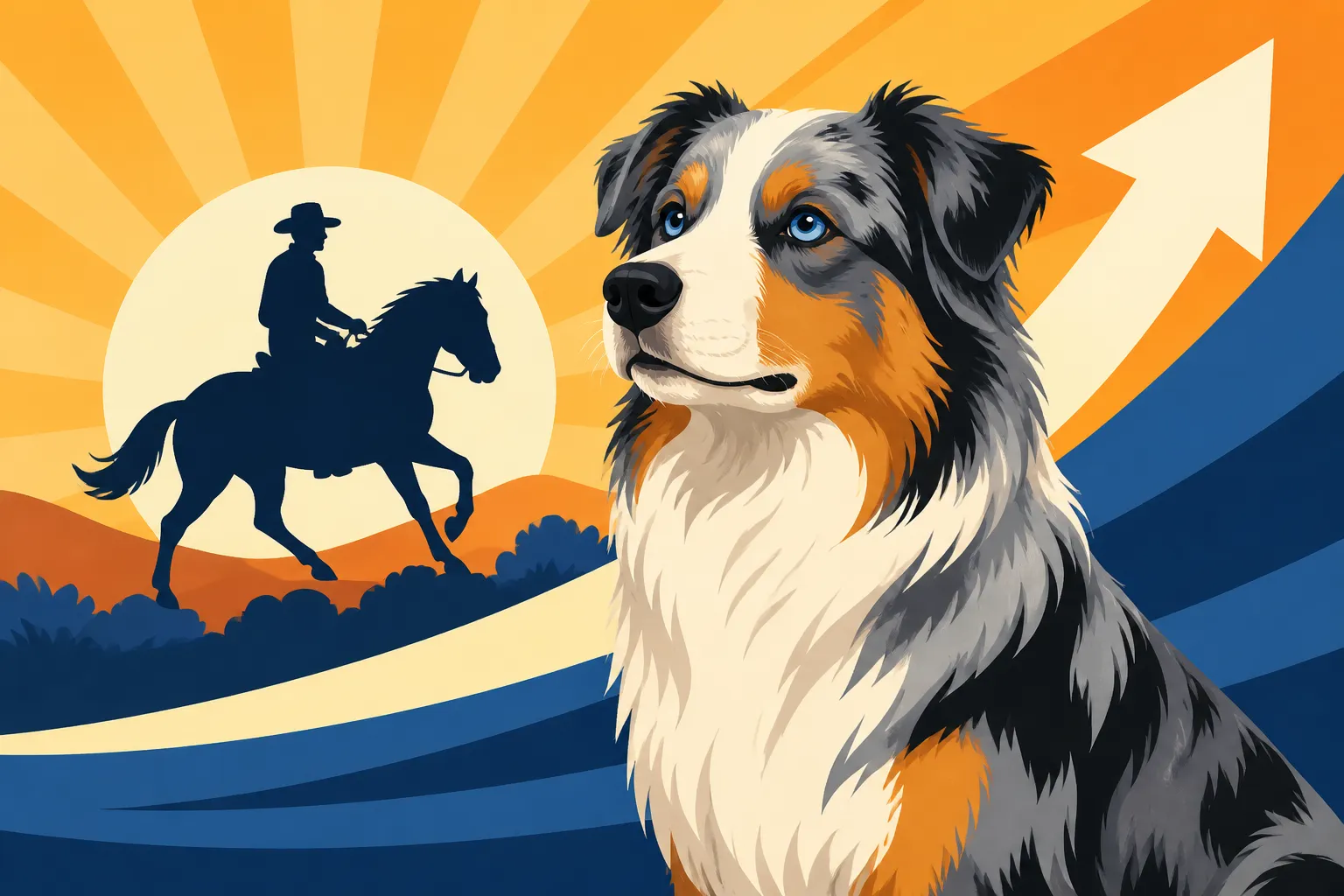
Many people today marvel at the incredible intelligence and agility of the Australian Shepherd, assuming this beloved breed has always been a prominent fixture in American homes and ranches. However, the Aussie's journey to widespread recognition is a fascinating tale deeply entwined with a very specific period in American history: the post-World War II riding boom. This guide will walk you through how the rise of recreational horseback riding profoundly shaped the Australian Shepherd's destiny, lifting them from regional work dogs to national stars.
The Australian Shepherd's Roots Before the Boom
Before they were gracing magazine covers or competing in national agility trials, Australian Shepherds were the unsung heroes of ranches across the American West. Their story is a classic example of a working dog developing in response to specific needs, far from the spotlight of public adoration. Understanding their humble beginnings helps us appreciate just how transformative the post-war era truly was for the breed.
Dispelling the Australian Myth
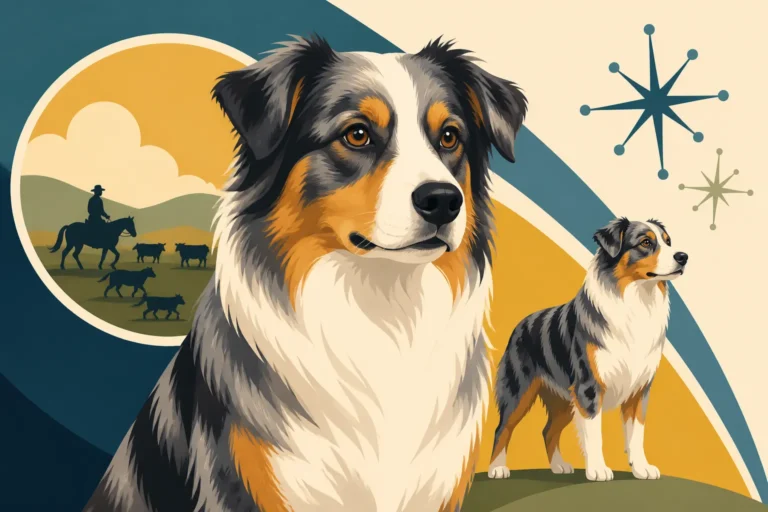
One of the most enduring misconceptions about our beloved Aussies is that they hail from the land down under. It's a natural assumption given their name, but the truth is, the Australian Shepherd is a distinctly American creation. Their ancestors, primarily various types of working collies and Pyrenean shepherds, arrived in the American West with Basque sheep herders who migrated from Europe, often stopping in Australia on their way to the States. These skilled dogs were invaluable to the shepherds tending flocks in the challenging terrain of California, Colorado, and other western states.
The name "Australian Shepherd" likely came about because some of these dogs accompanied the sheep imported from Australia to America. Ranchers noticed these efficient dogs working the sheep, and the name simply stuck, even though the breed as we know it today was refined and developed entirely within the United States. It’s a bit of a historical misnomer, but it speaks to the breed's heritage in working livestock. For a deeper dive into their true origins, check out Why the Australian Shepherd Is Not From Australia.
Early Utility on Western Ranches
In the decades leading up to World War II, Australian Shepherds were primarily functional working dogs, bred for their intelligence, endurance, and innate herding ability. They were indispensable partners to ranchers, assisting with everything from moving cattle and sheep to guarding property. These dogs weren't chosen for their flashy coats or striking blue eyes; they were chosen for their brains and their drive. Their job was to get the work done, often with little fanfare.
Life on these ranches demanded a resilient and versatile dog. The Aussie needed to be tough enough to handle demanding physical tasks, smart enough to anticipate livestock movements, and biddable enough to take direction from their handlers. This focus on utility meant that while their lineage was strong and their skills undeniable, their appearance might have varied more than what we see in today's carefully bred show lines. They were truly ranch dogs, often living out their lives without ever seeing the inside of a show ring or being marketed to the broader public. Their reputation was built on results, not glamour. You can learn more about their working history in The Basque Shepherds Behind the Australian Shepherd.
America After World War II: A New Era
The end of World War II ushered in a period of profound change across the United States. Soldiers returned home, the economy boomed, and with it came shifts in lifestyle, leisure, and even our relationship with companion animals. This societal transformation inadvertently created the perfect storm for the Australian Shepherd to step into the limelight, largely due to a newfound national enthusiasm for horses.
The Post-War Economic Landscape
After the war, America experienced unprecedented economic prosperity. The GI Bill helped returning servicemen buy homes, go to college, and start families, leading to a burgeoning middle class. People had more disposable income and, crucially, more leisure time than ever before. This wasn't just about recovering from the war; it was about building a new, more prosperous future, and part of that future involved recreational pursuits that had previously been out of reach for many.
This economic uptick meant families could afford things like suburban homes with yards, rather than just cramped city apartments. They could also invest in hobbies and activities that brought joy and a sense of connection. The rise of leisure activities, from family road trips to backyard barbecues, created a different demand for companion animals. Dogs were no longer solely for work; they were becoming integral parts of family life and recreational pursuits, setting the stage for breeds like the Australian Shepherd to find new roles.
The Rise of Recreational Horseback Riding
Amidst this economic boom, horseback riding, which had always been a part of American culture, saw a massive resurgence, but this time with a distinct recreational twist. Western riding, in particular, became incredibly popular. It wasn't just for cowboys and ranchers anymore; families in the growing suburbs were buying horses for pleasure riding, trail adventures, and participating in local rodeos and horse shows. Stables and riding academies sprung up, offering lessons and boarding to a new generation of enthusiasts.
People were drawn to the romance of the American West and the freedom of riding. They sought out breeds that were not only good riding partners but also intelligent and loyal companions to bring along. This explosion in equestrian activities created a new demand for dogs that could keep pace, both physically and mentally. Enter the Australian Shepherd, a breed already perfectly attuned to working with horses, but now with an opportunity to showcase these skills to a much wider, more appreciative audience. The horse community quickly recognized the Aussie's unique talents and charm, making them the unofficial mascot of this new riding culture.
Aussie Adaptability: Why They Excelled in the Riding World
It wasn't just luck that propelled the Australian Shepherd to fame during the post-war riding boom; it was their inherent qualities. These were dogs perfectly designed for a partnership, especially with horses and people who loved them. Their intelligence, drive, and striking looks made them irresistible to the burgeoning equestrian community.
Natural Herding Instinct and Horse Sense
Australian Shepherds possess an incredibly strong, innate herding instinct, which is their defining characteristic. This isn't just about moving sheep; it's about understanding livestock behavior, anticipating movements, and working in close concert with a handler. When horses became the focus of recreational activities, Aussies naturally translated their herding skills to these larger animals. They understood how to stay out of the way, how to gently encourage movement, and how to maintain a respectful distance, all while remaining attentive to their human partner.
This "horse sense" meant they weren't easily spooked by a galloping horse or a sudden neigh. Instead, they moved with purpose and confidence, often acting as a canine co-pilot on trail rides, helping to keep the horses focused, or simply enjoying the pace alongside their rider. Their ability to work independently but remain connected to their handler made them ideal companions for equestrians who needed a reliable and intelligent dog by their side. This natural aptitude meant they required less specialized training to integrate into a horse-centric lifestyle than many other breeds. If you're curious about this foundational trait, read The Australian Shepherd Herding Drive You Cannot Train Out.
The Aussie's Willingness to Please
Beyond their instincts, Australian Shepherds are renowned for their intense desire to please their people. This biddable nature, combined with their sharp minds, made them incredibly trainable. For equestrians, this was a huge advantage. Whether it was learning to ride alongside a horse without interfering, staying put during arena events, or performing impressive tricks, Aussies absorbed commands and delighted in executing them. They thrive on having a "job," and for many, that job became being an integral part of their human's horse-related activities.
Their eagerness to engage and learn meant they quickly became adept at tasks that might challenge other breeds. This trait not only made them excellent working partners but also fantastic companions. They love being involved in family activities and respond well to positive reinforcement training. This willingness to work with their owner, rather than just for them, forged strong bonds that resonated deeply with horse owners looking for more than just a pet, but a true partner. Even today, finding a trainer who understands this drive is key; consider looking for advice in Finding a Trainer Who Understands an Aussie.
Their Striking Appearance and Charisma
Let's be honest: Australian Shepherds are undeniably beautiful dogs. Their striking merle coats, often paired with captivating blue or bi-colored eyes, are hard to ignore. While their early development focused on working ability, their attractive appearance became a significant asset as they moved into the public eye. In horse arenas and at rodeos, these colorful dogs stood out.
Their natural charisma, combined with their intelligence and athleticism, meant they were not just working dogs, but performers. People were drawn to their vibrant personalities and their engaging presence. They moved with grace and confidence, and their expressive faces conveyed a depth of character. This visual appeal, initially a secondary trait, suddenly became a major factor in their growing popularity, making them desirable as both working partners and beloved family members. Imagine seeing an Aussie trot gracefully alongside a rider – it’s a powerful image that surely captured many hearts, much like you might see a beautiful dog featured on a bag of high-quality dog food from Chewy.
Rodeos and Horse Shows: The Aussie's Spotlight
While ranch work kept the Australian Shepherd's skills sharp, it was the lively and visible world of rodeos and horse shows that truly catapulted them into the national consciousness. These events provided the perfect stage for Aussies to demonstrate their versatility, intelligence, and charming personalities to a captivated audience far beyond the traditional ranching community.
Aussie Trick Dogs in Arena Performances
Rodeos in the post-war era were more than just competitive events; they were full-fledged entertainment spectaculars. Between bull riding and barrel racing, audiences were treated to various acts, and talented trick dogs often stole the show. This is where the Australian Shepherd truly shone. Their intelligence and eagerness to please made them incredibly adept at learning complex routines. Dogs like Jay Sisler's renowned Aussies became legendary, performing incredible feats that amazed crowds across the country.
These dogs would jump hurdles, walk tightropes, fetch specific items, and perform intricate dance routines with their handlers. Their ability to execute commands with precision and enthusiasm was unparalleled. This exposure was invaluable, showcasing the Aussie's trainability and magnetic personality to millions. People saw these dogs not just as working animals, but as intelligent, engaging companions with boundless potential. You can delve into this fascinating aspect of their history with Aussie Trick Dogs on Television. This kind of visibility sparked widespread interest and made people consider the breed for their own families and equestrian pursuits.
Companion and Working Dog at Rodeos
Beyond the dazzling trick acts, Australian Shepherds also served as invaluable working dogs and loyal companions for the cowboys, cowgirls, and families involved in the rodeo circuit. They were often seen trotting confidently alongside horses, helping to move stock in the chutes, or simply waiting patiently by their owner's side. Their natural herding instincts were put to good use, assisting with the organization and flow of livestock, ensuring the events ran smoothly.
For many rodeo participants, their Aussie was more than just a dog; it was a trusted friend and an essential member of their team, much like a well-chosen piece of equipment you might find on Chewy. These dogs traveled with their families, adapted to new environments, and provided comfort and companionship during long days on the road. This dual role — working partner and beloved family member — further solidified their reputation as an incredibly versatile and devoted breed. Their presence illustrated how adaptable they were, thriving in both the structured environment of competition and the casual setting of backstage life.
From Regional Darling to National Recognition
Before the riding boom, Australian Shepherds were largely known only within specific ranching communities in the West. Their reputation was built by word of mouth among those who understood and valued true working ability. However, as rodeos and horse shows gained national prominence, especially through televised events and touring acts, the Aussie's fame began to spread like wildfire. Suddenly, people from all corners of the country were introduced to this captivating breed.
This national exposure was critical. What started as regional appreciation for a hardy working dog quickly transformed into widespread adoration for an intelligent, beautiful, and versatile companion. Breeders began to emerge, and demand for Australian Shepherds soared. This period marked a crucial transition from being a niche working breed to becoming a recognized and admired presence in homes and competitive arenas across the United States, ultimately leading to discussions about formal breed standards and recognition by major kennel clubs. Explore more about their show ring aspirations in The Australian Shepherd in the AKC Herding Group.
The Lasting Impact of the Riding Boom
The post-war riding boom didn't just give the Australian Shepherd a temporary boost in popularity; it fundamentally shaped the breed's identity, visibility, and future. The legacy of that era continues to influence how we perceive and interact with Aussies today. It was a pivotal moment that set the stage for their enduring appeal.
Solidifying the Breed's Identity
The exposure gained during the riding boom helped to solidify the Australian Shepherd's identity. As more people sought out Aussies, there was a greater emphasis on breeding for consistent temperament, health, and appearance. While working ability remained paramount for many, the demand from the broader public also encouraged breeders to consider traits that made them excellent family companions and show dogs. This period saw the informal development of a "type" that balanced their incredible working drive with the charisma that charmed audiences.
This era also contributed to the establishment of breed clubs and the eventual push for formal recognition by organizations like the American Kennel Club (AKC) and the Australian Shepherd Club of America (ASCA). These organizations helped to define standards, ensuring that as the breed grew in popularity, its essential characteristics were preserved. The boom provided the critical mass of interest needed to organize and advocate for the breed's future, laying the groundwork for the well-loved Aussie we know today.
Expanding Beyond the Ranch
One of the most significant impacts of the riding boom was that it demonstrated the Australian Shepherd's versatility, proving they could excel in roles far beyond traditional ranch work. People saw them perform tricks, navigate busy arenas, and thrive as loyal companions. This opened the door for Aussies to enter new fields, becoming stars in dog sports like agility and obedience, and later, finding roles as therapy and service dogs. Their reputation for intelligence and trainability made them ideal candidates for these diverse endeavors.
Today, you'll find Australian Shepherds in homes across suburban neighborhoods and in city apartments, thriving so long as their mental and physical exercise needs are met. While their core herding instinct remains, their adaptability, showcased during the riding boom, proved they could integrate into various lifestyles. This expansion of their roles means that modern Aussie owners often seek out activities like Australian Shepherd Agility and Disc Sports or Australian Shepherd Scent Work Titles to fulfill their dog's innate drives, echoing the versatility first displayed in rodeo arenas.
Modern-Day Echoes of Their Rodeo Roots
Even today, you can see the echoes of the riding boom in the Australian Shepherd's popularity and common activities. Many Aussies continue to be exceptional partners for equestrians, whether on trails or in competitive riding events. Their natural affinity for horses is still a cherished trait among riders. Beyond that, their enduring presence in dog sports and their reputation as highly trainable, intelligent dogs can be directly traced back to the public's first widespread introduction to their talents in the arena.
The vibrant energy, striking looks, and eagerness to please that captivated post-war audiences are still defining characteristics that draw people to the breed. When you see an Australian Shepherd excelling in a trick routine, working stock, or simply gazing intently at their owner, you're witnessing the culmination of a history that was significantly shaped by a nation's love for horses and the open road. It's a testament to a breed that was in the right place at the right time, with exactly the right set of skills and charm to capture America's heart.
| Feature | Pre-War Australian Shepherd Role | Post-War Australian Shepherd Role (Riding Boom) |
|---|---|---|
| Primary Environment | Isolated Western Ranches | Ranches, Rodeos, Horse Shows, Early Suburbs |
| Main Function | Purely functional herding and livestock management | Herding, Rodeo Entertainment, Companion, Family Pet |
| Public Recognition | Minimal, regional word-of-mouth | Widespread, national, often through media |
| Appearance Importance | Secondary to working ability | Increasingly important for appeal and recognition |
| Breeding Focus | Purely on working drive and resilience | Balancing working drive, temperament, and appearance |
| Social Role | Working partner, sometimes guardian | Working partner, family member, performer, leisure companion |
| Exposure Catalyst | Daily ranch work | Rise of recreational horseback riding, rodeos |
The Australian Shepherd’s incredible journey from the ranches of the American West to a beloved national breed is a testament to their enduring qualities and the fascinating way historical shifts can influence a dog's destiny. So next time you see one of these magnificent dogs, remember the cowboys, cowgirls, and horse enthusiasts who helped lift the Aussie into the spotlight, proving that sometimes, a good partner just needs the right stage. And don't forget that modern owners can still find everything they need for their energetic Aussies, from durable toys to training treats, readily available from retailers like Chewy.
Disclaimer
This article is for general informational purposes only and does not constitute professional advice. Laws, prices and regulations vary by location and change over time. Consult a qualified professional for guidance on your specific situation.