How Tall a Male Australian Shepherd Stands
Bringing home an Australian Shepherd puppy is an exciting adventure, but it also comes with a lot of questions, especially about how big they're truly going to get. It’s natural to wonder about their eventual size, particularly for male Aussies, as their height can impact everything from the size of crate you need to how easily they fit into your daily life. This guide will walk you through what to expect regarding a male Australian Shepherd's height, from breed standards to individual growth factors.
Understanding the Australian Shepherd Standard for Height
When we talk about how tall a male Australian Shepherd should stand, we often refer to the breed standard. This isn't just a fancy guideline for show dogs; it's a blueprint that describes the ideal characteristics of the breed, helping maintain consistency and preserve traits that make Aussies such incredible companions and working partners.
The Ideal Range for a Male Aussie
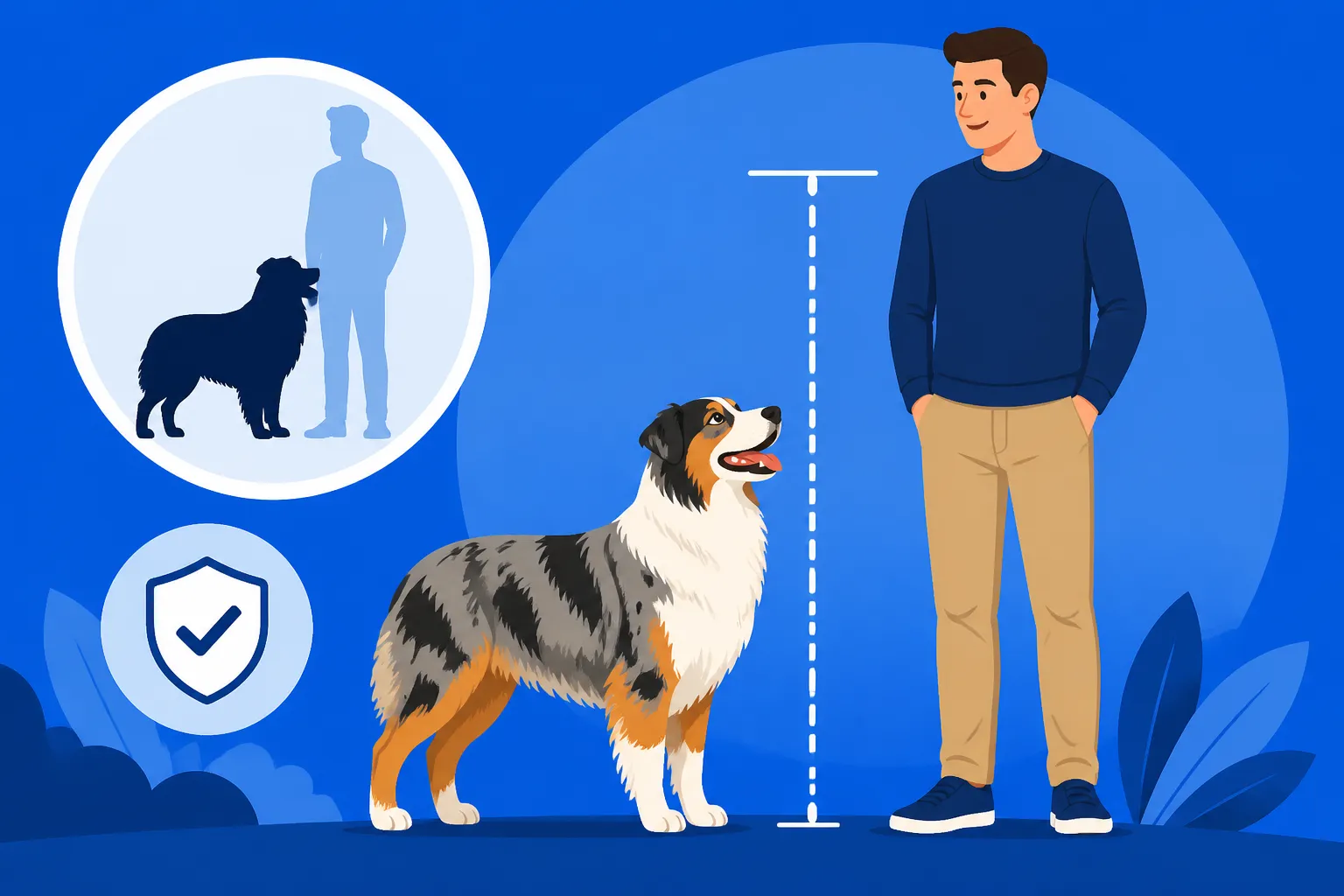
The Australian Shepherd Club of America (ASCA) and the American Kennel Club (AKC) both outline specific height requirements for the breed. For males, the standard typically calls for a height ranging from 20 to 23 inches at the shoulder. This measurement is taken from the ground to the highest point of the shoulder blades (the withers) when the dog is standing squarely. While a few inches might not seem like much on paper, it can make a noticeable difference in their overall presence and physical capabilities. A 23-inch male Aussie, for example, will generally appear more substantial and perhaps even more athletic than one at the lower end of the spectrum. It's important to remember that this is an average range, and individual dogs can sometimes fall slightly outside it while still being healthy and happy. You can learn more about these guidelines in Australian Shepherd Height and Weight.
Why the Standard Matters for Breeders and Owners
For breeders, adhering to the standard is crucial for maintaining the integrity of the breed. They strive to produce dogs that fit within these guidelines, not just for aesthetics but also because these physical traits are often linked to function. For instance, a dog that is too tall or too short might not move as efficiently or possess the stamina required for the demanding work Aussies are known for.
For prospective owners, understanding the standard helps set realistic expectations. If you’re looking for a smaller, more compact dog, an Aussie might not be the right fit, or you might need to specifically seek out lines known for producing dogs on the smaller end of the standard. Conversely, if you're prepared for a larger, more robust dog, knowing the upper limits helps you plan for everything from larger crates to bigger food bowls. The standard also provides a basis for health; extreme deviations can sometimes indicate underlying issues or poor breeding practices. Responsible breeders will often share information about their dogs' pedigrees and how they meet The Australian Shepherd Standard and What Judges Want.
Factors Influencing a Male Aussie's Final Height
While the breed standard gives us a good benchmark, several factors can influence where an individual male Australian Shepherd lands within or even slightly outside that ideal height range. It's never as simple as looking at the parents and assuming your puppy will be an exact clone.
Genetics Beyond the Parents
Of course, genetics play the biggest role. A puppy inherits genes from both its mother and father, and sometimes even from grandparents or great-grandparents that are not immediately visible in the parents' own stature. This is why a breeder will often talk about the entire "line" of dogs. A male Aussie puppy from two parents who are both 21 inches tall might still have a littermate that reaches 23 inches, or one that only makes it to 19 inches, if there are variations further back in the family tree. It's a complex interplay of dominant and recessive genes that ultimately determine bone growth and overall frame size. Breeders who meticulously track their lines and conduct genetic testing are better able to predict the potential size of their puppies, though there are always surprises in nature.
Nutrition and Growth
Proper nutrition during puppyhood is absolutely critical for healthy growth and development, including achieving their genetic height potential. Malnutrition or an inappropriate diet can stunt growth, leading to a smaller adult size than genetically predisposed. On the flip side, overfeeding, especially with diets too high in certain nutrients for rapid growth, can cause its own set of problems. Too much calcium or phosphorus, or simply too many calories, can lead to orthopedic issues like uneven bone growth or joint problems, even if the dog reaches its expected height.
It's a delicate balance. Young Aussie puppies need a diet specifically formulated for large-breed puppies to support their fast growth without promoting too rapid growth. High-quality kibble from reputable brands, or carefully balanced home-cooked or raw diets, are essential. Many owners find excellent options for large breed puppy food through retailers like Chewy, ensuring they get the right balance of nutrients. You can dive deeper into this topic by reading Feeding an Aussie Puppy to Fifty Pounds.
Spay/Neuter Timing and Growth Plates
This is a really interesting factor that many new owners don't realize can impact a dog's final size. Growth plates are areas of cartilage at the ends of long bones in puppies and young dogs. These plates produce new bone tissue, gradually hardening into solid bone as the dog matures. This process, called "closure," signals the end of linear bone growth.
Sex hormones play a significant role in signaling when these growth plates close. If a male Australian Shepherd is neutered too early, before his growth plates have naturally closed, the absence of testosterone can delay their closure. This delay means the bones continue to grow for a longer period, potentially resulting in a taller dog with a lankier build. Conversely, dogs neutered after their growth plates have closed will not experience this growth effect.
While a slightly taller dog might not seem like a problem, altered growth plate closure can sometimes affect joint health and conformation. Many vets and breeders now recommend waiting until a male Aussie is at least 18-24 months old, or even fully mature, before neutering to allow his body to develop naturally. This decision should always be made in consultation with your veterinarian, considering all aspects of your dog's health and lifestyle. For more information on this, check out Neuter Timing Around Aussie Growth Plates and Australian Shepherd Growth Plates and When They Close.
What to Expect During Your Male Aussie's Growth
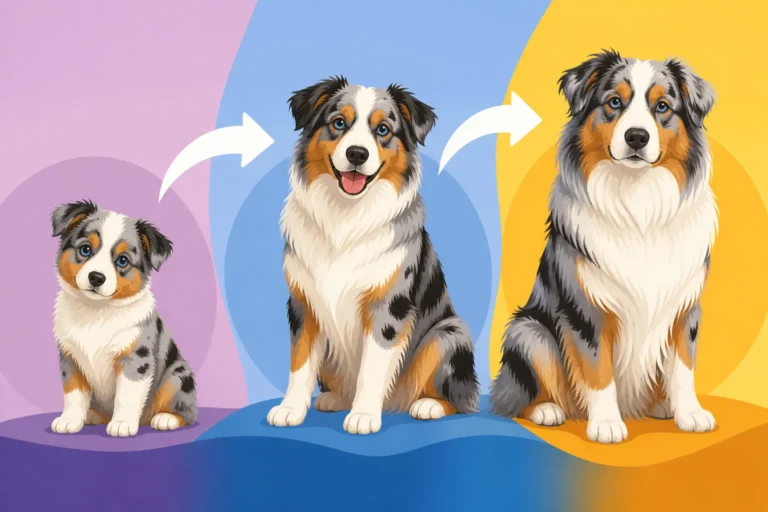
Watching an Australian Shepherd puppy grow is like watching a fascinating time-lapse video. They transform from a tiny, fluffy bundle into a sleek, powerful dog remarkably quickly. Understanding the typical growth phases can help you anticipate their changing needs and address any concerns early on.
Typical Growth Phases
Australian Shepherds, like many medium-to-large breeds, experience several distinct growth phases.
- Birth to 4 Months: This is the period of most rapid growth. Puppies gain weight and height at an astonishing rate. They often look quite "leggy" during this time, with their bodies struggling to catch up to their fast-growing limbs. Their bones are still very soft, and their immune systems are developing. Proper nutrition is paramount, and exercise should be kept moderate to avoid stress on developing joints.
- 4 to 8 Months: Growth starts to slow slightly but remains substantial. They'll continue to fill out and gain muscle mass. This is often the awkward teenage phase, where they might look a bit disproportionate. Their coordination might not keep up with their size, leading to goofy tumbles. This is a critical time for socialization and training, as their minds are as busy as their bodies.
- 8 to 18 Months: While much of their height will be achieved by 8-12 months, male Aussies will continue to gain bone density and muscle mass, "filling out" their frame. They might add another inch or two in height, but the most significant changes will be in their body's width and depth. They start to look more like adult dogs during this period.
- 18 to 24 Months (and beyond): Most male Aussies will have reached their full adult height by 18 months, though some can continue to mature and fill out until two years of age or even slightly older. This is when their muscles fully develop, and their adult coat comes in. They transition from being a "teenager" to a fully mature adult.
Keeping a growth chart can be a fun way to track your puppy's progress and compare it to general guidelines. You can often find examples of an Australian Shepherd Puppy Growth Chart online to help you visualize these stages.
When Growth Plates Close and Height Stabilizes
As mentioned earlier, the closure of growth plates marks the end of linear bone growth. For male Australian Shepherds, these plates typically close between 14 and 20 months of age. The exact timing can vary slightly depending on genetics, nutrition, and whether they are spayed or neutered early. Once these plates are fused, the dog will not get any taller.
This is a crucial period for managing exercise. Before growth plates close, strenuous activities like excessive jumping, hard impact sports, or long-distance running on hard surfaces can put undue stress on the soft cartilage of the growth plates, potentially leading to injuries or developmental problems. It's why many experienced owners and vets recommend waiting until full maturity before engaging in highly demanding dog sports like agility or frisbee. Exercise Limits for a Growing Australian Shepherd can offer more insights here.
Spotting Growth Anomalies
While most Aussie puppies grow within a healthy range, it's always good to be observant for any potential anomalies. Significant limping, reluctance to play, or visible deformities in their legs could indicate underlying issues such as osteochondrosis dissecans (OCD) or panosteitis ("growing pains"). These conditions, while sometimes self-limiting, should always be evaluated by a veterinarian. Rapid, uneven growth can also sometimes point to nutritional imbalances or genetic predispositions that need attention. Trust your gut; if something doesn't look or feel right with your growing puppy, a vet visit is always the best course of action.
Practical Considerations for a Taller Aussie
A few inches here or there might not seem like much, but when you live with a dog day-to-day, their size can absolutely impact practical aspects of life, especially for a taller male Australian Shepherd.
Gear and Space Requirements
A taller Aussie means more space is needed. Think about their crate, for instance. A dog should be able to stand up, turn around, and lie down comfortably in their crate. A 23-inch tall Aussie will need a larger crate than a 20-inch one, and opting for the next size up is often a good idea from the start. This also applies to dog beds, car travel setups, and even the height of your countertops if your curious Aussie likes to "counter surf!"
Food and water bowls should also be considered. Taller dogs can sometimes benefit from elevated bowls, which can promote better digestion and reduce strain on their neck and joints, especially as they get older. While this isn't universally required, it's a worthwhile consideration, and you can find a wide range of options through retailers like Chewy. Beyond physical gear, a taller, rangier dog might need more room to stretch out in your home or yard, and their longer stride means they cover ground more quickly on walks. Planning for these needs ensures a comfortable life for your companion. Many helpful products can be found in categories like Australian Shepherd Crates, Long Lines and Gear.
Joint Health in Larger Aussies
Larger dogs, and those that are naturally taller, can sometimes be more prone to joint issues due to the increased stress on their bones and cartilage. Conditions like hip and elbow dysplasia, while genetic, can be exacerbated by excessive weight or inappropriate exercise during growth. Keeping your Aussie at a lean, healthy weight throughout their life is one of the most important things you can do to protect their joints.
For working Aussies or those involved in high-impact sports like agility, ensuring their joint health is paramount. Providing appropriate joint supplements, especially as they age, can be beneficial. Look for ingredients like glucosamine, chondroitin, and MSM, and always discuss these with your vet. A diet that includes beneficial fatty acids, perhaps from fish oil, can also support overall joint health. You might find it helpful to read Joint Support in a Working Aussie Diet for more detailed information. Monitoring for signs of stiffness or discomfort, particularly after exercise, is key. If your Aussie seems to be favoring a leg or showing reluctance to engage in activities they once loved, it’s always best to consult your vet. Early intervention can make a significant difference in managing conditions like arthritis and helping your dog stay comfortable and active for longer. Some older Aussies, especially those who've had demanding working careers, might eventually get An Aussie Stiff After a Career in Agility.
Ultimately, whether your male Australian Shepherd reaches 20 inches or 23 inches at the shoulder, the most important thing is that they are healthy, well-nourished, and receiving appropriate exercise and care. Their height is just one small part of what makes them the incredible, intelligent, and devoted companions we all adore.
Disclaimer
This article is for general informational purposes only and does not constitute professional advice. Laws, prices and regulations vary by location and change over time. Consult a qualified professional for guidance on your specific situation.