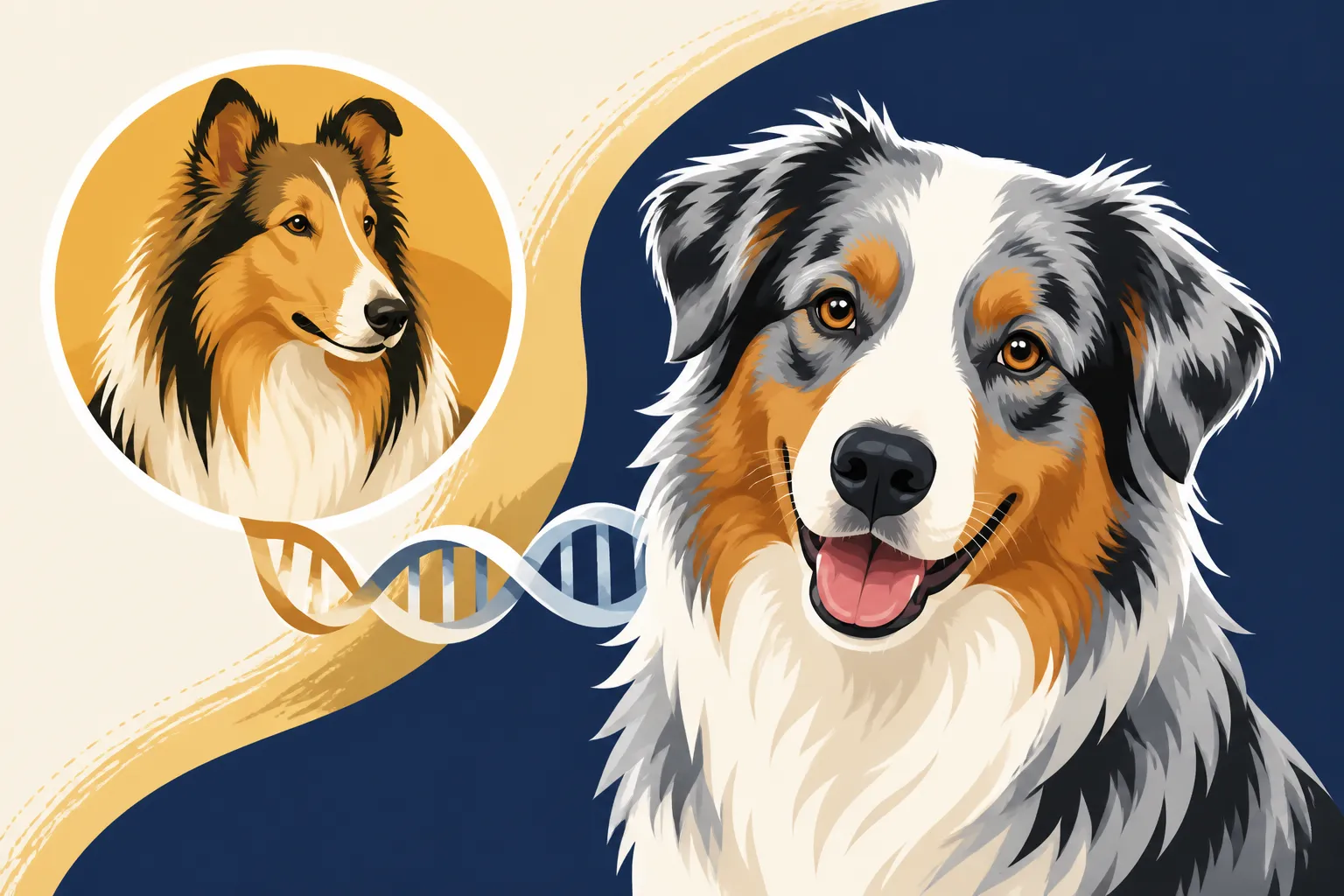
Collie Blood in the Australian Shepherd
It’s a question many Australian Shepherd owners, myself included, have pondered: just how much "Collie blood" runs through our beloved Aussies' veins? When you look at their intelligence, their intense stare, and that undeniable herding instinct, it’s easy to see why the comparison to various Collie breeds often comes up. But digging into the history of the Australian Shepherd reveals a fascinating tapestry of herding dog lineages, and yes, Collies certainly played a significant, though often indirect, role in shaping the breed we know and adore today. This guide will explore that connection, unraveling the historical threads that tie Aussies to their Collie ancestors and explaining why understanding this heritage is so important for every owner.
The Historical Weave: Early Herding Dogs in the American West
The story of the Australian Shepherd is not a straightforward lineage from a single breed, but rather a complex mingling of various working dogs brought to the American West. These were dogs selected for their ability to handle flocks and herds, not for their pedigree papers, which were largely irrelevant to the tough, practical demands of ranch life. It was a time of necessity, where function trumped form, and the dogs that excelled at the job were the ones that continued to contribute to the gene pool.
European Roots and the Immigrant Journey
Many of the foundational dogs that eventually contributed to the Australian Shepherd arrived in the United States with European immigrants, particularly those coming from the Basque regions of Spain and France. These shepherds brought their trusted working dogs with them, often via Australia or New Zealand, which is one of the theories behind the "Australian" in our breed's name. These dogs weren't necessarily what we would recognize as modern Border Collies or Scottish Collies today, but they were their ancestors – robust, intelligent herding types. They were the original "sheepdogs," varied in appearance but uniform in their drive to work livestock. They had to be versatile, able to navigate diverse terrains and handle different types of stock, from stubborn sheep to wilder cattle. This adaptability was a hallmark trait that would be passed down through generations. The journeys these dogs undertook were arduous, and only the toughest, most resilient individuals survived to establish new lines in the demanding landscape of the American West.
The Melting Pot of Herding Breeds
Once in America, these imported European herding dogs, including those with what we now generically call "Collie blood," interbred with local working dogs and other imported breeds that proved equally adept. The goal was simple: produce the best possible working dog for the ranch. Ranchers and cowboys weren't too concerned with purebred lines; they were looking for performance. This meant a constant selection pressure for traits like keen intelligence, biddability, stamina, and that undeniable "eye" for herding. Dogs with strong herding instincts, regardless of their exact lineage, were favored. This created a diverse genetic pool where various types of Collies, often referred to simply as "shepherd dogs" or "farm collies," mingled with other European herding types like the Pyrenean Shepherd, shaping a new kind of working dog uniquely suited to the American frontier. The result was a dog that could work vast open ranges, often independently, and then settle down at the end of a long day. The Basque Shepherds Behind the Australian Shepherd is a fascinating read if you want to dive deeper into those specific contributions.
Identifying the "Collie" Influence: Beyond Just the Name
When people talk about "Collie blood" in Australian Shepherds, they're often referring to the general type of herding dog that was prevalent in the British Isles and parts of Europe, rather than specifically a modern Border Collie or Rough Collie. These were dogs bred for centuries to work sheep, developing a suite of traits that are still evident in Aussies today.
Shared Instincts: The Herding Drive
Perhaps the most obvious influence of Collie ancestry on the Australian Shepherd is their intense herding drive. This isn't just about chasing; it's about control, about moving animals with purpose and intelligence. Like their distant Collie relatives, Aussies possess a strong desire to gather and manage, often displaying the characteristic "eye" – a focused, intense stare used to intimidate and direct livestock. This instinct is so ingrained that it's often the first thing new Aussie owners notice. Whether it's rounding up children, circling the family cat, or attempting to herd inanimate objects like a vacuum cleaner, the impulse is undeniable. This drive is so fundamental, you simply The Australian Shepherd Herding Drive You Cannot Train Out. It’s part of their operating system, a genetic blueprint passed down from generations of working dogs, many of which shared common ancestors with Collies. This shared heritage speaks volumes about their inherent capabilities.
Physical Similarities and Divergences
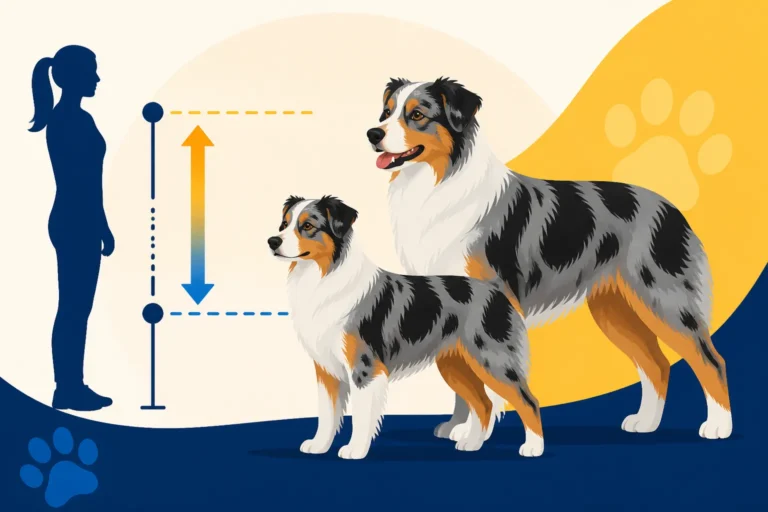
While modern Australian Shepherds and Collies (like Border Collies or Rough Collies) have distinct breed standards today, if you look at older photographs of working Collies from the 19th and early 20th centuries, you'll see more striking resemblances. Both breeds tend to be medium-sized, agile, and possess coats designed for protection in various weather conditions. Their intelligent, attentive expressions often share similar qualities. Early Collies, particularly the rough-coated varieties, had double coats with a dense undercoat and longer guard hairs, much like the Australian Shepherd. The physical structure, designed for endurance and quick movement over varied terrain, also shows commonalities. However, over time, selective breeding for specific aesthetic and working traits has led to divergences. For instance, the Australian Shepherd standard often emphasizes a more compact build, moderate bone, and a slightly different head shape compared to some modern Collie types. Yet, the underlying functional structure for a durable, athletic herding dog remains a strong point of connection. You can see some of these nuances by examining Australian Shepherd Proportions in the Standard.
The Basque Connection and Independent Evolution
While Collie-type dogs provided a significant foundation, it's crucial to remember that the Australian Shepherd didn't just inherit these traits and stop there. The breed continued to evolve in a very specific environment, shaped by the needs of American ranchers, particularly those of Basque descent, leading to a distinct identity.
Basque Shepherds and Their Dogs
The Basque people, renowned for their sheepherding traditions, brought their own unique strain of working dogs to the American West, particularly during the California Gold Rush and subsequent sheep ranching booms. These dogs, often referred to as "Pyrenean Shepherds" or simply "Basque dogs," were instrumental in working the vast flocks across the Western states. They were hardy, independent, and tireless, capable of making decisions on their own when separated from the shepherd for long periods. These dogs were distinct from the British Collies but shared the fundamental herding intelligence. When these Basque dogs interbred with the various Collie types already present in the American West, it created a robust and versatile offspring. This intermingling added layers of specific traits, such as increased resilience to harsh climates and a strong protective instinct, which were highly valued by the pragmatic ranchers. It’s fair to say that the genetic contributions were truly a global effort.
American Ranchers Shaping a New Breed
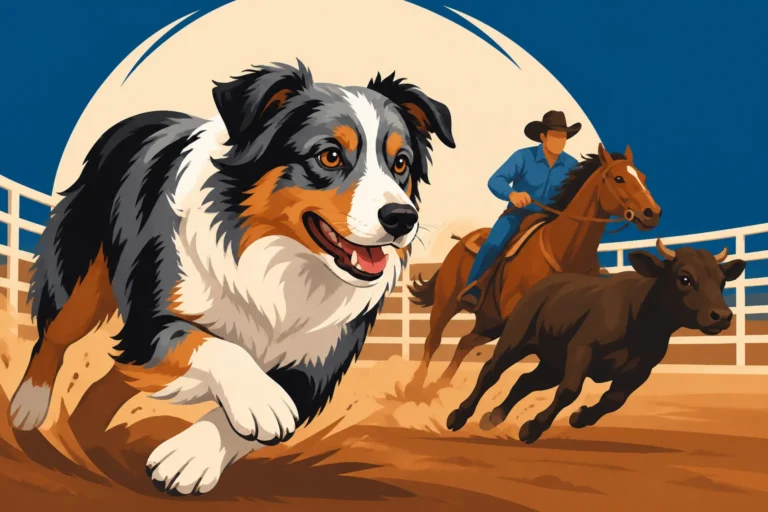
The selection process for what would become the Australian Shepherd was almost entirely driven by American ranchers. They weren't looking to preserve a European breed; they were creating a new one, tailor-made for their specific needs. This meant selecting for dogs that could work cattle as effectively as sheep, handle the intense heat of summer and the bitter cold of winter, and possess the stamina for extremely long days. The working style of the Australian Shepherd evolved to be slightly different from some pure "Collie" types. While still exhibiting the characteristic "eye," many Aussies developed a more upright, loose-eyed style, capable of moving quickly to head off stock, often using their bodies more aggressively than some traditional Collies. This practicality-driven breeding, focused purely on results in the field, is where the Australian Shepherd truly forged its own identity. It’s a story rooted in the American spirit of ingenuity and adaptation. To understand the origins fully, it's worth exploring Where the Australian Shepherd Was Actually Developed.
Distinguishing the Modern Australian Shepherd from its Ancestors
While the historical ties to Collies are undeniable, the modern Australian Shepherd is its own distinct breed, recognized globally and cherished for its unique characteristics. Time, environment, and deliberate breeding choices have all played a part in this evolution.
Temperament and Working Style Differences
Today, when we compare an Australian Shepherd to, say, a Border Collie, we see distinct differences in temperament and working style, despite their shared ancestry. Border Collies are often known for their intense "crouch and stare" herding style, meticulously controlling stock with their eyes and subtle movements. Australian Shepherds, while possessing the "eye," tend to work with a more upright, "loose-eyed" approach, often using their bodies to block and direct animals. They can be more assertive and physical in their herding, especially with larger stock like cattle. Temperamentally, Aussies are often described as being more reserved with strangers initially but incredibly devoted to their families, showcasing a strong protective streak. While Border Collies are also loyal, their intensity is sometimes solely focused on the task at hand. The Aussie's versatility and willingness to adapt to various tasks beyond just herding, from agility to disc dog, also highlight its unique working character. If you've ever watched an Aussie work, you'll understand their Australian Shepherd Temperament and Working Character.
Genetic Distinctiveness
Modern genetic research further solidifies the Australian Shepherd's status as a distinct breed, even while acknowledging its diverse heritage. While DNA tests can show shared genetic markers with various herding breeds, including Collies, they also reveal unique genetic signatures that define the Aussie. The specific combination of genes that produce the merle coat pattern, for instance, is prevalent in Australian Shepherds, though also found in some Collies. However, the overall genetic profile, developed through generations of selection in the American West, has created a unique canine identity. Breeders today rely on sophisticated tools like DNA panels to screen for various health conditions, confirming the genetic makeup of their dogs and highlighting the differences from other breeds. The Genetic Panel Every Australian Shepherd Needs is a crucial tool in responsible breeding, and these panels clearly delineate the Aussie as a separate, established breed. The evolution from a general "Collie type" to the specific Australian Shepherd is a testament to focused breeding efforts over decades.
Why Understanding Ancestry Matters for Today's Aussie Owners
For us owners, understanding that "Collie blood" and the broader herding dog heritage isn't just a historical footnote; it's a key to unlocking our Australian Shepherd's potential, managing their quirks, and ensuring they live their best lives. Their past is truly a map to their present behavior and needs.
Appreciating Drive and Training Needs
Knowing that your Australian Shepherd carries the genetic legacy of generations of working dogs, many of them Collie-type herders, is absolutely essential for successful ownership. It helps you understand why they try to herd your children, nip at heels, or become overstimulated by moving objects. This isn't naughtiness; it's an instinct that literally defines them. You can't train out herding drive, but you can channel it constructively. This might mean enrolling in dog sports like agility, obedience, or even urban herding with a fitness ball. Mental stimulation is just as vital as physical exercise, providing an outlet for their sharp minds. Toys that require problem-solving, like those available at retailers like Chewy, can be excellent for this. Without proper outlets, that intense drive can manifest as undesirable behaviors like excessive barking or destructive chewing. Why Herding Instinct Is the Aussie Operating System provides a deeper dive into this fundamental aspect of Aussie behavior.
Health Insights from Shared Heritage
Understanding the ancestral links also offers insights into potential health considerations. While Australian Shepherds have their own specific breed-related health concerns, some conditions might be found across various herding breeds due to shared lineage. For example, the MDR1 mutation, which affects drug sensitivity, is prevalent in many Collie-type breeds, including Australian Shepherds. Similarly, certain eye conditions or sensitivities might be traced back to common ancestors. Knowledge of these shared predispositions allows for proactive health management, better communication with your veterinarian (especially if you order specific health-focused foods or supplements from places like Chewy), and informed breeding decisions. It underscores the importance of seeking out responsible breeders who conduct thorough health testing, rather than just relying on superficial appearances. Regular vet check-ups are always a must, and understanding your dog's ancestral health blueprint can help you and your vet stay ahead of potential issues.
The Modern Aussie: A Legacy Honored
The Australian Shepherd is a magnificent breed, a testament to centuries of selective breeding for intelligence, athleticism, and an unwavering desire to work. While the term "Collie blood" might be a simplification of a complex genetic history, it aptly captures the essence of their herding heritage. From the Basque Country to the American West, and through the contributions of many unnamed but invaluable herding dogs, the Aussie has emerged as a unique and cherished companion. By appreciating their history, we can better understand their instincts, meet their needs, and strengthen the incredible bond we share with these intelligent, loyal, and endlessly energetic dogs. So next time your Aussie stares intently at a flock of pigeons or tries to round up the kids, you can offer a knowing nod to their "Collie blood" and the rich tapestry of working dog history that flows through their veins.
| Ancestral Trait | Collie-Type Influence | Basque/American Rancher Influence | Modern Aussie Manifestation |
|---|---|---|---|
| Herding Style | "Eye," gathering instinct, biddability | Loose-eyed, upright, assertive, broad coverage | Versatile, works various stock, can be physical |
| Temperament | Intelligence, loyalty, sensitivity | Independence, protective, reserved with strangers | Highly intelligent, devoted, can be wary |
| Physicality | Medium size, agile, double coat, endurance | Robust bone, adapted to harsh climates, strong stamina | Athletic, durable, distinctive coat colors |
| Work Ethic | Strong desire to please, intense focus | Decision-making capacity, tireless drive | High energy, requires a "job," mentally stimulating |
Disclaimer
This article is for general informational purposes only and does not constitute professional advice. Laws, prices and regulations vary by location and change over time. Consult a qualified professional for guidance on your specific situation.