Australian Shepherd Beds That Survive Chewing
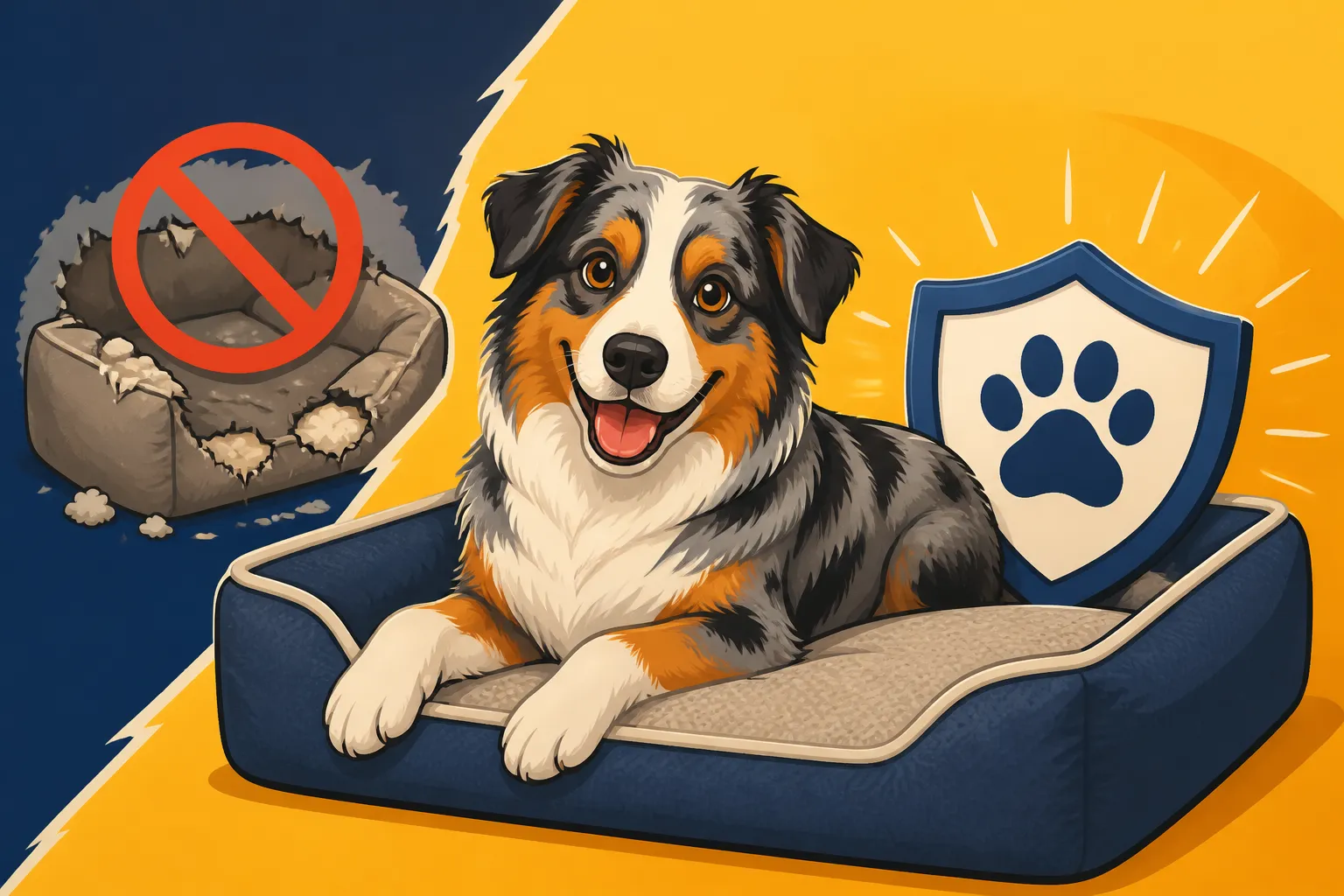
It's a familiar sight for many Australian Shepherd owners: you invest in a comfy, plush dog bed, only to find it shredded into a snowy landscape of stuffing and fabric just a few days later. Aussies are intelligent, active, and can be incredibly determined chewers, turning even seemingly durable beds into a pile of confetti. This guide will walk you through why your Australian Shepherd might be demolishing their sleeping spots and, more importantly, how to choose and introduce a bed that stands a real chance against their powerful jaws and relentless drive.
Understanding Why Your Australian Shepherd Chews Their Bed
Before we can even think about finding a bed that will last, we need to get to the root of why your Australian Shepherd is turning their cozy corner into a war zone. It's rarely out of malice; instead, it's often a manifestation of instinct, developmental stages, or unmet needs. Understanding these triggers is the first step toward a peaceful, intact bed.
Puppy Teething and Exploration
Just like human babies, Australian Shepherd puppies explore the world with their mouths. From about three to six months old, they're actively teething, which means their gums are sore, and chewing provides immense relief. Anything and everything becomes a target, and a soft, yielding dog bed is often a prime candidate. It feels good on their gums, and it's easy to shred, offering satisfying sensory feedback. They're not trying to be destructive; they're simply trying to soothe discomfort and learn about their environment. This exploratory phase can continue even after teething, as young Aussies are constantly learning what items are "theirs" and what is off-limits. You might remember the chaos of Australian Shepherd Puppy Biting and Herding Nips, and bed destruction is just another facet of this oral exploration.
Boredom, Anxiety, or Excess Energy
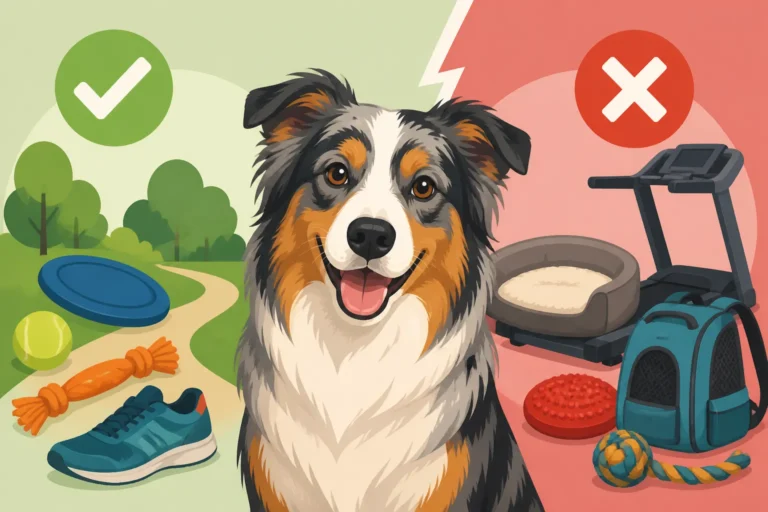
An under-exercised or under-stimulated Australian Shepherd is a destructive Australian Shepherd. These dogs were bred to work, to think, and to move for hours on end. If their physical and mental needs aren't being met, that boundless energy and sharp mind will find an outlet, and often, that outlet is destructive chewing. A dog left alone with nothing to do for long periods can quickly develop boredom, which leads to seeking entertainment through chewing. Furthermore, separation anxiety or general stress can manifest as destructive behaviors. An Aussie who is feeling anxious might chew to self-soothe, and their bed, which carries their scent and is a safe space, might become the target. It's a way to cope with overwhelming feelings, and a shredded bed is often a cry for help or more engagement. Without enough How Much Daily Exercise an Australian Shepherd Needs or proper mental stimulation, that bed doesn't stand a chance.
Material Preference and Instinct
Sometimes, it's not just about energy or anxiety; it's about the material itself. Many traditional dog beds are made from soft, woven fabrics that, to an Australian Shepherd, feel remarkably like prey. The act of tearing and shredding can tap into their natural hunting and 'killing' instincts. They might enjoy the tactile sensation of ripping fabric or pulling out stuffing. Certain textures might be more appealing than others, and a bed that offers little resistance might be seen as an easy "win." For an Aussie, the satisfying sound and feel of tearing fabric can be its own reward, reinforcing the behavior. This is particularly true if they aren't provided with appropriate and durable Chew Toys That Last With an Australian Shepherd to redirect this natural drive.
What Makes a Dog Bed "Chew-Proof" for an Australian Shepherd?
When you're trying to find a bed that can stand up to the sheer will and jaw power of an Australian Shepherd, you need to think beyond "cute" or "fluffy." It’s about science, engineering, and understanding canine behavior. A truly chew-resistant bed isn’t just tough; it’s designed to be unappealing or impossible to destroy.
Durable Materials and Construction
The foundation of any chew-proof bed lies in its materials. Forget flimsy cotton or thin fleece. We're talking about industrial-strength fabrics and robust internal structures.
- Ballistic Nylon: This is one of the most common and effective materials. Originally developed for military flak jackets, ballistic nylon is incredibly dense, tightly woven, and resistant to tearing and abrasion. Look for 1680 denier or higher for serious chewers. While it's not entirely indestructible against the most dedicated Aussie, it makes the job incredibly difficult and often not worth the effort for your dog. Brands often highlight this material in their "tough" bed lines.
- Ripstop Fabric: Similar to ballistic nylon, ripstop fabrics are woven with a special reinforcing technique that makes them resistant to tearing and ripping. If a small tear does occur, the ripstop pattern prevents it from spreading further. This is a good choice for beds that need to endure general wear and tear as well as some light chewing.
- Heavy-Duty Canvas: Thick, industrial-grade canvas can also stand up to a lot. It's not as slick as ballistic nylon, sometimes offering a more natural feel, but its tightly woven fibers make it very difficult for teeth to penetrate or tear.
- Metal or PVC Frames: For elevated cot-style beds, the frame itself needs to be robust. Look for heavy-gauge metal (like steel or aluminum) or high-grade PVC that won't easily bend, snap, or be chewed through. The fabric portion then sits taut within this frame, making it harder to get a purchase to chew.
Beyond the fabric, inspect the seams. Double-stitched seams, hidden zippers, or reinforced corners are crucial. A bed is only as strong as its weakest point, and often, that's where an Aussie will start their deconstruction project.
Design Features to Deter Chewing
It's not just what a bed is made of, but how it's put together that matters. Specific design choices can make a bed less appealing or physically harder to chew.
- No Edges or Corners to Grab: This is a big one. Traditional beds often have fluffy edges, zippers, or seams that present easy targets for a dog to sink their teeth into. Chew-resistant beds often feature sleek, minimalist designs, or even completely rounded shapes, offering no obvious "starting point" for chewing. For example, some beds feature a continuous fabric surface with no external seams.
- Hidden Zippers/Internal Design: If a bed has a removable cover (which is great for cleaning), the zipper should be hidden deeply within a flap or on the underside, inaccessible to your dog's mouth. Even better, some "chew-proof" beds don't have zippers at all, instead using internal closures or completely sealed designs.
- Elevated Design: Elevated dog beds, often called "cot beds," have a fabric sling suspended within a frame. This design keeps the fabric off the ground, which some dogs find less appealing to chew. More importantly, it prevents them from "nesting" or digging into the bed, a common precursor to chewing. There's no stuffing to pull out, just a taut fabric surface.
- Absence of Stuffing: The satisfying act of pulling out stuffing is a huge motivator for many chewers. Beds without internal stuffing, like elevated cots or solid foam pads encased in indestructible covers, eliminate this reward, making them less interesting to destroy.
Warranty and Replacement Policies
This is where the rubber meets the road. A company that truly believes in the durability of its product will offer a strong warranty. Many reputable chew-proof bed manufacturers offer warranties that range from 90 days up to a lifetime, specifically covering chew damage. This isn't just a marketing gimmick; it's a testament to the quality. For example, you might find certain brands offering a 120-day chew warranty, promising a one-time replacement if your Aussie manages to damage it within that period. Always read the fine print: some warranties require proof of purchase and may only cover manufacturing defects or specific types of damage. If you're investing in a higher-priced chew-proof bed, a solid warranty can provide peace of mind and save you money in the long run.
Top Types of Chew-Resistant Beds for Aussies
Given the unique challenges of an Australian Shepherd's chewing habits, not all "durable" beds are created equal. Different designs and materials cater to various chewing styles and living situations. Here are some of the most effective types of beds that tend to hold up against even the most determined Aussie.
Elevated Cot Beds
These beds look a bit like a camping cot for dogs, featuring a sturdy frame (often metal or heavy-duty PVC) with a suspended fabric mesh or canvas surface.
Pros:
- No Stuffing to Shred: This is the biggest advantage. Since there's no soft, fluffy interior, your Aussie can't rip out any stuffing, eliminating a major reward for chewing.
- Difficult to Get Purchase: The taut fabric surface, combined with the elevated design, makes it challenging for a dog to get their teeth around an edge or corner to start chewing.
- Excellent Airflow: Great for keeping your Australian Shepherd cool, especially during warmer months or after an intense play session, as air circulates underneath them. This can be a huge bonus for a double-coated breed.
- Easy to Clean: Most fabric surfaces can be wiped down or hosed off, and replacement covers are often available.
Cons:
- Less "Cushy": They aren't as soft or plush as traditional beds, which some dogs (and owners) prefer. However, many Aussies are perfectly happy on a firm surface.
- Bulkier: The frame can make them less portable and take up more space.
- Cost: High-quality elevated beds can be an investment, though cheaper PVC versions exist, but might not be as durable against determined chewing of the frame itself.
Best for: Australian Shepherds who love to dig, nest, or habitually shred soft beds, or those who get hot easily. They're also great for outdoor use or as a primary bed inside a crate.
Armored or K9 Ballistic-Style Beds
These are essentially traditional-style dog beds (mats, cushions, or bolster beds) that are heavily armored with ultra-durable, often proprietary, materials. Think of them as tanks in the dog bed world.
Pros:
- Extreme Durability: These beds are specifically engineered to withstand heavy chewing. They typically use very high-denier ballistic nylon (e.g., 1680D or higher), reinforced stitching, and often have internal liners to prevent access to the stuffing.
- Comfort: Unlike cot beds, these still offer the plush comfort of a traditional bed, which many dogs appreciate. They can come in various thicknesses and fill types, including orthopedic foam.
- Familiar Design: If your Aussie is used to a bolster or mat-style bed, these offer a similar feel but with vastly improved resilience.
- Warranty: Many brands in this category offer exceptional chew-proof warranties, often including one-time replacements.
Cons:
- High Price Point: These are generally the most expensive option, reflecting the advanced materials and construction.
- Not Truly Indestructible: While incredibly tough, no fabric bed is 100% immune to an Aussie with enough time, motivation, and the right angle. However, they will certainly last longer than any standard bed.
- Still Has Stuffing: Though well-protected, if an Aussie does manage to breach the outer layer, there's still stuffing inside, which can be messy and appealing to continue shredding.
Best for: Aussies who need the comfort and warmth of a traditional bed but have a history of destroying them. Also ideal for dogs with orthopedic needs who still tend to chew. When looking online, popular retailers like Chewy offer a wide range of these heavy-duty options, often with customer reviews that can attest to their durability.
Heavy-Duty Crate Pads
For Australian Shepherds who spend time in a crate, a chew-resistant crate pad is essential. These are typically flat mats designed to fit snugly inside a dog crate, minimizing edges and corners for chewing.
Pros:
- Minimizes Chewing Targets: By fitting tightly within the crate, there are fewer accessible edges for your Aussie to grab and chew.
- Durable Materials: Like the armored beds, these often feature ballistic nylon or similarly tough fabrics, sometimes with a waterproof backing.
- Comfort in a Crate: Provides a comfortable surface inside the crate, which is crucial for making the crate a positive space. Learning to love their crate is key, especially during training phases like Getting a Restless Aussie to Settle in a Crate.
- Easy to Clean: Most are machine washable or easy to wipe down.
Cons:
- Limited Use Outside Crate: While they can be used outside a crate, their primary design is for crate interiors, so they might not offer the same comfort or aesthetics as a standalone bed.
- Still a Chew Risk: A determined Aussie might still manage to pull an edge or corner up, or chew through the flat surface if not properly redirected with chew toys.
Best for: Australian Shepherds who are crate trained and need a robust, comfortable surface inside their crate. When choosing The Crate a Fifty Pound Aussie Needs, consider a pad that is specifically designed to fit that size and offer chew resistance.
| Bed Type | Key Feature | Chew Resistance Level | Comfort Level | Price Range (Approx.) | Best For |
|---|---|---|---|---|---|
| Elevated Cot Bed | Suspended fabric, no stuffing | High | Medium | $50 – $150+ | Diggers, nesters, hot dogs, crate users |
| Armored/Ballistic Bed | Heavy-duty ballistic nylon, internal liners | Very High | High | $100 – $300+ | Determined chewers needing plush comfort |
| Heavy-Duty Crate Pad | Durable fabric, flat mat for crates | High | Medium-High | $40 – $120+ | Crate-trained Aussies, minimal edge access |
Beyond the Bed: Strategies to Stop Aussie Bed Chewing
Even the toughest bed isn't a magical solution if the underlying reasons for chewing aren't addressed. For an Australian Shepherd, destructive chewing is almost always a symptom of unmet needs or underlying issues. Tackling these head-on will not only save your dog beds but also contribute to a happier, better-adjusted companion.
Increase Mental and Physical Exercise
This is perhaps the single most important strategy for any Aussie owner dealing with destructive behavior. Australian Shepherds are not content with a simple walk around the block. They need a job, a purpose, and significant physical exertion to be truly tired.
- Physical Activity: Aim for at least 1-2 hours of vigorous exercise daily. This could include running, hiking, swimming, advanced fetch, or even biking with your dog. This isn't just about duration; it's about intensity. A tired body is less likely to chew.
- Mental Stimulation: Physical exercise alone is often not enough for these brilliant dogs. They need their brains engaged. Incorporate daily training sessions, puzzle toys (such as those you can find at Chewy), scent work games, or even try dog sports like agility or flyball. These activities are incredibly enriching and can provide the 'job' an Aussie craves. For more ideas, explore Mental Work That Actually Tires an Australian Shepherd. A dog that's been thinking hard is often as tired as one that's been running hard.
- Structured Play: Instead of just letting them run wild, engage in structured play that incorporates training commands. This combines physical and mental exercise. A session with a flirt pole, for instance, can be incredibly tiring and satisfying.
Remember, an Australian Shepherd with excess energy or boredom will find its own (often destructive) ways to entertain itself. Your job is to provide appropriate, engaging outlets.
Provide Appropriate Chew Toys and Enrichment
If your Aussie is a chewer, they need to chew. It's a natural, healthy behavior. The key is to redirect this behavior onto acceptable items.
- Variety of Chew Toys: Offer a rotation of different types of chew toys to keep things interesting. Include durable rubber toys, nylon chews, natural antler chews, or strong rope toys. Make sure they are size-appropriate and virtually indestructible for your Aussie's powerful jaws.
- Interactive and Puzzle Toys: These are fantastic for mental stimulation. Fill KONGs or other similar toys with peanut butter, yogurt, or frozen treats. This occupies them for extended periods and provides a positive chewing experience.
- Chewing as a Reward: Use chew toys strategically. Offer them when you leave the house, when your dog is settling down, or as a reward for calm behavior. This helps build a positive association with the appropriate chew items.
- Supervision with New Toys: Always supervise your Aussie with new chew toys, especially if they are aggressive chewers, to ensure the toy is safe and doesn't pose a choking hazard.
The goal is to make the designated chew toys far more appealing and satisfying than their bed. If your Australian Shepherd has nothing constructive to chew on, their bed will become the default.
Crate Training and Supervision
Crate training, when done correctly, can be a valuable tool for managing a chewer. It provides a safe, contained space where your Aussie can't get into trouble or destroy items.
- Positive Association: Ensure the crate is a positive place. Never use it for punishment. Fill it with comfortable bedding (the chew-proof kind!), safe chew toys, and maybe a stuffed KONG.
- Limited Access to the Bed: When you introduce a new, chew-proof bed, always supervise your Aussie with it. If they start to chew inappropriately, redirect them immediately to a designated chew toy. If they continue, remove the bed temporarily and reintroduce it later, perhaps after a stimulating play session.
- Crate as a Safe Zone: For times when you can't actively supervise (e.g., when you leave the house, or when you're busy), the crate can be a lifesaver. Ensure the crate itself is appropriately sized – not too big that they can relieve themselves in one corner and sleep in another, but large enough for them to stand, turn around, and lie down comfortably. For details on sizing, refer to Australian Shepherd Crate Size and Cost.
- Enforced Naps: For puppies or over-aroused young adults, enforced nap times in the crate can help prevent destructive behavior born from overtiredness or overstimulation.
Consistent supervision and proper redirection are crucial during the learning phase. It teaches your Aussie what is appropriate to chew and what is not.
Addressing Underlying Anxiety
If boredom or lack of exercise isn't the primary driver, anxiety might be. This is especially common with Australian Shepherds, who can be prone to separation anxiety due to their strong bond with their people.
- Observe Behavior: Pay close attention to when the chewing occurs. Is it only when you leave? When there's a loud noise? When they're left alone for long periods? Signs like pacing, excessive drooling, destructive chewing around exits, or inappropriate elimination can indicate anxiety.
- Veterinary Consultation: If you suspect anxiety, a visit to your veterinarian is crucial. They can rule out any medical causes for the behavior and may suggest behavioral modification techniques, calming supplements, or, in some cases, anti-anxiety medication.
- Desensitization and Counter-Conditioning: Work with a certified professional dog trainer or behaviorist to address specific anxieties. This might involve desensitizing your dog to your departure cues, teaching them to be comfortable alone gradually, or counter-conditioning their response to triggers. For more on this, you might find valuable insights in articles discussing An Australian Shepherd That Cannot Be Left With Nothing to Do or Australian Shepherd Anxiety When Left Alone.
- Environmental Management: Create a calming environment. This might include leaving on a radio or TV, providing scent enrichment, or using calming diffusers.
Addressing anxiety takes time and patience, but it's essential for your Aussie's overall well-being and to prevent destructive behaviors, including bed chewing. A holistic approach that combines the right bed with behavioral interventions is the most effective path to a peaceful home and an intact dog bed.
Disclaimer
This article is for general informational purposes only and does not constitute professional advice. Laws, prices and regulations vary by location and change over time. Consult a qualified professional for guidance on your specific situation.