Australian Shepherd Herding Trial Costs
You've watched your Australian Shepherd's natural herding drive blossom, whether it’s gently nudging you away from the fridge or intensely focusing on anything that moves. Taking that instinct from the backyard to a formal herding trial is an exciting step, but the reality is, it comes with a price tag. This guide will meticulously break down the various expenses involved in participating in Australian Shepherd herding trials, helping you understand where your money will go so you can budget effectively.
Understanding the Initial Investment Before You Trial
Before your Aussie ever steps foot in an actual trial arena, there are fundamental costs to consider. These are the expenses that lay the groundwork for your participation, ensuring you and your dog are ready for the challenge. It’s not just about showing up; it's about being prepared, both administratively and skill-wise.
Membership Fees and Registrations
To compete in recognized herding trials, you’ll likely need to be a member of relevant organizations. This isn't just about gaining entry to events; it's about supporting the sport and ensuring your dog's achievements are recorded. For Australian Shepherds, this often means membership with breed-specific clubs like the Australian Shepherd Club of America (ASCA) and potentially general dog sport organizations. Each organization will have its own annual membership dues. These fees are usually a few dozen dollars per year, but they add up, especially if you join multiple clubs to open up more trial opportunities.
Beyond human membership, your Australian Shepherd will need to be individually registered with these organizations to compete and have their scores officially recorded. This usually involves a one-time registration fee for your dog, which can vary depending on whether your dog is already registered with a parent club or needs a "listing" registration. If your Aussie comes from working lines, they might already have ASCA papers, making this step straightforward. If not, you'll need to research the specific requirements, which sometimes involve proving parentage or having your dog individually evaluated. This initial administrative hurdle is crucial and often overlooked in the excitement of starting out.
Herding Instinct Tests
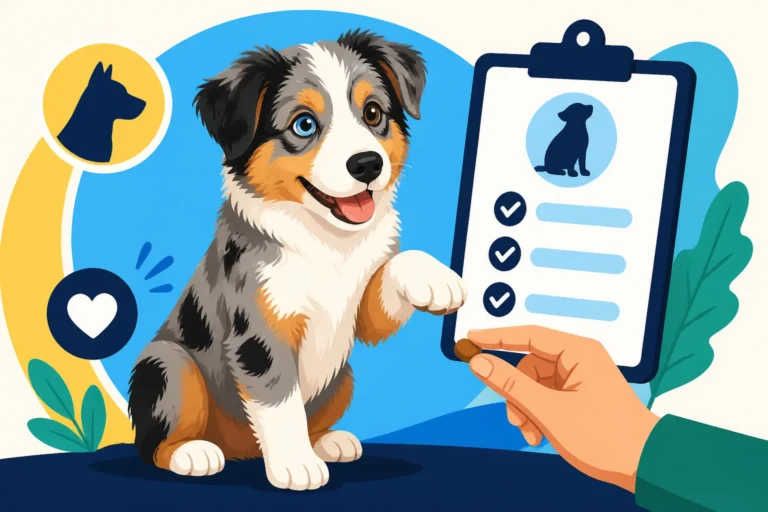
Before you can even enter an official trial, many venues or organizations require your Australian Shepherd to pass a Herding Instinct Test. This isn't a competition; it's a demonstration that your dog possesses the fundamental herding instincts to be successful in the sport. Think of it as a gatekeeper. These tests typically involve a controlled environment where your Aussie is introduced to livestock (usually sheep, sometimes ducks or goats) and observed for natural herding behaviors like gathering, driving, and eye control. The cost for an instinct test is usually a flat fee, often ranging from an amount similar to a private training session to a bit more, depending on the facility and the instructor's reputation. It’s a necessary first step, and while it's a one-time cost per dog, failing it means more training before you can try again, adding to your overall investment. You can find more details on Herding Instinct Test Costs for an Aussie.
The Costs on Trial Day
Once you've done the prep work and you're ready to actually compete, the trial day itself comes with its own set of expenses. These are the direct costs associated with showing up, entering your dog, and participating in the events. Many people get excited about trialing, but they often forget about the nitty-gritty financial details of the event itself.
Entry Fees Per Run
This is probably the most obvious cost: the entry fee for each specific run or class you enter. Herding trials are typically structured with different classes based on your dog's experience level (e.g., Started, Novice, Open, Advanced) and the type of livestock or course you're working. Each class you enter for your Australian Shepherd will have its own fee. If you're entering multiple runs over a weekend, these fees can quickly accumulate. For example, if you enter a "Started Sheep" run on Saturday and Sunday, that's two separate fees. These fees cover the cost of the facility, the livestock, the judges, and administrative overhead. They are generally non-refundable, so if your dog gets sick or you can't make it, that entry fee is usually gone. This means you need to be confident in your dog's health and your schedule before committing.
Ribbons and Awards
While not a mandatory cost, many handlers enjoy purchasing ribbons, rosettes, or other awards when their Australian Shepherd achieves a qualifying score or places in a class. These are often offered for sale at the trial site. It's a lovely way to commemorate your dog's achievements and collect mementos of your journey in the sport. These can range from a few dollars for a simple ribbon to more for elaborate rosettes or custom plaques. It's an optional expense, but for many, it's a cherished part of the trial experience, celebrating the bond and hard work that goes into each qualifying run.
| Category | Description | Estimated Cost Shape | Notes |
|---|---|---|---|
| Pre-Trial | |||
| Organization Membership | Annual dues for ASCA or other herding clubs | Moderate (annual) | Varies by club, usually under a hundred dollars. |
| Dog Registration | One-time fee to register your Aussie for competition | Low to Moderate (one-time) | Can be higher if pedigree research is needed. |
| Herding Instinct Test | Evaluation of natural herding ability | Moderate (one-time) | Required before entering many trials. |
| Trial Day | |||
| Entry Fees | Per run/class entered (e.g., Started, Novice, Open) | Moderate (per run) | These add up quickly over a weekend. |
| Ribbons/Awards | Optional purchases to commemorate achievements | Low to Moderate (optional) | Souvenirs of your dog's success. |
| Training & Prep | |||
| Private Lessons | One-on-one instruction with a herding trainer | High (ongoing) | Essential for developing skills and troubleshooting. |
| Group Classes/Clinics | More affordable, but less individualized training | Moderate (per session) | Good for practicing in a trial-like setting. |
| Practice Time | Access to livestock and arena for independent practice | Low to Moderate (per session) | Crucial for consistency between lessons. |
| Other Expenses | |||
| Travel & Lodging | Fuel, hotel, food if trials are far from home | Variable (as needed) | Can be a significant factor for popular trials. |
| Gear | Long lines, leashes, whistles, comfortable shoes | Low to Moderate (one-time/repl.) | Essential equipment for safe and effective handling. |
| Dog Food & Supplements | High-quality food for active dogs, joint support | Ongoing (monthly) | Performance diet, possibly joint supplements. |
| Vet Care/Insurance | Routine care, emergency fund, pet insurance | Ongoing (monthly/annual) | Essential for an active dog; consider Australian Shepherd Insurance at $35 to $55 a Month. |
The Investment in Training and Preparation
The actual trial fees are often just the tip of the iceberg. The most significant, ongoing expense for serious herding enthusiasts is almost always the training and preparation. This is where you hone your Australian Shepherd's skills, refine your communication, and build the confidence needed to succeed. Without proper training, those entry fees are essentially wasted. This is where your true commitment to the sport shines through. The Australian Shepherd Herding Drive You Cannot Train Out is powerful, but it needs direction.
Private Lessons and Group Classes
Learning to work livestock effectively with your Australian Shepherd is a complex skill, and it requires expert guidance. Private lessons with an experienced herding trainer are invaluable. These one-on-one sessions allow the trainer to assess your dog's natural abilities, identify your handling strengths and weaknesses, and tailor exercises specifically to your team. Private lessons typically cost more per session than group classes, but the individualized attention often leads to faster progress. Many handlers schedule private lessons weekly or bi-weekly when they are actively training.
Group classes or clinics are another excellent resource. While less personalized than private lessons, they offer the opportunity to work around other dogs and handlers, mimicking a trial environment more closely. They can also be a more cost-effective way to get regular instruction. Clinics often bring in renowned trainers from out of town, providing fresh perspectives, but they are usually multi-day events with a higher upfront cost. Many serious competitors attend a mix of private lessons and group sessions to get a well-rounded training experience. For resources on finding good trainers, consider the advice in Vetting a Trainer Before Booking an Aussie.
Practice Time with Livestock
Consistent practice is key to developing a reliable herding dog. Beyond formal lessons, you'll need access to livestock and an appropriate arena for independent practice. Some trainers offer "practice time" where you can rent their facility and sheep for a set period, without direct instruction. This is crucial for refining what you learned in lessons and letting your Aussie gain experience. These sessions are usually charged by the hour or by a block of time. If you're fortunate enough to have your own land and sheep, your costs here are significantly lower, but most urban or suburban owners will need to rely on rental facilities. Regular practice solidifies behaviors and builds your Aussie's confidence, making it a wise investment in the long run.
Auxiliary Costs: Beyond the Arena
Herding trials don't exist in a vacuum. There are many other practical expenses that support your journey, from ensuring your Aussie is fueled correctly to covering unexpected health issues. These might not be direct trial fees, but they are absolutely essential for a successful and enjoyable experience.
Travel and Accommodation
Herding trials, especially those hosted by specific breed clubs or national organizations, might not always be just down the road. You might find yourself traveling across state lines or even further for major events or to work with particular judges or livestock. This brings in a whole new category of costs:
- Fuel: Driving to and from distant trial sites.
- Vehicle Maintenance: More miles mean more wear and tear on your car.
- Accommodation: If the trial is a multi-day event or far from home, you'll need to factor in hotel stays. Many trial hosts try to recommend pet-friendly hotels, but costs can vary widely.
- Food: For both you and your dog. You’ll want to ensure your working Aussie is getting the right nutrition. Companies like Ollie offer tailored fresh food plans that can be great for high-energy dogs, ensuring they're performing at their peak.
- Crater Fees: Sometimes, facilities charge a small fee for overnight crating if you're staying locally but can't leave your dog in your hotel.
These travel costs can easily eclipse the actual entry fees, especially if you're regularly traveling for trials. Budgeting for these trips is just as important as budgeting for your lessons.
Gear and Equipment
While herding doesn't require as much specialized equipment as, say, agility, there are still some essentials you'll need for your Australian Shepherd. A good, sturdy long line is indispensable for safety and control during training and in "started" level trials. You'll also need a comfortable, well-fitting flat collar, and many handlers use a whistle for communicating with their dogs at a distance. Don't forget durable, weather-appropriate clothing and comfortable shoes for yourself, as you'll be spending hours on your feet, often in fields. A reliable travel crate is also a must for safe transport and providing a secure resting place at trials. You can often find durable gear and quality food options for your active Australian Shepherd through online retailers like Chewy.
Health, Nutrition, and Contingencies
A working Australian Shepherd needs to be in peak physical condition, and maintaining that condition is an ongoing cost. High-quality dog food tailored for active dogs is crucial. This might mean investing in premium kibble or even fresh food options to meet their energy demands, as discussed in Feeding an Australian Shepherd That Works All Day. Some handlers also provide joint supplements to support their dogs' active lifestyles, especially as they age, as this can help prevent issues down the line and extend their working careers.
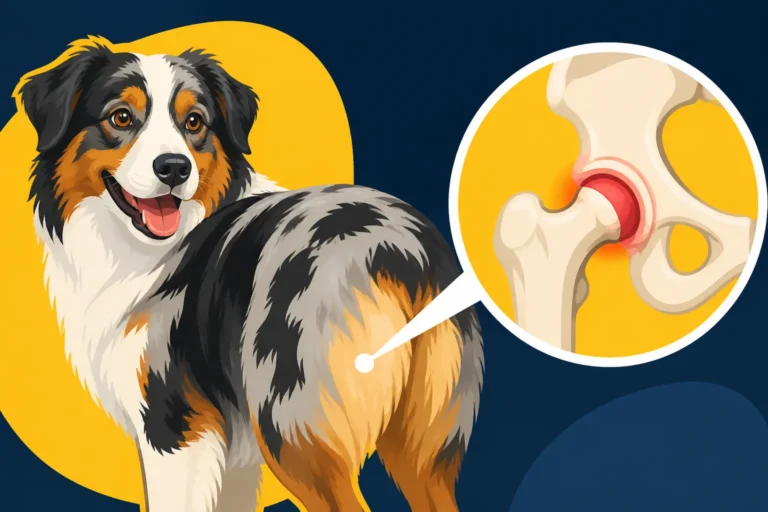
Beyond daily nutrition, regular veterinary check-ups, vaccinations, and parasite prevention are non-negotiable. More importantly, the intensity of herding work can sometimes lead to injuries. A pulled muscle, a paw pad injury, or even something more serious like a cruciate tear or Australian Shepherd Hip Dysplasia and Working Joints can suddenly derail your training and hit your wallet hard. Having a robust emergency fund or investing in pet insurance from providers like Healthy Paws can provide immense peace of mind. While pet insurance might not cover pre-existing conditions if your dog already has a diagnosis, it can be a lifesaver for unexpected accidents or new illnesses. This can tie into broader costs like Saving Ahead of an Aussie Hip Surgery. These health-related costs are an essential part of responsible ownership and participation in any dog sport.
Long-Term Commitment and Lifestyle Costs
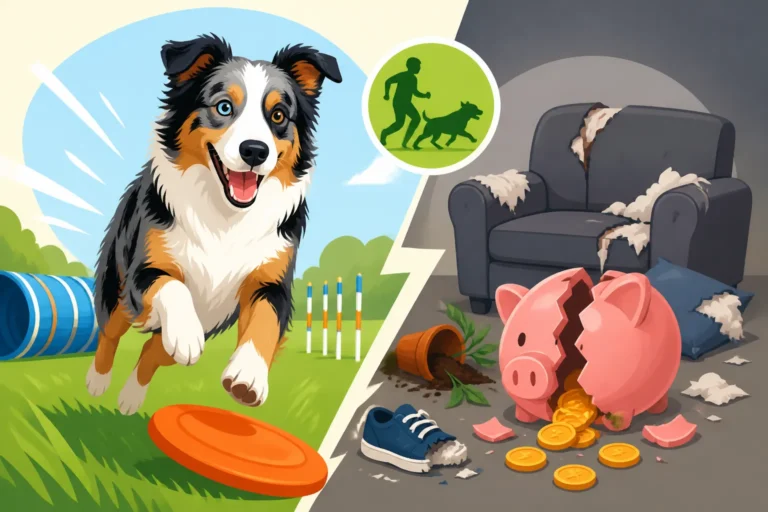
Finally, remember that taking your Australian Shepherd to herding trials is more than just a hobby; it's a lifestyle. It requires a significant time commitment, not just for the training and trials themselves, but also for ongoing physical and mental exercise to keep your dog sharp and happy. These aren't direct "trial costs" but are fundamental to having a well-adjusted herding dog ready to compete. The overall cost of ownership for such an intelligent and high-drive breed is substantial, as explored in The Cost of Keeping a High-Energy Australian Shepherd Busy. This includes mental stimulation, enrichment toys, and even just the time spent working with your dog daily. It's a continuous journey of learning and bonding that extends far beyond the trial arena.
Disclaimer
This article is for general informational purposes only and does not constitute professional advice. Laws, prices and regulations vary by location and change over time. Consult a qualified professional for guidance on your specific situation.