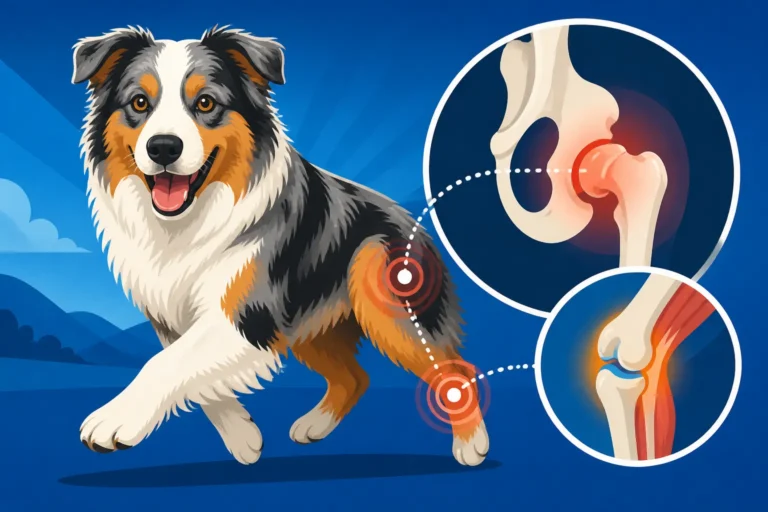
Australian Shepherd Autoimmune Disease
There's nothing quite like the stomach-dropping feeling when your vibrant, energetic Australian Shepherd suddenly seems… off. Maybe they're unusually lethargic, or you've noticed a strange rash that won't go away, or a limp that has no obvious cause. As a pet parent, these unexplained symptoms can be incredibly unsettling, leaving you scrambling for answers. This comprehensive guide is here to shed light on Australian Shepherd autoimmune disease, covering the various types, how to spot the subtle and not-so-subtle signs, the often-complex diagnostic process, and how you can best manage these conditions to ensure your beloved Aussie lives the fullest life possible.
Understanding Australian Shepherd Autoimmune Disease
When we talk about autoimmune disease, it sounds scary, and frankly, it can be. But understanding what's actually happening in your dog's body is the first step toward effective management. In simple terms, an autoimmune disease is a malfunction of the immune system. Instead of focusing its powerful defenses on external threats like viruses, bacteria, or parasites, the immune system mistakenly turns on the body's own healthy cells and tissues. It's like your internal security system suddenly decides your own furniture is the enemy.
What Autoimmune Disease Means for Your Aussie
For an Australian Shepherd, this immune system misfire can manifest in a bewildering array of ways, attacking anything from red blood cells to skin, joints, or even vital organs like the thyroid or adrenal glands. The symptoms can be incredibly diverse, making diagnosis challenging, as they often mimic other, less serious conditions. One day your Aussie might have a mild lameness, the next they could be seriously ill with anemia. It's a journey of vigilance and careful observation for any owner.
The impact of an autoimmune disease can range from relatively mild, requiring minimal intervention, to life-threatening, demanding aggressive and continuous treatment. What makes it particularly difficult is the chronic nature of many of these conditions; they often require lifelong management rather than a quick cure. This means a long-term partnership with your veterinarian, and possibly specialists, will become a crucial part of your Aussie's care.
Why Aussies Are Prone
Australian Shepherds, like many purebred dogs, carry certain genetic predispositions that make them more susceptible to specific health conditions, including several autoimmune diseases. While the exact mechanisms are complex and often involve multiple genes interacting with environmental factors, we know that genetics play a significant role. The drive to maintain breed standards and certain desired traits can sometimes inadvertently concentrate genes associated with these conditions within the breed's gene pool.
This isn't to say every Australian Shepherd will develop an autoimmune disease, far from it. But the breed does appear on lists for conditions like immune-mediated hemolytic anemia (IMHA) and certain thyroid disorders more often than some other breeds. This genetic vulnerability underscores the importance of responsible breeding practices, including utilizing comprehensive genetic panels to identify carriers or affected individuals, even for diseases not directly labeled "autoimmune" but which might be linked to overall immune health.
Common Triggers and Risk Factors
While genetics lay the groundwork, it’s often a combination of factors that ultimately triggers an autoimmune response. Think of it like a dormant volcano – the underlying geological conditions are there, but an earthquake or shift in pressure might be what finally causes an eruption.
Environmental factors can play a significant role. Exposure to certain toxins, chronic stress, or even some medications have been implicated as potential triggers. Vaccinations are a particularly contentious topic; while essential for preventing serious infectious diseases, a small percentage of dogs may experience an adverse immune reaction, which some believe can initiate or exacerbate autoimmune conditions. This isn't a reason to skip vaccinations, but rather to discuss a tailored vaccination protocol with your vet, especially for Aussies with a known family history of autoimmune issues or those who have had previous adverse reactions. Diet can also be a factor, with some theories suggesting that certain food proteins might contribute to systemic inflammation that eventually leads to an autoimmune response. For owners whose Aussies face conditions like Australian Shepherd skin, coat and allergy problems, investigating food sensitivities is often an early step in managing their health.
Recognizing the Signs and Symptoms
One of the trickiest aspects of autoimmune disease is that the symptoms can be incredibly varied, often mimicking other, more common ailments. Your Australian Shepherd might just seem "off," or they might present with very specific and alarming signs. The key is knowing your dog and recognizing when their normal behavior changes.
General Indicators of Illness
Before specific symptoms manifest, you might notice general signs that indicate something isn't quite right. Your usually bouncy Aussie might be more lethargic, sleeping more than usual, or showing less enthusiasm for walks or playtime. A fever, evidenced by a warm nose or ears, or simply feeling hotter to the touch, can be a non-specific sign of inflammation or infection. You might also observe changes in appetite or thirst; they might suddenly become picky eaters or, conversely, start drinking excessive amounts of water. Unexplained weight loss, even if they're still eating, is always a red flag. Pay attention to how they move: any stiffness, reluctance to jump, or an unusual gait could signal underlying joint or muscle pain. This general malaise often precedes more specific symptoms and should prompt a call to your vet.
Specific Systemic Symptoms
Because autoimmune diseases can attack different parts of the body, the specific symptoms will vary greatly depending on which system is targeted.
- Blood Disorders: If your Aussie develops immune-mediated hemolytic anemia (IMHA) or immune-mediated thrombocytopenia (ITP), you might see pale gums, extreme lethargy, dark urine, or spontaneous bruising and tiny red spots (petechiae) on the skin or gums. These are serious, life-threatening conditions.
- Skin and Coat Issues: Conditions like pemphigus can cause crusty lesions, hair loss, blisters, or ulcerations, often around the face, ears, paw pads, or mucous membranes. You might also notice a dull or thinning coat, or excessive shedding, which could be a sign of Australian Shepherd Autoimmune Thyroiditis.
- Joint and Muscle Pain: Immune-mediated polyarthritis (IMPA) causes painful, swollen joints, often leading to lameness, stiffness, and reluctance to move. This can be particularly heartbreaking to see in an active breed like an Aussie.
- Neurological Symptoms: While less common for direct autoimmune attack on the brain, some conditions can indirectly lead to neurological signs. For instance, severe anemia can cause weakness and disorientation. It's crucial to differentiate these from conditions like Australian Shepherd Epilepsy Starting Between One and Five.
- Gastrointestinal Upset: Chronic diarrhea, vomiting, or loss of appetite can be signs of inflammatory bowel disease, which often has an autoimmune component.
- Endocrine Problems: If the thyroid gland is attacked, your Aussie might exhibit signs of hypothyroidism such as weight gain despite no change in diet, lethargy, a dull coat, or intolerance to cold. Testing an Australian Shepherd Thyroid at Two Years is often recommended as part of routine health screenings. Similarly, Addison's Disease in an Australian Shepherd, where the adrenal glands are attacked, can cause intermittent vomiting, diarrhea, lethargy, muscle weakness, and a general "wasting away" appearance.
When to Seek Emergency Veterinary Care
Some symptoms warrant immediate, emergency veterinary attention. If your Australian Shepherd suddenly collapses, has extreme pale gums, is breathing rapidly or with difficulty, or shows signs of severe disorientation, get them to an emergency vet right away. These could be indicators of acute IMHA, a severe Addisonian crisis, or other life-threatening complications.
Any rapid onset of severe lameness, widespread skin blistering, or uncontrolled bleeding also requires emergency care. Even if you're unsure, it's always better to err on the side of caution. Prompt intervention can often make a critical difference in the outcome for these serious conditions. Your vet can perform immediate bloodwork and diagnostics to assess the urgency and initiate appropriate treatment.
Common Autoimmune Conditions in Australian Shepherds
Australian Shepherds can be susceptible to a range of autoimmune conditions, each with its own set of challenges. Understanding the specifics of these diseases can help you be a more informed advocate for your dog's health.
Immune-Mediated Hemolytic Anemia (IMHA)
IMHA is one of the most serious and common autoimmune diseases seen in dogs, where the immune system aggressively destroys the body's own red blood cells. These crucial cells carry oxygen throughout the body, so their rapid destruction leads to severe anemia. It's a frightening condition that often comes on very suddenly.
Your Aussie might appear fine one day and then be extremely weak, lethargic, and have noticeably pale or even yellowish gums the next. They might also show dark, reddish-brown urine due to the breakdown of red blood cells. Diagnosis typically involves blood tests that show a low red blood cell count, often with characteristic changes in cell morphology. Treatment is aggressive, usually involving high doses of immunosuppressive drugs like corticosteroids (prednisone), sometimes combined with other agents like azathioprine or cyclosporine. Blood transfusions are frequently necessary in the acute phase to stabilize the dog while the medications take effect. It's a long, uncertain road, and unfortunately, IMHA has a significant mortality rate, even with intensive care.
Australian Shepherd Autoimmune Thyroiditis
Autoimmune thyroiditis is the most common cause of hypothyroidism in dogs. Here, the immune system targets and gradually destroys the thyroid gland, which is responsible for producing hormones that regulate metabolism. Because the destruction is often slow, symptoms can creep up over time, making them easy to miss in the early stages.
An affected Aussie might show signs like unexplained weight gain, even if their diet and exercise haven't changed. They often become lethargic, less enthusiastic about activities, and may seem cold-intolerant, seeking out warm spots. A classic sign is a dull, dry, brittle, or thinning coat, sometimes with hair loss on the flanks and tail. They might also develop skin infections. Diagnosing Australian Shepherd Autoimmune Thyroiditis involves specific blood tests to measure thyroid hormone levels (T3, T4) and thyroid-stimulating hormone (TSH), along with autoantibody tests to confirm the autoimmune component. Luckily, treatment is usually straightforward with daily thyroid hormone replacement medication, which typically resolves symptoms over several weeks to months.
Addison's Disease in an Australian Shepherd
Addison's disease, or hypoadrenocorticism, is an autoimmune condition where the adrenal glands, located near the kidneys, are attacked by the immune system. These glands produce vital hormones, including cortisol and aldosterone, which regulate stress response, metabolism, blood pressure, and electrolyte balance. Without them, the body cannot cope with stress, and electrolyte imbalances can become life-threatening.
The symptoms of Addison's can be frustratingly vague and intermittent, often earning it the nickname "the great imitator." Your Aussie might experience periods of lethargy, vomiting, diarrhea, lack of appetite, and weight loss, which might temporarily resolve, only to return. Sometimes, it presents as a sudden, severe "Addisonian crisis" with collapse, shock, and profound weakness. Diagnosis involves specific blood tests, notably an ACTH stimulation test, which measures the adrenal glands' response to a hormone injection. Treatment for Addison's Disease in an Australian Shepherd involves lifelong hormone replacement therapy, usually with oral medications that replace both glucocorticoids (like prednisone) and mineralocorticoids. With proper management, affected Aussies can lead full, active lives.
Immune-Mediated Polyarthritis (IMPA)
Immune-mediated polyarthritis (IMPA) is a condition where the immune system attacks the joint linings, causing inflammation, pain, and swelling in multiple joints. It's a painful disease that can significantly impact an Aussie's mobility and quality of life.
A dog with IMPA will often exhibit lameness that shifts from one leg to another, stiffness, reluctance to move, and generalized pain. They might also have a fever and be very lethargic. Diagnosis involves examining joint fluid, which will show inflammatory cells but no bacteria (ruling out infection), and blood tests to look for markers of inflammation. X-rays may not show significant changes in the early stages, as the inflammation primarily affects the soft tissues of the joint. Treatment focuses on suppressing the immune system with corticosteroids and sometimes other immunosuppressive drugs to reduce inflammation and pain. Long-term management involves balancing medication to control symptoms with minimizing side effects.
Pemphigus and Skin-Related Conditions
Pemphigus refers to a group of autoimmune skin diseases where the immune system attacks the proteins that hold skin cells together. This leads to blistering, crusting, and ulcerations of the skin and sometimes mucous membranes. Pemphigus foliaceus is the most common form in dogs.
Affected Aussies typically develop crusts, pustules, and erosions, often starting on the face, ears, and paw pads, but it can spread to the entire body. It can be very itchy and painful. Diagnosis requires a skin biopsy, where a veterinary dermatologist examines tissue samples under a microscope to identify the characteristic changes of pemphigus. Treatment involves immunosuppressive medications, primarily high doses of corticosteroids, often in combination with other drugs like azathioprine or cyclosporine. Managing these conditions is often a long-term commitment, focusing on controlling flare-ups and maintaining skin health.
Lupus Erythematosus
Lupus erythematosus is another broad term for autoimmune conditions that can affect dogs, similar to lupus in humans. It can present in two main forms: systemic lupus erythematosus (SLE) and discoid lupus erythematosus (DLE).
- Systemic Lupus Erythematosus (SLE): This is the more severe, systemic form, where the immune system can attack almost any organ system. Symptoms are incredibly diverse and can include joint pain (polyarthritis), skin lesions, kidney disease, blood disorders (like IMHA or ITP), fever, and neurological signs. Diagnosing SLE is notoriously difficult due to its varied presentation and typically involves a combination of clinical signs, specific blood tests (like antinuclear antibody, or ANA, test), and ruling out other conditions.
- Discoid Lupus Erythematosus (DLE): This form primarily affects the skin, usually on the face, especially the bridge of the nose, around the eyes, and ears. It causes loss of pigment, redness, scaling, crusting, and ulceration. DLE is less severe than SLE and generally doesn't affect internal organs. Diagnosis is through a skin biopsy.
Treatment for lupus conditions depends on the severity and type. DLE is often managed with topical medications, sun protection, and sometimes oral immunosuppressants. SLE requires more aggressive, systemic immunosuppression to control the various affected organ systems. Prognosis varies widely depending on which organs are involved and how well the disease responds to treatment.
The path to getting a definitive diagnosis for an autoimmune disease in an Australian Shepherd can be long, frustrating, and emotionally draining. It's rarely a straightforward process because, as we've discussed, the symptoms are so diverse and often mimic other conditions. It truly tests your patience and your bond with your vet.
The Diagnostic Journey
Imagine your Aussie starts showing vague signs: a little less energy, maybe some stiffness after lying down, an occasional upset stomach. You go to your primary veterinarian, who might initially suspect something simpler like a minor infection, muscle strain, or dietary intolerance. They might run routine blood work, which could come back with some abnormalities, or surprisingly, within normal limits. If initial treatments don't work, or if symptoms progress or worsen, that's when the deeper detective work begins.
The journey often involves a process of elimination, ruling out infectious diseases, cancers, metabolic disorders, and other non-autoimmune conditions. This can mean multiple vet visits, different medications, and often, frustrating periods of improvement followed by relapse. It’s vital to keep a detailed log of your Aussie's symptoms, when they appear, how long they last, and any changes you notice. This information, however small it seems, can be invaluable to your vet in piecing together the puzzle. Don't be afraid to ask questions, even if you feel like you're asking the same thing repeatedly. This is your dog's health, and you deserve clear answers and a clear plan.
Key Diagnostic Tests
Once an autoimmune disease is suspected, your veterinarian will likely recommend a battery of tests beyond the standard wellness panel.
- Comprehensive Bloodwork: This includes a complete blood count (CBC) to check red and white blood cell levels, which can indicate anemia (as in IMHA) or an inflammatory response. A biochemistry panel assesses organ function (kidney, liver) and electrolyte balance, crucial for conditions like Addison's disease.
- Specific Antibody Tests: For certain conditions, there are specific tests that look for antibodies directed against the body's own tissues. For example, an antinuclear antibody (ANA) test can support a diagnosis of systemic lupus erythematosus. Thyroid autoantibody tests can help confirm autoimmune thyroiditis.
- Urinalysis: This can reveal signs of kidney involvement (protein in urine) or other systemic issues.
- Imaging: X-rays might be used to assess joint changes in polyarthritis or rule out other orthopedic issues. Ultrasound can visualize internal organs like the adrenal glands or liver if those are suspected targets.
- Biopsies: For skin conditions like pemphigus or discoid lupus, a skin biopsy is often essential for a definitive diagnosis. In cases of inflammatory bowel disease, endoscopic biopsies of the gastrointestinal tract might be needed. Bone marrow biopsies may be required for certain blood disorders.
- Joint Taps: If IMPA is suspected, a veterinarian might collect fluid from one or more affected joints (arthrocentesis) for analysis. The presence of inflammatory cells without bacterial growth points towards an immune-mediated cause.
- ACTH Stimulation Test: This is the gold standard for diagnosing Addison's disease, measuring the adrenal glands' ability to produce cortisol.
Remember, no single test is usually definitive for all autoimmune conditions. Often, it's the combination of clinical signs and specific test results that leads to a confident diagnosis.
Working with Your Veterinarian and Specialists
This is where your partnership with your vet truly shines. Given the complexity of autoimmune diseases, your general practitioner might recommend consulting with a specialist, such as a veterinary internal medicine specialist, a dermatologist, or even a neurologist, depending on the presenting symptoms. These specialists have advanced training and diagnostic tools to handle intricate cases.
Don't see a referral as a failure on your primary vet's part; it's a sign of excellent care, recognizing when a case requires a deeper level of expertise. Be prepared to share all your detailed observations and any logs you've kept. Ask about the pros and cons of each diagnostic test, the potential costs, and what information each test is expected to provide. This open communication is key to navigating the diagnostic maze and ensuring your Australian Shepherd receives the most accurate and timely diagnosis possible.
Managing and Treating Autoimmune Disease
Once an autoimmune disease is diagnosed, the focus shifts from finding answers to managing the condition and preserving your Australian Shepherd's quality of life. This often involves a delicate balance of medication, supportive care, and constant vigilance.
Immunosuppressive Medications
The cornerstone of treating most autoimmune diseases is immunosuppression. The goal is to calm down the overactive immune system, preventing it from attacking the body's own tissues.
- Corticosteroids (e.g., Prednisone, Prednisolone): These are often the first line of defense due to their potent anti-inflammatory and immunosuppressive effects. They work quickly to reduce inflammation and suppress the immune response. However, they come with a range of side effects, especially at high doses and with long-term use. These can include increased thirst and urination, increased appetite, weight gain, panting, and even behavioral changes. Your vet will always aim to find the lowest effective dose to minimize these effects, often by slowly tapering the dose once the disease is under control.
- Other Immunosuppressants: When corticosteroids alone aren't enough, or to allow for a lower steroid dose, other drugs may be added.
- Azathioprine: This medication can be effective but takes several weeks to reach its full effect and requires careful monitoring of blood cell counts due to potential bone marrow suppression.
- Cyclosporine: Often used in cases involving skin, eyes, or refractory conditions, cyclosporine can be very effective but is quite expensive and can have gastrointestinal side effects. It's often used when managing conditions like severe Pemphigus or some forms of lupus.
- Mycophenolate Mofetil: This is another option, particularly useful in conditions like IMHA, and is often better tolerated than some other drugs.
- Leflunomide: An alternative that can be used for various immune-mediated diseases, it's generally well-tolerated.
The specific choice and combination of medications will depend entirely on the type of autoimmune disease, its severity, and your Aussie's individual response and tolerance. It’s a dynamic process, and dosages will be adjusted over time based on your dog's symptoms and regular blood tests.
Supportive Care and Lifestyle Adjustments
Medication is only one piece of the puzzle. Comprehensive supportive care and thoughtful lifestyle adjustments are critical for long-term management and maintaining your Aussie's comfort.
- Diet: A high-quality, easily digestible diet is often recommended. For Aussies with gastrointestinal involvement or those prone to food sensitivities, a novel protein or hydrolyzed protein diet might be beneficial. Some owners explore fresh food or carefully balanced home-cooked diets under veterinary nutritional guidance.
- Joint Support: If your Aussie has IMPA or another condition affecting their joints, supplements like glucosamine, chondroitin, and omega-3 fatty acids can help support joint health and reduce inflammation. Gentle, regular exercise is crucial, but intense activities that stress the joints should be avoided.
- Stress Reduction: Stress can potentially trigger flare-ups in some autoimmune conditions. Maintaining a consistent routine, providing a calm home environment, and ensuring adequate mental enrichment without overstimulation can be very beneficial.
- Hygiene and Skin Care: For skin-related autoimmune diseases, careful skin hygiene, medicated shampoos, and regular grooming can prevent secondary infections and manage discomfort. Remember to use gentle products to avoid further irritation.
- Sun Protection: For conditions like discoid lupus, sun exposure can worsen lesions. Limiting outdoor time during peak sun hours and applying dog-safe sunscreens to affected areas can be important.
Long-Term Prognosis and Quality of Life
The long-term prognosis for Australian Shepherds with autoimmune disease varies significantly depending on the specific condition, its severity, how early it was diagnosed, and the individual dog's response to treatment. Some conditions, like well-managed hypothyroidism or Addison's disease, have an excellent prognosis, allowing dogs to live normal lifespans with daily medication. Others, like severe IMHA or systemic lupus, carry a more guarded prognosis and may require continuous, intensive care.
The goal is always to achieve remission and maintain a good quality of life. This means your Aussie should be comfortable, pain-free, have a good appetite, and enjoy their daily activities, even if those activities are adjusted to accommodate their condition. It's about balancing the effectiveness of medication with minimizing side effects, ensuring they can still be happy, engaged members of your family.
The Role of Pet Insurance
The reality of managing a chronic autoimmune disease in an Australian Shepherd is that it can be incredibly expensive. Diagnostic tests, specialist visits, emergency care, and lifelong medications can quickly add up to thousands of dollars annually. This financial burden can be a huge source of stress for pet parents, sometimes influencing treatment decisions.
This is where pet insurance can be an absolute lifesaver. Companies like Healthy Paws offer comprehensive plans that can cover a significant portion of these costs. Having a policy in place before a diagnosis occurs is crucial, as most insurers consider conditions diagnosed prior to enrollment as pre-existing and won't cover them. When choosing a plan, look for one that covers chronic conditions, specialist visits, and prescription medications. While monthly premiums might seem like another expense, the peace of mind and financial assistance it provides when facing a lifelong illness like Australian Shepherd Autoimmune Disease is invaluable, allowing you to focus on your dog's health rather than the mounting bills. A good policy can literally enable you to afford the best possible care for your beloved Aussie, ensuring they get all the diagnostics and treatments they need without compromise.
Living with an Australian Shepherd with Autoimmune Disease
Having an Australian Shepherd with an autoimmune disease is a journey, not a destination. It requires an ongoing commitment to monitoring, managing, and adapting to your dog's needs, all while providing unwavering love and support.
Monitoring and Regular Check-ups
Once your Aussie is diagnosed and treatment has begun, vigilance becomes your new normal. You'll need to be hyper-aware of any changes in their behavior, appetite, energy levels, or the appearance of their skin or coat. Keeping a detailed journal of symptoms, medication dosages, and any side effects is incredibly helpful for your vet. This log can help identify patterns, assess the effectiveness of treatment, and flag potential flare-ups early.
Regular veterinary check-ups are non-negotiable. Depending on the condition and the medications your Aussie is on, these might range from weekly visits during acute phases to monthly or quarterly visits for stable, chronic conditions. These appointments will involve physical exams and repeat blood tests to monitor organ function, blood counts, and hormone levels, ensuring the medications are working safely and effectively. For instance, Aussies on phenobarbital for related neurological conditions would need regular liver monitoring on Australian Shepherd Seizure Drugs, and the same careful approach applies to many immunosuppressants.
Dietary Considerations and Supplements
Nutrition plays a vital role in supporting an Aussie with autoimmune disease. While there isn't a universal "autoimmune diet," careful consideration of your dog's food can help manage symptoms and support overall health.
Your vet might recommend a high-quality, easily digestible diet. For those with skin issues or gastrointestinal symptoms, an elimination diet with a novel protein source (like duck or venison) or a hydrolyzed protein diet might be necessary to rule out food allergies, which can sometimes exacerbate autoimmune responses. Supplements like omega-3 fatty acids (fish oil) are often recommended for their anti-inflammatory properties, benefiting skin, coat, and joint health. Probiotics can support gut health, which is increasingly recognized for its connection to overall immune function. Always discuss any dietary changes or supplements with your veterinarian to ensure they are appropriate and won't interact negatively with medications.
Emotional Support for Owners
Let's be real: living with a dog battling a chronic illness is emotionally taxing. You're constantly worried, trying to interpret every subtle sign, dealing with vet visits, medication schedules, and the financial stress. It's okay to admit it's hard. Many owners experience grief, anxiety, and even guilt. You might feel isolated, like no one else truly understands what you're going through.
It's crucial to acknowledge your feelings and seek support. Talk to your partner, a trusted friend, or family member. There are also online support groups for owners of dogs with chronic diseases where you can share experiences, ask questions, and find solidarity. Remember, you're doing your best for your Australian Shepherd, and that's all anyone can ask. Celebrate the good days, learn from the challenges, and lean on your support system when you need to. Your mental and emotional well-being is just as important as your Aussie's physical health in this long journey.
Disclaimer
This article is for general informational purposes only and does not constitute professional advice. Laws, prices and regulations vary by location and change over time. Consult a qualified professional for guidance on your specific situation.