An Aussie Stiff After a Career in Agility
Retired agility Australian Shepherds experience joint stiffness from years of high impact work, requiring veterinary care and gentle exercise.
Know what to watch for.
Breed-specific conditions, screening and DNA tests, what surgery actually costs, and the daily habits that stretch a healthy lifespan.

Retired agility Australian Shepherds experience joint stiffness from years of high impact work, requiring veterinary care and gentle exercise.
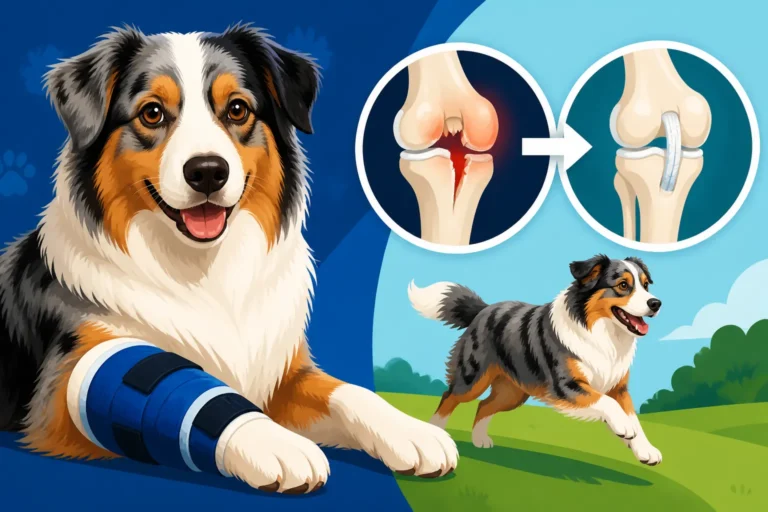
Surgical repair options and diagnostic tests for Australian Shepherds with torn cruciate ligaments restore knee stability.
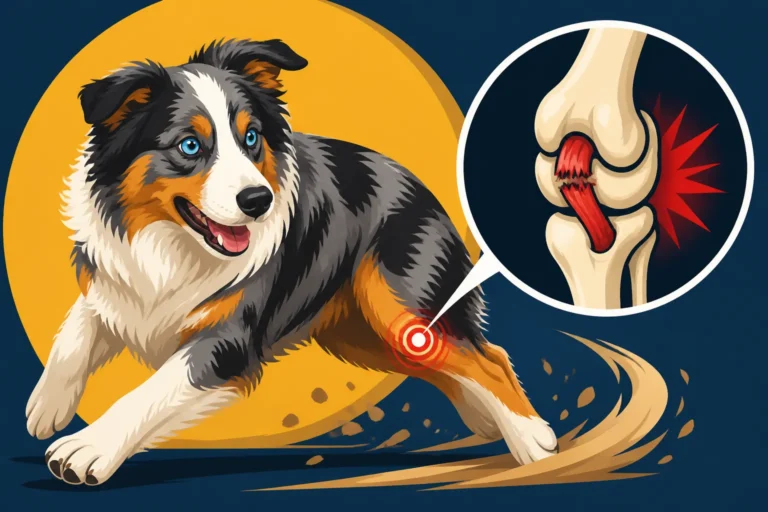
Australian Shepherd cruciate ligament tears resulting from sharp turns require specific surgical options and extended physical therapy.
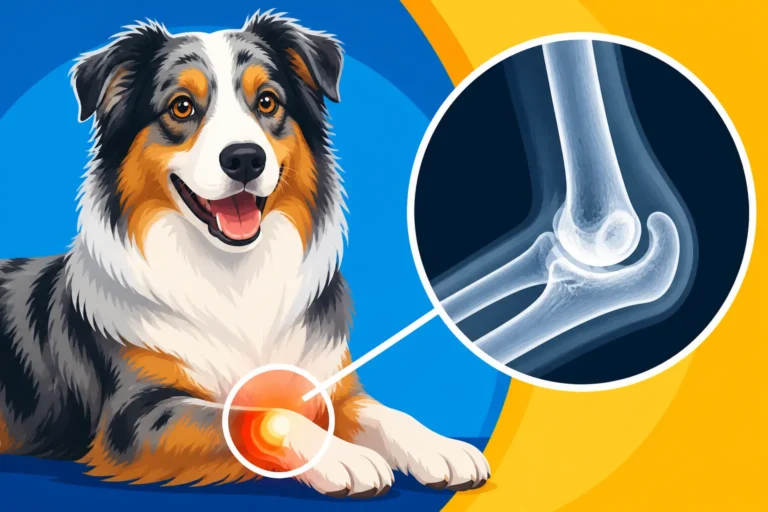
Australian Shepherd elbow radiographs at twenty four months evaluate skeletal maturity, screen for dysplasia, and detect joint arthritis.
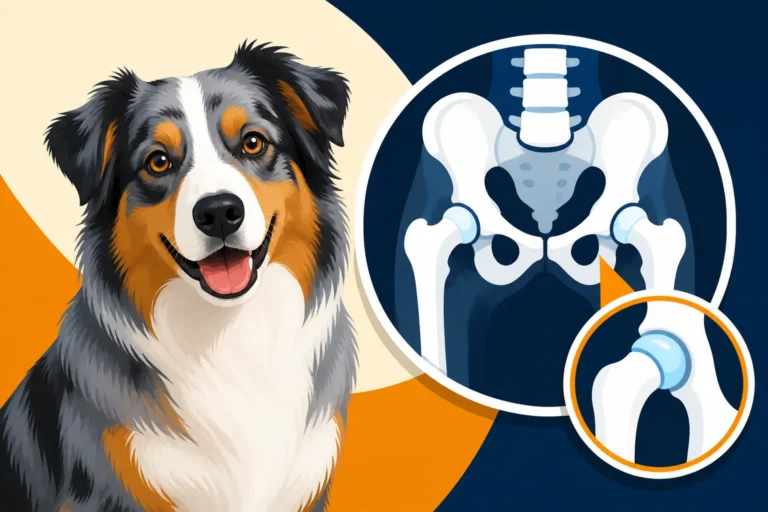
Working Australian Shepherd breeders use OFA and PennHIP scores to evaluate joint health and reduce hip dysplasia risks.
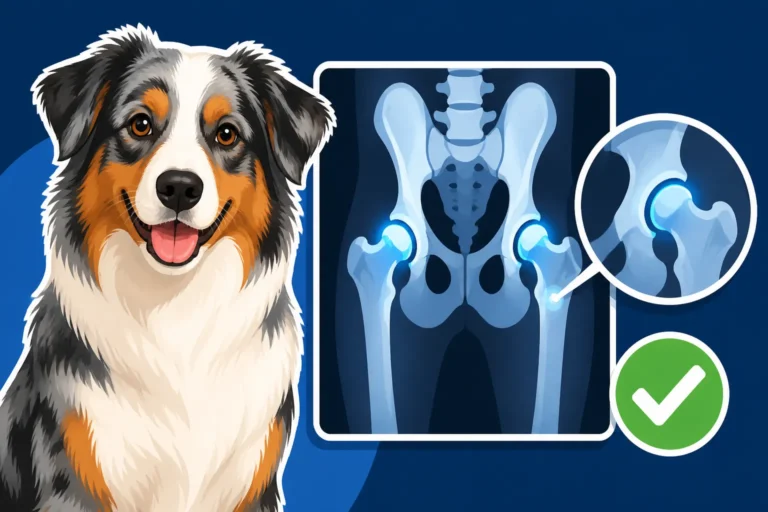
The Orthopedic Foundation for Animals hip grading system evaluates Australian Shepherd X-rays to determine canine joint health.
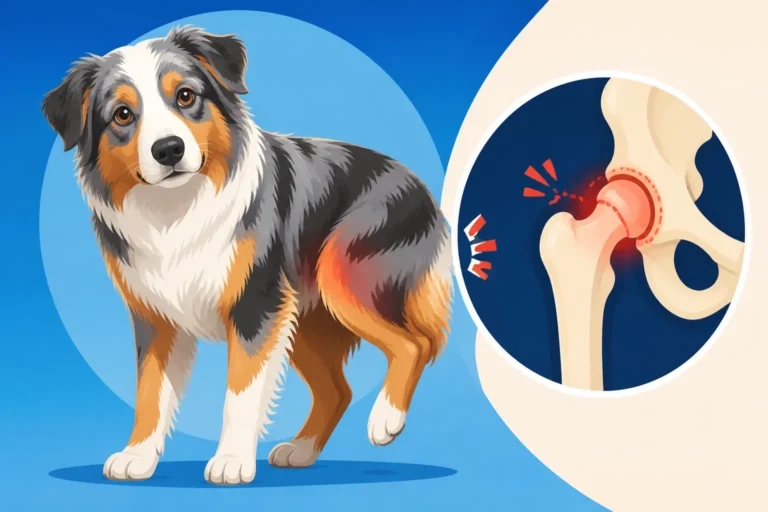
Australian Shepherd hip dysplasia symptoms before two include bunny hopping, unusual gait changes, and reluctance to jump.

Australian Shepherd epilepsy is a complex polygenic condition that ethical breeders manage through selective breeding and open health data sharing.

Epilepsy in Australian Shepherds can slightly reduce lifespan, but proper care, medication management, and monitoring help dogs live well.

Accurate seizure logs help veterinary neurologists diagnose, treat, and manage Australian Shepherd epilepsy with effective medication.