Logging Aussie Seizures for the Neurologist
Witnessing your beloved Australian Shepherd suffer a seizure is one of the most terrifying experiences an owner can face, leaving you feeling helpless and overwhelmed, desperately trying to recall every detail for your vet. This guide is here to empower you, walking you through exactly how to effectively log your Aussie's seizures, transforming those frightening moments into crucial data that your neurologist needs for accurate diagnosis, effective treatment, and comprehensive long-term management.
The Lifeline of a Detailed Seizure Log
When your Australian Shepherd experiences a seizure, it’s a blur of fear and instinct. Afterward, trying to piece together what happened feels like an impossible task, but those precise details are a lifeline for your veterinary neurologist. Without them, they're essentially flying blind.
Why Every Detail Matters to Your Neurologist
It's natural to feel utterly overwhelmed when your Aussie is seizing. The instinct is to comfort them, not to meticulously document. However, your neurologist relies on objective, precise data to understand what's happening internally. They can’t see what you see, and without accurate records, they're left with general observations that might not paint the full picture. Simple notes like "had a seizure this morning" are unfortunately not enough to guide complex medical decisions.
Every seemingly small detail you capture can differentiate one type of seizure from another, which is absolutely critical for correct diagnosis. For instance, specific eye movements, which limbs are involved first, or unusual vocalizations can point to different areas of the brain being affected. This level of precision helps rule out other neurological conditions that might mimic seizure activity but require entirely different treatments. If your neurologist has incomplete or inaccurate information, it can lead to misdiagnosis, unnecessary tests, or starting on medications that aren't the best fit for your Australian Shepherd's specific condition.
Ultimately, the accuracy of your seizure log directly impacts the selection and dosage of medication. The goal isn't just to stop seizures, but to control them with the fewest possible side effects. If your log suggests a medication isn't working, or if the seizures are changing in nature, your neurologist needs solid data to make informed adjustments. Without this, your Aussie might be on an ineffective drug for longer, or suffer avoidable side effects, all while their condition continues to challenge you both.
Tracking the Unpredictable Nature of Australian Shepherd Epilepsy
Epilepsy in Australian Shepherds is often a lifelong journey, characterized by periods of unpredictable activity. Your Aussie might go months without an episode, then have a cluster of seizures seemingly out of nowhere. A detailed seizure log provides a historical record, helping you and your vet understand these fluctuations over time. It allows you to see patterns that might otherwise be missed across weeks or months.
Neurologists use this log to understand the 'natural' course of your dog's epilepsy before treatment begins, and then critically, to gauge the effectiveness of any interventions. When your Australian Shepherd Epilepsy Starting Between One and Five first emerges, the baseline data from your initial logs is invaluable. Did the frequency decrease after starting a new medication? Did the duration shorten? This objective data helps your vet make evidence-based decisions, rather than relying on generalized memories.
Furthermore, logs help identify periods of remission or, conversely, when the condition might be worsening. This allows for proactive adjustments to medication or lifestyle, rather than simply reacting to a crisis. For example, if your logs show a gradual increase in seizure frequency over three months, it gives your neurologist a head start on adjusting medication before the condition becomes severe. It’s about managing the disease intelligently and continuously, ensuring the best possible quality of life for your Australian Shepherd.
Key Information to Capture During Each Seizure Phase
A seizure isn't a single event; it's a journey through distinct phases, each offering unique clues. Understanding and documenting these stages is crucial for giving your vet the full picture.
The Prodromal and Pre-Ictal Clues
The prodromal phase refers to subtle behavioral changes that can occur days or even hours before a seizure. The pre-ictal phase, often called the aura, happens just minutes or seconds before the seizure onset. These can be incredibly subtle, but recognizing them can be a game-changer. Look for changes in mood – your normally outgoing Aussie might become anxious, clingy, or withdrawn. They might pace endlessly, tremble, yawn excessively, stare into space, or even drool more than usual. These are often signs that their brain activity is shifting.
While not all dogs show a clear pre-ictal phase, learning your Australian Shepherd's individual cues is invaluable. For instance, an Aussie known for their boundless energy might suddenly become unusually calm and seek solitude. Or, they might become overly affectionate, trying to "burrow" into you. These subtle shifts can alert you to an impending seizure, giving you precious moments to move your dog to a safe, quiet space where they can't injure themselves. This foresight can prevent injuries and reduce stress for both of you.
Consider a real-life scenario: "My Aussie, Blue, developed a peculiar habit of compulsively licking the carpet for about an hour before any seizure, something he never did at other times. Once I recognized this pattern through consistent logging, it became my early warning system. It gave me time to clear the area, dim the lights, and simply be ready." Even if your Aussie doesn't display these signs every time, noting their presence or absence is important data for your neurologist.
Documenting the Ictal Event Itself
This is the phase everyone associates with a seizure, the actual event itself. The absolute most critical piece of information here is an accurate start and end time to calculate the precise duration. A stopwatch is your best friend during this terrifying moment. Why is duration so paramount? A seizure lasting over five minutes, or multiple seizures without full recovery in between (known as Cluster Seizures in an Australian Shepherd), constitutes an emergency requiring immediate veterinary attention. This is why having precise timing is non-negotiable.
During the ictal phase, observe everything you safely can. Does your Aussie lose consciousness? Do their limbs stiffen, then begin paddling? Is there chomping of the jaw, excessive drooling (foaming at the mouth), or vocalization (whining, barking)? Importantly, note if your Aussie urinates or defecates during the seizure, as this is a common sign of a generalized seizure. Pay attention to which body parts are affected. Is it a full-body event (generalized), or only affecting one side of their body or a single limb (focal)? These distinctions are vital for diagnosis.
Also, consider any environmental factors immediately surrounding the seizure. Was there a loud noise, a sudden flash of light, or an exciting event that might have acted as a trigger? While the immediate priority is your Aussie's safety, if you can safely capture a short, clear video from a distance, it can be incredibly helpful for your neurologist. Focus on the whole dog rather than just a close-up of their face, capturing the full scope of their body's movements. Remember, your safety and your dog's safety come first; if filming isn't safe, don't do it. For more on what to do during a seizure, you can refer to our guide on Standing By an Australian Shepherd Mid-Seizure.
Navigating the Post-Ictal Recovery
The post-ictal phase is the period immediately following a seizure, and it can vary wildly in duration and severity, lasting from minutes to hours, or even days. Common signs include disorientation, temporary blindness (they might bump into furniture or walls), ataxia (a wobbly, uncoordinated gait), excessive thirst or hunger, pacing aimlessly, increased vocalization (crying or whining), and profound exhaustion. They might also appear confused or even temporarily unresponsive to their name.
The significance of the post-ictal phase for your neurologist cannot be overstated. A long, severe post-ictal period might suggest a more intense seizure or could even indicate a more severe underlying neurological issue. Conversely, an Aussie that recovers quickly and seems almost normal within minutes might be experiencing a different type of seizure or have a better prognosis. These nuances help your vet tailor the treatment plan more precisely.
When logging, describe the exact behaviors you observe during this recovery period, how long each behavior lasts, and your Aussie's overall mental state. "After one particularly rough cluster, our Bella was blind for nearly an hour and wouldn't recognize me, then slept soundly for three hours." Recording these details helps track the impact of the seizure on their overall well-being. This comprehensive understanding ensures that every aspect of the seizure event, from start to finish, is used to inform your Australian Shepherd's care.
Essential Data Points for Your Log
Logging a seizure is more than just noting the event itself. It's about placing it within the broader context of your Australian Shepherd's daily life and health. Every piece of information can be a clue.
Beyond the Seizure – Holistic Health Information
It's tempting to focus solely on the seizure itself, but your Aussie's general health leading up to the event is equally important. Did you notice any recent changes in appetite, water intake, or stool consistency? Had they been unusually lethargic or hyperactive? Any new foods or treats introduced? Even a slight upset stomach or change in routine could be a subtle stressor that plays a role in seizure activity. Your vet will want to know if the seizure occurred in isolation or if it was part of a larger change in health.
External factors can also be significant. Always note the date, day of the week, and exact time of day the seizure occurred. What were the weather conditions like? Was there a recent change in your home environment, such as visitors, travel, or loud noises from construction? Sometimes, seizures can be triggered by stress, excitement, or even extreme weather fluctuations. A missed meal or a skipped dose of medication is also crucial to record, as inconsistent medication administration can directly impact seizure frequency and severity.
Crucially, include all medication details in your log. What Anti-Seizure Medication for an Australian Shepherd are they currently taking? What was the last dose given, and at what time? Were there any recent changes in dosage or new medications introduced? This is especially vital if your Aussie is taking other drugs, as certain medications, like The Drugs an MDR1 Australian Shepherd Cannot Take, can interact negatively or even trigger seizures in sensitive dogs. Maintaining a comprehensive medication record ensures your vet has a clear understanding of your Aussie's pharmacological regimen.
The Role of Specific Brands and Tools in Logging
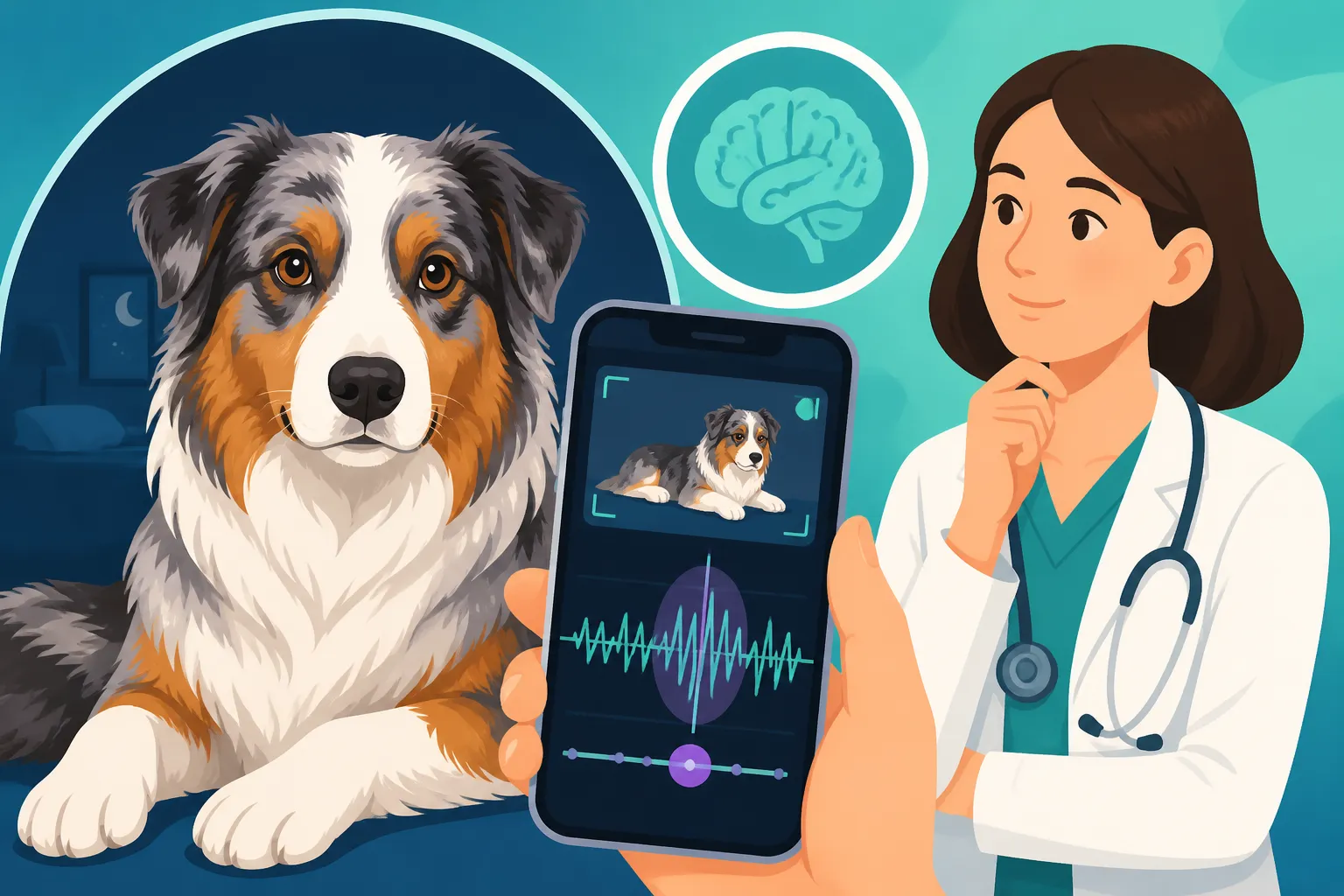
While there isn't one "perfect" app for every Australian Shepherd owner, many find digital tools incredibly helpful for maintaining consistency and organizing data. Seizure tracking apps allow you to quickly input all the critical information, often providing structured fields for pre-ictal, ictal, and post-ictal observations. Many of these apps can automatically calculate duration, plot seizure frequency on a graph, and even remind you to log, which are powerful visual aids for your vet. Using such an app can reduce the mental burden of remembering every detail when you're already stressed.
For managing the financial side of a long-term condition like epilepsy, keeping meticulous records of vet visits, diagnostic tests, medication costs, and potential emergency care is as important as the seizure log itself. This is where pet insurance providers like Healthy Paws can become an invaluable part of your planning. They offer coverage that can help offset the significant costs associated with ongoing neurological care, reducing financial stress during an already challenging time. Understanding your policy's specifics, especially regarding pre-existing conditions or ongoing treatment, is crucial.
Whether you opt for a simple spiral-bound notebook or a sophisticated digital app, the key is unwavering consistency. Make logging a habit, perhaps by keeping your chosen tool in a designated spot, ready for immediate use. A physical log kept in a binder, alongside other important documents like The MDR1 and CEA Records to Keep on an Aussie, or a shared digital document, ensures that all caregivers—family members, pet sitters, or dog walkers—can contribute information and access emergency details. This centralized record ensures continuity of care, no matter who is looking after your beloved Australian Shepherd.
Organizing and Presenting Your Data to the Neurologist
Once you've diligently logged your Aussie's seizures, the next step is to present this information to your veterinary neurologist in a clear, concise, and impactful way. Organization is key.
Creating a Comprehensive Seizure Diary
A simple chronological timeline is often the most effective way to present your seizure data. For each entry, clearly list the date, exact time, and precise duration of the seizure. Follow this with your detailed observations from the pre-ictal, ictal, and post-ictal phases, and any suspected triggers or notes you've made. This format allows your neurologist to easily follow the progression of your Australian Shepherd's condition over time and identify specific events.
Consider adding a summary page to your diary. This doesn't replace the detailed entries but serves as a quick overview. Here, you can highlight key trends you've noticed: "Seizure frequency has increased from once a month to twice a week in the last two months." Or, "All recent seizures occur within 2 hours of waking." This summary helps your neurologist grasp the overall picture and identify the most pressing issues without having to sift through every single entry, making your appointment time more efficient.
If your logging tool allows, or if you're comfortable creating one, a visual representation like a simple graph of seizure frequency over time (e.g., seizures per week or month) can be incredibly impactful. Charts often reveal patterns that are harder to spot in written logs. Many apps automate this, showing at a glance if the Anti-Seizure Medication for an Australian Shepherd is effectively reducing episodes or if the condition is escalating. This visual data provides a powerful, undeniable illustration of your Aussie's seizure activity.
| Date & Time | Duration (min:sec) | Pre-Ictal Signs (e.g., pacing, clingy) | Ictal Description (e.g., paddling, foaming, vocal) | Post-Ictal Signs (e.g., disoriented, hungry, tired) | Notes/Triggers |
|---|---|---|---|---|---|
| 2023-10-26 07:15 AM | 00:01:30 | Restless, whined at door | Generalized, all four limbs paddling, jaw chomping, lost bladder control | Disoriented for 15 mins, very thirsty | Occurred right after morning walk, high excitement |
| 2023-11-05 02:40 PM | 00:00:45 | No obvious signs | Focal, left hind leg rigid, minor jaw twitching, conscious | Mildly confused for 5 mins, normal appetite | Heard loud construction noise outside |
| 2023-12-01 10:00 PM | 00:02:10 | Hiding under bed, shivering | Generalized, full body rigidity, then paddling, profuse drooling, defecated | Blind for 30 mins, extreme hunger/thirst, slept heavily | Missed evening medication dose by 2 hours |
What to Discuss During Your Veterinary Appointment
Simply handing over your meticulously kept seizure log isn't enough; you need to be prepared to discuss your observations calmly and clearly. Your firsthand account of what you've witnessed, combined with the objective data, provides the most comprehensive picture for your neurologist. Focus on the most significant changes or patterns you've noticed since your last visit. Did the post-ictal phase get longer? Did a new type of pre-ictal behavior emerge? These personal insights contextualize the data.
Don't hesitate to ask questions. Clarify anything you don't understand about the neurologist's interpretation of your log or the proposed treatment plan. Discuss the potential side effects of any new medications, especially if your Australian Shepherd carries The MDR1 Mutation Half of Australian Shepherds Carry, which makes them sensitive to certain drugs. Understanding the "why" behind the treatment plan will help you adhere to it more effectively and feel more confident in your Aussie's care.
Finally, discuss your Australian Shepherd's overall quality of life. Is the current management effectively balancing seizure control with minimal side effects? Are they still able to enjoy their daily activities? This is an ongoing conversation, and your log helps quantify improvements or declines in their well-being. Remember, addressing unforeseen circumstances, like managing a seizure in a stressful environment or a sudden medication reaction, might lead to An Australian Shepherd Emergency Vet Visit, and your preparation can make all the difference.
Proactive Steps Beyond Logging
While meticulous logging is fundamental, managing Australian Shepherd epilepsy requires a proactive, holistic approach that extends beyond just recording events. It's about preparedness and continuous collaboration with your veterinary team.
Emergency Preparedness and Communication
Always, always have your emergency vet's number programmed into your phone and visibly posted in your home. It's also vital to understand the signs of a true seizure emergency, such as Cluster Seizures in an Australian Shepherd (multiple seizures within a 24-hour period) or status epilepticus (a single seizure lasting more than five minutes). These situations require immediate veterinary intervention. Having a written action plan near your seizure log can ensure you react quickly and effectively under pressure.
If your Aussie is on medication, it's paramount to know the name, exact dosage, and when the next dose is due. This is crucial information for any emergency vet, who might not have immediate access to your regular vet's records. It's also wise to keep a digital or physical copy of your Australian Shepherd's full medical history, including all genetic test results like The Genetic Panel Every Australian Shepherd Needs, readily accessible. This can save critical time in an emergency.
Equally important is informing anyone who regularly cares for your dog—pet sitters, daycare staff, family members, or friends—about their epilepsy. Explain what to do during a seizure, where to find your log, and provide all emergency contact information. This ensures continuity of care and that your Aussie is safe even when you're not there. Being prepared for these moments can prevent minor complications from escalating into major crises, helping to mitigate the need for an emergency vet visit, which can be partially covered by pet insurance providers like Healthy Paws.
Working with Your Vet for Long-Term Management
Epilepsy is rarely a condition that is "cured"; instead, it's often a journey of long-term management. Regular check-ups with your vet or neurologist are crucial, even when your Aussie seems to be doing well. These appointments allow your vet to monitor medication levels, especially for drugs that require Liver Monitoring on Australian Shepherd Seizure Drugs, and to assess your Aussie's overall health. Don't wait for a seizure to occur; scheduled check-ins help maintain stability.
Beyond medication, discuss diet, exercise, and environmental enrichment with your vet. These elements can significantly contribute to your Aussie's overall brain health and potentially influence seizure frequency. For example, some owners find certain dietary changes beneficial, or that consistent, appropriate exercise helps manage stress, a potential seizure trigger. Ensuring your Aussie has adequate mental stimulation can also play a role in their overall well-being.
Remember that supporting an Australian Shepherd through epilepsy can be emotionally and financially draining. Don't hesitate to seek out support groups for owners of epileptic dogs; connecting with others who understand can be incredibly validating. For financial preparedness, especially for ongoing medication costs, specialist visits, and unexpected emergency care, carefully research options like pet insurance from providers such as Healthy Paws. This can help ease the financial burden over your Aussie's lifetime, especially considering the potential long-term Cost of Keeping a High-Energy Australian Shepherd Busy due to medical needs. You are not alone on this journey, and your dedication makes all the difference for your beloved companion.
Disclaimer
This article is for general informational purposes only and does not constitute professional advice. Laws, prices and regulations vary by location and change over time. Consult a qualified professional for guidance on your specific situation.