An Aussie That Herds the Lawnmower
Australian Shepherd herding behavior around lawnmowers poses severe dangers, requiring safe zones, impulse control, and redirected activities.
Work with the temperament you have.
House-training and crate work, recall, leash manners, separation anxiety, and the behaviors this breed is wired for.
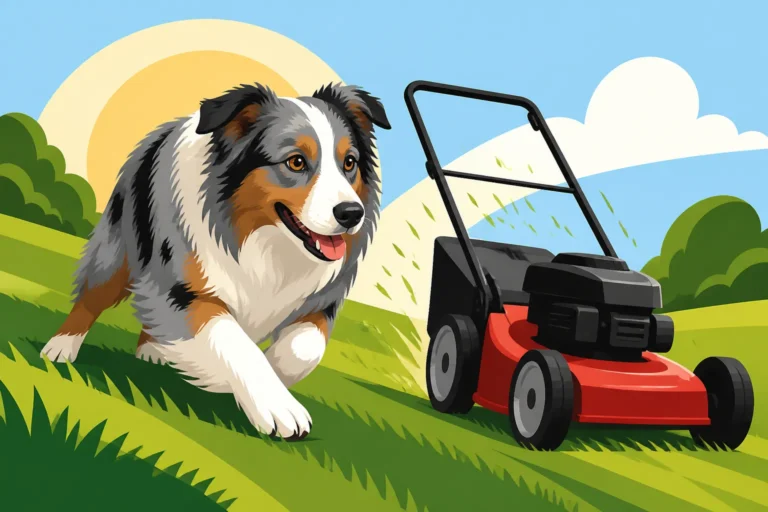
Australian Shepherd herding behavior around lawnmowers poses severe dangers, requiring safe zones, impulse control, and redirected activities.

Cooperative care techniques help Australian Shepherds overcome vet anxiety through positive handling and reward-based training.

Muzzle training for Australian Shepherds improves safety during vet visits, grooming, and everyday emergencies without causing stress.

Adopted adult Australian Shepherd training requires trust-building, predictable routines, and positive reinforcement to address unique behavioral challenges.

Deaf Australian Shepherd training involves visual cues, hand signals, and vibration collars to build reliable communication.

Australian Shepherd owners make common mistakes during the first year by ignoring mental needs, socialization, and breed herding drives.

Post-seizure behavior changes in Australian Shepherds, including disorientation, excessive hunger, and restlessness, and how to support recovery.

Sudden Australian Shepherd aggression indicates an urgent veterinary check for pain, neurological disorders, or illness.
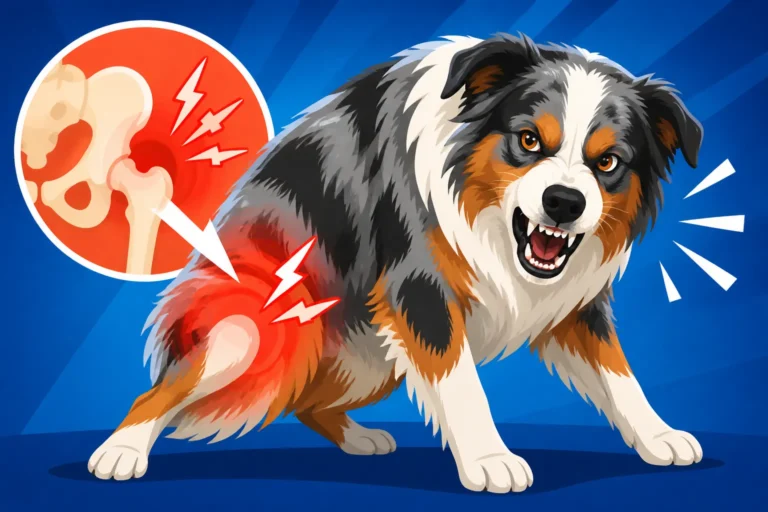
Australian Shepherd hip pain causes sudden snapping when handled, explaining subtle behavioral changes and veterinary care.

Pain, injury, stress, or burnout cause Australian Shepherds to refuse work. Learn how to address these underlying issues to restore joy.